
Sign up to save your podcasts
Or

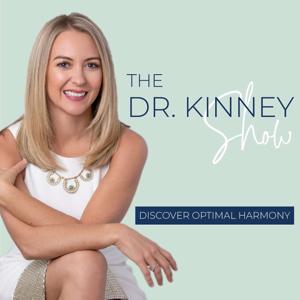


Welcome back to the Dr. Kinney Show!
In this episode, I’m joined by Amy Kurtz, health coach, patient advocate, and author of But You Look Fine: Trapped in the Hell Between Sick and Well and How to Break Free.
Amy shares her decades-long journey with chronic illness, misdiagnosis, and eventually receiving a diagnosis of late stage neurological Lyme disease and co-infections after seeing 36 doctors. But even after her physical health improved, she realized another part of healing had been overlooked: her brain and nervous system were still acting as if she were in danger.
That experience led Amy to develop the term Medical Trauma Brain, which describes the emotional and psychological aftermath that can remain after living through debilitating chronic or acute illness.
In this episode, we discuss:
- Amy’s journey with chronic symptoms beginning at age 14
- What it was like to spend years searching for answers and being told her tests looked normal
- The emotional, financial, and physical toll of seeing doctor after doctor
- Finally receiving a diagnosis of late stage neurological Lyme disease and co-infections
- Why getting the right diagnosis can bring both relief and grief
- What Amy means by Medical Trauma Brain
- Why the body can heal while the mind and nervous system remain stuck in survival mode
- The hypervigilance and fear that can remain after years of illness
- Why even a small symptom can make someone fear that everything is coming back
- How medical gaslighting can cause patients to lose trust in their own bodies
- Why finding a provider who listens and makes you feel safe is so important
- The difference between being physically better and truly feeling like yourself again
- Why healing from illness can include grieving the life you thought you were going to have
- How chronic illness can make it difficult to stay present even after the physical crisis has passed
- Why nervous system regulation can be an important part of the recovery process
- The importance of learning to feel safe in your body again
- Why rest, boundaries, support, and self-advocacy matter during recovery
- Simple practices Amy and I use to help calm the nervous system
- Why consistency matters more than finding one perfect regulation technique
One of the most powerful ideas in this conversation is that healing does not always end when the illness does.
You can be grateful that your body is doing better and still grieve what you went through. You can physically recover and still feel anxious, hypervigilant, or disconnected from yourself. Those experiences do not cancel each other out.
If you have ever felt like everyone around you thinks you should be “fine” because your illness is over, this conversation is a reminder that the aftermath deserves care too.
Guided Meditation Resource
I mention BrainTap by Dr. Patrick Porter and a guided meditation called “I Am a Personal Success Magnet,” which I have used consistently for years. Because I’ve trained my brain to associate that meditation with relaxation, even listening to the beginning of it can help signal to my nervous system that it is time to calm down.
Search for BrainTap by Dr. Patrick Porter and “I Am a Personal Success Magnet” to explore the meditation mentioned in this episode.
Connect with Amy Kurtz
Visit https://www.amykurtz.com/ to learn more about Amy, take her Patient Persona Quiz, and explore her work.
Follow Amy on Instagram at @_amykurtz.
But You Look Fine: Trapped in the Hell Between Sick and Well and How to Break Free is available wherever books are sold.
Connect with Dr. Kinney
Explore resources, tools, and more from Dr. Erin Kinney:
https://www.drerinkinney.com/
Take the free Cortisol Debt Score and discover where you stand:
https://www.drerinkinney.com/the-cortisol-debt-score
Learn more about my latest book, The Cortisol Cure:
https://www.drerinkinney.com/the-cortisol-cure
Join The Cortisol Cure Community
https://www.drerinkinney.com/cortisol-cure-community
Welcome back to the Dr. Kinney Show!
In this solo episode, I’m talking about the stories we tell ourselves and how the language we use about our bodies, our health, and our lives can keep us stuck in patterns we may no longer want.
Whether it is saying “I’m so busy,” “I’m always tired,” “I can’t lose weight,” or “my body hates me,” those phrases can become part of the way we experience ourselves. This does not mean ignoring real symptoms or pretending everything is fine. Instead, it is about becoming aware of the story you are repeating and finding a more supportive way to respond to what your body is trying to tell you.
In this episode, I discuss:
If you have been struggling with chronic symptoms, health anxiety, stress, or a feeling that your body is working against you, I want you to start with curiosity and compassion.
Ask yourself: What story am I telling about my body or my life that may no longer be serving me? Then think about the story you actually want to be living.
Your body is not your enemy. Instead of fighting it, begin listening to it, supporting it, and becoming intentional about the language you use every day.
Your homework this week is to notice the stories you repeat about yourself, your health, and your life, and begin building a bridge toward a story that feels more supportive, hopeful, and aligned with how you want to feel.
Connect with Dr. Kinney
Explore resources, tools, and more from Dr. Erin Kinney:
https://www.drerinkinney.com/
Take the free Cortisol Debt Score and discover where you stand:
https://www.drerinkinney.com/the-cortisol-debt-score
Learn more about my latest book, The Cortisol Cure:
https://www.drerinkinney.com/the-cortisol-cure
Join The Cortisol Cure Community
https://www.drerinkinney.com/cortisol-cure-community
Today is a very special day: The Cortisol Cure is officially out in the world!
To celebrate, I’m sharing something a little different on the podcast, an exclusive excerpt from the audiobook, read by me.
In this episode, you’ll hear the introduction to The Cortisol Cure and the story behind a message I’ve spent years teaching my patients: cortisol is not the enemy.
Cortisol is one of the hormones your body relies on to create energy, respond to stress, heal, and keep you functioning. The problem begins when we continually ask our bodies to spend more than they have the opportunity to earn back.
That’s the idea behind what I call your Cortisol Bank Account, and it completely changes the way we think about stress, burnout, and many of the symptoms we’ve been told we simply have to live with.
If you’ve ever wondered why you’re exhausted even though you’re doing “all the right things,” why your body suddenly seems less resilient to stress, or why you just don’t feel like yourself anymore, this is where I want you to begin.
Press play for a special listen to the opening of The Cortisol Cure.
The Cortisol Cure: The Secret to Resetting Your Stress Response, Boosting Energy & Feeling Better Than Ever is available NOW in hardcover, ebook, and audiobook wherever books are sold.
Get your copy here: https://www.drerinkinney.com/the-cortisol-cure
Welcome back to the Dr. Kinney Show!
In this solo episode, I’m doing a deeper dive into Epstein-Barr virus, one of the most common viruses I see reactivated in patients dealing with unexplained fatigue, joint pain, brain fog, anxiety, thyroid issues, and other chronic symptoms.
Epstein-Barr virus can stay dormant in the body for years after the initial infection. But when your immune system becomes overwhelmed or your body is under prolonged stress, the virus can reactivate and become a major internal stressor. I explain what that can look like, how it affects your cortisol and energy, what testing to ask your provider for, and some of the approaches I use to help support the immune system and lower viral load.
In this episode, I discuss:
If you’ve been dealing with fatigue that sleep does not fix, unexplained joint pain, anxiety, thyroid issues, or symptoms that seem to flare when your body is under stress, Epstein-Barr may be one piece worth investigating with your provider.
The biggest takeaway is that treatment is not only about attacking the virus. Your immune system needs enough energy and downtime to do its job. Supporting your nervous system, prioritizing rest, and understanding what is happening inside your body can be just as important as any supplement or medication.
Connect with Dr. Kinney
Explore resources, tools, and more from Dr. Erin Kinney:
https://www.drerinkinney.com/
Take the free Cortisol Debt Score and discover where you stand:
https://www.drerinkinney.com/the-cortisol-debt-score
Learn more about my latest book, The Cortisol Cure:
https://www.drerinkinney.com/the-cortisol-cure
Join The Cortisol Cure Community
https://www.drerinkinney.com/cortisol-cure-community
Welcome back to the Dr. Kinney Show!
In this episode, I’m joined by Sara Hirsh Bordo, documentary filmmaker, author, and the voice behind Autoimmunity and the Good Girls. This conversation explores the deep connection between women’s health, self-betrayal, chronic illness, and the stories we learn to live by.
Sara shares her personal journey with autoimmune disease, Hashimoto’s, melanoma, Epstein-Barr, mold toxicity, heavy metals, and the moment that led her to ask a life-changing question: if the wrong choices made me sick, could the right choices make me well? From there, she began examining the patterns of self-compromise, people-pleasing, caretaking, and emotional suppression that so many women carry, especially those who were raised to be “good.”
In this episode, we discuss:
This conversation is an invitation to look at symptoms with curiosity instead of fear, and to begin asking where you may have been taught to abandon yourself in order to be accepted, loved, or seen as good. Sara’s work reminds us that healing is not about becoming someone new. It is about coming home to the real self that has been there all along.
Connect with Sara Hirsh Bordo:
https://autoimmunityandthegoodgirls.com/
Visit goodgirlsbook.com to learn more about Autoimmunity and the Good Girls.
You can also connect with Sara on Instagram and find Autoimmunity and the Good Girls in print, ebook, and audiobook wherever books are sold.
Connect with Dr. Kinney
Explore resources, tools, and more from Dr. Erin Kinney:
drerinkinney.com
Take the free Cortisol Debt Score and discover where you stand:
Take the Cortisol Debt Score
Pre-order The Cortisol Cure by September 22, 2026, and submit your proof of purchase to receive your first year of access to The Cortisol Cure Community at no additional cost: Pre-order The Cortisol Cure
Join The Cortisol Cure Community
Follow Dr. Kinney on Instagram and Substack.
Welcome back to the Dr. Kinney Show!
In this solo episode, I’m talking about what happens in your brain and body when you constantly tell yourself and others, “I’m so busy.” After noticing how often this phrase came up in conversations, I started experimenting with not saying it, and instead talking about calm, rest, gardening, reading, and the things I was doing to protect my peace.
I dive into how the stories we repeat shape our nervous system, why “busy” keeps the body in a cortisol spend state, and how we can begin to train the part of the nervous system that helps us relax. This episode is about shifting the way we talk about stress, stepping out of hustle culture, and building the ability to move between doing and resting in a healthier way.
In this episode, I discuss:
If you’ve been wearing busyness like a badge or feeling like you never have enough time, this episode is an invitation to try something different. Stop telling your brain you are constantly busy and start asking yourself how you actually want to feel. The more you practice calm, rest, and regulation, the stronger that relaxed muscle becomes.
Connect with Dr. Kinney
Explore resources, tools, and more from Dr. Erin Kinney:
drerinkinney.com
Take the free Cortisol Debt Score and discover where you stand:
Take the Cortisol Debt Score
Pre-order The Cortisol Cure by September 22, 2026, and submit your proof of purchase to receive your first year of access to The Cortisol Cure Community at no additional cost: Pre-order The Cortisol Cure
Join The Cortisol Cure Community
Follow Dr. Kinney on Instagram and Substack.
Welcome back to the Dr. Kinney Show!
In this solo episode, I’m diving deeper into the cortisol bank account framework and introducing the Cortisol Debt Assessment, a quiz I created to help you understand how much energy your body is spending versus how much it is earning.
We often know our financial credit score, how much money is coming in, and how much is going out, but most of us do not have that same awareness when it comes to our cortisol, energy, and stress load. This episode breaks down how external stressors, like work, relationships, parenting, and responsibilities, combine with internal stressors, like nutrient deficiencies, food sensitivities, blood sugar dips, hormone imbalances, or stealth infections, to impact your body’s ability to function and heal.
In this episode, I discuss:
• What the Cortisol Debt Assessment is and why I created it
• How your cortisol bank account works
• Why cortisol is the hormone that helps you handle stress, wake up, reduce inflammation, and get things done
• The difference between external stressors and internal stressors
• Why stress is not always bad, but it is always an energy spend
• How good things, like a dream job, a wedding, kids, or work you love, can still drain your energy
• What your external life load score can tell you about boundaries, sleep, and energy protection
• What your internal hidden load score can reveal about what may be happening inside your body
• Why a high internal score may be a sign to talk with a trusted provider and get lab work done
• The four cortisol debt profiles: balanced, overspending, moderate cortisol debt, and deeply depleted
• Why pushing harder with exercise, dieting, or doing more can backfire when your cortisol account is low
• How resting heart rate can help you understand whether your workouts are supporting or draining you
• Why support, boundaries, sleep, protein, hydration, and nervous system regulation are essential for rebuilding your energy
• How to use the assessment as a check-in tool throughout different seasons of life
If you’ve been feeling tired, wired, depleted, inflamed, or like your body is trying to get your attention, this episode will help you look at stress in a more practical way. Your score is not a diagnosis and it is not a grade. It is information that can help you better understand where your energy is going, where your body may need support, and what changes can help you start rebuilding your cortisol bank account.
Connect with Dr. Kinney
Explore resources, tools, and more from Dr. Erin Kinney:
drerinkinney.com
Take the free Cortisol Debt Score and discover where you stand:
Take the Cortisol Debt Score
Pre-order The Cortisol Cure by September 22, 2026, and submit your proof of purchase to receive your first year of access to The Cortisol Cure Community at no additional cost: Pre-order The Cortisol Cure
Join The Cortisol Cure Community
Follow Dr. Kinney on Instagram and Substack.
Welcome back to the Dr. Kinney Show!
In this solo episode, I’m back after taking an intentional pause from the podcast, and I’m sharing what I’ve been working on behind the scenes: my upcoming book, The Cortisol Cure. This episode is all about presence, timing, trusting the process, and understanding why sometimes a pause needs to be longer than we expected.
I talk about the journey of getting a book deal, writing the book, and preparing for the launch, but I also dive into the core message of The Cortisol Cure: cortisol is not the enemy. It is one of the body’s most important hormones, and when we understand how it functions as our body’s energy currency, we can begin to look at stress, burnout, symptoms, and healing in a completely different way.
In this episode, I discuss:
• Why I took an intentional pause from the podcast
• My word for 2026 and why presence has been so important this year
• The story of how The Cortisol Cure went from proposal to book deal
• What I learned about timing, trust, and letting go of forcing the process
• Why writing the book required real downtime and space
• How introversion, energy, and creative work shaped my writing process
• Why cortisol is not the enemy
• The Cortisol Bank Account framework and how it simplifies stress
• Why stress is really an energy spend
• How symptoms can show up when the body is running on empty
• Why low cortisol can contribute to fatigue, mood changes, digestion issues, sleep struggles, and burnout
• How the book helps you understand your symptoms through the lens of cortisol, energy, and nervous system balance
• How to preorder The Cortisol Cure and access the Cortisol Cure Community
If you’ve been feeling tired, overwhelmed, burned out, or confused by symptoms that don’t seem to make sense, this episode will help you start seeing stress in a new way. Instead of viewing stress as something to fear, I want to help you understand where your energy is going, how to replenish it, and why earning more than you spend is the key to helping your body heal.
Connect with me:
Visit https://www.drerinkinney.com/the-cortisol-cure to learn more about the book, preorder The Cortisol Cure by September 22, 2026, and submit your proof of purchase to receive access to the Cortisol Cure Community https://www.drerinkinney.com/cortisol-cure-community
Explore my latest resources
Connect on Instagram
Connect on Facebook
Could hidden infections like Lyme disease or Epstein-Barr be the root cause of your hormonal imbalances?
Welcome back to the Dr. Kinney show! In this episode, I’m discussing the critical relationship between stealth infections, such as Lyme disease and Epstein-Barr virus, and hormonal imbalances.
We’ll look at how these low-grade infections can influence thyroid function, adrenal output, and sex hormone levels and the importance of comprehensive infectious workups for patients experiencing hormonal dysregulation.
We’ll also look at the need for holistic treatment approaches and practical advice on necessary lab tests for hormones and discuss the need for trustworthy healthcare providers for managing complex health issues.
In Today’s Episode We Discuss
· Common Symptoms and Initial Patient Assessment
· The Role of Stealth Infections in Hormonal Imbalances
· Importance of Comprehensive Infectious Workup
· Types of Stealth Infections to Screen For
· Impact of COVID and Other Infections on Hormones
· Comprehensive Hormonal Workup
· Working with Healthcare Providers
Low-grade infections like Lyme disease and Epstein-Barr can significantly impact your thyroid, adrenal glands, and sex hormones. It’s important to pursue comprehensive infectious workups and partner with trustworthy healthcare providers when managing these complex issues.
Where We Can Connect
Explore my latest resources
Listen on Your Favorite Podcast Platform
Follow the Podcast
Watch & Subscribe on YouTube
Follow Me on Instagram
Connect With Me on Facebook
Follow & Review On Apple Podcasts
Are you following the podcast? If you’re not, I want to encourage you to follow today so you don’t miss any future episodes! I have so many amazing guests and topics lined up, I would hate for you to miss a single one! Click here to follow on Apple Podcasts.
Could I ask a big favor? If you are loving the show, I would LOVE it if you would leave me a review on Apple Podcasts. I read each and every one!
Wondering how to leave a review? Click here to review, then select “Ratings and Reviews” and “Write a Review”. So easy and so appreciated!
How much do your thoughts and words actually influence your health and healing process?
Welcome back to the Dr. Kinney show! In this episode, I’m diving into why your mindset plays such a huge role in your health and healing.
I see so many patients get stuck in negative thought cycles that seem impossible to break. The truth is, your brain can’t tell the difference between what’s happening in reality and what’s going on in your head. This means that you can actually transform your body just by changing the way you think.
Positive energy is real! It has a genuine impact on your body. This goes for how you talk to yourself, and how others speak to you - whether it’s a friend, colleague, family member, or partner. Words hold a lot of power.
You can acknowledge what's going on with your health while still focusing on the small victories that keep you in a positive mindset. When you stay in that space, that’s when real change happens.
In Today’s Episode We Discuss
· The Power of Mindset in Healing
· Understanding the Law of Attraction
· The Brain's Role in Perception
· Impact of Words on the Body
· Practical Steps to Shift Your Mindset
· Recognizing and Celebrating Progress
Remember to take it one step at a time—celebrate your progress, however small, and be mindful of the words you use both with yourself and others. You have more control over your health than you might realize, and every positive thought brings you closer to healing.
Where We Can Connect
Explore my latest resources
Listen on Your Favorite Podcast Platform
Follow the Podcast
Watch & Subscribe on YouTube
Follow Me on Instagram
Connect With Me on Facebook
Follow & Review On Apple Podcasts
Are you following the podcast? If you’re not, I want to encourage you to follow today so you don’t miss any future episodes! I have so many amazing guests and topics lined up, I would hate for you to miss a single one! Click here to follow on Apple Podcasts.
Could I ask a big favor? If you are loving the show, I would LOVE it if you would leave me a review on Apple Podcasts. I read each and every one!
Wondering how to leave a review? Click here to review, then select “Ratings and Reviews” and “Write a Review”. So easy and so appreciated!
From the publisher's feed
On The Dr. Kinney Show, Erin goes beyond the symptoms to explore what may actually be happening beneath the surface. Through solo episodes and conversations with leading experts, she…
Her goal is to make the science of your body easier to understand and give you practical tools you can actually use to feel better, build resilience, and support your health for the long term.
Take the free Cortisol Debt Assessment:
https://www.drerinkinney.com/the-cortisol-debt-score
Order The Cortisol Cure:
https://www.drerinkinney.com/the-cortisol-cure
Learn more about Dr. Erin Kinney:
https://www.drerinkinney.com
Ranked by our users in the last 21 days
3,924 Listeners
681 Listeners
7,194 Listeners
206 Listeners

3,788 Listeners
836 Listeners

29,128 Listeners

41,343 Listeners

18,907 Listeners
3,144 Listeners