
Sign up to save your podcasts
Or



Based on Podcast App listening data
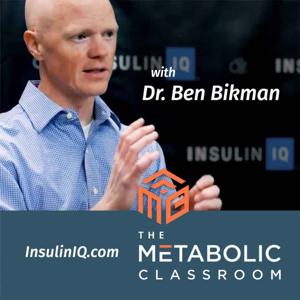
In the recording of today’s livestream episode of The Metabolic Classroom, Dr. Ben Bikman explores glucosamine’s impact on both joint and metabolic health.
Glucosamine, commonly used as a supplement to alleviate joint pain, especially in osteoarthritis, is an amino sugar that plays a role in cartilage formation. However, its effectiveness in improving joint health is debated, with some studies suggesting modest benefits, while others find it no better than a placebo.
Dr. Bikman shifts the focus to glucosamine’s metabolic effects, explaining that due to its structural similarity to glucose, glucosamine can enter cells via glucose transporters, particularly GLUT1 and GLUT2. Once inside cells, glucosamine can contribute to the production of UDP-GlcNAc, a molecule that interferes with insulin signaling, potentially leading to insulin resistance and elevated blood glucose levels. This effect is particularly concerning for individuals with underlying insulin resistance or a family history of type 2 diabetes.
Ben refers to several studies, with most finding that glucosamine supplementation can impair insulin sensitivity and raise blood glucose levels in people with metabolic issues, while having little to no effect in metabolically healthy individuals.
Dr. Bikman concludes by advising that glucosamine may not be worth the risk for people with metabolic health concerns, while for those who are metabolically healthy, it is likely safe to use. However, he stresses the importance of monitoring blood glucose levels if taking glucosamine and suggests other strategies for improving joint health, such as improving insulin sensitivity and reducing uric acid levels.
Ben’s favorite meal-replacement shake: https://gethlth.com (discount: BEN10)
Ben’s favorite electrolytes (and more): https://redmond.life (discount: BEN15)
Ben’s favorite allulose source: https://rxsugar.com (discount: BEN20)
Ben’s favorite health check-up for women: https://choosejoi.co/drben15 (discount: DRBEN15)
Ben’s favorite health check-up for men: https://blokes.co/drben15 (discount: DRBEN15)
Ben’s favorite exogenous ketone: https://www.americanketone.com (discount: Ben10)
visit: https://www.insuliniq.com
References:
Due to character length constraints, references are not posted here. However, for a complete list, we respond quickly. Please email: [email protected] with your request, and be sure to mention which Metabolic Classroom episode you are referring to, which in this case is “Episode 75 - Glucosamine and Metabolic Health: What You Need to Know.”
#Glucosamine #MetabolicHealth #InsulinResistance #BloodSugar #JointPain #Osteoarthritis #DrBenBikman #CartilageHealth #GlucoseTransporters #HexosaminePathway #InsulinSensitivity #Supplements #HealthEducation #MetabolismMatters #ChronicDiseases #DiabetesPrevention #Inflammation #JointHealth #Hyperglycemia
Hosted on Acast. See acast.com/privacy for more information.
In this episode of The Metabolic Classroom, Dr. Ben Bikman explores the metabolic implications of hyperglycemia, the condition of elevated blood glucose levels. He focuses on both the chronic effects, like those seen in diabetes, and the acute effects of glucose spikes, even from short-term dietary indulgences. Hyperglycemia, while often linked to insulin resistance and diabetes, also has a range of other negative consequences that can manifest even with occasional spikes.
One of the key points Dr. Bikman discusses is the relationship between hyperglycemia and insulin. As glucose levels rise, insulin levels rise as well, which can lead to insulin resistance over time, forming a vicious cycle. He highlights studies showing that even a short-term increase in carbohydrate intake can significantly raise fasting insulin levels and triglycerides. These changes have direct consequences on metabolic health, including an increased risk for cardiovascular disease.
Dr. Bikman also explains how hyperglycemia leads to oxidative stress, causing the overproduction of reactive oxygen species (ROS). This oxidative stress can damage proteins, lipids, and even DNA within cells. It also contributes to the formation of advanced glycation end products (AGEs), which are harmful compounds formed when glucose binds irreversibly to proteins, fats, or DNA. These AGEs are linked to various diseases such as retinopathy, kidney disease, and atherosclerosis.
The lecture further explores how hyperglycemia damages the endothelium (the inner lining of blood vessels) and degrades the glycocalyx, a protective gel-like layer on the endothelium. This damage increases the risk of cardiovascular disease by making blood vessels more prone to atherosclerosis. Additionally, high blood glucose levels lead to the glycation and oxidation of LDL cholesterol, making it more dangerous and likely to contribute to plaque formation in arteries.
Ben’s favorite meal-replacement shake: https://gethlth.com (discount: BEN10)
Ben’s favorite electrolytes (and more): https://redmond.life (discount: BEN15)
Ben’s favorite allulose source: https://rxsugar.com (discount: BEN20)
Ben’s favorite health check-up for women: https://choosejoi.co/drben15 (discount: DRBEN15)
Ben’s favorite health check-up for men: https://blokes.co/drben15 (discount: DRBEN15)
Ben’s favorite exogenous ketone: https://www.americanketone.com (discount: Ben10)
visit: https://www.insuliniq.com
References:
Due to character length constraints, references are not posted here. However, for a complete list, we respond quickly. Please email: [email protected] with your request, and be sure to mention which Metabolic Classroom episode you are referring to.
Hosted on Acast. See acast.com/privacy for more information.
This week, during the Metabolic Classroom lecture, Dr. Ben Bikman examines the metabolic consequences of medications used for mental health, such as antidepressants and anti-anxiety drugs. Ben highlights the close connection between mental health disorders like depression and anxiety with metabolic issues, particularly insulin resistance and type 2 diabetes. These medications, while effective for managing mental health symptoms, often lead to metabolic side effects such as weight gain and insulin resistance, complicating the relationship between mental and metabolic health.
Dr. Bikman reviews key neurotransmitters—serotonin, dopamine, and norepinephrine—that influence both mental and metabolic functions. Serotonin helps regulate mood and appetite but can promote fat accumulation and inhibit fat breakdown. Dopamine is associated with pleasure and reward systems but also plays a role in regulating energy expenditure and fat metabolism. Norepinephrine, closely related to adrenaline, is involved in the body’s stress response and can stimulate fat breakdown and thermogenesis.
The lecture then shifts to the metabolic effects of common mental health medications, such as SSRIs, tricyclic antidepressants, and antipsychotics. While these drugs can stabilize mood, they are often linked to significant metabolic disturbances, including weight gain, insulin resistance, and cravings for carbohydrate-heavy foods. Ben notes that these medications may exacerbate underlying metabolic issues, potentially worsening the mental health conditions they are meant to treat.
Dr. Bikman concludes by emphasizing the importance of addressing metabolic health when treating mental health disorders. He highlights the role of brain glucose hypometabolism, where insulin resistance in the brain may contribute to anxiety and depression. He suggests that improving metabolic health through approaches like ketogenic diets could potentially enhance mental health outcomes by better nourishing the brain and restoring neurotransmitter balance.
https://www.insuliniq.com
Ben’s favorite meal-replacement shake: https://gethlth.com (discount: BEN10)
Ben’s favorite electrolytes (and more): https://redmond.life (discount: BEN15)
Ben’s favorite allulose source: https://rxsugar.com (discount: BEN20)
Ben’s favorite health check-up for women: https://choosejoi.co/drben15 (discount: DRBEN15)
Ben’s favorite health check-up for men: https://blokes.co/drben15 (discount: DRBEN15)
References:
Due to character length constraints, references are not posted here. However, for a complete list, we respond quickly. Please email: [email protected] with your request, and be sure to mention which Metabolic Classroom episode you are referring to.
#MentalHealth #MetabolicHealth #Antidepressants #AnxietyMedications #WeightGain #InsulinResistance #DrBenBikman #MentalHealthMedications #DepressionTreatment #MetabolismMatters #HealthAndWellness #Neurotransmitters #Type2Diabetes #BrainHealth #SSRIs #Antipsychotics #FatMetabolism #MentalWellness #HealthyLiving #NutritionAndMentalHealth
Hosted on Acast. See acast.com/privacy for more information.
In this lecture, Dr. Ben Bikman explores liposuction, highlighting its popularity and effects on body fat. While body fat serves important functions like energy storage and hormone regulation, liposuction only removes subcutaneous fat, leaving visceral fat untouched. Dr. Bikman emphasizes that fat cell size, not total fat, is key to metabolic health, and larger fat cells can lead to insulin resistance.
Liposuction, though effective for quick fat removal, does not improve metabolic health or insulin sensitivity. Without lifestyle changes, patients often regain fat in different areas. He suggests that liposuction should be seen as a body contouring tool, not a health solution, but it may offer benefits for those with lipedema, improving pain and quality of life.
https://www.insuliniq.com
Ben’s favorite meal-replacement shake: https://gethlth.com (discount: BEN10)
Ben’s favorite electrolytes (and more): https://redmond.life (discount: BEN15)
Ben’s favorite allulose source: https://rxsugar.com (discount: BEN20)
Ben’s favorite health check-up for women: https://choosejoi.co/drben15 (discount: DRBEN15)
Ben’s favorite health check-up for men: https://blokes.co/drben15 (discount: DRBEN15)
Due to character length constraints, references are not posted here. However, for a complete list, we respond quickly. Please email: [email protected] with your request, and be sure to mention which Metabolic Classroom episode you are referring to.
Hosted on Acast. See acast.com/privacy for more information.
In this week’s episode of The Metabolic Classroom, Dr. Ben Bikman clarifies misconceptions about lactate metabolism, emphasizing that there is no lactic acid in the human body—only lactate.
He explains that lactate is the end product of non-oxidative glycolysis, produced when cells, particularly muscles and red blood cells, require quick ATP energy. Dr. Bikman highlights that lactate production occurs during high-intensity activities where energy demand exceeds the capacity of mitochondria to generate ATP efficiently.
Contrary to popular belief, lactate is not responsible for muscle soreness or fatigue.
Ben delves into the history of lactate research, mentioning key contributors like Otto Meyerhoff, who identified lactate as a product of anaerobic metabolism, and Carl and Gerty Cori, who discovered the Cori cycle. This cycle demonstrates how lactate is recycled by the liver into glucose, which can then be used by muscles for energy. Lactate, once considered a waste product, is now understood to be an essential substrate for gluconeogenesis.
Dr. Bikman introduces George Brooks' lactate shuttle theory, which reveals that lactate is a viable energy source that can be directly utilized by mitochondria for fuel. He explains that this discovery revolutionized the understanding of lactate, showing it can be oxidized within cells for energy production rather than merely being excreted as a waste product.
Dr. Bikman also discusses lactate’s potential in clinical contexts, such as traumatic brain injury (TBI) recovery, where lactate can serve as an alternative energy source for the brain when glucose metabolism is impaired. Moreover, he touches on how lactate influences fat cells, promoting mitochondrial uncoupling and aiding in fat burning, contributing to metabolic health. Ben suggests that continuous lactate monitoring could help identify mitochondrial dysfunction and predict type 2 diabetes risk.
https://www.insuliniq.com
00:00 - Introduction to Lactate Metabolism
01:09 - Lactic Acid vs. Lactate: Debunking the Myth
02:16 - Glycolysis and Lactate Production
04:23 - How Lactate is Produced in Muscles
06:23 - Red Blood Cells and Lactate
07:18 - History of Lactate Research: Otto Meyerhoff
09:40 - The Cori Cycle: Lactate Recycled into Glucose
13:54 - Lactate as a Viable Energy Source
15:55 - George Brooks' Lactate Shuttle Theory
18:44 - Lactate and Traumatic Brain Injury (TBI)
20:55 - Lactate’s Role in Fat Burning and Mitochondria
23:58 - Lactate in Clinical Contexts: Metabolic Health
25:09 - Continuous Lactate Monitoring and Mitochondrial Dysfunction
28:59 - Lactate as a Predictor of Type 2 Diabetes
29:59 - Conclusion: Lactate’s Critical Role in Health and Energy
Ben’s favorite meal-replacement shake: https://gethlth.com (discount: BEN10)
Ben’s favorite electrolytes (and more): https://redmond.life (discount: BEN15)
Ben’s favorite allulose source: https://rxsugar.com (discount: BEN20)
References:
Due to character length constraints, references are not posted here. However, for a complete list, we respond quickly. Please email: [email protected] with your request, and be sure to mention which Metabolic Classroom episode you are referring to.
Hosted on Acast. See acast.com/privacy for more information.
In today’s episode of The Metabolic Classroom, Dr. Ben Bikman delivers a lecture focusing on the drug rapamycin and its impact on longevity.
The primary discussion revolves around the role of the protein complex mTOR (mammalian target of rapamycin) in the body's aging process. While rapamycin is often touted as a drug that can inhibit mTOR and thereby promote longevity, Ben emphasizes that much of this belief is based on animal studies and lacks solid human evidence. The mTOR pathway is involved in cell growth and protein synthesis, particularly in muscle tissue, making its inhibition controversial when it comes to aging and muscle maintenance.
Dr. Bikman highlights that some research suggests reducing mTOR activity by lowering protein intake might promote longevity. However, he pointed out that for older populations, higher protein consumption is correlated with reduced mortality, particularly from animal protein sources. This is especially significant when considering muscle mass, which has been consistently linked to longer lifespan. Inhibiting mTOR might impair muscle growth and maintenance, making rapamycin problematic for those aiming to preserve muscle health as they age.
In addition to discussing the potential benefits of rapamycin, Ben underscores its negative side effects, including immune suppression, increased triglycerides (which elevate the risk of heart disease), and the inhibition of muscle protein synthesis. He also raises concerns about the drug’s ability to reduce testosterone levels and hinder reproductive health in both men and women. Given that reproduction is a key element of both evolutionary theory and many religious doctrines, Dr. Bikman questions the wisdom of using a drug that compromises reproductive function.
Dr. Bikman concludes by connecting the role of insulin to mTOR activation. He argues that insulin has a much stronger effect on mTOR than dietary protein does, and prolonged elevated insulin levels, common in modern diets, keep mTOR constantly active. This chronic activation of mTOR may hinder longevity more than protein intake or rapamycin inhibition.
Instead of relying on drugs like rapamycin, Ben suggests that reducing insulin levels through dietary interventions like fasting may be a more effective and natural way to manage mTOR activity and promote healthy aging.
https://www.insuliniq.com
My favorite meal-replacement shake: https://gethlth.com (discount: BEN10)
My favorite electrolytes (and more): https://redmond.life (discount: BEN15)
My favorite allulose source: https://rxsugar.com (discount: BEN20)
References:
Due to character length constraints, references are not posted here. However, for a complete list, we respond quickly. Please email: [email protected] with your request, and be sure to mention which classroom episode you are referring to.
#Longevity #Rapamycin #AgingScience #mTOR #Healthspan #Autophagy #MuscleHealth #BenBikman #MetabolicHealth #HealthyAging #AntiAging #FastingBenefits #InsulinResistance #ImmuneHealth #ProteinSynthesis #HeartHealth #TestosteroneHealth #ReproductiveHealth #ScientificResearch #MetabolismMatters #BenBikman #DrBenBikman
Hosted on Acast. See acast.com/privacy for more information.
In this episode of The Metabolic Classroom, Dr. Ben Bikman explores the topic of leaky gut syndrome, explaining how substances enter the body through the intestines and how the gut acts as a controlled gateway.
While nutrients like amino acids, glucose, and fats are transported through the intestinal lining via a process called transcellular transport, problems arise when the tight junctions between the cells weaken. This can lead to harmful substances, including large molecules and microbes, passing into the bloodstream in a process known as paracellular transport.
A key player in leaky gut syndrome is the molecule lipopolysaccharide (LPS), which comes from certain gut bacteria. Under normal conditions, LPS stays in the intestines and is expelled with waste, but when it enters the bloodstream due to leaky gut, it can trigger a chronic inflammatory response. This inflammation is linked to conditions like obesity, heart disease, and fatty liver disease. Bikman emphasized that even low levels of LPS in the blood can promote insulin resistance, further contributing to metabolic disorders.
Several dietary and environmental factors can compromise the integrity of the gut barrier. Ben highlights the negative impact of fructose, which weakens tight junction proteins and promotes oxidative stress. Polyunsaturated fats from refined seed oils and gluten, especially in people with sensitivities, can also increase intestinal permeability. Additionally, chronic stress and alcohol consumption were identified as contributors to leaky gut.
On a positive note, Dr. Bikman discusses strategies to improve gut health, such as consuming short-chain fatty acids (like butyrate), found in dairy and certain fibers. He also mentioned the potential benefits of saturated fats, particularly from dairy, which may promote gut healing. Lastly, Dr. Bikman shares the role of LDL cholesterol as a “scavenger” that helps remove harmful LPS from the blood, suggesting its misunderstood importance in immune health.
https://www.insuliniq.com
00:00 Introduction to Leaky Gut
01:52 How Substances Enter the Body Through the Gut
03:58 Structure and Function of the Gut Lining
07:07 Normal Transport vs. Leaky Gut Transport
09:23 The Role of LPS in Leaky Gut and Inflammation
11:41 How LPS Affects the Body
12:45 Low-Grade Systemic Inflammation
15:23 Cardiometabolic Consequences of Leaky Gut
18:52 Dietary Triggers of Leaky Gut: Fructose and Seed Oils
22:14 The Impact of Gluten and Stress on Gut Health
24:05 Strategies to Improve Gut Health
25:09 Short Chain Fatty Acids and Saturated Fats for Gut Healing
28:08 The Role of LDL Cholesterol in Gut Health
31:16 The Importance of Fiber and Probiotics
33:32 The Rare Sugar Allulose and Gut Integrity
35:23 Conclusion and Practical Takeaways
My favorite meal-replacement shake: https://gethlth.com (discount: BEN10)
My favorite electrolytes (and more): https://redmond.life (discount: BEN15)
My favorite allulose source: https://rxsugar.com (discount: BEN20)
Study references referred to are available upon request. Email: [email protected]
Hosted on Acast. See acast.com/privacy for more information.
This episode of The Metabolic Classroom focuses on a deeper understanding of insulin’s role in obesity, particularly through the lens of the fuel partitioning theory.
This theory suggests that the way the body allocates energy between burning and storing it significantly influences weight gain and overeating. With obesity affecting over 700 million people worldwide, Dr. Bikman emphasizes the importance of understanding the broader health implications, including increased risks for chronic diseases like heart disease, type 2 diabetes, and certain cancers. He also notes the economic burden, highlighting how our current view of obesity is failing to make meaningful improvements.
The lecture explores how the caloric view of obesity, which suggests that obesity is purely a result of consuming more calories than are burned, is overly simplistic. Dr. Bikman argues that hormonal influences, particularly insulin, are often overlooked in this view.
He draws from a recent publication, “Trapped Fat: Obesity Pathogenesis as an Intrinsic Disorder in Metabolic Fuel Partitioning,” which emphasizes that hormonal signals like insulin play a critical role in whether the body stores or burns energy. Dr. Bikman points out that historical perspectives on obesity used to focus on hormones, but the caloric theory gained dominance after World War II.
Through the discussion of various rodent models, such as the VMH lesion model and leptin-deficient animals, Dr. Bikman demonstrates how hormonal imbalances, particularly elevated insulin levels, can drive fat storage even in the absence of overeating. In these models, animals gain significantly more fat despite consuming the same number of calories as healthy controls. Dr. Bikman relates this to human analogs, like hypothalamic obesity and leptin resistance, explaining that these conditions similarly lead to obesity due to disrupted hormonal regulation, especially involving insulin.
The final part of the lecture touches on how energy homeostasis and insulin resistance differ in individuals predisposed to obesity. Ben stresses that addressing insulin levels should be the primary strategy for reversing obesity. He concludes by highlighting how controlling insulin can increase metabolic rate and fat burning, allowing the body to waste energy through ketone excretion. He advises that focusing on reducing insulin rather than cutting calories is a more effective approach to long-term weight loss and health improvement.
https://www.insuliniq.com
My favorite meal-replacement shake: https://gethlth.com (discount: BEN10)
My favorite electrolytes (and more): https://redmond.life (discount: BEN15)
My favorite allulose source: https://rxsugar.com (discount: BEN20)
References:
Trapped fat: Obesity pathogenesis as an intrinsic disorder in metabolic fuel partitioning:
https://pubmed.ncbi.nlm.nih.gov/38961319/
Hosted on Acast. See acast.com/privacy for more information.
In this episode of The Metabolic Classroom, Dr. Ken Berry and Dr. Ben Bikman discussed the critical role of endogenous insulin, the limitations of focusing solely on glucose levels, and the implications of common markers like A1C and uric acid in understanding metabolic health.
Dr. Berry began by highlighting how many primary care physicians misunderstand the function of beta cells in type 2 diabetes, often believing that these cells “burn out” and stop producing insulin. Dr. Bikman clarified that in true type 2 diabetes, beta cells do not fail entirely; instead, insulin production often remains high or slightly decreases, which is still significantly higher than normal.
The problem lies in the body’s insulin resistance, not a lack of insulin production. Dr. Bikman emphasized the importance of measuring fasting insulin levels early in a patient's metabolic health journey, noting that levels above 6 microunits/mL can indicate potential problems.
The conversation then shifted to the A1C test, a common marker used to assess blood glucose levels over time. Dr. Berry and Dr. Bikman discussed the limitations of A1C, particularly how it can be falsely elevated or decreased based on the lifespan of red blood cells. Longer-lived red blood cells can cause a falsely high A1C, even if glucose levels are normal, while short-lived red blood cells can lead to a falsely low A1C in the presence of hyperglycemia. Dr. Bikman suggested that while A1C has value, it should not be the sole marker for assessing metabolic health. He also pointed out that A1C does not account for the glycation caused by other sugars like fructose, which can lead to significant damage not reflected in A1C results.
Dr. Berry raised concerns about the carnivore community, where some individuals see their A1C levels rise despite a healthy diet. Dr. Bikman explained that this could be due to longer-lived red blood cells resulting from a nutrient-rich diet. He recommended the fructosamine test as a better indicator of glucose glycation in these cases. The discussion also touched on the lack of tests for fructose and galactose glycation, leaving healthcare providers blind to the potential damage caused by high fructose intake, especially from fruit juices.
The classroom discussion concluded with an exchange about uric acid, particularly its relationship with fructose metabolism. Dr. Bikman shared insights from his research showing that uric acid, which is produced during fructose metabolism, can contribute to insulin resistance and inflammation. However, he also noted that ketones, produced during a ketogenic diet, can inhibit the inflammation caused by uric acid, providing a potential explanation for why individuals on ketogenic diets may experience improved metabolic health despite elevated uric acid levels.
https://www.insuliniq.com
Learn more about Dr. Ken Berry: https://www.drberry.com/about
#InsulinResistance #Type2Diabetes #DrBenBikman #DrKenBerry #A1CTest #FastingInsulin #UricAcid #CarnivoreDiet #Fructose #MetabolicHealth #KetogenicDiet #Inflammation #BetaCells #Endocrinology #BloodGlucose #ProperHumanDiet #HealthLecture #MetabolicClassroom #BiomedicalScience #InsulinIQ
My favorite meal-replacement shake: https://gethlth.com (discount: BEN10)
My favorite electrolytes (and more): https://redmond.life (discount: BEN15)
My favorite allulose source: https://rxsugar.com (discount: BEN20)
Hosted on Acast. See acast.com/privacy for more information.
In this episode of The Metabolic Classroom, Dr. Ben Bikman explores the metabolic effects of estrogens, particularly their role in glucose metabolism.
Estrogens, mainly produced in the gonads, play a crucial role in regulating blood glucose by enhancing insulin sensitivity. Dr. Bikman explained that estrogens improve insulin signaling through pathways such as PI3 kinase and AKT, which are essential for glucose uptake in muscle and fat tissues. Additionally, estrogens activate AMP-activated protein kinase (AMPK), further promoting glucose uptake and maintaining healthy blood glucose levels.
Estrogens also suppress glucose production in the liver by inhibiting key enzymes involved in gluconeogenesis, helping to prevent excess glucose release into the bloodstream. In contrast, progesterone decreases insulin sensitivity and promotes insulin resistance, counteracting some of estrogen's beneficial effects. This hormonal interplay affects glucose metabolism during the ovarian cycle, with estrogen-dominant phases being more favorable for glucose control.
During menopause, the significant drop in estrogen levels leads to increased insulin resistance and shifts in fat storage, often resulting in more central fat accumulation. While hormone replacement therapy (HRT) can mitigate some of these changes, it comes with risks that need careful consideration. Ben emphasizes the significant role of estrogens in glucose metabolism and their broader impact on metabolic health, especially in women.
https://www.insuliniq.com
01:19 - Overview of Estrogens and Progesterone
02:20 - Cholesterol as the Precursor to Sex Hormones
03:34 - The Role of Aromatase in Estrogen Production
04:32 - Understanding the Family of Estrogens
05:56 - Estrogens and Glucose Metabolism: Key Signaling Pathways
06:54 - Insulin Signaling Pathway Overview
08:57 - How Estrogens Enhance Insulin Sensitivity
10:04 - The Role of AMPK in Glucose Uptake
12:11 - Estrogens' Dual Mechanism in Regulating Glucose Levels
13:18 - The Impact of Estrogens on Liver Glucose Production
15:33 - Estrogens' Role in Suppressing Gluconeogenesis
17:07 - Why Women Have Lower Risk of Type 2 Diabetes
19:28 - Metabolic Effects During the Ovarian Cycle
21:54 - Progesterone’s Influence on Insulin Resistance and Fat Storage
25:16 - The Shift in Fat Storage Patterns Post-Menopause
26:16 - Hormone Replacement Therapy: Metabolic Considerations
PI3K activation leads to the phosphorylation of Akt, a key protein in glucose metabolism, which promotes the translocation of GLUT4 (glucose transporter type 4) to the cell membrane, facilitating glucose uptake into muscle and adipose tissue: https://www.sciencedirect.com/science/article/pii/S155041311930138X?via%3Dihub
AMPK acts as an energy sensor and helps maintain cellular energy balance, which is crucial in regulating glucose and lipid metabolism: https://link.springer.com/article/10.1007/s12013-015-0521-z
Progesterone increases blood glucose levels by enhancing hepatic gluconeogenesis. This effect is mediated by the progesterone receptor membrane component 1 (PGRMC1) in the liver, which activates gluconeogenesis pathways, leading to increased glucose production, especially under conditions of insulin resistance: https://www.nature.com/articles/s41598-020-73330-7
Hosted on Acast. See acast.com/privacy for more information.
From the publisher's feed
Hosted on Acast. See acast.com/privacy for more information.
Ranked by our users in the last 21 days

1,527 Listeners
775 Listeners

3,422 Listeners
9,165 Listeners
1,115 Listeners

133 Listeners
2,571 Listeners
1,089 Listeners

466 Listeners
845 Listeners
583 Listeners
443 Listeners
160 Listeners

1,190 Listeners

217 Listeners