
Sign up to save your podcasts
Or



Based on Podcast App listening data
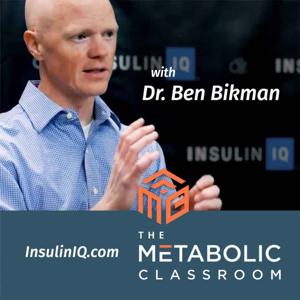
Dr. Ben Bikman, a biomedical scientist and professor of cell biology, discusses the phenomenon of anabolic resistance.
Anabolic resistance, primarily a problem associated with aging, refers to the reduced ability of muscles to synthesize protein in response to anabolic stimuli, such as protein intake and resistance exercise. This condition leads to a decline in muscle mass and function over time, contributing to a loss of physical capacity, increased risk of falls, and a greater dependency on others for daily living.
Dr. Bikman emphasizes the importance of muscle mass for overall health. Beyond physical function, muscle plays a crucial role in metabolic regulation, particularly glucose metabolism and insulin sensitivity. Muscle acts as a “glucose sink,” helping to regulate blood glucose levels and maintain insulin sensitivity. Therefore, maintaining muscle mass is vital for preventing metabolic disorders and enhancing longevity and health span.
Anabolic resistance is influenced by various age-related factors, including hormonal changes, reduced physical activity, insufficient protein intake, and chronic illnesses such as insulin resistance. The key intracellular signal involved in muscle protein synthesis is the mTOR1 pathway, which becomes less responsive with age and insulin resistance. Dr. Bikman also discusses the controversial use of rapamycin, a drug promoted by some longevity enthusiasts, which can inhibit mTOR1 and potentially exacerbate anabolic resistance and insulin resistance.
To combat anabolic resistance, Dr. Bikman highlights the importance of dietary and exercise interventions. Older adults require higher protein intake, particularly high-quality protein sources rich in leucine, to stimulate muscle protein synthesis effectively. Additionally, resistance exercise is crucial, with a focus on going to muscle fatigue to promote maximal muscle protein synthesis. Dr. Bikman stresses the need for older adults to prioritize resistance exercise over aerobic exercise to maintain muscle mass and function.
Dr. Bikman concludes by emphasizing the societal benefits of maintaining muscle mass and combating anabolic resistance. Strong, healthy, and independent individuals contribute to stronger communities and reduced economic burdens. By adopting proper dietary and exercise habits, individuals can improve their muscle health, enhance their quality of life, and increase their longevity.
https://www.insuliniq.com
01:08 - Defining Anabolic Resistance
02:15 - Impact of Aging on Muscle Protein Synthesis
03:15 - Role of Anabolic Stimuli in Muscle Growth
05:15 - Risks Associated with Loss of Muscle Mass
06:17 - Muscle's Role in Metabolic Health
07:19 - Muscle Mass and Longevity
10:24 - Age-Related Factors: Hormones and Physical Activity
11:10 - Biochemical Signaling and mTOR1 Pathway
13:28 - Controversy Around Rapamycin and Longevity
15:43 - Rapamycin's Impact on Muscle and Testosterone
17:42 - Nutrient Sensing and mTOR1 Activation
18:40 - Importance of Leucine in Protein Synthesis
19:54 - Hormonal Regulation of mTOR1
20:55 - Consequences of Anabolic Resistance
21:52 - Combating Anabolic Resistance: Dietary Strategies
24:05 - Importance of High-Quality Protein Sources
26:05 - Role of Resistance Exercise in Combating Anabolic Resistance
28:55 - Exercise Protocols for Older Adults
30:55 - Importance of Resistance Exercise Over Aerobic Exercise
32:55 - Conclusion and Societal Benefits of Muscle Health
References:
Due to character length constraints, references are not posted here. For a complete list, please email: [email protected] with your request.
Hosted on Acast. See acast.com/privacy for more information.
Dr. Ben Bikman, professor of cell biology and metabolic scientist, delivers a lecture on the importance of fermentation and fermented foods from a metabolic perspective. He began by defining fermentation as the metabolic process where bacteria convert carbohydrates into organic molecules, emphasizing that bacteria primarily consume carbohydrates, not fats or proteins. Fermented foods such as dairy, vegetables, and beverages like kombucha and kefir are common examples. Fermentation not only changes the taste and texture of these foods but also has significant metabolic impacts.
A key benefit of consuming fermented foods is the reduction in glycemic load, which helps control blood sugar and insulin levels. Dr. Bikman highlightes studies showing that fermented milk improves glycemic control and lipid profiles in people with type 2 diabetes. He pointed out the importance of choosing genuinely fermented products, such as real sourdough bread, which lower postprandial glucose levels compared to conventional bread.
Dr. Bikman also discussed the production of short-chain fatty acids (SCFAs) during fermentation, such as acetate, propionate, and butyrate. These SCFAs have multiple health benefits, including improving gut health by maintaining gut barrier integrity, promoting an anti-inflammatory environment, and feeding gut cells. Additionally, SCFAs enhance metabolic functions, such as stimulating mitochondrial biogenesis and improving insulin sensitivity, which are crucial for overall metabolic health.
Fermented foods also provide probiotics when consumed raw and unpasteurized. These beneficial bacteria can help balance the gut microbiota, improve digestion, and support immune function. Dr. Bikman emphasizes the importance of incorporating raw, fermented foods into the diet to reap these probiotic benefits.
Lastly, Dr. Bikman introduced the concept of antinutrients, naturally occurring compounds in plant-based foods that can interfere with nutrient absorption. He explained that fermentation helps reduce the levels of antinutrients such as phytic acid, lectins, oxalates, and tannins, thereby enhancing the bioavailability of essential nutrients. He concludes by encouraging the incorporation of fermented foods into the diet as part of a strategy to control carbohydrate intake and improve metabolic health.
https://www.insuliniq.com
01:00 – Overview of Fermentation
02:00 – Definition and Examples of Fermented Foods
04:00 – Benefits of Fermented Dairy: Kefir
06:00 – Fermented Foods and Glycemic Control
08:00 – Sourdough Bread vs. Conventional Bread
10:00 – Introduction to Short-Chain Fatty Acids (SCFAs)
12:00 – SCFAs and Gut Health
13:00 – SCFAs and Metabolic Benefits
15:00 – Probiotics in Fermented Foods
16:00 – Importance of Raw, Unpasteurized Fermented Foods
17:00 – Introduction to Antinutrients
18:00 – Examples of Antinutrients: Phytic Acid, Lectins, Oxalates, Tannins
20:00 – Fermentation's Role in Reducing Antinutrients
#FermentedFoods #MetabolicHealth #DrBenBikman #Fermentation #GutHealth #Probiotics #ShortChainFattyAcids #GlycemicIndex #InsulinResistance #Kefir #Sauerkraut #Kimchi #Kombucha #HealthyEating #NutritionScience #DiabetesManagement #AntiNutrients #HealthyGut #Mitochondria #InsulinIQ
My favorite meal-replacement shake: https://gethlth.com (discount: BEN10)
My favorite electrolytes (and more): https://redmond.life (discount: BEN15)
My favorite allulose source: https://rxsugar.com (discount: BEN20)
References:
(Due to character length constraints, references are not posted here. For a complete list, please email: [email protected] with your request.)
Hosted on Acast. See acast.com/privacy for more information.
In this episode of The Metabolic Classroom, Dr. Bikman introduces the concept of the Randle Cycle, also known as the glucose fatty acid cycle, in a lecture aimed at providing a better understanding of metabolism. The Randle Cycle, first identified by Dr. Philip Randle and his colleagues in the 1960s, explores how cells decide between using glucose or fatty acids for fuel. Dr. Bikman emphasized that this cycle has been misinterpreted on social media and aims to clarify its relevance in metabolic functions and nutritional decisions.
https://www.insuliniq.com
00:00 - Introduction to the Metabolic Classroom and Dr. Ben Bikman
01:00 - Overview of the Randle Cycle (Glucose Fatty Acid Cycle)
02:00 - Historical Background: Philip Randle’s Research
03:00 - Experimental Model: Perfused Rat Hearts
04:00 - Key Terms: Glucose and Fatty Acids
05:00 - Concept of Substrate Competition
06:00 - Reciprocal Inhibition: Fats vs. Glucose
08:00 - Fatty Acid Oxidation Process
10:00 - Biochemical Pathways: Acetyl-CoA, NADH, and Pyruvate Dehydrogenase
12:00 - Role of Citrate in Glycolysis Inhibition
14:00 - Glucose Utilization and Malonyl-CoA
16:00 - Insulin’s Role in Fuel Selection
18:00 - Insulin’s Impact on Glucose and Fat Burning
20:00 - Diabetes Case Study: Type 1 and Type 2
22:00 - Type 1 Diabetes: High Glucose and Fatty Acids
24:00 - Ketones Production in the Liver
26:00 - Type 2 Diabetes: Insulin Resistance and Metabolic Inflexibility
28:00 - Insulin Resistance in Fat Cells
30:00 - Metabolic Inflexibility in Type 2 Diabetes
32:00 - Insulin Resistance in the Brain
34:00 - The Impact on Hunger and Neurological Disorders
36:00 - Conclusion: Importance of Insulin in Metabolic Health
#Metabolism #RandleCycle #DrBenBikman #InsulinResistance #GlucoseMetabolism #FattyAcidOxidation #MetabolicHealth #DiabetesResearch #Ketosis #Type1Diabetes #Type2Diabetes #InsulinRole #CellBiology #NutritionalScience #MetabolicFlexibility #Ketones #GlucoseUtilization #FatBurning #BiomedicalScience #HealthLecture
My favorite meal-replacement shake: https://gethlth.com (discount: BEN10)
My favorite electrolytes (and more): https://redmond.life (discount: BEN15)
My favorite allulose source: https://rxsugar.com (discount: BEN20)
References:
https://www.sciencedirect.com/topics/biochemistry-genetics-and-molecular-biology/randle-cycle
Insulin Regulation of Ketone Body Metabolism: https://onlinelibrary.wiley.com/doi/10.1002/0470862092.d0308
The Effects of a Ketogenic Diet and Exercise Interventions on Cognitive Function: https://faseb.onlinelibrary.wiley.com/doi/10.1096/fasebj.31.1_supplement.lb810
(Due to character length constraints, not every reference is posted above. For a complete list, please email: [email protected] with your request.)
Hosted on Acast. See acast.com/privacy for more information.
Dr. Ben Bikman’s lecture on leptin, delivered in his Metabolic Classroom series, highlights the hormone's critical role in metabolism. Leptin, primarily produced by white fat tissue, helps regulate energy balance by signaling the brain to suppress appetite and promoting mitochondrial biogenesis in muscle cells. Leptin levels correlate with body fat, and various factors like insulin and TNF alpha influence its production. Insulin significantly stimulates leptin secretion, highlighting a complex interplay between these hormones.
Leptin resistance, a condition where the body fails to respond effectively to leptin despite high levels, is similar to insulin resistance and often occurs in individuals with higher body fat. This leads to compromised satiety signals, energy expenditure, and potential obesity. Dr. Bikman also explores leptin’s broader effects on reproductive health, thyroid function, immune function, vascular health, and bone formation. These diverse roles underline leptin's significance in the body.
A historical perspective reveals leptin’s discovery in 1994 by Dr. Jeff Friedman’s lab at Rockefeller University. They found that leptin played a crucial role in regulating body weight in mice. However, leptin injections in obese humans did not yield similar results, as most obese individuals already have high leptin levels, leading to the understanding that leptin resistance, not a lack of leptin, is the issue in obesity.
The lecture concludes with practical insights on addressing leptin resistance, emphasizing the importance of controlling blood glucose and insulin levels, particularly through low-carb diets. This approach helps reduce leptin levels and improve leptin sensitivity, offering a pathway to better metabolic health and weight control.
Hosted on Acast. See acast.com/privacy for more information.
Professor Ben Bikman discusses sarcopenic obesity, a condition involving obesity and muscle loss. This condition results from factors like sedentary lifestyles, aging, and metabolic disturbances. While obesity is common, sarcopenia typically affects the elderly, diseased, or very sedentary individuals. The combination of excessive fat and muscle loss makes sarcopenic obesity particularly challenging.
Dr. Bikman explains the crucial role of muscle in blood glucose regulation. Muscle mass reduction impairs glucose control, leading to higher blood sugar levels and increased insulin resistance. Even a short period of bedrest can significantly reduce muscle mass and insulin sensitivity. Inflammation from enlarged fat cells also contributes to muscle loss and insulin resistance, creating a vicious cycle.
Insulin resistance and sarcopenic obesity can both cause and result from each other. Insulin resistance impairs muscle protein synthesis and promotes fat cell growth, leading to further insulin resistance. Reduced muscle mass and increased fat cell size negatively impact metabolic health. Bikman stresses the importance of diet in managing sarcopenic obesity, advocating for a low-insulin diet by controlling carbs, prioritizing protein, and not fearing fats.
To combat sarcopenic obesity, Dr. Bikman recommends proper nutrition and resistance training. Reducing insulin levels helps preserve muscle mass and promote fat loss. Resistance exercise is more effective than aerobic exercise for improving metabolic health. Consistent exercise and a controlled diet can help individuals manage or prevent sarcopenic obesity and improve metabolic health.
[01:02] Understanding Fat Cell Size
[02:07] Prevalence and Impact of Sarcopenic Obesity
[05:02] Role of Muscle in Glucose Regulation
[07:12] Effects of Bedrest on Muscle and Insulin Resistance
[10:43] Insulin's Role in Muscle Protein Synthesis
[16:04] Inflammation and Insulin Resistance
[20:43] Sarcopenic Obesity Contributing to Insulin Resistance
[24:41] Consequences of Sarcopenic Obesity
[26:32] Solutions: Diet and Exercise for Sarcopenic Obesity
https://www.insuliniq.com
#MetabolicHealth #Sarcopenia #SarcopenicObesity #InsulinResistance #MuscleLoss #Obesity #HealthEducation #GlucoseControl #BloodSugar #InsulinSensitivity #MetabolicDisorders #HealthyAging #Inflammation #MuscleMass #FatLoss #NutritionTips #ExerciseScience #ResistanceTraining #LowCarbDiet #HealthTips #BenBikman #Metabolism #HealthyLifestyle #PreventDiabetes #FitnessEducation #DietAndExercise
Studies referenced found in YouTube show notes: https://youtu.be/iNmDbApK_FU
Hosted on Acast. See acast.com/privacy for more information.
In this episode of The Metabolic Classroom Dr. Ben Bikman focused on the effects of alcohol on insulin resistance, emphasizing how ethanol, the main form of alcohol, influences the brain and metabolism. He highlighted that alcohol is primarily metabolized by the liver and can cause insulin resistance through both direct and indirect mechanisms. Dr. Bikman detailed the molecular pathways by which ethanol inhibits insulin signaling, notably by disrupting the insulin receptor substrate (IRS1) and increasing oxidative stress, which impairs insulin's ability to regulate glucose.
Ben provided evidence from studies demonstrating ethanol's impact on insulin resistance at the cellular and whole-body levels. Research showed that ethanol consumption leads to higher insulin responses during glucose tolerance tests, indicating a reduced sensitivity to insulin. This phenomenon was observed in healthy humans who experienced a significant increase in insulin levels after consuming alcohol, suggesting a profound metabolic shift due to ethanol's presence.
The lecture also covered indirect effects of alcohol on insulin resistance. Many alcoholic beverages contain high amounts of sugar, exacerbating insulin and glucose responses. Alcohol disrupts sleep quality, leading to poor metabolic outcomes and increased cortisol levels, which further contribute to insulin resistance. Additionally, ethanol competes with other metabolic substrates, leading to fat accumulation in the liver and elevated glucose and fat levels in the body.
Dr. Bikman concluded by discussing the inflammatory response triggered by alcohol, particularly through the concept of a "leaky gut," where ethanol causes gaps in intestinal cells, allowing harmful substances like lipopolysaccharides (LPS) to enter the bloodstream and induce inflammation. This inflammation promotes ceramide production, further contributing to insulin resistance. Overall, Dr. Bikman emphasized the significant role of alcohol in metabolic health issues and encouraged mindfulness regarding alcohol consumption to mitigate these risks.
01:10 - Alcohol and Metabolism
02:18 - Direct Effects of Ethanol
03:26 - Insulin Receptor Disruption
06:38 - Whole-Body Impact
08:37 - Ceramides and Insulin Resistance
11:34 - Indirect Effects: Sugar
13:31 - Indirect Effects: Sleep
18:37 - Indirect Effects: Substrate Competition
23:34 - Inflammation and Leaky Gut
Studies Referenced:
(see notes on YouTube video: https://youtu.be/1aMuPTre1IU )
https://www.insuliniq.com
Hosted on Acast. See acast.com/privacy for more information.
In this episode of The Metabolic Classroom, Dr. Bikman, a biomedical scientist and professor of cell biology, delves into the concept of energy toxicity.
He begins by explaining that energy toxicity attempts to explain why certain cells, particularly those capable of storing energy like muscle and liver cells, become insulin resistant. The primary idea is that when these cells accumulate excess energy, particularly in the form of triglycerides, they become resistant to further energy storage by becoming insulin resistant. He clarifies that this is closely related to lipotoxicity, where the stored fat itself, rather than glycogen, is seen as the main culprit for this condition.
Ben notes that while the notion of energy toxicity encompasses both glucose and fats, triglycerides, a type of fat stored in muscle and liver cells, play a significant role. However, studies, such as one on endurance athletes, have shown that muscle triglycerides alone do not cause insulin resistance, leading to the concept of the “athlete’s paradox.”
Dr. Bikman further explores the biochemical pathways involved in insulin resistance, emphasizing that specific lipid intermediates, particularly diacylglycerols (DAGs) and ceramides, are more relevant than triglycerides in causing insulin resistance. DAGs disrupt the insulin signaling pathway by activating protein kinase C, while ceramides inhibit insulin signaling and affect mitochondrial function, increasing reactive oxygen species and contributing to insulin resistance.
Ben challenges the notion of energy toxicity as a primary cause of insulin resistance, advocating instead for a focus on lipotoxicity and its mediators. He concludes that chronically elevated insulin levels, rather than the stored energy itself, are the main drivers of insulin resistance, suggesting that the term “insulin toxicity” might be more appropriate. This understanding is crucial for addressing what he identifies as the most common health issue worldwide—insulin resistance.
01:16: Defining Energy Toxicity
02:58: Lipotoxicity vs. Energy Toxicity
06:20: Ectopic Fat Storage
08:20: Triglycerides in Muscle Cells
13:57: The Athlete's Paradox
17:11: DAGs and Insulin Resistance
19:26: Ceramides and Mitochondrial Function
29:21: Insulin and Lipolysis
33:59: High Insulin and Insulin Resistance
Studies Referenced:
A phenomenon known as the “athlete’s paradox”:
https://academic.oup.com/jcem/article/86/12/5755/2849249
https://www.sciencedirect.com/science/article/abs/pii/S0165614717300962?via=ihub
https://www.sciencedirect.com/science/article/pii/S0021925820859080?via=ihub
https://www.jci.org/articles/view/43378
#MetabolicHealth #InsulinResistance #EnergyToxicity #Lipotoxicity #BenBikman #CellBiology #Triglycerides #DiabetesResearch #FatMetabolism #EctopicFat #KetogenicDiet #InsulinSensitivity #MitochondrialFunction #MetabolicClassroom #HealthScience #BiomedicalResearch #Endocrinology #Metabolism #HealthEducation #Type2Diabetes
https://www.insuliniq.com
Hosted on Acast. See acast.com/privacy for more information.
In this episode of The Metabolic Classroom, Dr. Bikman begins by emphasizing the critical role of insulin in regulating the body’s use of fuel, and influencing whether nutrients are stored or burned.
He highlights that food is a primary driver of insulin levels, but other factors like stress and sleep deprivation significantly impact insulin resistance.
Stress, often exacerbated by poor sleep hygiene, leads to elevated levels of cortisol and epinephrine, which in turn increase blood glucose levels. Ben explains that going to bed on a full stomach can worsen sleep quality, further contributing to insulin resistance.
Dr. Bikman discusses a study showing that restricting sleep to five hours per night for a week resulted in significant increases in cortisol and epinephrine, along with a notable decrease in insulin sensitivity. This chronic elevation of stress hormones due to poor sleep disrupts the natural circadian rhythm, causing a constant high level of cortisol, which not only hampers insulin function but also damages muscle, bone, and skin by promoting the breakdown of proteins for glucose production.
Dr. Bikman advises improving sleep hygiene, such as reducing evening snacking and dimming lights, rather than relying on stimulants like caffeine, which can exacerbate cortisol levels and insulin resistance.
00:57 - Impact of Stress on Insulin Resistance
01:59 - Effect of Evening Eating on Sleep Quality
02:59 - Study on Sleep Restriction and Insulin Sensitivity
04:10 - Stress Hormones and Sleep Deprivation
07:53 - Circadian Rhythm Disruption
08:54 - Cortisol’s Broader Effects
10:45 - Advice on Improving Sleep Hygiene
Studies referenced in this episode:
https://diabetesjournals.org/diabetes/article/59/9/2126/14525/Sleep-Restriction-for-1-Week-Reduces-Insulin
https://pubmed.ncbi.nlm.nih.gov/20371664/
#InsulinResistance #MetabolicHealth #DrBenBikman #Nutrition #Health #SleepDeprivation #StressManagement #Hormones #Cortisol #HealthyEating #SleepHygiene #InsulinSensitivity #Glucose #CircadianRhythm #KetogenicDiet #DiabetesPrevention #HealthTips #Wellness #Caffeine #HealthyLifestyle
https://www.insuliniq.com
Hosted on Acast. See acast.com/privacy for more information.
In this episode of The Metabolic Classroom, Dr. Bikman explores the history, science, and benefits of ketones, focusing on exogenous ketones.
Ben highlights the significant benefits of ketones for brain health. He disputes the common belief that glucose is the brain’s preferred fuel, citing research by Dr. George Cahill that indicates the brain relies heavily on ketones during fasting.
The classroom also addresses the evolution and advantages of exogenous ketones. Early forms of exogenous ketones, like ketone salts, had limitations such as mineral imbalance and poor taste. Advances led to the development of ketone esters and bioidentical BHB, which are more effective and palatable. Exogenous ketones can help control appetite, reduce inflammation, and improve exercise performance. Despite initial concerns about their potential to be converted back into fat, Professor Bikman clarifies that this is not a risk, as the liver cannot reverse ketone production into fat.
Overall, Dr. Bikman emphasizes that while ketones themselves offer numerous metabolic benefits, the primary advantage of a ketogenic state is maintaining low insulin levels, which supports fat burning and overall metabolic health. He encourages the use of exogenous ketones to enhance these benefits, particularly for managing cravings, improving physical performance, and supporting cognitive function.
00:01 - Introduction to Ketones
01:58 - Types of Ketones - Explanation of the three main types of ketones: acetoacetate, acetone, and beta-hydroxybutyrate.
02:58 - Ketones and Blood Acidity - Discussion on how ketones can affect blood acidity and the distinction between ketosis and ketoacidosis.
04:04 - Insulin's Role in Ketone Production - How insulin levels determine whether the body produces fat or ketones from acetyl-CoA.
07:23 - Benefits of Low Insulin Levels - Overview of the metabolic benefits of low insulin levels, including improved fat burning and metabolic health.
08:19 - Ketones and Brain Health - The positive effects of ketones on brain function and cognitive health, debunking the myth that glucose is the brain's preferred fuel.
13:33 - Ketones and Physical Performance - Evidence that ketones improve physical performance and energy efficiency in muscle cells.
17:31 - Anti-inflammatory Effects of Ketones - Ketones’ role in inhibiting inflammation and their benefits for inflammatory disorders.
Studies Referenced:
Alzheimer’s and Parkinson’s (Cunnane et al., 2016): https://alzres.biomedcentral.com/articles/10.1186/s13195-021-00783-x
Ketones Elicit Distinct Alterations in Adipose Mitochondrial Bioenergetics: https://pubmed.ncbi.nlm.nih.gov/32872407/
Ketogenic Diet Reduces Midlife Mortality and Improves Memory in Aging Mice: https://pubmed.ncbi.nlm.nih.gov/28877458/
The Effects of Ketogenic Diet on Insulin Sensitivity and Weight Loss, Which Came First: The Chicken or the Egg?: https://pubmed.ncbi.nlm.nih.gov/37513538/
Learn more: https://www.insuliniq.com
Hosted on Acast. See acast.com/privacy for more information.
In this episode of The Metabolic Classroom, Dr. Ben Bikman challenges the traditional view that saturated fats are the primary cause of atherosclerotic plaques and heart disease. He asserts that while plaques, or atheromas, in coronary arteries are composed partly of fats and foam cells, the exact process of plaque formation remains speculative. Dr. Bikman emphasizes that anyone claiming to know the definitive cause of plaque formation is likely overstating their knowledge. Foam cells, which are fat-laden macrophages, play a critical role in plaque development and are consistently present at the sites of these plaques.
Dr. Bikman explains that inflammation is a significant factor in atherosclerosis, and C-reactive protein (CRP), a marker of inflammation, is a better predictor of heart disease than LDL cholesterol. He describes how macrophages engulf oxidized LDL cholesterol, turning into foam cells and secreting pro-inflammatory proteins like CRP. This process is driven by the presence of oxidized lipids, particularly those derived from omega-6 polyunsaturated fats such as linoleic acid, which are prevalent in modern diets due to the widespread use of vegetable oils.
Ben highlights several studies to support his argument. A notable study from 1979 by Brown and Goldstein showed that macrophages only consume LDL cholesterol when it is oxidized, not in its native form. Another study from 1998 found that oxidized LDL containing specific bioactive lipids, nine and 13 HODE, is particularly problematic. These oxidized lipids are derived from linoleic acid, not from saturated or monounsaturated fats. Moreover, historical dietary studies, such as the Minnesota Coronary Experiment and the Sydney Diet Heart Study, revealed that participants consuming more polyunsaturated fats had higher mortality rates than those consuming saturated fats.
To conclude, Dr. Bikman argues that the traditional belief that saturated fat causes heart disease is flawed. He points out that recent studies, including a correlational study published in the British Medical Journal, show that refined grains, not saturated fats, are more strongly linked to heart disease and overall mortality. He suggests that the real dietary culprit is the overconsumption of omega-6 polyunsaturated fats, particularly linoleic acid, found in processed foods. This shift in perspective underscores the importance of reevaluating dietary guidelines and focusing on the types of fats consumed.
#HeartHealth #SaturatedFat #Atherosclerosis #Inflammation #InsulinResistance #LDLCholesterol #OxidizedLDL #FoamCells #Macrophages #BenBikman #MetabolicHealth #CholesterolMyths #LinoleicAcid #PolyunsaturatedFats #DietaryFats #CardiovascularResearch
Studies referenced:
Binding Site on Macrophages that Mediates Uptake in Degradation by Brown and Goldstein (1979): https://academic.oup.com/clinchem/article/46/6/829/5641219
Oxidized LDL Regulates Macrophage Gene Expression (1998): You can find more details on this study in resources like ScienceDirect and Cell Journal (you may need specific access or subscriptions to retrieve full texts).
Strong Increase in Hydroxy Fatty Acids Derived from Linoleic Acid in Human Low-Density Lipoproteins of Atherosclerotic Patients (1998): https://www.sciencegate.app/document/10.1016/s0009-3084(97)00095-9
Learn more: https://www.insuliniq.com
Hosted on Acast. See acast.com/privacy for more information.
From the publisher's feed
Hosted on Acast. See acast.com/privacy for more information.
Ranked by our users in the last 21 days

1,527 Listeners
775 Listeners

3,422 Listeners
9,165 Listeners
1,115 Listeners

133 Listeners
2,571 Listeners
1,089 Listeners

466 Listeners

845 Listeners
583 Listeners
443 Listeners
160 Listeners

1,190 Listeners

217 Listeners