
Sign up to save your podcasts
Or

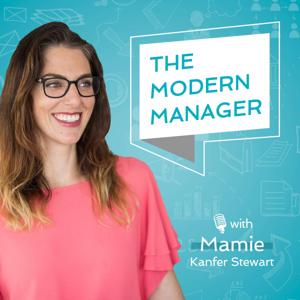


Based on Podcast App listening data
Organizations have up to five generations in the workplace, yet most people tend to congregate with others of the same generation. Even more problematic is the fear that sharing knowledge or making introductions for colleagues will somehow negatively impact one’s own career. As a manager, it’s your job to create an atmosphere of open dialogue where everyone can learn from one another, regardless of age.
Phyllis Weiss Hazero is the foremost workplace expert on cross-generational dialogue at work. Her newest book You Can’t Google it! The Compelling Case for Cross-Generational Conversation at Work explores generational challenges and opportunities. Phyllis is President of Practice Development Counsel, a business development and organizational effectiveness consultancy, as well as a speaker and blogger on intergenerational relations issues.
Phyllis and I talk about the importance of building relationships across generational cohorts and how you can help create a culture of dialogue. We discuss various alternatives to traditional measures of age, mutual-mentoring, and how to open a conversation with someone you’d like to teach or learn from.
Read the related blog article: Create a Culture of Cross-Generational Dialogue at Work
Join the Modern Manager community (www.mamieks.com/join) to get two digital downloads on cross-generational dialogue at work -- 10 Tips for Achieving a Culture of Generational Inclusion, Engagement and Belonging and How to Maximize Cross-Generational Working Relations with Conversations Each Generation Wants to Have.
If you work for a nonprofit or government agency, email me at [email protected] for 20% off any membership level.
Register for my course on delegation: Make More Time: Everything a manager needs to know to delegate successfully. Registration closes January 10, 2020. Early bird pricing ends December 31, 2019.
Members of The Modern Manager community get 10% off!
Subscribe to my newsletter to get episodes, articles and free mini-guides delivered to your inbox.
Help me write my new book! I’m researching what makes a manager great to work for. Share your story and experience at www.managerialgreatness.com Help spread the word, too! Share the link with friends and colleagues.
KEY TAKEAWAYS
KEEP UP WITH PHYLLIS
email: [email protected]
website: youcantgoogleit.com
Linkedin: http://www.linkedin.com/in/pwhaserot
Twitter: @phylliswhaserot
YouTube channel: https://www.amazon.com/You-Cant-Google-Cross-Generational-Conversation/dp/1683505816/ref=sr_1_1
Why are big tech companies so successful? It’s not just that they create amazing products leveraging the newest technology. According to this week’s guest, it’s how they approach their work by focusing on continuous customer engagement and measuring outcomes. Even if you’re a service business, or an HR team inside a manufacturing company, or a small business retailer, we can all improve when we measure outcomes instead of outputs.
Jeff Gothelf. Jeff helps organizations build better products and executives build the cultures that build better products. He is the co-author of the award-winning book Lean UX and the Harvard Business Review Press book Sense & Respond. Jeff works as a coach, consultant and keynote speaker helping companies bridge the gaps between business agility, digital transformation, product management and human-centered design. Most recently Jeff co-founded Sense & Respond Press, a publishing house for practical business books for busy executives.
Jeff and I talk about how every team can benefit from managing themselves as if they were a technology company. He explains how to be in continuous conversation with your customers no matter who you define as your customers, so you can always be learning and improving. And we talk about how to shift the mindset and measurements of success from outputs to outcomes and why this is so critical for long term success.
Read the related blog article: Outputs or Outcomes: Measuring What Matters
Join the Modern Manager community (www.mamieks.com/join) to get a free digital copy of Jeff’s latest book: Lean Vs Agile Vs Design Thinking to members of The Modern Manager community. -- This short, tactical book reconciles the perceived differences in Lean Startup, Design Thinking, and Agile software development by focusing not on rituals and practices but on the values that underpin all three methods.
If you work for a nonprofit or government agency, email me at [email protected] for 20% off any membership level.
Register for my course on delegation: Make More Time: Everything a manager needs to know to delegate successfully. Registration closes January 10, 2020. Early bird pricing ends December 31, 2019. Get a special bonus PDF “5 Common Mistakes to Avoid When Delegating” for free when you sign up before December 20th.
Members of The Modern Manager community get 10% off!
Subscribe to my newsletter to get episodes, articles and free mini-guides delivered to your inbox.
Help me write my new book! I’m researching what makes a manager great to work for. Share your story and experience at www.managerialgreatness.com Help spread the word, too! Share the link with friends and colleagues.
Key Takeaways:
KEEP UP WITH JEFF
Twitter: @jboogie
Publishing Company: https://www.senseandrespondpress.com/
We all have moments when we get in our own way. Our conscious mind is saying “this is what I want” but our subconscious mind is saying “actually...I don’t think so.” This result is a confusing mess of self-sabotaging behaviors.
David Neagle is the founder of the multimillion-dollar global coaching company Life Is Now, Inc, helping thousands of entrepreneurs, experts and self-employed professionals gain the confidence and find the right mindset to increase their revenue, turning their endeavors into seven- and eight-figure ventures. He is also the bestselling author of The Millions Within, a book focusing on intention, focus and awareness to build your dream business and life.
David and I talk about how self sabotaging works, why we self-sabotage, how to overcome your own tendencies to self-sabotage, and how to talk with your team about their self-sabotaging.
Read the related blog article: Why We Self-Sabotage and What We Can Do About It
Join the Modern Manager community (www.mamieks.com/join) to get David’s course The Art of Success for free. The Art of Success is truly a tool of self-empowerment like none other. It teaches you exactly HOW to rise above your circumstances and live a stronger, more liberated, more fulfilling life.
If you work for a nonprofit or government agency, email me at [email protected] for 20% off any membership level.
Subscribe to my newsletter to get episodes, articles and mini-guides delivered to your inbox: mamieks.com/join.
Register for my course on delegation: Make More Time: Everything a manager needs to know to delegate successfully. Registration closes January 10, 2020. Early bird pricing ends December 31, 2019. Get a special bonus PDF “5 Common Mistakes to Avoid When Delegating” for free when you sign up before December 20th.
Members of The Modern Manager community get 10% off!
Subscribe to my newsletter to get episodes, articles and free mini-guides delivered to your inbox.
Key Takeaways:
KEEP UP WITH DAVID
Podcast: The Successful Mind Podcast
Website: www.davidneagle.com
Instagram: https://www.instagram.com/david_p_neagle/
Facebook: https://www.facebook.com/DavidNeagleCommunity
Delegation is a critical skill for any manager, but did you know it’s also a mindset? Many of us have had less than ideal experiences delegating in the past, making us weary of trying again. It’s almost impossible to delegate successfully if deep down, you don’t believe it will work out. It’s time for a shift in mindset.
In this episode, I talk through three common fears around delegating (which I’ve personally experienced and heard from other managers) and how to shift your approach so you can move past these excuses and prepare to delegate effectively.
The full episode guide includes an overview of the 5 common fears, questions for reflection and recommendations for how to move past your concerns. Get it when you join the Modern Manager community or purchase the full guide individually at www.mamieks.com/store.
Get the free mini-guide for this episode at www.mamieks.com/miniguides.
Register for my course on delegation: Make More Time: Everything a manager needs to know to delegate successfully. Registration closes January 10, 2020. Early bird pricing ends December 31, 2019. Get a special bonus PDF “5 Common Mistakes to Avoid When Delegating” for free when you sign up before December 20th.
Members of The Modern Manager community get 10% off!
Subscribe to my newsletter to get episodes, articles and free mini-guides delivered to your inbox.
Read the related blog article: Prepare Your Mind to Delegate Successfully
Key Takeaways:
Additional Resources:
Being a manager is tough. Being a new manager is really tough, even if you’ve done it before in another company or with another team. There are a few things you can do to start off strong whenever you’re taking on a new managerial role. But we can all learn from these lessons whether you’re brand new or have been with the same team for years.
John Murphy is the author of 10 Key Traits of Top Business Leaders and creator of the First 100 Days Plan course for new managers. He is an internationally successful coach, author and speaker. He began his corporate career as a salesman and progressed to being CEO of a Pan European Group. 15 years ago, he set up John Murphy International to help business owners, senior executives and management teams deliver what they are capable of. John has worked with global companies like Pfizer, Airbus, Johnson & Johnson and Vodafone.
John and I start our conversation talking about the mindset of a successful manager and servant leadership, and then we hit a twist and transition into the topic of critical things to do as a new manager to set yourself and your team up for success.
Read the related blog article: Move From Individual Contributor To Effective Manager
Join the Modern Manager community (www.mamieks.com/join) to get a digital copy of John’s book: 10 Key Traits of Top Business Leaders. Plus, get access to dozens of other guest bonuses and episode guides when you join.
If you work for a nonprofit or government agency, email me at [email protected] for 20% off any membership level.
Subscribe to my newsletter to get episodes, articles and mini-guides delivered to your inbox: mamieks.com/join.
I’m interested in hearing about your experience working for a rockstar manager. Please share your story at www.managerialgreatness.com
KEY TAKEAWAYS:
KEEP UP WITH JOHN
Course: https://www.first100daysplan.com/join
Linkedin:https://www.linkedin.com/in/johnmurphyinternational/
Twitter: https://twitter.com/jmicoaching
Facebook: https://www.facebook.com/JohnMurphyInternational/?ref=bookmarks
Website: http://www.johnmurphyinternational.com/
Fear is one of our most natural instincts. At its best, fear drives us to make good choices that preserve our safety and security, but at its worst, it inhibits us from taking risks and moving forward. After surveying more than 4,000 people, seven patterns of fear emerged. Knowing your fear pattern, and your colleagues', can help you all achieve your goals.
Ruth Soukup is a New York Times bestselling author dedicated to helping women overcome fear and create a life they love. Through her blog, Living Well Spending Less, which reaches more than 1 million women each month, she encourages her readers to follow their dreams and reach their goals. She is also the host of Do It Scared® podcast, the founder of the Living Well Planner® and Elite Blog Academy®, as well as the author of five bestselling books. Here newest book, Do It Scared®: Finding the Courage to Face Your Fears, Overcome Obstacles, and Create a Life You Love will be available in May 2019.
Ruth and I talk about the 7 fear archetypes each of which has strengths and struggles, we get into my fear archetype, which is a very common one, as well as specific things you can do to manage and reduce your fears. And, we get into how knowing your team members fear archetypes can help you be a better manager and so you can better support your team members.
Read the related blog article: Take Control and Conquer Your Fears
Join the Modern Manager community (www.mamieks.com/join) to get Ruth’s guide to picking an accountability partner that matches your Fear Archetype. So after you complete the free Fear Assessment, you can use the criteria to help pick an accountability partner that matches your archetype and is a good fit for your needs. Plus, get access to dozens of other guest bonuses and episode guides when you join.
If you work for a nonprofit or government agency, email me at [email protected] for 20% off any membership level.
Subscribe to my newsletter to get episodes, articles and mini-guides delivered to your inbox: mamieks.com/join.
I’m interested in hearing about your experience working for a rockstar manager. Please share your story at www.managerialgreatness.com
KEY TAKEAWAYS:
KEEP UP WITH RUTH
Website:www.ruthsoukup.com
Book: https://doitscared.com/
Facebook: https://www.facebook.com/LivingWellSpendingLess/
Instagram: https://www.instagram.com/ruthsoukup/
Twitter: https://twitter.com/RuthSoukup|
Pinterest: https://www.pinterest.com/lwsl/
It’s that time of year again, when many of us begin thinking about what we’ve accomplished and where we’re headed - in business and in life. Using a structured process to help you reflect on the past year and plan for the next year creates a sense of accomplishment and momentum to move you into the future. Doing it as a team helps build relationships, increases morale, and offers opportunities to support one another.
Carey Jaros is Chief Operating Officer at GOJO Industries, inventor of PURELL® Instant Hand Sanitizer. Carey will become President and Chief Executive Officer on January 1, 2020. As an executive, board member, and investor, Carey has worked on and in over 50 organizations— from startups, to established public and private companies, to non-profits. She spent the first decade of her career at Bain & Company, before taking on progressive operating roles in several other companies.
Carey walks me through her end of year reflection process that she’s used for years with her teams. She explains the various sections, including exercises and objectives of each, so you can use this process with your team.
Read the related blog article: Engage Your Team in Purposeful Reflection and Planning
Join the Modern Manager community (www.mamieks.com/join) to get the worksheets Carey uses for each activity. Plus, get access to dozens of other guest bonuses and episode guides when you join.
If you work for a nonprofit or government agency, email me at [email protected] for 20% off any membership level.
Subscribe to my newsletter to get episodes, articles and mini-guides delivered to your inbox: mamieks.com/join.
I’m interested in hearing about your experience working for a rockstar manager. Please share your story at www.managerialgreatness.com
KEY TAKEAWAYS:
KEEP UP WITH CAREY
LinkedIn: https://www.linkedin.com/in/careyjaros/
Website: www.gojo.com
How often does your team talk about goals (or impact or accomplishments)? And how often do you talk about your values?
Too often team or organizational values are meaningless words on the wall (or website). Unless we intentionally take steps to bring these values, the beautifully crafted inspirational values will likely never become core to the culture.
In this episode, I talk through various strategies to help bring your values to life. I discuss how to translate values into norms or behaviors, how to incorporate values into your accountability systems, and how to modify your ways of working to reflect your values.
The full episode guide includes a sample agenda, activities, and examples to help your team translate it’s values into norms and incorporate them into your ways of working. Get it when you join the Modern Manager community or purchase the full guide at www.mamieks.com/store.
Get the free mini-guide at www.mamieks.com/miniguides.
Subscribe to my newsletter to get episodes, articles and free mini-guides delivered to your inbox.
Read the related blog article: How to Live Your Team Values Every Day
Key Takeaways:
Additional Resources:
Do you ever find yourself doing anything but what you should be? Are you highly creative, imaginative and loving? Does it ever seem like you’re too empathetic?
These are just a few characteristics of a highly sensitive person. Note: Being highly sensitive is not the same as being highly emotional. HSPs are more attuned to the world around them due to how their brain is wired. As you’ll soon learn, there are pros and cons to this ability.
Heather Dominick is the founder and leader of the Highly Sensitive Entrepreneur® movement. She has helped thousands of HSE®s release life-long limiting beliefs, overcome fears and learn how to build their business in a way that actually feels so good that they can’t help but create solid, sustainable, high level financial success.
Although Heather’s work has been primarily focused on entrepreneurs, the lessons and insights are relevant to managers and their direct reports, too. Heather and I talk about what it is to be a highly sensitive person, the shadows and strengths of HSEs, how to move from coping mechanisms to healthy behaviors, and how to identify if your colleague may be highly sensitive.
Read the related blog article: Embracing Your Strengths as a Highly Sensitive Manager
Join the Modern Manager community (www.mamieks.com/join) to get a discount on Heather’s course Business Miracles. Get access to dozens of other guest bonuses and episode guides when you join.
If you work for a nonprofit or government agency, email me at [email protected] for 20% off any membership level.
Subscribe to my newsletter to get episodes, articles and mini-guides delivered to your inbox: mamieks.com/join.
KEY TAKEAWAYS:
RESOURCES
KEEP UP WITH HEATHER
Instagram: www.instagram.com/bizmiracles
FaceBook: https://www.facebook.com/businessmiracles/
Twitter: https://twitter.com/ACIBMs
LinkedIn: https://www.linkedin.com/in/businessmiracles/
Website: www.BusinessMiracles.com
“Winners never quit and quitters never win.” Oh yah? Says who?
Dr. Stan Robertson is an author, coach and speaker, and has come to be known as “the quit doctor” because of his relentless determination to heal the world of the stigma and shame associated with the concept of quitting.
Dr. Stan and I talk about why quitting has a bad rap, when to quit and when not to, and how to quit successfully because quitting can be surprisingly difficult.
Read the related blog article: Time to Stop: Quitting Can Lead to Greater Success
Join the Modern Manager community (www.mamieks.com/join) to get a discount on Dr. Stan’s book Quit: The Last Principle of Success. Get access to dozens of other guest bonuses and episode guides when you join.
If you work for a nonprofit or government agency, email me at [email protected] for 20% off any membership level.
Subscribe to my newsletter to get episodes, articles and mini-guides delivered to your inbox.
KEY TAKEAWAYS:
Shout Out:
KEEP UP WITH DR. STAN
Website: http://thequitdoctor.com/
Book: https://drstan4.wixsite.com/website-1
From the publisher's feed
Ranked by our users in the last 21 days

1,157 Listeners

1,462 Listeners

688 Listeners

1,022 Listeners

93 Listeners

705 Listeners
97 Listeners
375 Listeners

126 Listeners
35 Listeners

563 Listeners

119 Listeners

674 Listeners

80 Listeners

161 Listeners