
Sign up to save your podcasts
Or

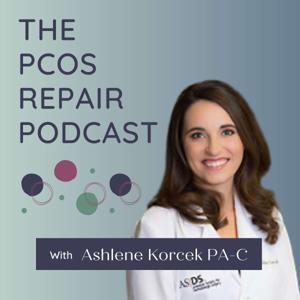


In this special PCOS Awareness Month episode of the PCOS Repair Podcast, Ashlene addresses one of the most common and painful experiences women with PCOS share: working hard, trying everything, and still not getting lasting results. This episode reframes that experience entirely. The issue is almost never effort. It is almost always missing context. When women understand the physiology connecting their symptoms, something fundamental shifts. Not just what they do, but how they feel about themselves and their body. This is a framework clarity episode designed to create emotional relief, physiological understanding, and genuine readiness for what comes next.
Why PCOS Advice Feels Confusing and Contradictory
Most PCOS advice is built in silos. Diet advice for weight. Supplement advice for cycles. Lifestyle advice for energy. But the body does not work in silos. Symptoms that seem unrelated are almost always connected through deeper physiological patterns. When advice treats them separately, results are partial at best and confusing at worst.
Women Are Missing Context, Not Effort
One of the most important reframes in this episode: women with PCOS are not failing because they haven't tried hard enough. They are missing the physiological context that would make their efforts land. Understanding that distinction changes everything about how women approach their health and how they relate to their own body.
How Symptoms Connect Through Physiology
Weight, fertility, cycles, cravings, mood, inflammation, and energy are not seven separate problems. They are seven expressions of the same underlying system under strain. This episode walks through the physiological connections between symptoms that most advice treats as unrelated, and explains why addressing root causes often creates shifts across multiple areas at once.
Why Generic PCOS Advice Often Fails
Generic advice is built for the average. But individual women have different physiology, different root causes, and different environments. When advice designed for the average is applied to a specific body, results are unpredictable. This episode explores why personalization is not optional and what it means to build support that's genuinely tailored to your body.
Understanding Metabolism and Hormones Together
Insulin signaling, stress hormones, thyroid function, and reproductive hormones do not operate independently. They communicate constantly. Understanding how they influence each other is the foundation of root-cause awareness and the key to why isolated symptom treatment so rarely produces lasting results.
Sustainable Hormone Support: What It Actually Looks Like
Sustainable support starts with curiosity rather than restriction, building a supportive environment rather than imposing a perfect protocol, and giving the body the consistency it needs to respond. This episode explores what it feels like to work with the body rather than against it and why that approach creates results that actually last.
PCOS Awareness Month: The Awareness That Matters Most
Real PCOS awareness is not just knowing the name of the condition. It is understanding it deeply enough to feel hopeful rather than overwhelmed. This episode is Ashlene's contribution to PCOS Awareness Month: a clear, grounded, emotionally intelligent case for why understanding the bigger picture changes everything.
Take the Root Cause Quiz
Learn more about the PCOS Root Cause Bootcamp
Let’s continue the conversation on Instagram!
What did you find helpful in this episode and what follow-up questions do you have?
The full list of Resources & References Mentioned can be found on the Episode webpage at:
https://nourishedtohealthy.com/ep-196
In this episode of the PCOS Repair Podcast, Ashlene introduces the four root cause categories that tend to drive PCOS symptom patterns. This is the framework episode that brings Root Cause Season together: a clear, empowering, and approachable introduction to insulin effect, stress response, inflammation, and hormone and nutrient disruption. If you've felt like your symptoms were random or contradictory, this episode provides the physiological context that makes them finally make sense. Most women have overlap between categories, and that's completely normal. The goal is clarity, not complexity.
Why Two Women With PCOS Can Feel Completely Different
PCOS describes a pattern of symptoms, not a single cause. The physiological drivers behind those symptoms differ from woman to woman, which is why generic advice so often misses the mark. This episode explains the four root cause patterns that tend to underlie most PCOS symptom presentations and why identifying yours creates a real roadmap for support.
Root Cause One: Insulin Effect
Insulin signaling influences blood sugar stability, energy patterns, androgen levels, and ovulation. When this system is under strain, symptoms often include strong cravings, energy crashes around meals, body composition challenges, and cycle irregularity. This root cause is highly responsive to lifestyle support and is one of the most well-researched in the PCOS space.
Root Cause Two: Stress Response
The HPA axis governs how the body manages stress, and chronic activation of this system can directly disrupt the hormonal signals that regulate ovulation and the menstrual cycle. Women whose PCOS is primarily stress-driven often notice cycle changes during demanding seasons, sleep disruption, and fatigue that sleep doesn't resolve. Adding intensity to an already strained system can deepen rather than resolve these patterns.
Root Cause Three: Inflammation
Chronic low-grade inflammation affects hormone production and signaling, ovarian function, and overall energy. It's closely connected to gut health, dietary patterns, and sleep quality, and often overlaps with other root causes. Women with inflammation-driven PCOS may notice reactive skin, digestive sensitivity, physical heaviness, and fatigue that feels systemic rather than simply tired.
Root Cause Four: Hormone and Nutrient Disruption
Specific nutrients are required for hormone synthesis, thyroid function, methylation, and ovulation. When those nutrients are depleted, hormonal balance is affected in ways that don't always show up clearly in standard testing. Thyroid function is also part of this category and frequently intersects with PCOS in ways that are underrecognized. This root cause responds well to targeted nutritional support and careful attention to hormonal markers.
Why Most Women Have Overlap Between Root Causes
The four root causes are not rigid silos. They influence each other and frequently co-exist. Recognizing yourself in more than one category is normal and expected. The goal is to identify which patterns are most prominent and begin there, building support that's genuinely tailored to your body rather than a generic protocol.
Understanding Physiology Reduces Overwhelm
The emotional shift that happens when women understand their root causes is one of the most consistent things Ashlene witnesses in this work. From confusion and frustration to clarity and direction. This episode is the beginning of that shift.
Links Mentioned in This Episode
Take the Root Cause Quiz
Learn more about the PCOS Root Cause Bootcamp
Let’s continue the conversation on Instagram!
What did you find helpful in this episode and what follow-up questions do you have?
The full list of Resources & References Mentioned can be found on theEpisode webpage at:
https://nourishedtohealthy.com/ep-195
Many women with PCOS are told their labs look normal while continuing to experience very real and persistent symptoms. In this episode we explore the important distinction between normal lab ranges, which are built around population averages designed to flag significant dysfunction, and optimal physiology, which is what actually supports hormone health, energy, cycle regularity, and overall wellbeing.
Insulin Resistance with Normal Glucose: The Most Common Missing Piece
Normal fasting glucose does not rule out insulin resistance. And for women with PCOS, this distinction is one of the most significant and most overlooked gaps in standard testing. In this episode we explain exactly how insulin resistance can develop and actively drive PCOS symptoms, including irregular cycles, acne, cravings, and weight changes, long before glucose breaks out of the normal range.
Symptoms and Hormone Signaling: Why the Body Speaks Before the Labs Do
Hormone signaling changes gradually over time. And symptoms often appear during the compensation phase, before dysfunction becomes obvious on a lab panel. In this episode we explore why symptoms are meaningful physiological data that deserve attention and context rather than dismissal.
Functional vs Conventional Perspectives on PCOS Testing
Standard lab panels are valuable tools. But they are designed for a specific purpose and have real limitations when it comes to catching early stage hormonal and metabolic dysfunction. In this episode we offer a balanced, nuanced perspective on the value and the limitations of conventional testing for women with PCOS.
Stress Physiology and What Basic Labs Often Miss
Cortisol dysregulation, adrenal strain, and early inflammatory load may not always show clearly on a basic lab panel. But they produce real, measurable symptoms in the women experiencing them. In this episode we discuss how stress physiology affects PCOS hormone health in ways that standard testing frequently underestimates.
Ovulation and Metabolism: What Cycle Changes Actually Communicate
The menstrual cycle is one of the most sensitive vital signs a woman has. Cycle irregularity or absence often reflects whole-body physiological stress long before other markers flag on a standard panel. In this episode we explore what cycle changes are actually communicating about metabolic and hormonal health.
Understanding Body Feedback: Why Physiological Literacy Changes Everything
Physiological literacy, the ability to read your own symptom experience as meaningful body feedback, is one of the most empowering tools a woman with PCOS can develop. In this episode we introduce what physiological literacy looks like in practice and why understanding your body's communication changes the entire healing experience.
You can take the quiz to discover your root cause here
Learn more about the PCOS Root Cause Bootcamp
Let’s continue the conversation on Instagram!
What did you find helpful in this episode and what follow-up questions do you have?
The full list of Resources & References Mentioned can be found on the Episode webpage at: https://nourishedtohealthy.com/ep-194
PCOS symptoms often feel like a random, disconnected collection of problems. But they are not random. They follow deeper physiological patterns connected through the same underlying root causes. In this episode we introduce the root cause framework and explain why understanding these patterns is the most clarifying and empowering shift a woman with PCOS can make in her healing journey.
Symptom Patterns: How to Read What Your Body Is Telling You
Acne, fatigue, cravings, irregular cycles, mood changes, and weight shifts are not separate problems requiring separate solutions. They are downstream expressions of the same physiological conversation. In this episode we walk through the most common symptom clusters and what they often point toward in terms of root cause physiology.
Personalised Hormone Support: Why Generic Advice Often Falls Short
Two women with the same PCOS diagnosis can have completely different symptom pictures and completely different support needs. Generic protocols are not necessarily wrong. They are missing the most important ingredient: context. In this episode we explore why personalised root cause understanding creates more sustainable, more effective, and more meaningful results than any one-size-fits-all approach.
Insulin and Stress Physiology: The Two Primary Root Cause Patterns
The most common root cause patterns in PCOS involve insulin resistance and metabolic dysfunction, adrenal and stress physiology, and inflammation. In this episode we explore how each pattern expresses itself in symptoms, how they interact, and why understanding which pattern is most dominant for your body creates genuine direction for support.
Why Generic PCOS Advice Fails and What to Do Instead
Cut gluten. No, carbs are fine. Take inositol. No, that is not for everyone. The conflicting advice women with PCOS encounter online is not all wrong. It is incomplete. In this episode we explain why generic PCOS advice so often creates confusion and what root cause understanding offers instead.
Understanding Hormone Communication Through a Root Cause Lens
Hormones communicate with the entire body through a complex network of feedback loops. When one part of that network is dysregulated, the effects ripple through multiple systems simultaneously. In this episode we explain how root cause patterns disrupt hormone communication and why addressing the root creates change across multiple symptoms at once.
Root Cause Framework: Understanding Patterns Not Labels
Root causes are not permanent identities or limiting labels. They are current physiological tendencies that shift as environments shift. In this episode we introduce root cause thinking as a framework for curiosity and empowerment rather than a new way to categorise or restrict yourself.
You can take the quiz to discover your root cause here
Learn more about the PCOS Root Cause Bootcamp
Let’s continue the conversation on Instagram!
What did you find helpful in this episode and what follow-up questions do you have?
The full list of Resources & References Mentioned can be found on the Episode webpage at:
https://nourishedtohealthy.com/ep-193
We are the first generation living with this level of constant connectivity, food abundance, chronic stimulation, and convenience. And our hormones, which were designed for a very different environment, are doing their best to adapt. In this episode we explore how modern life creates an enormous physiological load on the female body and why understanding that context changes everything about how women with PCOS approach their healing.
Stress Physiology and the Modern Female Nervous System
The female nervous system was designed for a rhythm of activation and recovery. Modern life has largely eliminated the recovery end of that rhythm. In this episode we explore how chronic low-grade stimulation keeps cortisol elevated, what that means for PCOS hormone health, and why so many capable, motivated women still feel like they are struggling despite doing everything right.
Overstimulation and Hormones: What Constant Connectivity Is Doing to PCOS
From social media to news cycles to work communication that extends into evenings and weekends, modern women are navigating an environment of near-continuous stimulation. In this episode we explain the direct connection between overstimulation, cortisol elevation, and PCOS symptoms including cycle disruption, cravings, exhaustion, and mood changes.
Food Environment and Metabolism: Why Blood Sugar Was Not Designed for 2026
The food environment of 2026, with its hyper-palatable, calorie-dense, constantly available options, creates a metabolic context that the human insulin response was never designed for. In this episode we explore how food abundance affects insulin signaling and PCOS hormone health and why cravings are a physiology problem rather than a willpower problem.
Nervous System Load and PCOS: The Missing Conversation
Women are carrying an enormous mental, emotional, and physiological load in modern life. And that load has direct consequences for PCOS hormones through the nervous system and stress physiology connection. In this episode we name what women are actually navigating and offer a compassionate, empowering reframe that removes blame and creates clarity.
Movement and Modern Routines: What Has Quietly Disappeared
Modern convenience has largely eliminated the incidental movement that used to be built into daily human life. And that reduction in consistent, low-level movement has real consequences for metabolism, insulin sensitivity, and cortisol regulation. In this episode we explore what has changed and what genuinely sustainable movement support actually looks like inside a modern lifestyle.
Hormone Support in Real Life: Creating a More Supportive Environment Without Fear
The goal of this episode is not to create fear about modern life but to create awareness and opportunity for intentional, supportive adaptation. In this episode we discuss what creating a more hormone-supportive environment actually looks like inside real modern life, without perfection, without rigidity, and without adding more pressure to an already full plate.
You can take the quiz to discover your root cause here
Learn more about the PCOS Root Cause Bootcamp
Let’s continue the conversation on Instagram!
What did you find helpful in this episode and what follow-up questions do you have?
The full list of Resources & References Mentioned can be found on the Episode webpage at:
https://nourishedtohealthy.com/ep-192
The question of whether PCOS can be reversed is one of the most commonly searched topics in women's hormone health. In this episode we move past both the hopeless narrative and the unrealistic cure culture claims to offer a grounded, honest, and genuinely hopeful answer. The body is adaptable. Symptoms can improve dramatically. And understanding the physiology behind that adaptability changes everything about how women approach their healing.
Hormone Adaptability: Why Your Hormones Are Not Permanently Stuck
Your hormones are not fixed, static things. They are dynamic systems in constant communication with your environment, your inputs, your stress load, your nourishment, and your nervous system state. In this episode we explain the mechanism behind hormone adaptability and why meaningful symptom improvement is a genuine physiological possibility for women with PCOS.
Ovulation and Cycle Improvement: What Is Possible Over Time
Ovulation is not a switch that is simply on or off. It is the downstream result of a complex hormonal conversation. And when the systems that influence that conversation, including insulin sensitivity, cortisol regulation, and inflammation, begin to be supported, the conversation often starts to go differently. In this episode we discuss what cycle and ovulation improvement can realistically look like for women with PCOS.
Metabolism and Hormone Signaling: The Environment Connection
Two women with the exact same PCOS diagnosis can have completely different symptom experiences because their environments are different. Their stress loads, nourishment, sleep quality, and nervous system states all influence how their shared genetic predisposition expresses itself. In this episode we explore how metabolism and hormone signaling are shaped by environment and what that means for healing.
Realistic Expectations for PCOS Healing
Healing with PCOS is rarely a straight line upward. It is gradual, non-linear, and often quiet in its early stages. In this episode we offer a realistic and compassionate picture of what the timeline of PCOS symptom improvement actually looks like, including the subtle signs of progress that women often overlook or dismiss.
Sustainable Healing Over Extreme Protocols
Extreme approaches can create short-term symptom shifts but rarely create the sustained environmental change that allows the body to genuinely adapt over time. In this episode we explore why sustainable, consistent, nourishing support creates different and more lasting results than extreme protocols, and what that sustainable approach actually looks like in practice.
Root Causes and Symptom Improvement: The Connection That Changes Everything
Understanding which root causes are most involved in driving your specific PCOS symptoms is the most direct path to knowing what to actually support. In this episode we discuss how root cause awareness transforms the healing approach from a generic protocol into a personalised, physiologically informed strategy that the body can actually respond to over time.
You can take the quiz to discover your root cause here
Learn more about the PCOS Root Cause Bootcamp
Let’s continue the conversation on Instagram!
What did you find helpful in this episode and what follow-up questions do you have?
The full list of Resources & References Mentioned can be found on the Episode webpage at:
https://nourishedtohealthy.com/ep-191
Cortisol is your primary stress hormone and for women with PCOS it affects far more than stress levels alone. In this episode we break down exactly what chronically elevated cortisol does to energy, cravings, cycle regularity, sleep quality, and weight regulation, and why managing cortisol is one of the most important and most overlooked aspects of PCOS hormone health.
Stress Physiology and Female Hormones: The Connection Worth Understanding
Your stress response system and your reproductive hormone system are not separate. They are in constant communication. When stress physiology is chronically activated, the downstream effects on PCOS symptoms are significant and far-reaching. This episode explains that connection in clear, accessible language that actually helps women understand what their body is doing and why.
The Nervous System and Metabolism: The Missing Piece in PCOS Healing
Your nervous system directly influences your metabolism. When it is in chronic stress mode, your body prioritises survival over hormone production, digestion, immune regulation, and cellular repair. This episode explores why nervous system health is one of the most important and most underappreciated foundations of PCOS healing.
Wired but Tired: The PCOS Experience Explained
The wired but tired experience, exhausted all day but unable to sleep at night, is one of the most commonly described experiences in women with PCOS. In this episode we explain exactly what is happening physiologically, including the cortisol rhythm disruption behind it, and what actually helps shift this pattern over time.
Exhaustion and Hormone Signaling: Why Tiredness Is Not a Character Flaw
Many women with PCOS blame themselves for their exhaustion. This episode reframes exhaustion as a physiological signal rather than a personal failing, validating the experience of chronic tiredness and offering a clear, compassionate explanation for what the body is actually communicating.
Sleep and Metabolism: Why Rest Is a Hormone Tool
Sleep is one of the most active and productive things a PCOS body can do. During deep, restorative sleep the body regulates cortisol, balances blood sugar, produces key hormones, and repairs tissue. In this episode we explore the direct impact of sleep disruption on PCOS symptoms and why prioritising sleep quality is one of the highest-leverage things women can do for their hormone health.
Recovery and Cycle Health: Why Rest Supports Hormonal Healing
Recovery is not passive. It is an active and essential part of hormone support for women with PCOS. This episode covers the practical recovery habits that genuinely support cortisol balance, nervous system health, and cycle regularity, including magnesium, morning sunlight, gentle movement, hydration, and reducing evening overstimulation.
Modern Stress and Female Hormones: Why PCOS Is on the Rise
Modern life creates a level of constant stimulation and stress that the female nervous system was not designed to sustain. This episode acknowledges the very real environmental and cultural pressures women are navigating and frames PCOS exhaustion within that broader context so women can stop blaming themselves and start understanding what their body actually needs.
You can take the quiz to discover your root cause here
Get your FREE PCOS Supplement Guide
Let’s continue the conversation on Instagram!
What did you find helpful in this episode and what follow-up questions do you have?
The full list of Resources & References Mentioned can be found on the Episode webpage at:
https://nourishedtohealthy.com/ep-190
The all-or-nothing cycle is one of the most common and most damaging patterns in PCOS healing. Women start strong, burn out, stop completely, feel guilty, and restart again. Over time this cycle erodes self-trust and makes genuine consistency feel impossible. In this episode we look honestly at why this happens and what actually breaks the pattern for good.
Overrestriction and PCOS: Why Cutting More Out Often Makes Things Worse
Restriction feels like control. But for women with PCOS, chronic under-eating and over-restriction create significant stress physiology that directly disrupts hormone signaling. This episode explores the mechanism behind why restriction backfires, including the cortisol and androgen connection, and what the body actually needs instead.
Stress Physiology and Hormone Health: The Connection Worth Understanding
Stress is not just an emotional experience. It is a physiological one with direct consequences for hormone health. In this episode we explore how chronic stress, whether from life circumstances or from an overly rigid wellness routine, activates the stress response in ways that amplify PCOS symptoms rather than supporting healing.
Your Nervous System and Your Hormones: Why Feeling Safe Matters
The nervous system and the endocrine system are in constant communication. When the nervous system is in chronic threat mode, the body prioritises survival over reproductive and metabolic hormone function. This episode explains why creating a sense of nervous system safety is not a soft concept but a genuine physiological requirement for hormone health.
Sustainable Hormone Support: What Gentle Healing Actually Looks Like
Sustainable PCOS healing is not about doing nothing. It is about doing the right things consistently in a way the body and real life can actually sustain. This episode offers a warm, grounded picture of what supportive healing looks and feels like in practice, including what to prioritise and what to let go of.
Cycle Loss from Overrestriction: Important Body Feedback Worth Understanding
Losing a menstrual cycle during a restrictive or high-stress protocol is one of the most significant signals a body can send. In this episode we discuss why this happens physiologically, what it means, and why the response it calls for is more support and nourishment rather than more restriction and effort.
Emotional Wellness and Hormone Health: The Piece Nobody Talks About
Guilt, shame, and fear around PCOS health habits are not neutral. They activate the stress response and make consistency genuinely harder over time. This episode validates the emotional experience of PCOS healing and offers a more compassionate, sustainable framework for moving forward.
Consistency Without Perfection: The PCOS Healing Approach That Actually Compounds
Small supportive habits done consistently over time create remarkable results. Not dramatic protocols done occasionally. This episode closes with a grounded, hopeful look at what real consistency looks like and why the gentlest approach is often the most powerful one over time.
You can take the quiz to discover your root cause here
PCOS Supplement Guide
Let’s continue the conversation on Instagram!
What did you find helpful in this episode and what follow-up questions do you have?
The full list of Resources & References Mentioned can be found on the Episode webpage at:
https://nourishedtohealthy.com/ep-189
The gap between receiving a PCOS diagnosis and actually understanding what it means is enormous. Most women leave their diagnosis appointment with very little explanation, guidance, or clarity about where to begin. In this episode we name that experience honestly, validate what so many women feel in those early days, and begin to fill the gap with the information that should have come at diagnosis.
Common Misconceptions About PCOS That Make Healing Harder
Many women arrive at their PCOS healing journey with beliefs that were never accurate to begin with. That PCOS is just an ovarian condition. That weight loss is the primary solution. That symptoms are separate problems requiring separate treatments. In this episode we address the most common misconceptions and reframe them with a more accurate and empowering understanding of what PCOS actually is.
Why PCOS Symptoms Are Connected Not Random
Acne, fatigue, irregular cycles, cravings, mood changes, and weight shifts are not separate problems. They are connected through the same underlying physiological drivers including insulin, cortisol, inflammation, and androgen production. This episode explains that connection in clear, accessible language that helps women finally make sense of their symptom picture.
Understanding Metabolism and Hormones After PCOS Diagnosis
PCOS is a metabolic and endocrine condition. Understanding what that means, how insulin communicates with the ovaries, how cortisol affects the cycle, and how inflammation amplifies symptoms, is the foundation of genuinely effective and sustainable healing. This episode builds that foundation in a warm, approachable, and hopeful way.
Reducing Confusion Around PCOS Healing
The internet offers an overwhelming amount of conflicting PCOS advice. Cut gluten. No, carbs are fine. Exercise more. No, that raises cortisol. In this episode we explain why most conflicting advice is not wrong exactly but incomplete, and offer a framework for understanding which approaches are relevant to your specific picture.
Sustainable Hormone Support After Diagnosis
Sustainable PCOS healing is built on understanding not on following rules. When women understand the why behind their symptoms and their healing choices, consistency becomes more natural and healing becomes more sustainable. This episode offers a gentle, grounded starting point for women who want to support their hormones without overhauling their entire lives.
Understanding Body Feedback and What Symptoms Are Communicating
Symptoms are not your body betraying you. They are your body communicating what it needs. In this episode we reframe the PCOS symptom experience as meaningful body feedback rather than failure, offering women a more compassionate and empowering lens through which to understand their healing journey.
You can take the quiz to discover your root cause here
Let’s continue the conversation on Instagram!
What did you find helpful in this episode and what follow-up questions do you have?
The full list of Resources & References Mentioned can be found on the Episode webpage at:
https://nourishedtohealthy.com/ep-188
For decades, Polycystic Ovary Syndrome has been the name attached to one of the most common hormonal conditions affecting women worldwide. But the name was always problematic. It pointed to the ovaries as the origin of the condition and created a widespread misunderstanding that led to missed diagnoses, fragmented treatment, and millions of women leaving their appointments with more confusion than clarity. In this episode we unpack exactly why the name failed women and what has finally changed.
PCOS Is Now Officially Called PMOS
The American Society for Reproductive Medicine has endorsed a new name for the condition previously known as PCOS. It is now called PMOS, Polyendocrine Metabolic Ovarian Syndrome. The name was developed through a global engagement process involving 56 patient organisations, a survey with 22,000 responses, and workshops with healthcare professionals and women with lived experience. Women with the condition were the biggest drivers of the change. This episode breaks down what the new name means and why every word in it matters.
Metabolism and Hormone Communication: The Real Story of PMOS
PMOS is not an ovary condition. It is a whole-body metabolic and endocrine condition. That distinction is everything. In this episode we explore how metabolism, insulin physiology, stress response, and hormone communication across the entire body are the real drivers of PMOS symptoms and why understanding this changes the entire approach to healing.
Insulin and Reproductive Hormones: The Connection Nobody Told You About
One of the most important and most overlooked pieces of the PMOS puzzle is the relationship between insulin and the ovaries. When insulin levels are chronically elevated, as happens with insulin resistance, it signals the ovaries to produce more androgens. Elevated androgens then drive a significant cluster of PMOS symptoms including acne, irregular cycles, hair changes, and weight regulation challenges. This episode explains that connection in clear, accessible language.
Why Your Symptoms Overlap and What That Actually Means
Acne. Fatigue. Cravings. Irregular cycles. Mood changes. Weight shifts. For women with PMOS these symptoms can feel random and disconnected. They are not. In this episode we walk through how every major PMOS symptom connects back to the same underlying physiological drivers and why understanding that connection is one of the most empowering things a woman with this condition can do.
Why Many Women Feel Confused After a PCOS Diagnosis
Being handed a diagnosis is not the same as being given an education. Most women with PCOS were told very little about what was actually happening in their bodies. Some were given the pill. Some were given a pamphlet. Many were referred to multiple specialists who each addressed one symptom without ever looking at the whole picture. This episode validates that experience and offers the explanation that should have come at diagnosis.
Understanding PMOS Beyond Cysts: A Whole Body Approach
Many women diagnosed with PCOS never had ovarian cysts at all. The diagnostic criteria includes three markers and only two are needed for diagnosis. Cysts are just one of those markers. This episode reframes PMOS as what it actually is: a polyendocrine metabolic condition that requires a whole-body, root-cause approach to genuinely support healing.
You can take the quiz to discover your root cause here
The PCOS Supplement Guide
Let’s continue the conversation on Instagram!
What did you find helpful in this episode and what follow-up questions do you have?
The full list of Resources & References Mentioned can be found on the Episode webpage at:
https://nourishedtohealthy.com/ep-187
From the publisher's feed
12,884 Listeners

11,785 Listeners
21,048 Listeners
1,106 Listeners
1,883 Listeners

14,747 Listeners

29,204 Listeners

1,102 Listeners
1,677 Listeners

19,254 Listeners

5,082 Listeners

176 Listeners

10,653 Listeners
3 Listeners
388 Listeners