The Science of Self
Download on the App Store

The Science of Self episodes

  • We Were Meant to Mingle
    Scientists discovered long ago that social animals have different (and bigger!) brains than animals that are solitary. In mammals especially, brain size correlates with complexity of social interaction. The reason is obvious: to understand another’s motivations, to develop language, to engage with others, to fight, to flirt, to gossip, to remember names, to negotiate—all of this takes considerable brain power. It goes the other way too: when a social animal like a human being is lonely or alienated, he suffers not just mentally, but physically. We evolved in a complex, social world of small groups, and to this day we function better when we have friends, romantic partners, and family members to share life with.
    Questions or comments regarding the podcast?
    Email the show at [email protected] or let us know what you think at http://bit.ly/hollinscomment
    Get the audiobook on Audible at http://bit.ly/brainboostblueprint
    Show notes and/or episode transcripts are available at https://bit.ly/self-growth-home
    Peter Hollins is a bestselling author, human psychology researcher, and a dedicated student of the human condition.
    Visit https://bit.ly/peterhollins to pick up your FREE human nature cheat sheet: 7 surprising psychology studies that will change the way you think.
    For narration information visit Russell Newton at https://bit.ly/VoW-home For production information visit Newton Media Group LLC at https://bit.ly/newtonmg
    #BrainBoostBlueprint #Loneliness #OscarYberra #Yberra #PeterHollins #TheScienceofSelf #WeWereMeanttoMingle #RussellNewton #NewtonMG
    Brain Boost Blueprint,Loneliness,Oscar Yberra,Yberra,Peter Hollins,The Science of Self,We Were Meant to Mingle,Russell Newton,NewtonMG
    9 min
  • Practice Being Uncomfortable For Long Term Rewards
    Finally, polymaths can be described as relentless. How else would you describe people with deep knowledge in multiple realms? Being relentless can be defined as overcoming obstacles and discomfort at all costs. And yet often, the only true cost is simply being uncomfortable. Polymaths have the utmost self-discipline because starting from ground zero, even if you are interested in a topic, is difficult, tiring, and can cause mass confusion. But that’s life. And being comfortable with this uncertainty is a skill that makes you relentless toward getting to point B.
    Questions or comments regarding the podcast?
    Email the show at [email protected] or let us know what you think at http://bit.ly/hollinscomment
    Hear it here - https://bit.ly/learnlikeapolymath
    Show notes and/or episode transcripts are available at https://bit.ly/self-growth-home
    Peter Hollins is a bestselling author, human ps ychology researcher, and a dedicated student of the human condition.
    Visit https://bit.ly/peterhollins to pick up your FREE human nature cheat sheet: 7 surprising psychology studies that will change the way you think.
    For narration information visit Russell Newton at https://bit.ly/VoW-home
    For production information visit Newton Media Group LLC at https://bit.ly/newtonmg
    #aurelius #MarcusAurelius #PracticeBeingUncomfortableForLongTermRewards #LearnLikeaPolymath #RussellNewton #NewtonMG #PeterHollins #TheScienceofSelf
    aurelius,Marcus Aurelius,Practice Being Uncomfortable For Long Term Rewards,Learn Like a Polymath,Russell Newton,NewtonMG,Peter Hollins,The Science of Self
    10 min
  • Adjust Your Psychology To Increase Self-Discipline And Kill Procrastination
    The final piece of the puzzle for greater self-discipline and sticking to your guns is to change your thoughts. Thoughts, of course, lead to behavior, and behavior is what we want to change in the end. In this chapter, we talk about three specific ways to change the way that you think about taking action versus lying on the couch.
    First, we come to the Ulysses pact, or as I would call it, coerced compliance. It’s the act of burning your bridges and not allowing yourself to make a detrimental choice in the heat of the moment or out of a lack of self-awareness. When you find that you have no choice, and you must actually sit with your thoughts and work through things, that’s just what you’ll do. There is no easier path of least resistance, and there is no escape. If you can smartly plan and make this choice beforehand using commitment devices such as the Ulysses pact, then you no longer have to exercise self-discipline per se.
    Practical Self-Discipline: Become a Relentless Goal-Achieving and Temptation-Busting Machine (A Guide for Procrastinators, Slackers, and Couch Potatoes) By Peter Hollins
    Get the audiobook on Audible at https://bit.ly/practicalselfdiscipline
    Show notes and/or episode transcripts are available at https://bit.ly/self-growth-home
    Peter Hollins is a bestselling author, human psychology researcher, and a dedicated student of the human condition.
    Visit https://bit.ly/peterhollins to pick up your FREE human nature cheat sheet: 7 surprising psychology studies that will change the way you think.
    For narration information visit Russell Newton at https://bit.ly/VoW-home
    For production information visit Newton Media Group LLC at https://bit.ly/newtonmg
    #ADHD #Circe #Homer #Kaizen #Leeds #Odyssey #RobLawlor #Ulysses #AdjustYourPsychologyToIncreaseSelf-DisciplineAndKillProcrastination #RussellNewton #NewtonMG #PeterHollins #TheScienceofSelf
    ADHD,Circe,Homer,Kaizen,Leeds,Odyssey,Rob Lawlor,Ulysses,Adjust Your Psychology To Increase Self-Discipline And Kill Procrastination,Russell Newton,NewtonMG,Peter Hollins,The Science of Self

    11 min
  • Construct Vivid Imagery to Concretize Abstract Concepts
    Emotion is a powerful information retention tool. This is because our brains are wired to prefer emotional, vivid, and outlier information. It helped keep us alive, it’s more engaging, and it just tends to stick more easily. Thus, if we can associate information with emotion, vivid imagery, memorable stories (of your own creation), then we stand a better chance of retaining. There are simply more subconscious hooks for our conscious brain to pluck information from our memory banks; emotion is a considerable hook.
    Hear it Here - https://bit.ly/neurolearninghollins
    Peter Hollins is a bestselling author, human psychology researcher, and a dedicated student of the human condition. Visit https://bit.ly/peterhollins to pick up your FREE human nature cheat sheet: 7 surprising psychology studies that will change the way you think.
    Questions or comments regarding the podcast?
    Email the show at [email protected] or let us know what you think at http://bit.ly/hollinscomment
    Show notes and/or episode transcripts are available at https://bit.ly/self-growth-home
    For narration information visit Russell Newton at https://bit.ly/VoW-home
    For production information visit Newton Media Group LLC at https://bit.ly/newtonmg
    #Dunlosky #JohnDunlosky #ConstructingVividImagery #NeuroLearning #RussellNewton #NewtonMG #PeterHollins #TheScienceofSelf
    Dunlosky,John Dunlosky,Constructing Vivid Imagery,NeuroLearning,Russell Newton,NewtonMG,Peter Hollins,The Science of Self
    13 min
  • Stack Strategically: Develop Personal Skills That Complement Each Other
    A major key is to have the skills be related. This means you shouldn’t just focus on your strengths, which oddly enough can hold you back. Take a look at the top performers in your field to see what various skill stacks they possess. When you know what you want to increase your proficiency in, it’s as easy as reading a couple of books or a few articles, attending a few lectures, and gaining some basic exposure. This alone will make you better informed and prepared than 90 percent of the general population—this positions you as an expert! This is using the concept of polymathy in the best way for your specific life circumstances.
    Hear it Here - https://bit.ly/polymathhollins
    Peter Hollins is a bestselling author, human psychology researcher, and a dedicated student of the human condition.
    Visit https://bit.ly/peterhollins to pick up your FREE human nature cheat sheet: 7 surprising psychology studies that will change the way you think.
    Questions or comments regarding the podcast?
    Email the show at [email protected] or let us know what you think at http://bit.ly/hollinscomment
    Show notes and/or episode transcripts are available at https://bit.ly/self-growth-home
    For narration information visit Russell Newton at https://bit.ly/VoW-home
    For production information visit Newton Media Group LLC at https://bit.ly/newtonmg
    #Polymath #Skill #Venn #PeterHollins #TheScienceofSelf #StackStrategically:DevelopPersonalSkillsThatComplementEachOther #RussellNewton #NewtonMG
    Polymath,Skill,Venn,Peter Hollins,The Science of Self,Stack Strategically: Develop Personal Skills That Complement Each Other,Russell Newton,NewtonMG
    9 min
  • The Don’T-Do List
    Related to this is the don’t-do list, also essentially seen in Q4 of the Eisenhower matrix. Most people know what they should be doing but not what they shouldn’t be doing. This is where you eliminate tasks that (1) are insignificant, (2) are a poor use of your time, (3) don’t help your bottom line or end purpose, and (4) have a serious case of diminishing returns the more you work on them.
    Practical Self-Discipline: Become a Relentless Goal-Achieving and Temptation-Busting Machine (A Guide for Procrastinators, Slackers, and Couch Potatoes) By Peter Hollins
    Get the audiobook on Audible at https://bit.ly/practicalselfdiscipline
    Show notes and/or episode transcripts are available at https://bit.ly/self-growth-home
    Peter Hollins is a bestselling author, human psychology researcher, and a dedicated student of the human condition.
    Visit https://bit.ly/peterhollins to pick up your FREE human nature cheat sheet: 7 surprising psychology studies that will change the way you think.
    For narration information visit Russell Newton at https://bit.ly/VoW-home
    For production information visit Newton Media Group LLC at https://bit.ly/newtonmg
    #Discipline #TheDon’T-DoList #PeterHollins #TheScienceofSelf #RussellNewton #NewtonMG
    Discipline,The Don’T-Do List,Peter Hollins,The Science of Self,Russell Newton,NewtonMG
    8 min
  • The Feynman Technique
    Self-explanation (elaborative interrogation) and the Feynman technique are the final tools for better information synthesis. When we are forced to try to explain concepts through self-inquiry, we will quickly discover what we do know and what we don’t know at all. These are called blind spots, and they are far more common than you might like to think. Can you explain why the sky is blue or how gravity works? Probably not off the top of your head, even though you think you understand those concepts. The Feynman technique is an offshoot of self-explanation that helps find blind spots as well, with an added component of using an analogy to explain what you think you know. This is probably the most powerful tool because it instantly makes you feel ignorant—a positive thing in the realm of learning.
    Hear it Here - https://bit.ly/neurolearninghollins
    Peter Hollins is a bestselling author, human psychology researcher, and a dedicated student of the human condition. Visit https://bit.ly/peterhollins to pick up your FREE human nature cheat sheet: 7 surprising psychology studies that will change the way you think.
    Questions or comments regarding the podcast?
    Email the show at [email protected] or let us know what you think at http://bit.ly/hollinscomment
    Show notes and/or episode transcripts are available at https://bit.ly/self-growth-home
    For narration information visit Russell Newton at https://bit.ly/VoW-home
    For production information visit Newton Media Group LLC at https://bit.ly/newtonmg
    #DavidGoodstein #Feynman #GreatExplainer #PrincetonUniversity #RichardFeynman #TheFeynmanTechnique #NeuroLearning #RussellNewton #NewtonMG #PeterHollins #TheScienceofSelf
    David Goodstein,Feynman,Great Explainer,Princeton University,Richard Feynman,The Feynman Technique,NeuroLearning,Russell Newton,NewtonMG,Peter Hollins,The Science of Self
    9 min
  • Technique 5: Use Dual Coding
    On the other hand, dual coding involves representing new information using both visual and text-based cues. Though some topics are tricky to portray using visual aids, we can make use of different tools such as mind maps, flow charts, etc., alongside simple written text. The aim is to give information more methods of sticking in your long-term memory.
    Rapid Knowledge Acquisition and Synthesis: How to Quickly Learn, Comprehend, and Apply, and Master New Information and Skills (Learning how to Learn Book 11)
    Get the audiobook on Audible at https://bit.ly/rapidknowledge
    Show notes and/or episode transcripts are available at https://bit.ly/self-growth-home
    Peter Hollins is a bestselling author, human psychology researcher, and a dedicated student of the human condition.
    Visit https://bit.ly/peterhollins to pick up your FREE human nature cheat sheet: 7 surprising psychology studies that will change the way you think.
    For narration information visit Russell Newton at https://bit.ly/VoW-home
    For production information visit Newton Media Group LLC at https://bit.ly/newtonmg
    #AllanPaivio #Coding #Paivio #PET #UniversityWesternOntario #Technique5:UseDualCoding #RussellNewton #NewtonMG #PeterHollins #TheScienceofSelf
    Allan Paivio,Coding,Paivio,PET,University Western Ontario,Technique 5: Use Dual Coding,Russell Newton,NewtonMG,Peter Hollins,The Science of Self

    14 min
  • The Social Brain
    Our identities do not come in a vacuum; we identify ourselves largely by our background, culture, and upbringing.
    These are all aspects of our social nature as humans: humans are social animals, and this means that other people are an essential part of our healthy functioning and happiness. This is no different for our brains.
    Sex has been shown to improve cognitive functioning as well as overall life satisfaction and happiness (no surprise on this one). But it’s a blurry assertion that the pure mechanical act of sex itself improves brain health—it is likely instead tied to the emotional, social bonding, and supportive aspects that often go hand-in-hand with sex. In any case, deny yourself of this natural and primal human urge to your detriment.
    Questions or comments regarding the podcast?
    Email the show at [email protected] or let us know what you think at http://bit.ly/hollinscomment
    Get the audiobook on Audible at http://bit.ly/brainboostblueprint
    Show notes and/or episode transcripts are available at https://bit.ly/self-growth-home
    Peter Hollins is a bestselling author, human psychology researcher, and a dedicated student of the human condition.
    Visit https://bit.ly/peterhollins to pick up your FREE human nature cheat sheet: 7 surprising psychology studies that will change the way you think.
    For narration information visit Russell Newton at https://bit.ly/VoW-home For production information visit Newton Media Group LLC at https://bit.ly/newtonmg
    #TheSocialBrain #RussellNewton #NewtonMG #PeterHollins #TheScienceofSelf
    The Social Brain ,Russell Newton,NewtonMG,Peter Hollins,The Science of Self

    9 min
  • Experimental
    Polymaths embody the beginner mindset, which is actually far more useful than the expert mindset. When you’re a beginner, you have ten times more questions than answers. And that’s a good thing. It makes you listen and question and dig deeper. Experts all too often fall into the trap of assuming they know too much, which inevitably causes blind spots. The beginner mindset should be applied in combination with critical thinking, and together they create a worthy line of inquiry.
    Polymaths have belief in themselves. Whether it is well-placed or delusional, they believe that they will reach their goal. Many people are their own worst enemies when it comes to learning. But this speaks to something even more fundamental: the belief of agency, or ability to act and achieve. This means that output equals input, within reasonable expectations. One cannot reach a goal if they don’t believe they are capable of it first.
    Questions or comments regarding the podcast?
    Email the show at [email protected] or let us know what you think at http://bit.ly/hollinscomment
    Hear it here - https://bit.ly/learnlikeapolymath
    Show notes and/or episode transcripts are available at https://bit.ly/self-growth-home
    Peter Hollins is a bestselling author, human ps ychology researcher, and a dedicated student of the human condition.
    Visit https://bit.ly/peterhollins to pick up your FREE human nature cheat sheet: 7 surprising psychology studies that will change the way you think.
    For narration information visit Russell Newton at https://bit.ly/VoW-home
    For production information visit Newton Media Group LLC at https://bit.ly/newtonmg
    #Experimental #LearnLikeaPolymath #PeterHollins #TheScienceofSelf #RussellNewton #NewtonMG
    Experimental,Learn Like a Polymath,Peter Hollins,The Science of Self,Russell Newton,NewtonMG
    14 min

About The Science of Self

From the publisher's feed

Despite so many studies being done on improving ourselves, it can be hard to find specific, actionable steps to make our lives better.

More shows like The Science of Self

Philosophize This! by Stephen West

Philosophize This!

15,235 Listeners

The Knowledge Project by Shane Parrish

The Knowledge Project

2,691 Listeners

The Art of Manliness by The Art of Manliness

The Art of Manliness

14,282 Listeners

The Psychology Podcast by Scott Barry Kaufman

The Psychology Podcast

1,798 Listeners

Speaking of Psychology by American Psychological Association

Speaking of Psychology

41 Listeners

Daily Boost — Motivation and Personal Growth by Scott Smith

Daily Boost — Motivation and Personal Growth

1,316 Listeners

How to Be Awesome at Your Job by How to be Awesome at Your Job

How to Be Awesome at Your Job

1,032 Listeners

Being Well with Forrest Hanson and Dr. Rick Hanson by Rick Hanson, Ph.D., Forrest Hanson

Being Well with Forrest Hanson and Dr. Rick Hanson

2,511 Listeners

Philosophy For Our Times by IAI

Philosophy For Our Times

314 Listeners

The Science of Happiness by PRX and Greater Good Science Center

The Science of Happiness

1,898 Listeners

The Daily Stoic by Daily Stoic | Backyard Ventures

The Daily Stoic

4,952 Listeners

The Anxious Achiever by Morra Aarons-Mele

The Anxious Achiever

565 Listeners

Deep Questions with Cal Newport by Cal Newport

Deep Questions with Cal Newport

1,345 Listeners

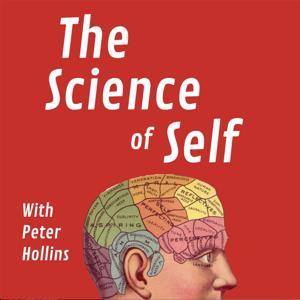
The Science of Self | Personal Development Podcast by Peter Hollins | Personal Development Author

The Science of Self | Personal Development Podcast

5 Listeners

Motivation Daily by Motiversity by Motiversity

Motivation Daily by Motiversity

2,001 Listeners