
Sign up to save your podcasts
Or

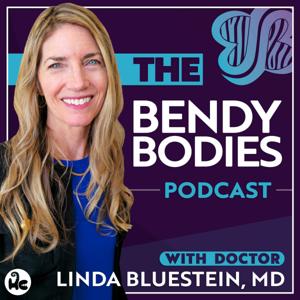

In this solo episode of the Bendy Bodies Podcast, Dr. Linda Bluestein dives deep into the complex world of hormones, menopause, and connective tissue disorders. She explores how estrogen, progesterone, and testosterone impact joint health, the benefits and risks of hormone replacement therapy (HRT), and why menopause can worsen EDS symptoms. Dr. Bluestein also breaks down gender-affirming hormone therapy, the role of mast cells in hormonal responses, and why some testosterone clinics may not have your best interests at heart. Whether you're considering HRT, navigating menopause with hypermobility, or wondering how hormones influence mast cells, this episode is packed with practical advice and science-backed insights.
Takeaways:
Hormones Affect Connective Tissue & Joint Stability – Estrogen, testosterone, and progesterone all influence collagen production, ligament strength, and tissue elasticity, which is why hormonal changes impact pain and mobility.
Menopause Can Worsen EDS Symptoms – The decline in estrogen post-menopause contributes to joint pain, fatigue, and increased injury risk, making HRT a potential tool for symptom management.
Testosterone Therapy Has Benefits & Risks – While testosterone can improve muscle mass, bone density, and fatigue, it must be monitored carefully to avoid cardiovascular risks, clotting issues, and hormone imbalances.
Be Cautious with Hormone Clinics – Some online or walk-in testosterone clinics prioritize sales over patient health, so always ensure proper lab testing and medical oversight before starting HRT.
Mast Cells Respond to Hormonal Changes – Hormones like estrogen and progesterone can trigger mast cell activation, impacting inflammation, pain, and allergic responses—especially in conditions like MCAS and POTS.
Connect with YOUR Hypermobility Specialist, Dr. Linda Bluestein, MD at https://www.hypermobilitymd.com/.
Find the transcript for this episode here.
Thank YOU so much for tuning in. We hope you found this episode informative, inspiring, useful, validating, and enjoyable. Join us on the next episode for YOUR time to level up your knowledge about hypermobility disorders and the people who have them.
Join YOUR Bendy Bodies community at https://www.bendybodiespodcast.com/.
Learn more about Human Content at http://www.human-content.com
Podcast Advertising/Business Inquiries: [email protected]
YOUR bendy body is our highest priority!
Keep up to date with the HypermobilityMD:
YouTube: youtube.com/@bendybodiespodcast
Twitter: twitter.com/BluesteinLinda
LinkedIn: linkedin.com/in/hypermobilitymd
Facebook: facebook.com/BendyBodiesPodcast
Blog: hypermobilitymd.com/blog
Part of the Human Content Podcast Network
Learn more about your ad choices. Visit megaphone.fm/adchoices
 View all episodes
 By Dr. Linda Bluestein

4.9
210210 ratings
In this solo episode of the Bendy Bodies Podcast, Dr. Linda Bluestein dives deep into the complex world of hormones, menopause, and connective tissue disorders. She explores how estrogen, progesterone, and testosterone impact joint health, the benefits and risks of hormone replacement therapy (HRT), and why menopause can worsen EDS symptoms. Dr. Bluestein also breaks down gender-affirming hormone therapy, the role of mast cells in hormonal responses, and why some testosterone clinics may not have your best interests at heart. Whether you're considering HRT, navigating menopause with hypermobility, or wondering how hormones influence mast cells, this episode is packed with practical advice and science-backed insights.
Takeaways:
Hormones Affect Connective Tissue & Joint Stability – Estrogen, testosterone, and progesterone all influence collagen production, ligament strength, and tissue elasticity, which is why hormonal changes impact pain and mobility.
Menopause Can Worsen EDS Symptoms – The decline in estrogen post-menopause contributes to joint pain, fatigue, and increased injury risk, making HRT a potential tool for symptom management.
Testosterone Therapy Has Benefits & Risks – While testosterone can improve muscle mass, bone density, and fatigue, it must be monitored carefully to avoid cardiovascular risks, clotting issues, and hormone imbalances.
Be Cautious with Hormone Clinics – Some online or walk-in testosterone clinics prioritize sales over patient health, so always ensure proper lab testing and medical oversight before starting HRT.
Mast Cells Respond to Hormonal Changes – Hormones like estrogen and progesterone can trigger mast cell activation, impacting inflammation, pain, and allergic responses—especially in conditions like MCAS and POTS.
Connect with YOUR Hypermobility Specialist, Dr. Linda Bluestein, MD at https://www.hypermobilitymd.com/.
Find the transcript for this episode here.
Thank YOU so much for tuning in. We hope you found this episode informative, inspiring, useful, validating, and enjoyable. Join us on the next episode for YOUR time to level up your knowledge about hypermobility disorders and the people who have them.
Join YOUR Bendy Bodies community at https://www.bendybodiespodcast.com/.
Learn more about Human Content at http://www.human-content.com
Podcast Advertising/Business Inquiries: [email protected]
YOUR bendy body is our highest priority!
Keep up to date with the HypermobilityMD:
YouTube: youtube.com/@bendybodiespodcast
Twitter: twitter.com/BluesteinLinda
LinkedIn: linkedin.com/in/hypermobilitymd
Facebook: facebook.com/BendyBodiesPodcast
Blog: hypermobilitymd.com/blog
Part of the Human Content Podcast Network
Learn more about your ad choices. Visit megaphone.fm/adchoices

773 Listeners

1,339 Listeners

177 Listeners
3,357 Listeners

9,216 Listeners

1,106 Listeners
351 Listeners

1,502 Listeners
308 Listeners
559 Listeners
232 Listeners

470 Listeners

116 Listeners
112 Listeners

43 Listeners
189 Listeners

258 Listeners

20 Listeners

23 Listeners

46 Listeners

13 Listeners

83 Listeners
82 Listeners

5 Listeners

122 Listeners

4 Listeners

13 Listeners

939 Listeners