
Sign up to save your podcasts
Or

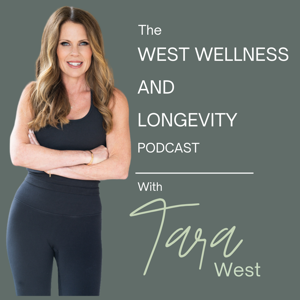

Today's discussion centers on the pitfalls of exercise and why many individuals struggle to see results despite their hard work. Overtraining syndrome, which can lead to persistent fatigue, irritability, and a lack of motivation, is a significant barrier to achieving fitness goals. The episode explores how excessive exercise can disrupt hormone levels, particularly in women, impacting energy, recovery, and overall well-being. Additionally, the relationship between diet and exercise is examined, emphasizing the importance of balanced nutrition for optimal performance and recovery. Tune in as we delve into practical strategies for finding the right balance between exercise intensity, recovery, and nutrition to enhance your fitness journey.
Takeaways:
West Wellness and Longevity Links
Study Links:
Nieman, D. C. (1994). Exercise, infection, and immunity. International Journal of Sports Medicine, 15(S3), S131-S141. https://doi.org/10.1055/s-2007-1021128
Pedersen, B. K., & Fischer, C. P. (2007). Physiological roles of muscle-derived interleukin-6 in response to exercise.Current Opinion in Clinical Nutrition and Metabolic Care, 10(3), 265–271. https://doi.org/10.1097/MCO.0b013e3282f3f81a
Mountjoy, M., et al. (2014). The IOC consensus statement: beyond the female athlete triad—Relative Energy Deficiency in Sport (RED-S). British Journal of Sports Medicine, 48(7), 491-497. https://doi.org/10.1136/bjsports-2014-093502
Van Cauter, E., et al. (2014). Sleep loss and the pathophysiology of insulin resistance. Journal of Clinical Endocrinology & Metabolism, 99(6), 2198–2207. https://doi.org/10.1210/jc.2014-1737
Szabo, A., et al. (2013). Exercise addiction in sportsmen. Psychology of Sport and Exercise, 14(4), 436-445. https://doi.org/10.1016/j.psychsport.2013.03.003
Malhotra, A., et al. (2015). It is time to bust the myth of physical inactivity and obesity: you cannot outrun a bad diet.Progress in Cardiovascular Diseases, 57(4), 322–329. https://doi.org/10.1016/j.pcad.2014.11.006
Ludwig, D. S., et al. (2002). The glycemic index: physiological mechanisms relating to obesity, diabetes, and cardiovascular disease. American Journal of Clinical Nutrition, 76(1), 274S–280S. https://doi.org/10.1093/ajcn/76.1.274
Ferguson, L. R., et al. (2017). Nutrigenomics, the microbiome, and gene-environment interactions for health.Nutrients, 9(11), 1133. https://doi.org/10.3390/nu9121133
Hansen, M., et al. (2005). The effect of sex hormones on skeletal muscle and their response to resistance exercise in women. Journal of Physiology, 567(2), 337-347. https://doi.org/10.1113/jphysiol.2005.091470
Julian, R., et al. (2021). The menstrual cycle and injury risk in female athletes. Sports Medicine, 51(3), 547–564. https://doi.org/10.1007/s40279-021-01416-0
 View all episodes
 By Tara West
5
4141 ratings
Today's discussion centers on the pitfalls of exercise and why many individuals struggle to see results despite their hard work. Overtraining syndrome, which can lead to persistent fatigue, irritability, and a lack of motivation, is a significant barrier to achieving fitness goals. The episode explores how excessive exercise can disrupt hormone levels, particularly in women, impacting energy, recovery, and overall well-being. Additionally, the relationship between diet and exercise is examined, emphasizing the importance of balanced nutrition for optimal performance and recovery. Tune in as we delve into practical strategies for finding the right balance between exercise intensity, recovery, and nutrition to enhance your fitness journey.
Takeaways:
West Wellness and Longevity Links
Study Links:
Nieman, D. C. (1994). Exercise, infection, and immunity. International Journal of Sports Medicine, 15(S3), S131-S141. https://doi.org/10.1055/s-2007-1021128
Pedersen, B. K., & Fischer, C. P. (2007). Physiological roles of muscle-derived interleukin-6 in response to exercise.Current Opinion in Clinical Nutrition and Metabolic Care, 10(3), 265–271. https://doi.org/10.1097/MCO.0b013e3282f3f81a
Mountjoy, M., et al. (2014). The IOC consensus statement: beyond the female athlete triad—Relative Energy Deficiency in Sport (RED-S). British Journal of Sports Medicine, 48(7), 491-497. https://doi.org/10.1136/bjsports-2014-093502
Van Cauter, E., et al. (2014). Sleep loss and the pathophysiology of insulin resistance. Journal of Clinical Endocrinology & Metabolism, 99(6), 2198–2207. https://doi.org/10.1210/jc.2014-1737
Szabo, A., et al. (2013). Exercise addiction in sportsmen. Psychology of Sport and Exercise, 14(4), 436-445. https://doi.org/10.1016/j.psychsport.2013.03.003
Malhotra, A., et al. (2015). It is time to bust the myth of physical inactivity and obesity: you cannot outrun a bad diet.Progress in Cardiovascular Diseases, 57(4), 322–329. https://doi.org/10.1016/j.pcad.2014.11.006
Ludwig, D. S., et al. (2002). The glycemic index: physiological mechanisms relating to obesity, diabetes, and cardiovascular disease. American Journal of Clinical Nutrition, 76(1), 274S–280S. https://doi.org/10.1093/ajcn/76.1.274
Ferguson, L. R., et al. (2017). Nutrigenomics, the microbiome, and gene-environment interactions for health.Nutrients, 9(11), 1133. https://doi.org/10.3390/nu9121133
Hansen, M., et al. (2005). The effect of sex hormones on skeletal muscle and their response to resistance exercise in women. Journal of Physiology, 567(2), 337-347. https://doi.org/10.1113/jphysiol.2005.091470
Julian, R., et al. (2021). The menstrual cycle and injury risk in female athletes. Sports Medicine, 51(3), 547–564. https://doi.org/10.1007/s40279-021-01416-0
7,213 Listeners

4,999 Listeners
9,254 Listeners
341 Listeners

128 Listeners
525 Listeners
305 Listeners

1,679 Listeners
426 Listeners

1,225 Listeners
118 Listeners
3,100 Listeners

178 Listeners

23 Listeners

83 Listeners