
Sign up to save your podcasts
Or

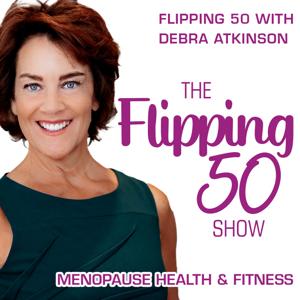

What is sarcopenia and why is this such an important topic for every woman over 40?
That is the topic of conversation today.
What is Sarcopoenia?
What Contributes to Sarcopenia?
Sarcopenia is 100% avoidable.
How Do You Measure Sarcopenia?
The Surprising Statistics on What is Sarcopenia
We do have the ability to regain lean muscle.
It’s proven (and shared in prior episodes) that 85+ individuals can gain both mass and strength.
Available Sarcopenia Assessments:
SARC-F
Flipping 50 Fitness Scorecard
How is Sarcopenia Diagnosed?
What is Sarcopenia: The New Glossary
The biggest risk of sarcopenia is falling due to instability and inability to “right” yourself when slips and falls occur.
I promised we’d visit what’s possible so here that is: A 1.9-3.3% increase in global muscle mass in humans is associated with a 4.1% to 5.8% lower fat mass and reduced A1c and fasting glucose in studies lasting 2 weeks to 3 years.
How to Avoid Sarcopenia?
Wouldn’t it be wonderful if in 30 or 40 years, “What is sarcopenia?” is a question like “What is scurvy or rickets?” now which is never heard of.
That starts with us.
References:
Other Episodes You Might Like:
Resources:
 View all episodes
 By Debra Atkinson

4.5
417417 ratings
What is sarcopenia and why is this such an important topic for every woman over 40?
That is the topic of conversation today.
What is Sarcopoenia?
What Contributes to Sarcopenia?
Sarcopenia is 100% avoidable.
How Do You Measure Sarcopenia?
The Surprising Statistics on What is Sarcopenia
We do have the ability to regain lean muscle.
It’s proven (and shared in prior episodes) that 85+ individuals can gain both mass and strength.
Available Sarcopenia Assessments:
SARC-F
Flipping 50 Fitness Scorecard
How is Sarcopenia Diagnosed?
What is Sarcopenia: The New Glossary
The biggest risk of sarcopenia is falling due to instability and inability to “right” yourself when slips and falls occur.
I promised we’d visit what’s possible so here that is: A 1.9-3.3% increase in global muscle mass in humans is associated with a 4.1% to 5.8% lower fat mass and reduced A1c and fasting glucose in studies lasting 2 weeks to 3 years.
How to Avoid Sarcopenia?
Wouldn’t it be wonderful if in 30 or 40 years, “What is sarcopenia?” is a question like “What is scurvy or rickets?” now which is never heard of.
That starts with us.
References:
Other Episodes You Might Like:
Resources:
1,086 Listeners
232 Listeners
788 Listeners

995 Listeners

4,946 Listeners

3,470 Listeners

9,194 Listeners

642 Listeners
342 Listeners
150 Listeners
1,096 Listeners

624 Listeners
847 Listeners

1,246 Listeners
216 Listeners