
Sign up to save your podcasts
Or

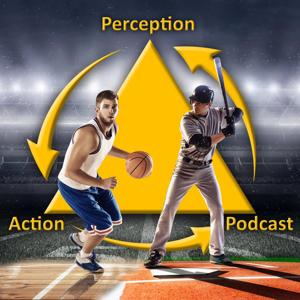

With the ever increasing availability of tracking and monitoring technology it is becoming easier and easier for an athlete to get feedback about their results and performance. But is the too much of a good thing? How does feedback influence the acquisition and performance of sports skills? Which type of feedback should be used and how often? Is providing biofeedback (e.g., heart rate, brain activity) effective? Can sounds and vibrations be used to shape movements?
My Research Influences: Martin Regan, York University
http://www.yorku.ca/dregan/
Links to articles discussed:
Effects of relative frequency of knowledge of results on retention of a motor skill
Relative frequency of knowledge of performance and motor skill learning
How Do Batters Use Visual, Auditory, and Tactile Information About the Success of a Baseball Swing?
Effects of learning on electroencephalographic and electrocardiographic patterns in novice archers
Investigating the efficacy of neurofeedback training for expediting expertise and excellence in sport
The vibrating 'Ghost' glove that can train your muscles to replicate Tiger's swing
Auditory concurrent feedback benefits on the circle performed in gymnastics
More information:
http://www.perceptionactionpodcast.libsyn.com/
My Research Gate Page (pdfs of my articles)
My ASU Web page
Podcast Facebook page (videos, pics, etc)
Twitter: @Shakeywaits
Email: [email protected]
Credits:
The Flamin' Groovies - Shake Some Action
Orbits – This Girl’s Opinion
Pierced Arrows – In My Brain
Three Chord Monte – Tell Me What’s on Your Mind
The Judy Blooms – Swimming in Caves
My Morning Jacket – One Big Holiday
via freemusicarchive.org and jamendo.com
 View all episodes
 By Rob Gray

4.8
106106 ratings
With the ever increasing availability of tracking and monitoring technology it is becoming easier and easier for an athlete to get feedback about their results and performance. But is the too much of a good thing? How does feedback influence the acquisition and performance of sports skills? Which type of feedback should be used and how often? Is providing biofeedback (e.g., heart rate, brain activity) effective? Can sounds and vibrations be used to shape movements?
My Research Influences: Martin Regan, York University
http://www.yorku.ca/dregan/
Links to articles discussed:
Effects of relative frequency of knowledge of results on retention of a motor skill
Relative frequency of knowledge of performance and motor skill learning
How Do Batters Use Visual, Auditory, and Tactile Information About the Success of a Baseball Swing?
Effects of learning on electroencephalographic and electrocardiographic patterns in novice archers
Investigating the efficacy of neurofeedback training for expediting expertise and excellence in sport
The vibrating 'Ghost' glove that can train your muscles to replicate Tiger's swing
Auditory concurrent feedback benefits on the circle performed in gymnastics
More information:
http://www.perceptionactionpodcast.libsyn.com/
My Research Gate Page (pdfs of my articles)
My ASU Web page
Podcast Facebook page (videos, pics, etc)
Twitter: @Shakeywaits
Email: [email protected]
Credits:
The Flamin' Groovies - Shake Some Action
Orbits – This Girl’s Opinion
Pierced Arrows – In My Brain
Three Chord Monte – Tell Me What’s on Your Mind
The Judy Blooms – Swimming in Caves
My Morning Jacket – One Big Holiday
via freemusicarchive.org and jamendo.com

226 Listeners
2,597 Listeners
12,136 Listeners

370 Listeners
4,834 Listeners

279 Listeners
159 Listeners
516 Listeners

8,035 Listeners

238 Listeners
5 Listeners

251 Listeners
22 Listeners
41 Listeners
5 Listeners