
Sign up to save your podcasts
Or

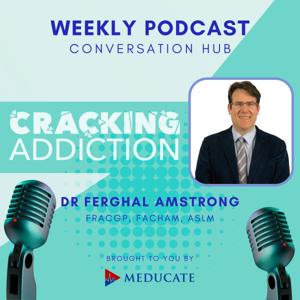

Recovery paths aren't one-size-fits-all.
Dr. Fergal Armstrong explains why neuroplasticity supports multiple evidence-based approaches to addiction recovery.
**THE MYTH: One "Right" Way to Recover
**Society pressures people to define recovery as complete abstinence or perfect programme adherence. This black-and-white thinking ignores how addiction rewires the brain's reward system differently for each person.
**THE NEUROSCIENCE: Individual Brain Recovery
**Addiction affects dopamine pathways, prefrontal cortex function, and neural reward circuits uniquely in each brain.
Research shows neuroplasticity enables recovery through multiple pathways:
• Abstinence-based recovery rebuilds natural dopamine regulation
• Medication-assisted treatment stabilises disrupted neurotransmitter systems
• Harm reduction approaches protect brain health whilst supporting gradual healing
**WHAT THIS MEANS FOR YOUR RECOVERY:
**✓ **Safety First
**: Stable housing and medical care create optimal conditions for brain recovery✓
**Progress Over Perfection
**: 2024 NIDA research confirms reducing use (even without total abstinence) improves depression, cravings, and social functioning✓
**Neuroplasticity Works
**: Your brain can heal through multiple evidence-based pathways✓
**Relapse ≠ Failure
**: 40-60% relapse rates match other chronic conditions like diabetes
75% of people with significant substance problems eventually recover. Whether through abstinence, medication support, or harm reduction, recovery is possible.
 View all episodes
 By Meducate
5
66 ratings
Recovery paths aren't one-size-fits-all.
Dr. Fergal Armstrong explains why neuroplasticity supports multiple evidence-based approaches to addiction recovery.
**THE MYTH: One "Right" Way to Recover
**Society pressures people to define recovery as complete abstinence or perfect programme adherence. This black-and-white thinking ignores how addiction rewires the brain's reward system differently for each person.
**THE NEUROSCIENCE: Individual Brain Recovery
**Addiction affects dopamine pathways, prefrontal cortex function, and neural reward circuits uniquely in each brain.
Research shows neuroplasticity enables recovery through multiple pathways:
• Abstinence-based recovery rebuilds natural dopamine regulation
• Medication-assisted treatment stabilises disrupted neurotransmitter systems
• Harm reduction approaches protect brain health whilst supporting gradual healing
**WHAT THIS MEANS FOR YOUR RECOVERY:
**✓ **Safety First
**: Stable housing and medical care create optimal conditions for brain recovery✓
**Progress Over Perfection
**: 2024 NIDA research confirms reducing use (even without total abstinence) improves depression, cravings, and social functioning✓
**Neuroplasticity Works
**: Your brain can heal through multiple evidence-based pathways✓
**Relapse ≠ Failure
**: 40-60% relapse rates match other chronic conditions like diabetes
75% of people with significant substance problems eventually recover. Whether through abstinence, medication support, or harm reduction, recovery is possible.

21,141 Listeners

1,266 Listeners

142 Listeners

20 Listeners

14,945 Listeners

8,558 Listeners
1,346 Listeners
738 Listeners

288 Listeners

27,507 Listeners

555 Listeners

343 Listeners

29,303 Listeners

254 Listeners
154 Listeners