
Sign up to save your podcasts
Or

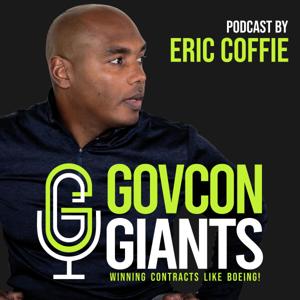

In this episode, Eric Coffie breaks down a massive Q1 opportunity: the government has roughly 90 days to obligate $82.8B in unobligated DoD funds—or risk losing budget authority. Eric shares how he triangulated data across sources (including NDAA legislation, Treasury Fiscal Data, CBO, and unobligated balance reporting) and explains what "unobligated" really means: authorized money that hasn't been committed to contracts yet—creating a high-pressure spend window from January through March.
Eric also explains why this is a "perfect storm" for small businesses: higher sole-source thresholds (non-manufacturing up to $8M, manufacturing up to $10M), relentless small business goal pressure, and a huge recompete marketplace where long-term vehicles can lock up spend for 5–10+ years. He closes with actionable next steps (buyers lists, low-competition hit lists, NDAA cheat sheets, agency pain points, and recompete trackers) so contractors can stop reacting late—and start positioning early.
Key Takeaways:Q1 is a use-it-or-lose-it spend window—position now, not when the bid drops
Most money is tied to task orders/IDIQs + sole source, not just SAM "open bids"
Track recompetes + agency pain points to negotiate and partner before teams are picked
If you want to learn more about the community and to join the webinars go to: https://federalhelpcenter.com/
Website: https://govcongiants.org/
Connect with Encore Funding: http://govcongiants.org/funding
Join 2026 Surge Bootcamp Starting January 31: https://govcongiants.org/surge
 View all episodes
 By Eric Coffie

4.9
103103 ratings
In this episode, Eric Coffie breaks down a massive Q1 opportunity: the government has roughly 90 days to obligate $82.8B in unobligated DoD funds—or risk losing budget authority. Eric shares how he triangulated data across sources (including NDAA legislation, Treasury Fiscal Data, CBO, and unobligated balance reporting) and explains what "unobligated" really means: authorized money that hasn't been committed to contracts yet—creating a high-pressure spend window from January through March.
Eric also explains why this is a "perfect storm" for small businesses: higher sole-source thresholds (non-manufacturing up to $8M, manufacturing up to $10M), relentless small business goal pressure, and a huge recompete marketplace where long-term vehicles can lock up spend for 5–10+ years. He closes with actionable next steps (buyers lists, low-competition hit lists, NDAA cheat sheets, agency pain points, and recompete trackers) so contractors can stop reacting late—and start positioning early.
Key Takeaways:Q1 is a use-it-or-lose-it spend window—position now, not when the bid drops
Most money is tied to task orders/IDIQs + sole source, not just SAM "open bids"
Track recompetes + agency pain points to negotiate and partner before teams are picked
If you want to learn more about the community and to join the webinars go to: https://federalhelpcenter.com/
Website: https://govcongiants.org/
Connect with Encore Funding: http://govcongiants.org/funding
Join 2026 Surge Bootcamp Starting January 31: https://govcongiants.org/surge
229,694 Listeners

6,446 Listeners

13,615 Listeners
66 Listeners

14,027 Listeners

4,467 Listeners
10 Listeners

7,854 Listeners

2,662 Listeners

6,445 Listeners
392 Listeners
4,043 Listeners
250 Listeners
94 Listeners
4,300 Listeners