
Sign up to save your podcasts
Or

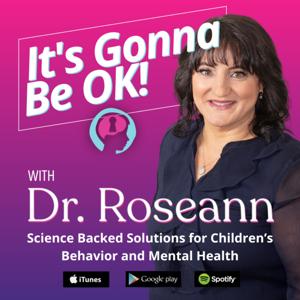

Parenting a child who goes from calm to chaos in seconds can feel exhausting. You try everything—deep breaths, gentle words, even walking away—and still, the meltdowns come. You’re not alone.
When kids struggle with big emotions, there’s often a hidden root cause inside the body—and minerals play a much bigger role than most parents realize.
In this episode, I sit down with Dr. Aaron Hartman to unpack the powerful connection between minerals, mitochondria, and meltdowns—and how nutrition, lifestyle, and nervous system regulation can help your child regain balance and calm.
Why does my child melt down when they’re “just tired or hungry”?
When your child seems to unravel at the smallest thing, it’s not bad behavior—it’s biology. Mineral imbalances directly affect how their nervous system fires.
When we calm the brain first and nourish the body, meltdowns start to fade.
Takeaway: A balanced diet rich in real food, protein, and calming minerals helps stabilize your child’s emotions and energy.
Need quick relief while you work on those root causes? Try Quick Calm—my proven method to calm the brain fast so you and your child can reset and start fresh.
Could my child’s mood swings be linked to mineral deficiencies?
Absolutely. Research continues to show how essential minerals affect mental well-being and brain function.
Here’s what parents need to know:
HTMA testing (Hair Tissue Mineral Analysis) can reveal these hidden imbalances, helping you target the root cause instead of chasing symptoms.
🗣️“When your child’s body is missing key nutrients, their brain can’t regulate emotions—no matter how many coping tools you teach.” –Dr. Roseann
What are simple ways to boost my child’s mineral intake naturally?
You don’t need to overhaul your entire pantry overnight. Start small—consistency is what matters most.
Dr. Aaron’s reminder: “We used food like a drug.” Real food builds the foundation for healthy development and emotional balance.
You don’t have to figure this out alone.
Become a Dysregulation Insider VIP and get your FREE Regulation Rescue Kit: How to Stay Calm When Your Child Pushes Your Buttons and Stop Oppositional Behaviors.
Head to www.drroseann.com/newsletter and start your calm parenting journey today.
What if my child still struggles even with a healthy diet?
If you’ve cleaned up your child’s diet and meltdowns persist, don’t lose hope. There are often deeper root causes at play—like mitochondrial dysfunction, gut imbalance, or unresolved body stress patterns.
You can support healing by:
It makes sense that when the body’s energy factories (mitochondria) are struggling, your child’s mood and focus will too.
Bottom line: Nutrition and nervous system regulation work hand in hand. When one improves, the other follows.
How can I help my child feel calmer while we work on the root cause?
While you rebuild from the inside out, you can still help your child calm in the moment.
Remember: It’s not bad parenting—it’s a dysregulated brain. Healing takes time, but small steps add up.
Every child’s journey is different. That’s why cookie-cutter solutions don’t work.
Take the free Solution Matcher Quiz and get a customized path to support your child’s emotional and behavioral needs—no guessing, no fluff.
Start today at www.drroseann.com/help
FAQs
How do mineral deficiencies affect my child’s behavior?
When kids lack key minerals like magnesium or zinc, their nervous system struggles to stay calm. You may see more irritability, focus issues, or meltdowns because their brain simply doesn’t have the fuel it needs to regulate emotions and attention.
Can low magnesium really cause anxiety or meltdowns?
Yes. Magnesium helps the body relax and regulates the stress response. When levels are low, kids are more prone to anxiety, restlessness, and emotional outbursts—especially after long days or overstimulation.
What foods help support mitochondrial health in kids?
Whole, unprocessed foods—especially leafy greens, eggs, salmon, avocado, and nuts—nourish mitochondria. These foods provide the healthy fats, minerals, and antioxidants the brain and body need for steady energy and calm focus.
Why do my child’s labs look normal if something’s off?
Traditional labs measure minerals in the blood, not inside cells where they do their real work. Your child can still be functionally deficient, even if their results look “normal.” That’s why behavior and energy patterns tell you so much.
Can improving minerals and mitochondria really reduce meltdowns?
Absolutely. When the body’s energy systems are supported, the brain can self-regulate better. Many parents see fewer meltdowns, more focus, and steadier moods once mineral balance and mitochondrial function are restored.
 View all episodes
 By Dr. Roseann Capanna Hodge

4.9
8888 ratings
Parenting a child who goes from calm to chaos in seconds can feel exhausting. You try everything—deep breaths, gentle words, even walking away—and still, the meltdowns come. You’re not alone.
When kids struggle with big emotions, there’s often a hidden root cause inside the body—and minerals play a much bigger role than most parents realize.
In this episode, I sit down with Dr. Aaron Hartman to unpack the powerful connection between minerals, mitochondria, and meltdowns—and how nutrition, lifestyle, and nervous system regulation can help your child regain balance and calm.
Why does my child melt down when they’re “just tired or hungry”?
When your child seems to unravel at the smallest thing, it’s not bad behavior—it’s biology. Mineral imbalances directly affect how their nervous system fires.
When we calm the brain first and nourish the body, meltdowns start to fade.
Takeaway: A balanced diet rich in real food, protein, and calming minerals helps stabilize your child’s emotions and energy.
Need quick relief while you work on those root causes? Try Quick Calm—my proven method to calm the brain fast so you and your child can reset and start fresh.
Could my child’s mood swings be linked to mineral deficiencies?
Absolutely. Research continues to show how essential minerals affect mental well-being and brain function.
Here’s what parents need to know:
HTMA testing (Hair Tissue Mineral Analysis) can reveal these hidden imbalances, helping you target the root cause instead of chasing symptoms.
🗣️“When your child’s body is missing key nutrients, their brain can’t regulate emotions—no matter how many coping tools you teach.” –Dr. Roseann
What are simple ways to boost my child’s mineral intake naturally?
You don’t need to overhaul your entire pantry overnight. Start small—consistency is what matters most.
Dr. Aaron’s reminder: “We used food like a drug.” Real food builds the foundation for healthy development and emotional balance.
You don’t have to figure this out alone.
Become a Dysregulation Insider VIP and get your FREE Regulation Rescue Kit: How to Stay Calm When Your Child Pushes Your Buttons and Stop Oppositional Behaviors.
Head to www.drroseann.com/newsletter and start your calm parenting journey today.
What if my child still struggles even with a healthy diet?
If you’ve cleaned up your child’s diet and meltdowns persist, don’t lose hope. There are often deeper root causes at play—like mitochondrial dysfunction, gut imbalance, or unresolved body stress patterns.
You can support healing by:
It makes sense that when the body’s energy factories (mitochondria) are struggling, your child’s mood and focus will too.
Bottom line: Nutrition and nervous system regulation work hand in hand. When one improves, the other follows.
How can I help my child feel calmer while we work on the root cause?
While you rebuild from the inside out, you can still help your child calm in the moment.
Remember: It’s not bad parenting—it’s a dysregulated brain. Healing takes time, but small steps add up.
Every child’s journey is different. That’s why cookie-cutter solutions don’t work.
Take the free Solution Matcher Quiz and get a customized path to support your child’s emotional and behavioral needs—no guessing, no fluff.
Start today at www.drroseann.com/help
FAQs
How do mineral deficiencies affect my child’s behavior?
When kids lack key minerals like magnesium or zinc, their nervous system struggles to stay calm. You may see more irritability, focus issues, or meltdowns because their brain simply doesn’t have the fuel it needs to regulate emotions and attention.
Can low magnesium really cause anxiety or meltdowns?
Yes. Magnesium helps the body relax and regulates the stress response. When levels are low, kids are more prone to anxiety, restlessness, and emotional outbursts—especially after long days or overstimulation.
What foods help support mitochondrial health in kids?
Whole, unprocessed foods—especially leafy greens, eggs, salmon, avocado, and nuts—nourish mitochondria. These foods provide the healthy fats, minerals, and antioxidants the brain and body need for steady energy and calm focus.
Why do my child’s labs look normal if something’s off?
Traditional labs measure minerals in the blood, not inside cells where they do their real work. Your child can still be functionally deficient, even if their results look “normal.” That’s why behavior and energy patterns tell you so much.
Can improving minerals and mitochondria really reduce meltdowns?
Absolutely. When the body’s energy systems are supported, the brain can self-regulate better. Many parents see fewer meltdowns, more focus, and steadier moods once mineral balance and mitochondrial function are restored.
3,946 Listeners
1,333 Listeners

965 Listeners

1,221 Listeners

353 Listeners
1,467 Listeners
2,901 Listeners

2,126 Listeners

1,897 Listeners
642 Listeners
4,502 Listeners
88 Listeners
137 Listeners
28 Listeners
349 Listeners