People who have bulimia are in a cycle of eating a huge amount of food in a very sort space of time and then either make themselves vomit, take laxatives or diuretics, starve themselves or do a large amount of exercise otherwise known as purging. Men and women of any age can develop bulimia, but it is particularly common in females and typically starts in the late teens.
Skipping meals. A reduced amount of food and drink leads to very low weight.
- Lying about how much food they’ve eaten.
- Talking badly about their body.
- Eating only certain “safe” foods, usually low calories foods.
- Extreme exercising for long periods.
Bulimia
Bulimia (boo-LEE-me-uh) nervosa, commonly called bulimia, is a serious, potentially life-threatening eating disorder. People with bulimia may secretly binge — eat large amounts of food with a loss of control over eating, and then purge, trying to get rid of the extra calories in an unhealthy way.
To get rid of calories and prevent weight gain, people with bulimia may use different methods. For example, you may regularly self-induce vomiting or misuse laxatives, weight-loss supplements, diuretics, or enemas after bingeing. Or you may use other ways to rid yourself of calories and prevent weight gain, such as fasting, strict dieting, or excessive exercise.
If you have bulimia, you’re probably preoccupied with your weight and body shape. You may judge yourself severely and harshly for your self-perceived flaws. Because it’s related to self-image — and not just about food — bulimia can be hard to overcome. But effective treatment can help you feel better about yourself, adopt healthier eating patterns, and reverse serious complications. People with bulimia continue eating within their conditions. This behavior usually starts with a desire to be thinner. They binge large amounts of food and then purge to rid the body of the food (Mayo Clinic, n.d.).
The book and further podcasts will give you a far greater insight to Bulimia and help to heal you.
At the age of 18, Kate began her bulimic career in earnest. Fifteen years later and after much help. She eventually freed herself from the clutches of anorexia and bulimia. She then stepped out and decided to take a different bulimic pathway. Feeling the great need to help others as she had been helped.
Need Support?
If anything you hear in this podcast resonates with you, please know you don’t have to go through it alone.
I offer online therapy for people struggling with eating disorders, where we work gently and steadily towards recovery in a safe and supportive way.
Kate Hudson-Hall is a psychodynamic psychotherapist with over 25 years’ experience, specialising in eating disorders and anxiety, working with clients worldwide.
If you’d like support, you’re very welcome to get in touch: [email protected]
Reach out to Kate on www.bulimiasucks.com or www.katehudson-hall.com
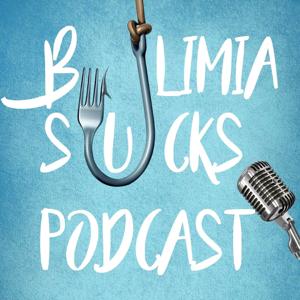
Kate is also the author of Bulimia Sucks! It is an inspiring, practical book written to empower people to break through the barriers stopping them from taking that first step to freedom from bulimia. Now available on Amazon.
Support the show
Reach out to Kate at:
For all Kate's links: https://linktr.ee/katehudsonhall
Website: katehudson-hall.com
Facebook: https://www.facebook.com/groups/BulimiaSuck
IG: https://www.instagram.com/katehudsonhall/
Email: [email protected]