
Sign up to save your podcasts
Or

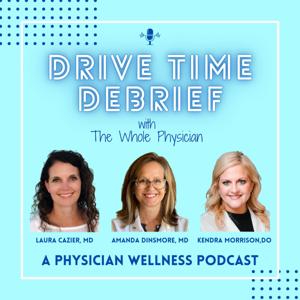


Podcast Episode: Blue Zones Book Club – The Power Nine
In this episode, we dive into the seventh installment of our Blue Zones Book Club, exploring the "Power Nine"—the nine habits identified by Dan Buettner in his book *The Blue Zones: Secrets for Living Longer Lessons from the Healthiest Places on Earth*. These habits, observed across five cultures on four continents, offer valuable insights into living a long, healthy life. As always, our discussion is purely educational and meant to offer nuggets of wisdom for your personal well-being.
Key Points Discussed
1. Introduction to Blue Zones and the Power Nine:
- Blue Zones are regions where people live significantly longer, healthier lives. These areas share common lifestyle habits that contribute to their residents' longevity.
2. Power Nine Habits:
- Move Naturally: Incorporate movement into daily activities rather than relying on structured exercise routines. Examples include walking more, sitting on the ground, and engaging in daily chores that require physical activity.
- Purpose: Having a clear sense of purpose can add up to seven years to your life. The hosts discuss how to identify and nurture your life’s purpose.
- Downshift: Stress management through daily rituals like meditation, naps, and socializing. Simple practices like watching funny videos or writing thank-you notes can also help reduce stress.
- 80% Rule: Eat until you’re 80% full, a practice common in Okinawa. Focus on mindful eating, using smaller plates, and consuming the largest meal in the middle of the day.
- Plant Slant: Emphasize plant-based foods in your diet, including beans, vegetables, and nuts. Limit meat consumption to a few times per month.
- Wine at 5: While most Blue Zones inhabitants enjoy moderate alcohol consumption, the hosts emphasize that this habit is likely more about socializing and relaxation rather than the alcohol itself.
- Belong: Faith and community involvement are vital. Regular participation in faith-based or community activities can significantly extend your life expectancy.
- Loved Ones First: Prioritize family relationships. The hosts highlight the importance of close family bonds and investing time in loved ones.
- Right Tribe: Surround yourself with a supportive social circle. Your friends significantly influence your health and happiness, so choose wisely.
3. Practical Tips:
- The hosts offer actionable steps for incorporating these habits into daily life, such as planning walking meetings, starting a meditation practice, and joining social groups.
4. Event Announcement:
- Amanda, Kendra, and Laura will be attending the ACEP Scientific Assembly in Las Vegas this September. Join them for the second annual EM networking event at the Libertine Social Lounge in Mandalay Bay on Monday, September 30th, from 5 to 7 PM. Tickets are limited, so be sure to get yours soon!
5. Sponsor Shoutout:
- A big thank you to Brault, a gold sponsor of the upcoming networking event. Brault offers scalable services to support emergency medicine practices, including RCM partnerships and business function management.
- If you found this episode helpful, please rate us 5 out of 5 and leave a review. It helps other doctors find our podcast and extends our reach.
- Don't forget to get your tickets for the EM networking event in Las Vegas. We look forward to seeing you there!
- Remember, you are whole, you are a gift to medicine, and the work you do matters.
Resource:
Blue Zones Books
The Power of Purpose
Link to Networking Event
https://www.brault.us/
Blue Zones Book Club, Part 6 - Singapore
Hosts: Amanda, Laura, and Kendra
Episode Summary:
In this episode, Amanda, Laura, and Kendra dive into the sixth installment of their Blue Zones book club, focusing on Singapore. Despite its urban environment, Singapore boasts one of the highest life expectancies in the world, proving that longevity isn't limited to rural, pastoral lifestyles. The hosts explore how this small island nation has transformed its public health landscape and shares insights into the programs and policies that have contributed to its citizens' long, healthy lives.
Key Takeaways:
1. Singapore's Transformation:
- In 1960, the average life expectancy in Singapore was just 65 years. Today, it has risen to 84.7 years, with some citizens living even longer.
- The country ranks number one in healthy life expectancy and has the world's lowest rate of cardiovascular mortality.
2. Health Initiatives:
- Singapore has implemented various outreach programs, including health screenings, cooking classes, and nurse dispatch services to connect those living alone.
- The National Steps Challenge incentivizes physical activity, rewarding citizens for logging 10,000 steps daily with health points redeemable for various goods and services.
3. Strict Laws:
- Singapore is known for its strict laws, including severe penalties for drug possession and the prohibition of firearms. While some might view these as extreme, they contribute to the country's low crime rates and high levels of public trust.
4. Education and Social Structure:
- Education is highly valued, with Singapore ranking number one internationally in math and science for several years. The nation also emphasizes a common language (English) and a mix of ethnicities within communities to promote tolerance and social cohesion.
5. Unusual Takeaways:
- The hosts humorously critique the chapter's somewhat unconventional advice, such as choosing a safe neighborhood and focusing on financial success, which felt out of place compared to the rest of the Blue Zones book.
Additional Notes:
- If you are going to be at ACEP Scientific Assembly in Las Vegas, join us at the EM Networking event at the Libertine Social Lounge in Mandalay Bay on Monday, September 30th, from 5 to 7 PM. Tickets are available through the link in the show notes.
- Sponsor Shoutout: Special thanks to Brault for sponsoring the event. Brault offers scalable services to support emergency medicine practices, providing everything from full-service RCM partnerships to business function management.
Book and Resources:
- Book Mentioned: "The Blue Zones: Secrets for Living Longer Lessons from the Healthiest Places on Earth" by Dan Buettner.
- Netflix Series: If you prefer watching over reading, check out the Blue Zones series on Netflix.
Thank you for tuning in! Be sure to subscribe, rate, and review our podcast on your favorite platform. Until next time, take care of yourselves as well as you care for others.
Blue Zones Books
Link to Networking Event
Beloved past-president of the American College of Emergency Physicians, Dr. Gillian Schmitz joins us to discuss an emergency department accreditation program that aims to address systemic problems and reduce burnout in emergency medicine. The program proposes different levels of accreditation based on criteria such as staffing, supervision, social work support, and patient care resources. The goal is to improve the practice environment and ensure physician-led care. Dr. Schmitz emphasizes the importance of physician involvement and advocacy in driving change and creating a better future for emergency medicine. She invites hospitals to participate in the pilot program and encourages physicians to provide feedback and support the initiative.
Gillian Schmitz, MD, FACEP is a board certified Emergency Physician and Associate Professor in the Department of Military and Emergency Medicine at USUHS. She works clinically in the Emergency Department and serves as the Vice Chair of Education at Brooke Army Medical Center in San Antonio, TX. She is a nationally renowned educator and leader, currently serving on the National Board of Directors for the American College of Emergency Physicians (ACEP). Within USUHS, Dr. Schmitz is the clerkship site director for SAMMC, the Program Director for the Advanced Life Support Program, and faculty for Bushmaster, ACME, and Gunpowder.
Dr. Schmitz has served in numerous national leadership positions within the American College of Emergency Physicians (ACEP) and serves on the Board of Directors. She is a former Chair of the Academic Affairs Committee, subcommittee Chair for the Medical Legal Committee, Chair for the Young Physicians Section, and former Board member for the Emergency Medicine Resident’s Association (EMRA). She has been a leader in the Government Services Chapter, serving as President from 2015-2016.
Dr.Schmitz has also been involved with emergency medicine research and is a former Emergency Medicine Foundation and DoD research grant recipient, published author, and reviewer for several medical journals. Her research interest is wound care, skin infections, and infectious disease.
Dr. Schmitz has received awards for her leadership roles including the prestigious National Mentorship Award, the National Early Career Faculty Award from the Academy for Women in Academic Emergency Medicine (AWAEM), the Early Career Achievement Award from the Loyola Stritch School of Medicine, and numerous teaching and mentoring awards from her residents and students.
Keywords: emergency department accreditation, systemic problems, burnout, physician-led care, staffing, supervision, social work support, patient care resources, physician involvement, advocacy
Takeaways
Sound Bites
Chapters
00:00 Introduction and Background
02:52 Emergency Department Accreditation Program
08:07 Criteria for Accreditation
12:06 Levels of Accreditation
15:54 Physician Involvement and Advocacy
23:03 Getting Involved and Providing Feedback
https://www.acep.org/edap
Summary
In this episode, the hosts discuss the Blue Zone of Ikaria, Greece, where residents live longer and have lower rates of heart disease and dementia. The key factors contributing to their longevity include a Mediterranean diet with an emphasis on vegetables, whole grains, and legumes, regular physical activity through walking and manual labor, taking regular naps to reduce stress, and prioritizing social connections. The hosts also highlight the importance of occasional fasting and the role of Greek Orthodox Christianity in promoting longevity.
Keywords
Blue Zones, Ikaria, Greece, longevity, Mediterranean diet, physical activity, naps, social connections, fasting, Greek Orthodox Christianity
Sound Bites
"Ikaria, the place where people forget to die"
"Enjoy a mid-afternoon break to lower stress hormones and lower your risk of heart disease"
"Make friends and family a priority for overall health and longevity"
Sound Bites
"Ikaria, the place where people forget to die"
"Enjoy a mid-afternoon break to lower stress hormones and lower your risk of heart disease"
"Make friends and family a priority for overall health and longevity"
Chapters
00:00 Ikaria: The Place Where People Forget to Die
13:34 The Power of Naps: Lower Stress, Live Longer
14:53 Social Connections: The Secret to Longevity
Summary
In this podcast episode, Amanda, Laura, and Kendra discuss the concept of busyness and how it affects our lives. They explore the glorification of busyness in society and the importance of aligning our activities with our values. The hosts emphasize the need to say yes with purpose and eliminate tasks that don't align with our values. They also discuss the importance of rest and play in combating busyness and finding balance. The episode concludes with a challenge to say no, prioritize rest and play, and align our time with what truly matters.
Keywords
busyness, values, purpose, rest, play, alignment, balance
Takeaways
Busyness is often glorified in society, but it's important to align our activities with our values.
Saying yes with purpose means eliminating tasks that don't align with our values.
Rest and play are essential antidotes to busyness and should be prioritized.
Clarity of purpose helps us allocate our time and energy to what truly matters.
It's important to regularly assess how we're spending our time and ensure it aligns with our values.
Chapters
00:00 Introduction
00:07 The Glorification of Busyness
06:43 Choosing Wisely and Allocating Time
13:32 Offloading and Delegating
20:05 The Ego and Importance of Busyness
24:03 Rest and Play as Antidotes
28:13 Clarity of Purpose
29:24 Assessing Time Allocation
35:42 Conclusion and Challenge
Episode Summary:
In this episode, Amanda, Laura, and Kendra dive into the topic of patient expectations, a common pain point identified through recent market research. They discuss the impact of unexpressed and unmet expectations on both patients and healthcare providers, and how these can lead to disappointment and frustration. The hosts share personal anecdotes and insights on handling expectations in a clinical setting, emphasizing the importance of clear communication, empathy, and setting boundaries.
Key Topics Discussed:
1. Introduction to Patient Expectations:
Amanda introduces the topic and explains the relevance of managing patient expectations, especially when they can't be met due to uncontrollable factors.
2. Understanding Expectations:
Kendra discusses how expectations affect every relationship, including those with patients. She explains that many expectations are unexpressed and become stories in our minds, often influenced by movies, TV, social media, and personal experiences.
3. Impact of Disappointment:
Kendra references Brene Brown's research on disappointment and shame, highlighting how unmet expectations can lead to feelings of hurt, anger, or frustration. This emotional response can be projected onto healthcare providers, even when it’s not their fault.
4. Empathy and Validation:
Laura shares strategies for deescalating situations by identifying and validating patients' emotions. She emphasizes the importance of empathy and open communication to build connections and reduce adversarial interactions.
5. Setting Boundaries:
Laura recounts a personal experience during COVID-19 where she had to set boundaries with a hostile patient. She stresses the importance of knowing personal limits and maintaining a calm, professional demeanor.
6. Communication and Timeframes:
The hosts discuss the importance of communicating clearly about processes and timeframes, particularly in the emergency department. Keeping patients informed helps manage their expectations and reduces frustration.
7. Handling Personal Expectations:
Amanda and Kendra share personal stories about managing their own expectations in different scenarios, illustrating how misaligned expectations can cause unnecessary stress.
8. Practical Tips for Clinicians:
The hosts offer practical advice for clinicians, such as asking patients what they are worried about, being respectful, and validating their emotions. They emphasize the need for clear, honest communication about what is feasible in a clinical setting.
9. Emotional Regulation:
Amanda and Kendra discuss the importance of emotional regulation for healthcare providers. By staying grounded and not taking things personally, providers can handle difficult situations more effectively.
10. Closing Remarks:
Kendra encourages listeners to remember that they are doing their best for patients on their worst days. Amanda reminds everyone to rate and review the podcast, and mentions their new online course, Wellness 911, aimed at helping demoralized doctors.
Call to Action:
- Rate and review the podcast to help other doctors find it.
- Visit www.thewholephysician.com for more information on our Wellness 911 program.
Conclusion:
- Remember, you are whole, you are a gift to medicine, and the work you do matters.
Website: www.thewholephysician.com
Summary
In this episode, Amanda, Laura, and Kendra discuss ways to build lasting connections with kids of all ages. They provide tips for connecting with younger kids through play, reading, singing, and positive affirmations. They also discuss the importance of establishing routines and boundaries. For tweens and teens, they emphasize the importance of maintaining a positive ratio of interactions, respecting their autonomy, and engaging in quality conversations. Finally, they discuss how to maintain connections with adult children by expressing love and appreciation, respecting their boundaries, and celebrating milestones. The key takeaways include expressing love and appreciation, making time for shared experiences, practicing forgiveness, showing empathy, and respecting their agency.
Keywords
building connections, kids of all ages, play, reading, routines, boundaries, positive affirmations, tweens, teens, quality conversations, adult children, love and appreciation, shared experiences, forgiveness, empathy, respect
Takeaways
Express love and appreciation often
Make time for shared experiences
Practice forgiveness and separate behavior from the child
Show empathy and validate their feelings
Respect their agency and offer choices
Chapters
00:00 Introduction
00:34 Building Lasting Connections with Kids of All Ages
01:24 Connecting with Younger Kids through Play and Reading
06:01 Navigating the Tween and Teen Years
11:17 Maintaining Connections with Adult Children
15:44 Key Takeaways for Building Lasting Connections
https://brenebrown.com/art/the-wholehearted-parenting-manifesto/
In this podcast episode, Amanda, Laura, and Kendra discuss the importance of building lasting connections with children. They introduce the concept of the five-to-one positivity rule, which states that for every negative interaction during conflict, there should be at least five positive interactions. They provide examples of positive interactions, such as verbal affirmations, physical affection, shared activities, active listening, expressing interest in the world, offering words of encouragement, celebrating achievements, and smiling and making eye contact. They also discuss the importance of praising effort and tolerating failure. The hosts emphasize the need for parents to believe in their children and fill their emotional bank account with positive interactions.
Keywords
lasting connections, children, five-to-one positivity rule, positive interactions, verbal affirmations, physical affection, shared activities, active listening, expressing interest, words of encouragement, celebrating achievements, smiling, eye contact, praising effort, tolerating failure, emotional bank account
Takeaways
Building lasting connections with children is crucial for their mental health and overall well-being.
The five-to-one positivity rule suggests that for every negative interaction during conflict, there should be at least five positive interactions.
Positive interactions can include verbal affirmations, physical affection, shared activities, active listening, expressing interest in the world, offering words of encouragement, celebrating achievements, and smiling and making eye contact.
Praising effort and tolerating failure are important for children's growth and development.
Parents should believe in their children and fill their emotional bank account with positive interactions.
Sound Bites
"We want our relationships to feel like sunshine."
"Aim for at least five positive interactions for every negative one."
"Physical affection is important even in adolescence."
Chapters
00:00 Introduction
02:04 The Five-to-One Positivity Rule
06:00 Examples of Positive Interactions
09:02 Physical Affection and Shared Activities
13:15 Active Listening and Expressing Interest
21:20 Balancing Negative Interactions
25:13 Maintaining Strong Connections
27:15 Conclusion
Finding Healing in Creativity: Dr. Robin Hitchcock's Journey
Episode Description:
In today's episode, Kendra introduces us to Dr. Robin Hitchcock, an emergency physician with expertise in palliative care. Dr. Hitchcock shares her journey of overcoming challenging experiences in the medical field and the unique ways she processed these difficulties. Dr. Hitchcock's story is one of resilience and innovation. Join us for an inspiring conversation about finding purpose in pain and the transformative power of creativity.
Show Highlights:
- Introduction to Dr. Robin Hitchcock:
Kendra introduces Dr. Hitchcock, highlighting her background in emergency and palliative care and the struggles she faced in her medical career.
- Journey to Physician Wellness:
Dr. Hitchcock talks about her decision to join the physician wellness course and coaching program, driven by a sense of impending change and the need to address burnout.
- Creative Processing of Trauma:
Dr. Hitchcock explains how she used songwriting as a creative outlet to process a particularly traumatic experience, highlighting the therapeutic benefits of creative expression.
- Performance of Her Song:
Dr. Hitchcock performs her song, capturing the emotional journey she has been on and resonating with many who have faced similar struggles.
Key Takeaways:
- The importance of recognizing the contributions of community physicians.
- The need for balance and representation in awards and recognition within the medical community.
- Addressing burnout proactively can lead to significant positive changes in both personal and professional life.
- Creative outlets can be powerful tools for processing trauma and finding healing.
Connect with Dr. Robin Hitchcock:
For those interested in reaching out to Dr. Hitchcock, you can contact her through:
Instagram: @northwestmd1
.
Closing Thoughts:
Kendra and the team express their gratitude to Dr. Hitchcock for sharing her journey and inspiring listeners with her story. They look forward to seeing the incredible things she will accomplish in the next chapter of her life.
Announcements:
Stay tuned for our upcoming webinar, "What's the ICD-10 Code for Injury Sustained in a Dumpster Fire" and be sure to check out more episodes of our podcast for inspiring stories and valuable insights.
Thank you for tuning in to this episode. We hope Dr. Hitchcock's story encourages you to explore creative ways to process your own experiences and find healing.
Blue Zones Book Club - Loma Linda, California
Hosts:
- Amanda Dinsmore
- Laura Cazier
- Kendra Morrison
Episode Highlights:
- Introduction
- Amanda reminds listeners about the importance of leaving ratings and reviews on Apple Podcasts.
- Continuing the Blue Zones Book Club series, focusing on Loma Linda, California.
- Episode Overview
- Discussing the principles and practices of the Blue Zones, with an emphasis on living longer, healthier lives.
- Reminder: Hosts are doctors, but the information shared is not medical advice, just educational content.
- Key Concepts from the Episode:
- Blue Zones: Areas where people live significantly longer and healthier lives.
- Loma Linda, California: A population of around 9,000 Seventh-day Adventists who live about a decade longer than the average American.
- Adventist Health Principles:
- Pure air
- Sunlight
- Rest
- Exercise
- Plant-based diet
- Drinking water
- Trust in God
- Abstinence (self-control, especially in eating and drinking)
- Research Findings:
- NIH-funded Adventist Health Study (1974-1988):
- 70% lower rate of lung cancer among non-smokers.
- 40% reduced risk of colon cancer with high fiber diets.
- 50% lower risk of heart attack with regular nut consumption.
- Newer Adventist Health Study ongoing since 2000.
- Lifestyle Practices of Adventists:
- Staying active
- Not smoking
- Observing Sabbath from Friday sunset to Saturday sunset
- Strong community and family ties
- Volunteering and giving back to the community
- Takeaways from Loma Linda:
1. Find a Sanctuary in Time: Observing a Sabbath for rest and family.
2. Watch Your BMI: Maintain a normal range BMI through diet and lifestyle.
3. Regular Moderate Exercise: Engage in low-intensity activities like walking.
4. Spend Time with Like-Minded Friends: Surround yourself with supportive, non-toxic people.
5. Snack on Nuts: Regular consumption of nuts can significantly reduce heart disease risk.
6. Give Something Back: Volunteerism can provide purpose and stave off depression.
7. Avoid Meat: Consider a vegetarian or pescetarian diet.
8. Eat an Early Light Dinner: Promotes better sleep and a lower BMI.
9. Drink Plenty of Water: Significant reduction in heart attack risk with regular water consumption.
Conclusion:
- Encouragement to leave a review on Spotify or Apple Podcasts.
- Information on the Wellness 911 program available at http://www.thewholephysician.com..
- Affirmation: "You are whole, you are a gift to medicine, and the work you do matters."
Additional Resources:
- Link to the book and Netflix series on Blue Zones.
- More information on the Wellness 911 program can be found at http://www.thewholephysician.com.
These show notes capture the key points and takeaways from the podcast episode, providing a concise summary for listeners.
From the publisher's feed

43,824 Listeners
1,866 Listeners

2,053 Listeners

5,136 Listeners

2,443 Listeners

111,852 Listeners

1,158 Listeners

7,983 Listeners
14,363 Listeners
226 Listeners

1,607 Listeners

19,223 Listeners
268 Listeners
40 Listeners

12,466 Listeners