
Sign up to save your podcasts
Or

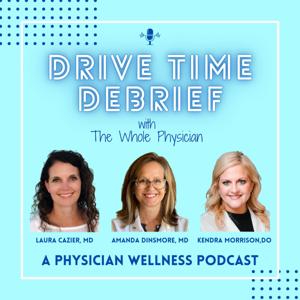


In this episode of Drive Time Debrief, Amanda, Laura, and Kendra tackle the often-overlooked emotion of contempt and its significant impact on physicians, relationships, and the culture of care in medicine. Drawing on insights from Brené Brown's Atlas of the Heart and Terry Real’s work on grandiosity and shame, they explore how contempt—whether directed outwardly or inwardly—fosters disconnection and damages well-being. The hosts share strategies to recognize, address, and move beyond contempt, helping physicians cultivate connection, empathy, and a wholehearted approach to their work and relationships.
What Is Contempt?
How Contempt Shows Up in Medicine
The Impact of Contempt
Breaking the Cycle of Contempt
Building a Culture of Respect in Medicine
Don’t Miss Our Free Video:
Check out our free resource, How to Crush Physician Burnout for Good Without Cutting Back Hours, Quitting Medicine, or Sucking It Up in Silence. Click the link in the show notes to access it today.
Stay Connected:
We’d love to hear your thoughts or experiences related to this episode. Email us at [email protected].
If you found this episode helpful, please leave a 5-star review and share it with a colleague—it helps us amplify our ripple effect!
You are whole. You are a gift to medicine. The work you do matters.
Next Episode: Tune in as we explore Empathy vs. Sympathy. See you then!
Resources:
Atlas of the Heart
Terry Real
How to Crush Physician Burnout for Good
Episode Summary:
In this episode, Amanda, Laura, and Kendra continue their mini-series based on Terry Real's book Us: Getting Past You and Me to Build a More Loving Relationship. The focus is on recognizing how the "adaptive child" shows up in relationships, understanding the concept of relational trauma, and learning how to move toward healthier, more connected relationships. This deep dive explores the impact of past experiences on present behaviors and how to intentionally shift away from maladaptive patterns.
What You’ll Learn in This Episode:
Understanding the Adaptive Child:
Trauma and Its Effects:
The Relationship Grid:
Practical Strategies for Healing and Growth:
Key Quotes:
Actionable Takeaways:
Resources Mentioned:
Get Involved:
Closing Notes:
You are whole, you are a gift to medicine, and the work you do matters. Until next time, remember that healing and connection are always possible.
If you found this episode valuable, don’t forget to subscribe and share it with a friend who might benefit!
Resources:
Link to Grid
Link to Us Book
Link to Free Session
Link to Free Video
Episode Summary:
In this episode, we delve into the concept of counterdependence—a form of hyper-independence often rooted in trauma or learned behaviors. We explore how counterdependence differs from healthy autonomy, the psychological roots of this defense mechanism, and how it impacts personal and professional relationships. The discussion highlights signs of counterdependence, such as reluctance to ask for help, discomfort with emotional closeness, and overcompensation through self-reliance.
We also discuss practical steps toward healing and finding balance, including therapy modalities like Internal Family Systems, emotional granularity, and reparenting. Plus, we touch on the cultural context of counterdependence, particularly in individualistic societies like the U.S., and how it contrasts with interdependence found in collectivist cultures.
Key Topics Covered:
What Is Counterdependence?
Signs of Counterdependence:
Healthy Autonomy vs. Counterdependence:
Psychological Roots and Cultural Influences:
Consequences of Counterdependence:
Practical Steps Toward Healing:
Resources Mentioned:
Listener Takeaways:
Stay Connected:
Email us at [email protected] with your thoughts or experiences on counterdependence.
Check Out Our Free Resource:
Watch our video, How to Crush Physician Burnout for Good Without Cutting Back Hours, Quitting Medicine, or Sucking It Up in Silence. Scroll down to the show notes for the link!
Support the Podcast:
Leave us a 5-star review and share a few sentences about what resonated with you. Your feedback helps other doctors discover our show and expands our reach.
Remember:
You are whole. You are a gift to medicine. The work you do matters.
Stay tuned for more episodes on building connection, resilience, and thriving in medicine!
Resources:
Link to Free Session
Link to Free Video
Episode Summary:
In this episode of DriveTime Debrief, we explore the powerful practice of forest bathing, its scientifically-backed benefits, and how physicians can incorporate it into their busy lives. Originating in Japan in the 1980s, forest bathing, or Shinrin-Yoku, is a nature-immersion technique that has proven benefits for mental health, immune function, and cardiovascular well-being.
Discover how spending even 10–15 minutes in nature can help reduce stress, boost immunity, and improve mindfulness. We share actionable tips to make forest bathing part of your routine and discuss how to introduce it to patients as a complementary wellness tool.
What You’ll Learn in This Episode:
What Is Forest Bathing?
Why It’s Relevant for Physicians:
The Science Behind Forest Bathing:
Practical Applications for Physicians:
Techniques for Forest Bathing:
Introducing Forest Bathing to Patients:
Addressing Barriers:
Weekly Homework Challenge:
Take 10–15 minutes this week to immerse yourself in nature. Notice how you feel before and after. If you’re unable to get outside, try listening to a natural soundscape or adding greenery indoors.
We’d love to hear about your experience! Email us at [email protected].
Resources Mentioned:
Connect with Us:
If you’re feeling stressed or burned out, schedule a session with one of our physician coaches. You are whole, you are a gift to medicine, and the work you do matters.
Tune in Next Week:
Join us for another episode focused on practical wellness strategies for busy physicians!
Resources:
Talk to a physician coach with our complimentary Physician Wellness Triage
Free Video: “How to Crush Physician Burnout (for Good) without Cutting Back Hours, Quitting Medicine, or Suffering in Silence.”
Park, B.-J., Tsunetsugu, Y., Kasetani, T., Kagawa, T., & Miyazaki, Y. (2010). The physiological effects of Shinrin-yoku (taking in the forest atmosphere or forest bathing): Evidence from field experiments in 24 forests across Japan. Environmental Health and Preventive Medicine, 15(1), 18–26. https://doi.org/10.1007/s12199-009-0086-9
Li, Q. (2010). Effect of forest bathing trips on human immune function. Environmental Health and Preventive Medicine, 15(1), 9–17. https://doi.org/10.1007/s12199-008-0068-3
Kotera, Y., Richardson, M., & Sheffield, D. (2019). Effects of Shinrin-yoku (forest bathing) and nature therapy on mental health: A systematic review and meta-analysis. Frontiers in Psychology, 10, 1–12. https://doi.org/10.3389/fpsyg.2019.02067
Lee, J., Park, B.-J., Tsunetsugu, Y., Kagawa, T., & Miyazaki, Y. (2011). The restorative effects of viewing real forest landscapes: Based on a comparison with urban landscapes. Scandinavian Journal of Forest Research, 26(3), 227–234. https://doi.org/10.1080/02827581.2011.564567
Hansen, M. M., Jones, R., & Tocchini, K. (2017). Shinrin-Yoku (forest bathing) and nature therapy: A state-of-the-art review. International Journal of Environmental Research and Public Health, 14(8), 851. https://doi.org/10.3390/ijerph14080851
Podcast Show Notes
Episode Title: From Pissed Off to Poised: Understanding Anger and Trauma with Dr. Arpita Gupta de Palma
Episode Summary:
Welcome back to the podcast! Today, we’re thrilled to be joined by Dr. Arpita Gupta de Palma, a pediatrician, trauma-informed physician coach, and podcaster. Dr. Arpita first joined us in 2022 to discuss anger (Episode 37), and now she’s back to dive even deeper into the topic. In this episode, we explore how trauma influences anger responses, why anger can act as an alert system, and how understanding these connections can lead to healthier emotional regulation.
Dr. Arpita also shares insights into her new podcast, From Pissed Off to Poised, which combines practical tools for anger and time management. This conversation is packed with relatable examples, actionable strategies, and a generous dose of grace for anyone who struggles with frustration, anger, or the fast pace of life.
What You’ll Learn in This Episode:
Key Highlights:
Dr. Arpita Gupta de Palma’s Podcast:
From Pissed Off to Poised is a limited-series podcast that explores anger, trauma, and time management. Packed with actionable tips and insights, it’s perfect for anyone looking to better understand their emotions and find practical solutions for managing life’s pressures.
Connect with Dr. Arpita:
Resources Mentioned in This Episode:
Join Us for Free Training:
Don’t miss our free video training, How to Crush Physician Burnout for Good Without Cutting Back Hours, Quitting Medicine, or Sucking It Up in Silence. Scroll down in the show notes for the link and check it out today!
Let’s Keep the Conversation Going:
If this episode resonated with you, let us know! Leave a review, give us five stars, and share your thoughts. Your feedback helps more doctors discover the podcast and keeps our ripple effect growing.
Closing Thoughts:
As Dr. Arpita reminds us, give yourself grace and props for recognizing the need to change how you show up. Anger is a universal experience, and addressing it with curiosity and compassion is the first step toward meaningful transformation.
Remember: You are whole, you are a gift to medicine, and the work you do matters.
Until next time!
Resources:
Book a free Physician Wellness Triage session with a physician coach
Download our Free Video: How to Crush Physician Burnout (for Good)
Arpita’s Website
From Pissed Off to Poised Podcast
Transforming Your Anger Course
HeartMath
In this episode, we dive into practical and actionable strategies for fostering healthier, more fulfilling relationships. Building on our previous discussions about losing and winning strategies in relationships, we share insights and real-life scenarios to help you create positive connections in your personal and professional life.
Key Topics Covered:
1. Radical Self-Acceptance
Embrace your strengths, weaknesses, and quirks without judgment or relying on external validation.
Learn how self-acceptance fosters authenticity and emotional independence in relationships.
2. Taking Responsibility for Your Happiness
Discover how pursuing personal passions and fulfillment reduces dependency on others and creates balance in partnerships.
3. Practicing Empathy and Compassion
Understand how stepping into your partner’s shoes during moments of conflict can de-escalate tensions and build trust.
4. Clear and Kind Communication
Learn the importance of directly expressing your needs and avoiding passive-aggressive behavior.
Real-life examples of how open communication fosters understanding and collaboration.
5. Setting Healthy Boundaries
Understand the importance of protecting your individuality while respecting your partner’s needs.
Tips for clearly communicating limits and following through with actions.
6. Quick Conflict Resolution
Strategies for repairing relationships after disagreements by prioritizing reconciliation and emotional health.
7. Commitment to Personal Growth
Explore the value of self-improvement for fostering mutual respect and reducing recurring issues in relationships.
8. Appreciation and Gratitude
Small gestures of gratitude can have a significant impact on building emotional bank accounts and deepening your connection.
Highlights and Takeaways:
Relationships thrive on intentional effort and growth.
Focusing on what *you* can do to implement these strategies benefits not only your relationships but also your personal well-being.
Small, consistent changes lead to long-term improvements in your connections with others.
Resources:
Free Video: How to Crush Physician Burnout for Good Without Cutting Back Hours or Quitting Medicine.
Schedule a free session with a physician coach for personalized guidance and support.
If you found this episode helpful, leave us a review and a five-star rating! Your feedback helps us reach more listeners and spread valuable insights.
Until next time, remember: You are whole, you are a gift to medicine, and the work you do matters.
keywords: relationships, self-acceptance, happiness, emotional independence, personal growth, empathy, communication, boundaries, conflict resolution, personal growth, relationships, gratitude, emotional safety, trust, partnership
In this episode, we’re thrilled to welcome Dr. Betsy Grunch, a board-certified neurosurgeon, mom, and social media sensation known as LadySpineDoc. Dr. Grunch shares her incredible journey—from growing up with a single mom, to becoming a leading figure in neurosurgery, to inspiring millions on Instagram and TikTok. She discusses how her mother’s spinal cord injury shaped her path, the importance of creating relatable content online, and how being authentic builds trust with her patients.
We also dive into the challenges of medical culture, the toxic training environments many face, and how Dr. Grunch advocates for a more supportive, inclusive, and collaborative workplace. Tune in to hear her thoughts on combating physician burnout, fostering work-life balance, and leading with kindness and humility.
What We Cover:
Resources and Links:
Connect with Us:
If today’s episode resonated with you, leave us a 5-star review and share your thoughts. We’d love to hear from you!
If you'd like a free Physician Wellness Triage session with a physician coach at The Whole Physician, click this link.
Stay Inspired:
Until next time, remember—you are whole, you are a gift to medicine, and the work you do matters.
In this episode, Amanda, Laura, and Kendra discuss winning strategies to improve relationships based on the work of renowned marriage therapist Terry Real. They explore how to move away from reactive, self-protective behaviors (losing strategies) and adopt proactive, compassionate approaches to foster deeper connection, trust, and resilience.
Key Takeaways:
1. Shift from Complaint to Request:
- Replace complaints with specific, actionable requests.
- Example: Instead of "You never help with chores," say, "Would you be willing to handle dishes on weekdays so I can focus on other chores?"
- Honoring your partner's ability to choose fosters cooperation.
2. Speak to Repair with Love and Respect:
- Approach conflict resolution with empathy, scheduling focused discussions (e.g., a 10-minute repair conversation).
- Use Terry Real's *Feedback Wheel*:
- Share what you saw/heard, what it triggered, how you felt, and what you need.
- Let go of the outcome to prioritize understanding over "winning."
3. Listen with Compassion:
- Listen to understand, not to counter.
- Acknowledge your partner's feelings, even if you don't agree.
- Example: "I understand why this feels overwhelming to you."
4. Empower Each Other:
- Reinforce teamwork by appreciating contributions.
- Offer support when making requests: “Is there anything I can do to make this easier for you?”
- Share responsibilities and explore compromises to create balance.
5. Cherish Each Other:
- Practice daily acts of appreciation and positive feedback.
- Schedule regular quality time together (e.g., weekly date nights).
- Engage in meaningful activities together, like volunteering, to strengthen your bond.
**Actionable Challenge:**
Choose one winning strategy this week to practice with your partner. Reflect on its impact on your relationship and consider building from there.
Resources Mentioned:
- Terry Real's book: Us
- Free Video: How to Crush Physician Burnout for Good Without Cutting Back Hours or Quitting Medicine.
Final Thoughts:
Relationships require effort, but intentional actions like these are investments in a fulfilling partnership. Start small and see the difference!
If you found value in this episode, leave us a review and share it with someone who could benefit. Until next time, remember: You are whole, you are a gift, and the work you do matters.
If you'd like a complimentary chat with a physician coach, click the link to book a physician wellness triage session.
In this episode, we tackle a common yet frustrating challenge: indecision. Even as professionals who excel in high-stakes environments, when it comes to personal or career decisions, we often find ourselves paralyzed. Why does this happen? How can we overcome it?
Here’s what we cover:
- Why indecision is so common – especially for high-achieving professionals accustomed to structured paths.
- The psychological underpinnings of indecision, including fear of failure, perfectionism, and a lack of confidence.
- Real-life stories of grappling with (and overcoming) decision paralysis.
- How cognitive distortions like proportion, temporal, and emotional distortions fuel indecision and keep us stuck.
Key Takeaways:
1. Fear is often at the root of indecision—fear of failure, regret, or disappointing ourselves or others.
2. Our brains love the status quo. They resist risk and can blow decisions out of proportion, making them seem impossible or overwhelming.
3. Indecision isn’t permanent. By identifying the root causes and using proven strategies, you can move forward.
Practical Solutions for Overcoming Indecision:
- Break big decisions into smaller steps. Focus on gathering facts and taking the next right action.
- Set deadlines for yourself. Avoid the endless loop of "information gathering" by choosing a reasonable timeframe to decide.
- Challenge distortions. Ask yourself:
- What's the worst that could happen?
- How likely is that to occur?
- If it did happen, how would I handle it?
- Reframe discomfort as growth. Feeling scared doesn’t mean something is wrong; it often means growth is happening.
- Limit outside opinions to trusted sources who align with your values and goals.
Special Mention:
We discuss insights from Nuala Walsh’s TEDx Talk, including her three types of decision distortions (proportion, temporal, and emotional) and how to combat them.
Don’t Miss Our Free Resource!
We’ve created a free video just for you: “How to Crush Physician Burnout for Good Without Cutting Back Hours, Quitting Medicine, or Sucking It Up in Silence.”
Find the link in the show notes to start reclaiming your joy today!
Closing Thoughts:
- You are whole.
- You are a gift to medicine.
- The work you do matters.
If this episode resonated with you, please leave us a 5-star review and share your thoughts. Your feedback helps us reach more physicians and make a bigger impact.
TEDx talk: How to Overcome Indecision
Our links:
How to Crush Physician Burnout (for Good)-free video or speak directly to a coach for FREE: triage session
Welcome back to the podcast! Today, we’re diving into *Us: Getting Past You and Me to Build a More Loving Relationship* by Terrence Real. This book has left a deep impact on all three of us, Amanda, Laura, and Kendra, and we're excited to share key insights on how to foster deeper connections in relationships.
1. The Three Selves in Relationships
Terrence Real introduces the concepts of the "Wounded Child," "Adaptive Child," and "Wise Adult" within us. Each part can impact our interactions, especially in times of stress. For example, when stress triggers the Adaptive Child, we might revert to defensive, perfectionistic, or rigid responses, limiting our ability to connect.
2. Moving Toward the Wise Adult
The Wise Adult is the part of us capable of emotional regulation, grounded in the present moment, and focused on the “us” in relationships rather than just "me versus you." Practicing "relational mindfulness," as Real describes it, helps us move from reactionary behavior to thoughtful responses that prioritize the relationship.
3. Relational Mindfulness and Power Dynamics
Real’s approach encourages moving from a "power-over" to a "power-with" perspective. Relational mindfulness is about becoming aware of our own impulses and prioritizing the relationship ecosystem over individual needs. This doesn’t mean neglecting personal needs but rather not letting those needs dominate interactions.
4. Relational Heroism
Real’s wife, Belinda, coined the term "relational heroism" for moments when, instead of defaulting to old habits, we choose connection and insight. This shift from automatic, defensive reactions to thoughtful, relational actions requires self-awareness and discipline.
5. Self-Responsibility and Maturity
Maturity in relationships involves taking full responsibility for our actions and emotional triggers. This means acknowledging when we’re operating from an adaptive, defensive place rather than our wise, grounded self. Understanding our reactions and managing triggers is essential for healthier connections.
6. Interpersonal Neurobiology
Real touches on the science of how our central nervous system and relationships are deeply intertwined. Our early life experiences shape how we perceive intimacy and connection in adult relationships. Relationships are meant to be a source of co-regulation, enhancing our physical and emotional well-being.
7. The Importance of Connection
Real discusses “Social Baseline Theory,” which emphasizes the evolutionary benefits of social connections. These connections help us conserve energy, regulate emotions, and mitigate risk. This need for connection is evident in research on loneliness and isolation, underscoring the importance of close, supportive relationships.
8. Understanding Subjective Reality
Real emphasizes that subjective experience is often more important than objective facts. Accepting your partner’s perception of reality can improve understanding and reduce conflict, shifting from a “me versus you” mentality to an “us” mindset.
9. The Framework of Connection
True intimacy is built through awareness of each other’s needs, emotions, and triggers. Individuality has its place, but lasting relationships thrive on mutual understanding, shared values, and a focus on connection over competition.
Additional Resources and Final Thoughts
As we continue our journey through this book, we invite you to explore Real’s work, available in his books, online resources, and YouTube videos. Thank you for joining us today—be sure to check out our new free video linked in the show notes. Remember, you are whole, your gift to medicine is unique, and the work you do matters.
https://www.amazon.com/Us-Getting-Build-Loving-Relationship/dp/0593233670
https://terryreal.com/
https://www.youtube.com/@realterryreal
Check out our new video, "How to Crush Physician Burnout for Good, without Quitting Medicine, Cutting Back Hours, or Sucking it Up in Silence"-click here!
From the publisher's feed

43,824 Listeners

1,866 Listeners

2,053 Listeners

5,136 Listeners

2,443 Listeners

111,852 Listeners

1,158 Listeners

7,983 Listeners
14,363 Listeners

226 Listeners

1,607 Listeners

19,223 Listeners

268 Listeners

40 Listeners

12,466 Listeners