
Sign up to save your podcasts
Or

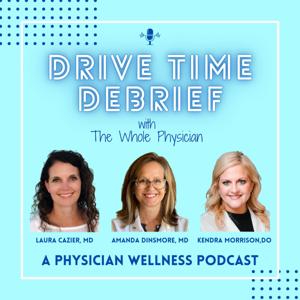


System-Wide Remedies for Physician Burnout with with Stef Simmons, MD
In this episode, Amanda, Laura, and Kendra welcome Dr. Stef Simmons, a board-certified emergency physician and the Chief Medical Officer of the Dr. Lorna Breen Heroes Foundation. Dr. Simmons shares her journey and discusses the critical work of the foundation, created to honor Dr. Lorna Breen, an emergency physician who tragically died by suicide during the early days of the COVID-19 pandemic. Dr. Simmons addresses the systemic issues that contribute to burnout and mental health challenges among healthcare workers and outlines national initiatives, legislative efforts, and resources aimed at supporting well-being in the medical field.
Topics Covered:
1. Introduction to Dr. Stef Simmons and the Dr. Lorna Breen Heroes Foundation
Dr. Simmons shares her background as an emergency physician and a certified coach. She introduces listeners to the Lorna Breen Heroes Foundation, which she supports as CMO, and provides an overview of the foundation’s mission: preventing healthcare worker suicide and addressing the systemic drivers of burnout.
2. The Story of Dr. Lorna Breen
Dr. Simmons recounts the life and legacy of Dr. Lorna Breen, an emergency physician in New York City who faced overwhelming physical and emotional challenges during the COVID-19 pandemic. Despite her dedication, Dr. Breen struggled with stigma around seeking mental health support, ultimately leading to her tragic death. This experience led her family to create the foundation in her honor, sparking national conversations about healthcare worker well-being.
3. The Impact of COVID-19 on Healthcare Workers
Dr. Simmons discusses the heightened challenges faced by healthcare professionals during the pandemic, including increased workloads, insufficient resources, and the shift in public perception from admiration to criticism. She highlights how these challenges, along with rapid changes in healthcare delivery, contribute to burnout and mental health issues.
4. Dr. Simmons’ Personal Journey
Reflecting on her own experiences with postpartum depression during residency, Dr. Simmons shares how the culture of medicine discouraged seeking mental health care. Her journey led her to roles focused on patient and clinician experience, coaching, and ultimately to her current position with the Dr. Lorna Breen Heroes Foundation.
5. National Efforts to Address Burnout and Mental Health in Healthcare
Dr. Simmons outlines national initiatives, including the Dr. Lorna Breen Healthcare Provider Protection Act, which allocates funding to support healthcare worker mental health and well-being programs. She also highlights collaborations between organizations like the AMA, AHA, and ANA, working together to remove stigmatizing language around mental health in credentialing and licensing.
6. The Foundation’s Statewide Collaboratives and Resources
Dr. Simmons explains the “All In Caring for Caregivers” initiative, starting in Virginia and expanding to other states. These statewide efforts focus on legislative changes, hospital-level interventions, and support for healthcare worker well-being. Resources include the Impact Wellbeing Guide, which offers steps hospitals can take to support clinicians, reduce burnout, and create healthier work environments.
7. Steps Hospitals Can Take to Support Healthcare Worker Well-being
Dr. Simmons shares actionable steps hospitals can take to support their workforce:
- Identify and maintain existing positive practices.
- Listen to staff and establish an interdisciplinary team to guide well-being initiatives.
- Remove stigmatizing language about mental health in credentialing and licensing.
- Establish two-way communication between leaders and staff.
- Measure and support professional well-being through peer support, enhanced mental health resources, and workload impact assessments.
8. The Importance of Coaching and Mental Health Resources
Dr. Simmons and the hosts discuss the role of coaching as a support tool for healthcare workers, emphasizing that while coaching is valuable, it may need to be complemented by other mental health resources. They encourage listeners to advocate for support within their own hospitals, including coaching, therapy, and psychiatric services.
9. Advocacy and the Future of the Dr. Lorna Breen Healthcare Provider Protection Act
Dr. Simmons provides an update on the reauthorization of the Dr. Lorna Breen Act and the importance of bipartisan support for ongoing funding and resources. Listeners are encouraged to advocate for the act and spread awareness within their communities.
10. Closing Thoughts
Dr. Simmons emphasizes that being a caregiver doesn’t preclude one from being a care receiver and encourages healthcare workers to prioritize their well-being. She reinforces the importance of system-level changes in creating sustainable work environments for clinicians.
Resources Mentioned:
- The Dr. Lorna Breen Heroes Foundation website: [drbreenheroes.org](http://drbreenheroes.org)
- Information on the Dr. Lorna Breen Healthcare Provider Protection Act
- Impact Wellbeing Guide and toolkit for hospitals
- Champions Challenge Badge for hospitals that remove stigmatizing mental health language from credentialing
- The Foundation’s interactive map tracking state and hospital-level policy changes
How to Get Involved:
- Write to your state representatives in support of the Dr. Lorna Breen Healthcare Provider Protection Act.
- Advocate for changes to credentialing and licensing applications in your hospital or state.
- Consider donating to the Dr. Lorna Breen Heroes Foundation to support their mission.
Special Offer:
Check out our free video, "How to Crush Physician Burnout for Good Without Cutting Back Hours, Quitting Medicine, or Sucking it Up in Silence," linked in the show notes. This resource provides actionable strategies for managing burnout and sustaining well-being.
Contact Dr. Stef Simmons:
Email: [email protected]
Website: [drbreenheroes.org](http://drbreenheroes.org)
Thank you for listening!
Please leave us a review and share this episode with fellow healthcare professionals.
Resources:
https://drlornabreen.org/
Write your representative to re-authorize and fund the Dr. Lorna Breen Healthcare provider protection act: https://drlornabreen.org/reauthorizelba
Learn how to change the credentialing application at your organization: https://drlornabreen.org/removebarriers
Learn more about the Impact Wellbeing (TM) guide:
https://www.cdc.gov/niosh/healthcare/impactwellbeingguide/index.html
Become an ambassador:
https://drlornabreen.org/become-an-ambassador
Donate:
https://drlornabreen.org/donate
Video: How to Crush Physician Burnout for Good
In today’s episode, we’re diving into the second part of our series on “Losing Strategies” in relationships. We explore how certain behaviors undermine connection, create emotional distance, and hinder growth, drawing insights from renowned therapists Terry Real and Dr. Jennifer Finlayson-Fife.
We begin with a quick recap of the first episode and then introduce five additional “losing strategies” that can be detrimental to relationships:
1. Playing the Victim – Recognizing the disempowerment in victimhood and how it can impact both personal and relational growth.
2. Defensiveness – How defending ourselves undermines trust and prevents honest communication.
3. Blaming – Shifting responsibility onto others as a way of avoiding self-reflection, creating a hostile environment.
4. Scorekeeping – Keeping track of every wrong and using it as ammunition during conflicts, which prevents forgiveness and encourages resentment.
5. Emotional Blackmail and Stonewalling – Emotional manipulation and shutting down emotionally to avoid discomfort, which erodes safety, trust, and connection.
We also offer practical strategies to counter these behaviors, such as practicing gratitude, setting personal boundaries, and recognizing self-authorship. We remind listeners that these strategies are meant for self-reflection, not to be used as a tool for changing others.
Finally, we discuss the importance of winning strategies that foster intimacy and growth, including empathy, active listening, and healthy conflict resolution. We’ll explore these more in an upcoming episode.
Resources Mentioned:
- *I Don’t Want to Talk About It* by Terry Real
- *Us: Getting Past You and Me to Build a More Loving Relationship* by Terry Real
- Insight into “self-authorship” from Dr. Jennifer Finlayson-Fife
If you found value in today’s episode, please consider leaving a five-star review. This helps other doctors find our podcast and extends our reach. Also, don’t miss our free video, *How to Crush Physician Burnout for Good Without Cutting Back Hours, Quitting Medicine, or Sucking It Up in Silence.* You can find the link in the show notes.
Thank you for tuning in! Remember, you are whole, you are a gift to medicine, and the work you do truly matters.
www.thewholephysician.com
Losing Strategies in Relationships
In this episode, Amanda, Laura, and Kendra dive into the first of two episodes on losing strategies in relationships, focusing on behaviors that harm intimacy and connection. Drawing from the work of renowned therapist Terry Real and psychologist Dr. Jennifer Finlayson Fife, the hosts break down five common maladaptive strategies that people often use, thinking they will give them more power in relationships. However, these strategies ultimately damage trust and closeness.
Laura introduces the topic, sharing insights from her relationship coaching certification with Terry Real. She explains how these losing strategies—many of which are ingrained in us from childhood—can become habits that undermine relationships, particularly in the high-stress environment of medicine.
The five losing strategies discussed in this episode are:
1. Being Right: Focusing on winning an argument at the expense of the other person’s feelings or perspective. The hosts share the idea that "do you want to be right, or do you want to stay married?" and stress the importance of empathy and understanding over proving a point.
2. Controlling: Covert control can manifest through withholding information or micromanaging, often under the guise of "keeping the peace." The hosts explore how this undermines mutual respect and fuels resentment.
3. Unbridled Self-Expression: Venting every emotion without considering the other person’s needs or the timing of the conversation. This often leads to emotional overwhelm and distancing.
4. Retaliation: Reacting to hurt by trying to hurt the other person in return. This tit-for-tat behavior creates a toxic cycle of resentment and emotional distance.
5. Withdrawal: Shutting down emotionally or physically to avoid conflict or vulnerability. The hosts explore how this leads to unresolved issues and emotional disconnection.
The episode ends with a reminder to reflect on these strategies in ourselves rather than using them to criticize our partners. The hosts emphasize the importance of self-awareness, empathy, and active listening as foundational steps toward improving relationships.
Additional Resources
Check out the free video "How to Crush Physician Burnout for Good" in the show notes. Learn evidence-based strategies to overcome burnout without cutting back hours, quitting medicine, or "sucking it up" in silence.
Tune in next time for part two, where the hosts will continue this important conversation with more losing strategies and introduce some winning ones!
How to Crush Physician Burnout (for Good)-free video
https://terryreal.com/
US book (must read)
https://www.finlayson-fife.com
Welcome back to the podcast! In this episode, Amanda, Laura, and Kendra share their excitement over a glowing five-star review from Dr. Lauren Anderson, MD, and dive into a discussion on repairing relationships with adults, inspired by the Gottman Institute’s research.
What You’ll Learn in This Episode:
- The Gottman Method: John and Julie Gottman’s robust research on marriage and relationships has provided a wealth of knowledge about what makes relationships work and fail. The hosts discuss the “Four Horsemen” of relationship conflict: criticism, contempt, defensiveness, and stonewalling, and the importance of repair attempts to maintain healthy relationships.
- Imperfect Relationships: Perfection isn’t the goal. Instead, it’s about how we manage the inevitable mistakes and miscommunications. The hosts explore the idea that 91% of the time, we’re miscommunicating or having hurt feelings, but what matters is how we make repairs.
- Repair Attempts: The episode focuses on how to initiate and recognize repair attempts, whether it’s through a smile, kind words, or an action like holding hands. The key is creating a safe space to understand where your partner is coming from and to validate each other’s feelings.
- Using I-Statements: Effective communication during conflict can often begin with “I” statements, like “I feel overwhelmed” or “I need a break,” which can help de-escalate a heated conversation and foster better understanding.
- Bids for Connection: Learn how responding to small “bids” from your partner—like a comment about the weather or a request for attention—builds the foundation of a healthy relationship and strengthens emotional connection.
- Building Friendship: The hosts emphasize that a solid friendship is the foundation of any healthy relationship. The Gottman Method’s “Sound Relationship House” model starts with nurturing fondness, admiration, and responding to your partner’s emotional needs.
- Practical Applications for Work and Life: Although this episode focuses on intimate relationships, the principles of repair can also be applied to professional relationships, friendships, and family dynamics.
Key Takeaways:
- Relationships are built on moments of repair, not perfection.
- Using gentle startups and I-statements can help diffuse conflict.
- Bids for connection are important to strengthen the emotional bond in any relationship.
- You can apply these repair techniques in both personal and professional settings.
Special Mention:
Dr. Lauren Anderson, MD, left us a wonderful five-star review, and it really made our day! Your feedback means the world to us, so please leave a review if you haven’t already. It helps other doctors find us and allows us to expand our ripple effect.
Resources:
Check out our new free video, *How to Crush Physician Burnout for Good Without Cutting Back Hours, Quitting Medicine, or Sucking It Up in Silence*. Scroll down in the show notes to find the link.
Until Next Time:
You are whole. You are a gift to medicine, and the work you do matters.
Resources:
https://www.gottman.com/blog/repair-secret-weapon-emotionally-connected-couples/
https://www.iecouplescounseling.com/blog/repair-attempts-preserve-relationship-conflict
Episode Summary:
In this episode, we dive into a crucial relationship skill: making repairs after conflicts or emotional disconnections. Inspired by a TED Talk from clinical psychologist Dr. Becky Kennedy, also known as Dr. Becky, they discuss why repairs are vital, especially between parents and children, though the principles apply to all relationships. Learn how to move beyond surface-level apologies and create meaningful reconnections with loved ones. The hosts explore what happens when ruptures go unrepaired, the impact on children, and the long-term effects of self-blame and emotional isolation.
They also provide actionable steps to repair relationships, starting with yourself and then moving to the other person involved, and how these repairs can shift the narrative around hurtful events. Throughout the conversation, Amanda and Laura share personal insights, examples, and humorous reflections, making this a relatable and insightful episode for parents and anyone seeking to deepen their relationships.
Key Takeaways:
What is Repair? Repair goes beyond saying “I’m sorry.” It’s about revisiting the moment of disconnection, taking responsibility, and acknowledging the impact of your actions.
Why Apologies Aren’t Enough: Apologies can sometimes shut down the conversation, while a true repair opens it up and creates a space for reconnection.
The Impact of Unrepaired Ruptures: Unrepaired moments can lead to emotional distress, and children often internalize blame, feeling unworthy or responsible for the rupture.
Steps to Repair:
1. Repair with yourself: Separate your identity from the action—acknowledge you are a good parent or person who had a bad moment.
2. Repair with the other person: Describe what happened in objective terms, take responsibility, and express what you’ll do differently next time.
3. Acknowledge the other person’s emotions, especially if they felt scared or hurt.
Repairing with Children: Teach kids how to express disappointment without being disrespectful. Modeling this behavior helps them grow into adults who take responsibility without spiraling into self-blame.
It’s Never Too Late: Whether your child is young or grown, it’s never too late to start making repairs. Amanda and Laura share a powerful example of what it would feel like to receive an apology from your parents for moments of emotional distress in your childhood.
Memorable Quotes:
- "Ruptures are inevitable in relationships, but what matters is learning how to repair."
- "It’s hard to help someone else when you’re hating yourself and not grounded in your own self-worth."
- "Instead of blaming the other person, attempt to have a repair that increases your connection rather than drives you apart."
Resources Mentioned:
- Dr. Becky Kennedy’s TED Talk: *The Single Most Important Parenting Strategy* (Link in show notes)
- Dr. Becky’s Good Inside Podcast and Parenting Membership (Link in show notes)
Actionable Tip: Practice the art of repair by acknowledging your role in emotional ruptures, taking responsibility, and discussing what you'll do differently next time. This practice builds stronger, more resilient relationships.
Connect with Us:
- If you enjoyed this episode, please scroll down, give us five stars, and leave a review! It helps our ripple reach more people.
Closing:
“You are whole, you are a gift to medicine, and the work you do matters.”
Resources:
TED Talk from Dr. Becky Kennedy
https://goodinside.com
Got Burnout? Download our free training: "How to Crush Physician Burnout (for Good) without Cutting Back Hours, Quitting Medicine, or 'Sucking It Up' in Silence."
In this episode, the hosts welcome Dr. Andrea Austin, an emergency physician and advocate for physician well-being, to discuss her new book 'Revitalized'. The conversation explores themes of hyperfunctioning and underfunctioning in medical culture, the challenges of mental health in both military and medical settings, the importance of emotional check-ins, and the role of humor in coping with the stresses of the profession. Dr. Austin shares personal experiences and insights on navigating nihilism, pain, and resistance, emphasizing the need for a supportive healthcare culture that prioritizes well-being.
Takeaways:
keywords: physician well-being, mental health, hyperfunctioning, medical culture, humor in medicine, arrival fallacy, emotional intelligence, burnout, resilience, military experience
Chapters 00:00 Introduction to Dr. Andrea Austin
02:51 Exploring Hyperfunctioning and Underfunctioning
07:41 Military and Medical Culture: Mental Health Challenges
12:10 The Importance of Emotional Check-Ins
14:52 Understanding Arrival Fallacy 20:01 Navigating Nihilism and Isolation
21:16 Pain, Resistance, and Suffering 25:40 The Role of Humor in Medicine
31:55 Conclusion and Book Promotion
Resources:
Book-Revitalize at andreaaustinmd.com
Arrival Fallacy Article
Got Burnout? Download the free training: "How to Crush Physician Burnout (for Good) without Cutting Back Hours, Quitting Medicine, or 'Sucking It Up' in Silence."
In this episode, we dive into the last chapter of Dan Buettner's book, Blue Zones: Secrets for Living Longer, Lessons from the Healthiest Places on Earth. He addresses ways that we can make longevity-promoting behaviors automatic for us.
We discuss his suggestions for optimizing our homes, kitchens, and bedrooms for the greatest chance of success.
Resource:
Blue Zones Books
Link to Networking Event
Got Burnout? Download the free training: "How to Crush Physician Burnout (for Good) without Cutting Back Hours, Quitting Medicine, or 'Sucking It Up' in Silence."
In this episode, Amanda, Laura, and Kendra discuss the alarming rate of physician suicide and the need for increased awareness and support. They share the story of Dr. Lorna Breen, an emergency physician who tragically took her own life after working tirelessly during the COVID-19 pandemic. The hosts explore the factors that contribute to physician suicide, including the stigma around mental health in the medical profession and the unique challenges faced by female physicians. They emphasize the importance of self-care, seeking help, and supporting colleagues in order to prevent physician suicide. keywords: physician suicide, suicide awareness, mental health, support, stigma, COVID-19, self-care, seeking help, colleagues takeaways
Sound Bites
Chapters 00:00Introduction 00:42National Physician Suicide Awareness Day 03:06 The Story of Dr. Lorna Breen 06:05 The Fear of Seeking Help 08:05 Breaking the Stigma Around Mental Health 09:08 The Unique Challenges Faced by Female Physicians 11:02 Exploring the Higher Suicide Rate Among Women Physicians 17:10 The Pressure to Prioritize Work Over Personal Well-being 20:04 Prioritizing Self-Care and Seeking Help 28:03 Supporting Colleagues to Prevent Physician Suicide 33:33 Resources and Conclusion
AI show notes are experimental. Did you find them useful?
Resources:
https://npsaday.org/
Physician Support Line 1-888-409-0141
Podcast with Michelle Chestovich
Creating Your Own Blue Zone – Food Guidelines for Longevity
In this episode of the Blue Zones Book Club podcast, Amanda, Laura, and Kendra dive into practical ways to create your own Blue Zone with a focus on nutrition and lifestyle. They discuss key habits and food guidelines that help people in Blue Zones around the world live longer, healthier lives. From adopting a plant-based diet to eating less processed foods, the hosts share tips based on research from *The Blue Zones: Secrets for Living Longer* by Dan Buettner. Learn how small, intentional changes to your diet can promote health and longevity, inspired by the habits of Blue Zone communities.
Key Topics Covered:
- Blue Zones Recap: What are Blue Zones, and why do people in these regions live longer, healthier lives?
- Food Guidelines: Recommendations from Blue Zones, including eating a 95% plant-based diet, choosing whole grains, and reducing sugar intake.
- Beans, Nuts, and Dairy: Why beans and nuts are staples in Blue Zones, and how reducing dairy may benefit your health.
- Eating Less Meat: The importance of eating meat sparingly and choosing fresh, unprocessed cuts.
- Healthy Bread Choices: The benefits of sourdough and whole-grain bread over highly processed options.
- Drinking Habits: How people in Blue Zones stick to coffee, tea, water, and wine—and why sugary drinks don’t make the list.
- Bonus Tips: Stock up on frozen veggies, snack on nuts, slash sugar, and make whole foods a part of your daily routine.
Notable Quotes:
- “The goal isn’t to kill the joy of eating but to crowd out the junk from our diets.”
- “People in Blue Zones tend to eat 20% less than Americans and make better food choices.”
- “Keep fruits and veggies on hand, even frozen if fresh isn’t available.”
- If you enjoyed today’s episode, please leave a review and give us 5 stars! Your feedback helps other listeners discover our show.
- Are you attending ACEP in Las Vegas this September? Join us at our networking event at the Libertine Social Lounge in the Mandalay Bay on Monday, September 30th from 5-7 p.m. Click the link in the show notes to reserve your spot—tickets are limited!
Thank You to Our Sponsor:
A special thanks to our gold sponsor, Brault, for supporting this episode. Brault offers scalable services to support emergency medicine practices, from revenue cycle management to practice growth strategies—all under one umbrella.
Links Mentioned in This Episode:
Blue Zones Books
Link to Networking Event
Summary
In this episode, Amanda, Kendra and Laura discuss the Blue Zone of Okinawa and the factors that contribute to the longevity and health of its residents. They highlight the importance of finding purpose in life, following a plant-based diet, relying on social support networks, and staying active. They also mention the traditional foods of Okinawa, such as purple sweet potatoes and tofu, which are rich in nutrients. The hosts provide takeaways for listeners, including finding their own Ikigai, eating more soy, gardening, building social connections, and enjoying the sunshine.
Keywords
Blue Zone, Okinawa, longevity, health, purpose, plant-based diet, social support, active lifestyle, traditional foods, Ikigai, soy, gardening, social connections, sunshine
Takeaways
Find your Ikigai and have a sense of purpose in life.
Follow a plant-based diet rich in vegetables, purple sweet potatoes, and tofu.
Build social support networks and surround yourself with a committed social circle.
Stay active by gardening, walking, and incorporating movement into daily activities.
Get vitamin D from sunshine and activate your home environment.
Include kitchen herbs like mugwort, ginger, and turmeric in your diet.
Be interested and interesting, ask questions, and connect with others.
Attend the ACEP conference in Las Vegas to connect with fellow physicians.
Consider Brault as a scalable service to support your emergency medicine practice.
Chapters
00:00 Introduction to Okinawa and Blue Zones
03:24 The Fading Blue Zone of Okinawa
04:52 Ikigai and Finding Purpose in Life
05:46 The Power of a Plant-Based Diet
07:04 The Benefits of Soy-Rich Foods
09:01 Gardening: A Path to Health and Happiness
09:54 Building Social Networks and Support Systems
11:43 The Importance of Sunlight and Vitamin D
12:55 Staying Active and Aging Gracefully
14:33 Harnessing the Power of Kitchen Herbs
16:10 Being Interested and Interesting: The Key to Connection
17:01 Closing Remarks and Event Announcement
Resource:
Blue Zones Books
Link to Networking Event
From the publisher's feed

43,824 Listeners
1,866 Listeners

2,053 Listeners
5,136 Listeners

2,443 Listeners

111,852 Listeners

1,158 Listeners

7,983 Listeners
14,363 Listeners
226 Listeners

1,607 Listeners

19,223 Listeners
268 Listeners
40 Listeners

12,466 Listeners