
Sign up to save your podcasts
Or

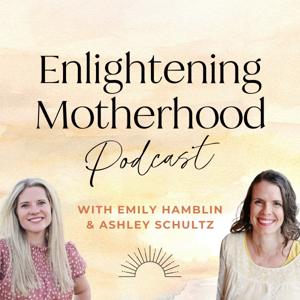


Have you ever noticed how your child falls apart after birthday parties, holidays, sleepovers, or even a regular school day?
In this episode, Emily unpacks the "post-big event crash," why it happens so often for neurodivergent kids (and adults!), and what you can do to help your child move through it with less stress for everyone.
In this episode, you'll learn:
Why kids (and adults) often crash after exciting events, from big performances to a regular school day.
The not-so-obvious things that drain a neurodivergent child's energy
The best and worst times to teach emotional regulation skills.
How to create a post-event plan with your child that actually meets their needs.
Why noticing your own crashes is one of the most powerful ways to help your child.
📆 Join the FREE class for parents: Emotional Regulation for Neurodivergent Kids
https://emily-hamblin.com/class
Connect with Emily on Instagram: https://instagram.com/emilyhamblincoaching
Does your neurodivergent child push back every time you try to help with big emotions?
You’ve probably tried therapy, books, rewards, sticker charts, bribery, and maybe even bigger rewards…but somehow, you still end up in a power struggle.
What if they just need a different approach?
In this episode, Emily explains why typical control-based approaches can create more resistance, and what you can try instead.
What you need to know is that nothing you’ve tried has been wasted. You’re learning what works for your child. And when you become partners instead of opponents, you can start moving toward fewer power struggles, more connection, and more peace at home.
In this episode, you'll learn:
- Why so many approaches to emotional regulation don't work for neurodivergent kids.
- Why autonomy matters so much to neurodivergent kids. - The difference between collaboration and having no boundaries.
- Simple steps to hear your child's side and solve problems together.
Doors are Open for The Brain Body Emotional Regulation Class for Neurodivergent https://www.emotionallyhealthyfamilies.com/go
Connect with Emily on Instagram: https://instagram.com/emilyhamblincoaching
Grab your FREE ticket to the Raising Emotionally Healthy Neurodivergent Families Summit September 1-4, 2006
💛 https://www.emotionallyhealthyfamilies.com
Have you ever been surprised by a small act of kindness that meant more to you than you expected?
When life feels stressful or frustrating, it can be easy to fixate on everything going wrong in our lives. But there is still a lot of goodness in the world. Sometimes, we just need to train our brains to look for it.
In this episode, Emily shares a personal story from a recent family road trip. An unexpected visit with one of her husband’s former students led to an incredible reminder about kindness, service, and the gift of full-circle moments.
We may never see the results of the kindness we give. But every kind act can make a difference.
What you'll take away:
Grab your FREE ticket to the Raising Emotionally Healthy Neurodivergent Families Summit
September 1-4, 2006
💛 https://www.emotionallyhealthyfamilies.com
Connect with Emily on Instagram: https://instagram.com/emilyhamblincoaching
Back to school is full of excitement and nerves. And when routines change, so does the predictability our kids depend on.
In this episode, Emily shares her own family's transition as her youngest three children began a new school. She walks through what helped, what didn't, and the setback that's still unfolding in real time.
What you'll take away:
A simple first step to stop your own anxiety spiral before it starts
Why getting outside help to process your concerns changes everything
A collaborative approach for getting resistant kids on board
How small, visual systems reduce morning and after-school friction
Grab your FREE ticket to the Raising Emotionally Healthy Neurodivergent Families Summit September 1-4th.
Connect with Emily on Instagram: https://instagram.com/emilyhamblincoaching
Have you ever felt frustrated because your partner parents differently than you do? When you have a husband, wife, or partner who’s making different parenting choices than you do, it can be incredibly challenging. That is, until you have a healthy perspective.
What you'll take away:
Your kid doesn't need perfect parents. But they DO need parents who are willing to keep learning, keep growing, and keep showing up with love.
Join the FREE class for parents: Emotional Regulation for Neurodivergent Kids https://emily-hamblin.com/class
Connect with Emily on Instagram: https://instagram.com/emilyhamblincoaching
Do you ever catch yourself thinking, "If my child could just [insert the daily task that often ends in a meltdown], I'd feel like I won the lottery"? It can feel silly to celebrate those moments when they finally happen, but they're actually signs of something much bigger.
In this episode, Emily gets real and shares part of her own story growing up in a home with emotional chaos. She promised herself that when she was a mom, her family would be different. (Sound familiar?) Then one day, she was faced with the reality that her kids were scared of how she reacted when they really just needed her support. That's when she had to make a choice.
What you'll take away:
Why those "small" emotional regulation wins are actually monumental and what they're really evidence of
Why willpower alone doesn't work for neurodivergent brains
How to keep going when therapy, OT, or past approaches have only "helped some"
Why emotional regulation is a lifelong journey, not a finish line
Join the FREE class for parents: Emotional Regulation for Neurodivergent Kids https://emily-hamblin.com/class
Connect with Emily on Instagram: https://instagram.com/emilyhamblincoaching
Ever wonder what really happens behind the scenes of a growing parenting business and why some families experience such powerful transformations?
In this special annual reflection episode, Emily is pulling back the curtain on the biggest lessons, challenges, and wins from the past year of Enlightening Motherhood.
From launching the Brain-Body Emotional Education (BBE) program to helping more than 100 children build emotional regulation skills, Emily shares what has fueled the growth of both the business and the families it serves. She also opens up about investing in personal growth, building a dream team, stepping into the CEO role, and why emotional regulation remains at the center of everything.
Most importantly, this episode is a reminder that meaningful growth in parenting, business, or life never happens in a vacuum.
What you'll take away:
The surprising reason Enlightening Motherhood more than tripled this year
How emotional regulation is transforming neurodivergent kids and their families
Why investing in your own growth makes you a stronger parent
The power of finding support instead of trying to do everything yourself
Lessons learned from building a mission-driven business that prioritizes impact over revenue
Encouragement for parents who are working hard to break generational cycles and create emotionally healthy families
Whether you're raising a neurodivergent child, building something meaningful, or simply trying to become a healthier version of yourself, this episode will leave you feeling inspired to keep growing.
Join the FREE class for parents: Emotional Regulation for Neurodivergent Kids https://emily-hamblin.com/class
Connect with Emily on Instagram: https://instagram.com/emilyhamblincoaching
Do you ever look at another family and wonder why parenting isn’t seems so much easier for them?
If you're raising a neurodivergent child, it's easy to fall into the comparison trap. You see the child sitting quietly at a performance, the family whose house always seems organized, or the parent who appears calm and confident. Suddenly, you're questioning yourself, your parenting, and even your child.
In this episode, co-host, friend, and fellow neurodivergent mom Ashley Schultz is back to talk about the hidden cost of comparison, why feeling judged often leads to isolation, and how parents can break free from the cycle of self-doubt, shame, and discouragement.
Together, they share personal stories, practical mindset shifts, and simple ways to start noticing the good in yourself and your child again.
Key Takeaways:
• The ways comparison makes us focus on our struggles and other people's strengths.
• Why feeling judged often leads to isolation and disconnection.
• How compassion helps us see both the challenges and the strengths in ourselves and our children.
• Looking for the good can retrain your brain and strengthen connection.
If you're feeling alone, overwhelmed, or like everyone else has parenting figured out except you, this conversation will remind you that you're not failing and you're not the only one.
Join the FREE class: Emotional Regulation for Neurodivergent Kids: https://emily-hamblin.com/class
📲 Connect with Emily on Instagram: https://instagram.com/emilyhamblincoaching
You know you need more sleep. So why can't you just... go to bed?
If you're a mom of a neurodivergent child, you know that some days, the exhaustion is next-level. But sleep deprivation isn't always just about kids keeping us awake. Often, we're the ones staying up late scrolling, working, numbing out, or hanging onto the only quiet time we've had all day.
The longer it continues, the foggier your thinking gets, the shorter your fuse becomes, and the harder emotional regulation feels for both you and your child.
In this episode, Emily sits down with habits expert Monica Packer, podcast host of About Progress, to discuss why sleep is especially challenging for moms of neurodivergent kids, what "revenge bedtime procrastination" really is (and why it makes sense), and how to create a nighttime routine you'll actually enjoy without a one-size-fits-all approach.
Key Takeaways:
Bad habits are helpers in disguise, so understanding why you're delaying sleep is the first step to actually changing it
Your nighttime routine needs to meet a real need, not just check a wellness box
Your daytime cup affects your nighttime habits, and filling it during the day is part of the solution
Sleep is the keystone habit; it makes every other habit, relationship, and regulation skill easier
Join the FREE class: Emotional Regulation for Neurodivergent Kids: https://emily-hamblin.com/class
📲 Connect with Emily on Instagram: https://instagram.com/emilyhamblincoaching 📖 Pre-order Monica's book Sticky Habits + learn more: StickyHabitsBook.com
🎙️Listen to Monica's podcast: About Progress: https://www.aboutprogress.com/blog
Does your child stop to think things through, or do they go with the first thought that pops into their head?
Most parents want to raise kids who can think for themselves. But in a world built for quick reactions, that skill is getting harder to find, even in grown-ups. If your child is neurodivergent, strong emotions can make it even harder to see past one way of thinking.
Here's what might surprise you: clear thinking and emotional regulation go hand in hand. And you can help your child build both, starting today.
In this episode, Emily sits down with Katie Kimball, a food teacher, TEDx speaker, and mom of four, to talk about why thinking skills matter so much right now and how everyday tasks like cooking can help kids become more flexible, caring, and independent.
What you'll take away:
Curiosity, resilience, and trying new approaches are the roots of good thinking. Learn how to grow all three before middle school.
A simple question, "What else could be true?" that helps kids move past black-and-white thinking and stay calmer when things get hard
Why small letdowns (like a sold-out ice cream flavor) are actually opportunities to build strength and self-control
How real responsibilities help kids ask better questions and think more deeply
Join the FREE class for parents: Emotional Regulation for Neurodivergent Kids https://emily-hamblin.com/class
Connect with Emily on Instagram: https://instagram.com/emilyhamblincoaching
Grab Your Free Ticket to Katie’s Life Skills Now Camp: https://raisinghealthyfamilies.com/enlightening
From the publisher's feed

2,331 Listeners

963 Listeners

6,690 Listeners

355 Listeners

412 Listeners

1,901 Listeners

82 Listeners
505 Listeners

4,507 Listeners

41,379 Listeners
530 Listeners

19,148 Listeners

5,531 Listeners
149 Listeners

1,214 Listeners