
Sign up to save your podcasts
Or

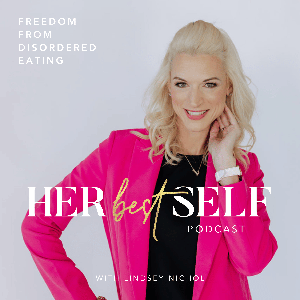

Your family doesn't understand your eating disorder. They make comments about your food. They trigger you at every holiday gathering. You're walking on eggshells, feeling attacked, and wondering if recovery is even possible around them.
Girlfriend, this episode is for you.
Host Lindsey Nichol shares an incredibly vulnerable moment - her mom called crying after listening to the podcast for the first time, saying "I had no idea what I was doing during your recovery. I just knew I needed to help you." This emotional conversation revealed a profound truth: families don't understand because they're trying to understand while dealing with their own pain.
In this powerful episode, Lindsey addresses both sides of the struggle - what to do when your family doesn't understand your eating disorder, AND what loved ones need to know about supporting someone in recovery. Because the truth is, hurt people hurt people. And your family's "attacks" might actually be their way of coping with fear, denial, and their own feelings of helplessness.
Whether you're dreading Thanksgiving dinner, anxious about Christmas gatherings, or just trying to survive family events without being triggered - this episode gives you the boundaries, scripts, and strategies you need to protect your recovery while staying connected to the people you love.
This is for you if you're struggling. This is for you if you're supporting someone. This is for all of us navigating the complexity of family, recovery, and the holidays.
Lindsey's Mom's Tearful Phone Call
The Truth About Family Not Understanding
Why This Matters for YOU
The Reality: Your ED Affects Everyone
Why Your Family Seems Unsupportive
The Walking on Eggshells Reality
The Phases of Denial
Hurt People Hurt People
Brené Brown says: "When we are busy pleasing and perfecting and performing, we end up saying yes a lot when we mean no."
Why This Matters: If you're a people pleaser, this is hard. But if your support system is trying to fix or please you, they actually NEED something to do. Give them something to do that makes them feel like they're helping.
What to Say:
As you go into the holiday season with family gatherings and events:
Lindsey's Example: Even YEARS after recovering from anorexia, she'd go to Thanksgiving wondering:
The Truth: That was HER stuff. Even if they ARE watching, you're strong in your decision-making. You're strong in your truth. You know you're for YOU.
If you're going to be around someone super triggering:
The Reality: When you're stuck in the disorder, you can't have dreams because it robs you of thinking further along than the current moment. All you can think about is what you can eat next or can't.
Take care of YOU. Spend time with people who understand where you are.
But even if they DON'T understand - boundaries provide healthy structure.
The Truth: You're a structure queen. Structure is essential in building anything that lasts and thrives. You've got to have healthy structure.
Boundaries = valuing you + bettering you
If You're Supporting Someone With an ED:
"I feel like there is something going on with you. I want to support you. I'm seeing changes in you. I want to help you, and right now maybe I don't even know what that looks like, but I just want you to feel seen and loved by me. I want to hold your hand. When you need me - and we all will have that breakdown mode - I'm here."
Sometimes when somebody pulls away, it means they need space to process.
Lindsey's Truth: She knew what her mom was telling her was the truth because she loved and looked up to her. Part of her heart already KNEW. Part of her was searching for someone to say it. But she was feeling all these different feelings.
Whether you're the one struggling OR the caretaker - brain dump all those feelings. That's part of healing.
Remember: Hurt people hurt people.
✨ When your family doesn't understand, it's paralyzing - but love doesn't always know how to show up correctly
✨ Your eating disorder affects EVERYONE close to you, even if it feels isolating
✨ People that love you usually mean well - they're just not sure HOW to mean well
✨ Your family's "attacks" are often their way of coping with fear, denial, and helplessness
✨ Hurt people hurt people - pain gets passed on generation after generation
✨ Use your voice - share where you are with SAFE people and ask for what you need
✨ Boundaries value you and better you - they create space to heal
✨ Have an exit strategy for triggering holiday situations
✨ Pre-plan your self-care practices before family gatherings
✨ Setting boundaries isn't pushing family away - it's creating space you need to heal
✨ Your recovery journey deserves respect and protection
✨ If you're a supporter, your boundaries are just as important
✨ When someone pulls away, they often just need space to process
About Your Family:
About Your Boundaries:
About Your Growth:
If You're a Supporter:
Don't Face the Holidays Alone
If you need support this season because you don't have that support person, or no one understands you, or you feel like no one does - Lindsey doesn't want you to go at this alone.
Even with a healthy support system, you should work with somebody who's been there and gone through an eating disorder.
Why It Matters: How do we teach our kids to ride a bike if we've never ridden a bike before? It's so important to work with a professional who understands right where you are.
How to Get Support: Visit www.herbestself.co to fill out a client application and get on the books for the new year.
You deserve to have a wonderful holiday. Focus on setting personal boundaries for yourself AND for your loved ones.
Option 1: The Recovery Collective Join Lindsey's group coaching program where you'll get:
Option 2: One-on-One Personalized Coaching work directly with Lindsey for:
Learn more about both options at www.herbestself.co
You don't have to navigate this alone. Let's walk through recovery together.
.
If this episode resonated with you—if you saw yourself in Lindsey's rejection story—please subscribe to Her Best Self wherever you listen to podcasts and leave a review. Your reviews help other women who are tired of perfectionism and people-pleasing find this show and realize they're not alone.
Share this episode with a friend who needs to hear the truth!
Lindsey Nichol is a former competitive figure skater turned God-led entrepreneur, boy mom, and digital CEO. She understands how core beliefs formed in childhood can create and maintain eating disorder patterns, and she's passionate about helping women identify and transform these beliefs to find lasting freedom.
If this episode helped you feel hopeful again and remember your worth isn't found in your body or on your plate, please share it with someone who needs to hear this message. Your support helps more women break the chains of limiting beliefs.
*While I am a certified health coach, anorexia survivor & eating disorder recovery coach, I do not intend the use of this message to serve as medical advice. Please refer to the disclaimer here in the show & be sure to contact a licensed clinical provider if you are struggling with an eating disorder.
 View all episodes
 By Lindsey Nichol - Certified Health Coach, Eating Disorder Recovery Coach, Food Freedom Coach, Eating Disorder Intuitive Therapy Certified
5
9797 ratings
Your family doesn't understand your eating disorder. They make comments about your food. They trigger you at every holiday gathering. You're walking on eggshells, feeling attacked, and wondering if recovery is even possible around them.
Girlfriend, this episode is for you.
Host Lindsey Nichol shares an incredibly vulnerable moment - her mom called crying after listening to the podcast for the first time, saying "I had no idea what I was doing during your recovery. I just knew I needed to help you." This emotional conversation revealed a profound truth: families don't understand because they're trying to understand while dealing with their own pain.
In this powerful episode, Lindsey addresses both sides of the struggle - what to do when your family doesn't understand your eating disorder, AND what loved ones need to know about supporting someone in recovery. Because the truth is, hurt people hurt people. And your family's "attacks" might actually be their way of coping with fear, denial, and their own feelings of helplessness.
Whether you're dreading Thanksgiving dinner, anxious about Christmas gatherings, or just trying to survive family events without being triggered - this episode gives you the boundaries, scripts, and strategies you need to protect your recovery while staying connected to the people you love.
This is for you if you're struggling. This is for you if you're supporting someone. This is for all of us navigating the complexity of family, recovery, and the holidays.
Lindsey's Mom's Tearful Phone Call
The Truth About Family Not Understanding
Why This Matters for YOU
The Reality: Your ED Affects Everyone
Why Your Family Seems Unsupportive
The Walking on Eggshells Reality
The Phases of Denial
Hurt People Hurt People
Brené Brown says: "When we are busy pleasing and perfecting and performing, we end up saying yes a lot when we mean no."
Why This Matters: If you're a people pleaser, this is hard. But if your support system is trying to fix or please you, they actually NEED something to do. Give them something to do that makes them feel like they're helping.
What to Say:
As you go into the holiday season with family gatherings and events:
Lindsey's Example: Even YEARS after recovering from anorexia, she'd go to Thanksgiving wondering:
The Truth: That was HER stuff. Even if they ARE watching, you're strong in your decision-making. You're strong in your truth. You know you're for YOU.
If you're going to be around someone super triggering:
The Reality: When you're stuck in the disorder, you can't have dreams because it robs you of thinking further along than the current moment. All you can think about is what you can eat next or can't.
Take care of YOU. Spend time with people who understand where you are.
But even if they DON'T understand - boundaries provide healthy structure.
The Truth: You're a structure queen. Structure is essential in building anything that lasts and thrives. You've got to have healthy structure.
Boundaries = valuing you + bettering you
If You're Supporting Someone With an ED:
"I feel like there is something going on with you. I want to support you. I'm seeing changes in you. I want to help you, and right now maybe I don't even know what that looks like, but I just want you to feel seen and loved by me. I want to hold your hand. When you need me - and we all will have that breakdown mode - I'm here."
Sometimes when somebody pulls away, it means they need space to process.
Lindsey's Truth: She knew what her mom was telling her was the truth because she loved and looked up to her. Part of her heart already KNEW. Part of her was searching for someone to say it. But she was feeling all these different feelings.
Whether you're the one struggling OR the caretaker - brain dump all those feelings. That's part of healing.
Remember: Hurt people hurt people.
✨ When your family doesn't understand, it's paralyzing - but love doesn't always know how to show up correctly
✨ Your eating disorder affects EVERYONE close to you, even if it feels isolating
✨ People that love you usually mean well - they're just not sure HOW to mean well
✨ Your family's "attacks" are often their way of coping with fear, denial, and helplessness
✨ Hurt people hurt people - pain gets passed on generation after generation
✨ Use your voice - share where you are with SAFE people and ask for what you need
✨ Boundaries value you and better you - they create space to heal
✨ Have an exit strategy for triggering holiday situations
✨ Pre-plan your self-care practices before family gatherings
✨ Setting boundaries isn't pushing family away - it's creating space you need to heal
✨ Your recovery journey deserves respect and protection
✨ If you're a supporter, your boundaries are just as important
✨ When someone pulls away, they often just need space to process
About Your Family:
About Your Boundaries:
About Your Growth:
If You're a Supporter:
Don't Face the Holidays Alone
If you need support this season because you don't have that support person, or no one understands you, or you feel like no one does - Lindsey doesn't want you to go at this alone.
Even with a healthy support system, you should work with somebody who's been there and gone through an eating disorder.
Why It Matters: How do we teach our kids to ride a bike if we've never ridden a bike before? It's so important to work with a professional who understands right where you are.
How to Get Support: Visit www.herbestself.co to fill out a client application and get on the books for the new year.
You deserve to have a wonderful holiday. Focus on setting personal boundaries for yourself AND for your loved ones.
Option 1: The Recovery Collective Join Lindsey's group coaching program where you'll get:
Option 2: One-on-One Personalized Coaching work directly with Lindsey for:
Learn more about both options at www.herbestself.co
You don't have to navigate this alone. Let's walk through recovery together.
.
If this episode resonated with you—if you saw yourself in Lindsey's rejection story—please subscribe to Her Best Self wherever you listen to podcasts and leave a review. Your reviews help other women who are tired of perfectionism and people-pleasing find this show and realize they're not alone.
Share this episode with a friend who needs to hear the truth!
Lindsey Nichol is a former competitive figure skater turned God-led entrepreneur, boy mom, and digital CEO. She understands how core beliefs formed in childhood can create and maintain eating disorder patterns, and she's passionate about helping women identify and transform these beliefs to find lasting freedom.
If this episode helped you feel hopeful again and remember your worth isn't found in your body or on your plate, please share it with someone who needs to hear this message. Your support helps more women break the chains of limiting beliefs.
*While I am a certified health coach, anorexia survivor & eating disorder recovery coach, I do not intend the use of this message to serve as medical advice. Please refer to the disclaimer here in the show & be sure to contact a licensed clinical provider if you are struggling with an eating disorder.
3,063 Listeners

2,199 Listeners
704 Listeners
48 Listeners
105 Listeners
21 Listeners
367 Listeners
1,853 Listeners
66 Listeners

19,818 Listeners
150 Listeners
32 Listeners
21 Listeners
15 Listeners
8 Listeners