
Sign up to save your podcasts
Or

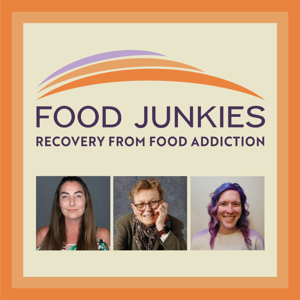

In this month's Clinician's Corner, Molly and Clarissa take a deep dive into the fix response—a lesser-named but incredibly common nervous-system survival strategy that shows up as over-functioning, urgency, problem-solving, and "doing something" to make discomfort go away.
This episode explores why fixing isn't a personality flaw, control issue, or codependency—but a biologically wired, trauma-informed self-preservation response that once helped keep us safe.
Together, we unpack how the fix response shows up in food addiction recovery, relationships, work, parenting, and even helping professions—and why it so often leads to burnout, resentment, and cycles of shame when left unexamined.
In this episode, we discuss:
This conversation is especially relevant for clinicians, coaches, caregivers, helpers, parents, and anyone in recovery who feels exhausted from always being the one who "handles things."
📺 Watch on YouTube and please subscribe—it helps us reach more people who need this conversation. 📩 Have a topic you want us to cover? Email us at [email protected]
The content of our show is educational only. It does not supplement or supersede your healthcare provider's professional relationship and direction. Always seek the advice of your physician or other qualified mental health providers with any questions you may have regarding a medical condition, substance use disorder, or mental health concern.
 View all episodes
 By Clarissa Kennedy

4.8
155155 ratings
In this month's Clinician's Corner, Molly and Clarissa take a deep dive into the fix response—a lesser-named but incredibly common nervous-system survival strategy that shows up as over-functioning, urgency, problem-solving, and "doing something" to make discomfort go away.
This episode explores why fixing isn't a personality flaw, control issue, or codependency—but a biologically wired, trauma-informed self-preservation response that once helped keep us safe.
Together, we unpack how the fix response shows up in food addiction recovery, relationships, work, parenting, and even helping professions—and why it so often leads to burnout, resentment, and cycles of shame when left unexamined.
In this episode, we discuss:
This conversation is especially relevant for clinicians, coaches, caregivers, helpers, parents, and anyone in recovery who feels exhausted from always being the one who "handles things."
📺 Watch on YouTube and please subscribe—it helps us reach more people who need this conversation. 📩 Have a topic you want us to cover? Email us at [email protected]
The content of our show is educational only. It does not supplement or supersede your healthcare provider's professional relationship and direction. Always seek the advice of your physician or other qualified mental health providers with any questions you may have regarding a medical condition, substance use disorder, or mental health concern.
711 Listeners

793 Listeners

9,238 Listeners
1,134 Listeners
166 Listeners

1,100 Listeners

413 Listeners
211 Listeners
234 Listeners
177 Listeners
594 Listeners

181 Listeners

113 Listeners
75 Listeners

22 Listeners