
Sign up to save your podcasts
Or



Based on Podcast App listening data
Harvest is the highlight of the farming calendar but this summer's harvest is one of contrasts. It's a good year for some crops like oil seed rape but for others yields are down. We take stock of the crops - from barley and peas to cherries and sweetcorn.
Presenter = Charlotte Smith
Scottish gamekeepers may refuse to help tackle wildfires in a dispute over licences for muirburn. Muirburn is the controlled burning of heather and other vegetation to encourage new growth, mostly to raise game birds for shooting. It takes place from autumn to spring, but from January next year it will be licensed and it will be an offence to carry out any burning without a licence. Gamekeepers say controlled burning reduces the amount of dead vegetation which fuels wildfires and if they can't do it, they say tackling future wildfires will become too dangerous.
All week we've been following the harvest. It started early for many and one of the country's largest cherry growers in Herefordshire says warmer winters and summers are shortening the growing season.
Britain's newest and largest Green Bridge is under construction in the Cotswolds as part of a half billion-pound road building scheme. When it's completed at the end of the year, the bridge won't be tarmacked - instead it'll be planted with grasses, wildflowers and shrubs designed to create a crossing for wildlife, and walkers over a new eight lane highway near Cheltenham.
Presenter = Charlotte Smith
Farmwatch will see farms take over BBC local radio in England today. It's a celebration of farming and a chance to hear from rural communities across the country. It's happening at one of the busiest times of the year for many farmers - harvest, and as part of our week-long focus on harvest we speak to a farmer in Lincolnshire who's growing corn on the cob.
Presenter = Charlotte Smith
The British Veterinary Association is urging farmers to avoid treating livestock for parasites unnecessarily. The say blanket treatments of worming medicines can lead to resistance and have an impact on the environment.
Conservationists in the south east are reporting a drop in the number of barn owl chicks being raised, they say it's the worst breeding season they've seen for decades.
All week we're following the harvest around the country, pea producers say this year's crop is down by a quarter because of dry windy weather.
Presenter = Anna Hill
The egg industry is calling for better labelling of products using imported eggs, and for all imports of eggs and egg products to be checked at the border. The British Egg Industry Council says there's been a rise in imports and they're concerned that eggs contaminated with salmonella are not being picked up.
Plums used to be a big crop for British farms back in the 1960s, but over the decades the amount grown here has fallen dramatically. However, one farm in Kent believes the tide is turning. WB Chambers near Maidstone say new varieties, new orchards and new technology are extending the growing season and providing consumers with British plums for longer.
As part of our week-long focus on harvest, we see how this year's oil seed rape crop has fared. We visit a farmer in East Yorkshire who used a drone to help seal the pods with a special sealant a couple of months ago, to stop them falling off too early. He says it's saved a lot of crop - and money.
Presenter = Anna Hill
It's been a tricky year for many farmers this year with extremes of drought and rain at various times - usually the wrong times. All week we'll see how harvest 2025 is shaping up. We start with barley in East Anglia and a dairy farm in Wiltshire, and find out from a cereals analyst how crops are looking across the board.
Presenter = Charlotte Smith
Farmers are having to cope with too much water, or too little, more and more often due to the effects of climate change. This week Charlotte Smith explores how farmers can strike a balance on their land, with competing pressures for water including crops, homes, and wildlife. And, campaigners against Government plans to reintroduce Inheritance Tax on farms worth over £1 million found an unlikely ally in President Trump this week. But with the Government showing no sign of changing course, how feasible is a backbench rebellion on which farm lobby groups are now pinning their hopes?
Presenter: Charlotte Smith
Half a million pounds is going from the UK Government to a project aiming to improve soils in Ukraine. The ongoing research, being run by the Royal Agricultural University, has identified significant damage to soils from the war there - things like heavy metal contamination from bombardments. The new money will help set up soil labs. We speak to the professor leading it and a farmer in Ukraine.
Small changes in the way a river catchment is managed can have a big impact - reconnecting floodplains, re-wiggling rivers and slowing the flow upstream can reduce the flood and pollution risk and encourage more biodiversity. A ‘whole Cumbria strategy’, which involves three River Trusts, the Environment Agency and Natural England – has just been named as one of only four finalists for a prestigious global award, the Thiess International River prize. It’s up against river projects in the USA and Albania. We see the kind of work the Cumbrian River Restoration Partnership Programme is doing in the Lake District.
The Environment Agency's urging farmers to think ahead and get ready for storage of slurry this winter.
Presenter = Charlotte Smith
The bioethanol company Vivergo says it will take in its last consignment of grain tomorrow, before it stops production at its plant near Hull - unless the UK government steps into help. It says this is because of the US UK trade deal which came into force last month, allowing up to 1.4 billion litres of tax-free bioethanol from the States.
How's water managed in the Norfolk Broads? We look at the system of pumping stations and drainage ditches which helps balance the competing demands of water of homes, farms and leisure.
Nearly two million people have signed a petition in France demanding an end to the use of a chemical called acetamiprid which was previously banned. They say the French government should not have overturned the ban, and that it is bowing to pressure from farmers. Farmers say France is already allowing imports from countries which use the neonicotinoid and that it's not a level playing field.
The UK is heavily reliant on fruit and vegetables grown overseas. But a new report predicts that, by 2050, around half of fruit and veg imports to the UK will be affected by climate change risks including rising temperatures and diminishing water supplies. Water management is such a burning topic at the moment that the NFU has just held its first Water Summit on a Yorkshire farm. And, how do you incentivise reintroduced Beavers to shape rivers the way you intend?
Presenter: Anna Hill
From the publisher's feed
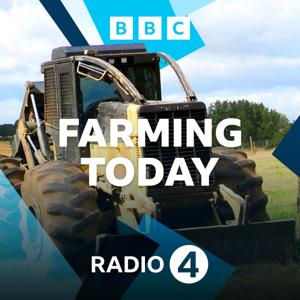
The latest news about food, farming and the countryside
Ranked by our users in the last 21 days

7,593 Listeners

1,084 Listeners

374 Listeners

880 Listeners

1,050 Listeners

55 Listeners

42 Listeners

121 Listeners

5,526 Listeners

1,804 Listeners

1,802 Listeners

1,037 Listeners

49 Listeners

285 Listeners

262 Listeners

245 Listeners
164 Listeners

36 Listeners

110 Listeners

256 Listeners

3,157 Listeners

1,004 Listeners

820 Listeners

14 Listeners

1,005 Listeners