
Sign up to save your podcasts
Or



Based on Podcast App listening data
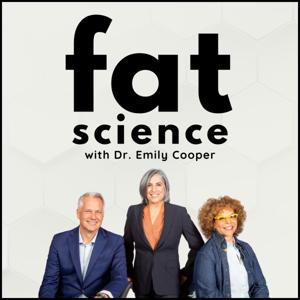
n this episode of Fat Science, Dr. Emily Cooper, Andrea Taylor and Mark Wright explore cravings and the role they play in metabolic dysfunction.
If you watch some drug company commercials these days, you’d think cravings are the culprit for obesity. In reality, they are just a symptom of a deeper metabolic problem.
This episode of Fat Science uncovers why this oversimplification is not just misleading but harmful to those struggling with metabolic dysfunction.
Join us as we explore the science behind cravings, debunk common myths and highlight the importance of understanding your metabolic health.
Key Takeaways:
Not Just an Overeating Problem: Learn why targeting cravings alone is not the answer to managing weight and metabolic health.
Metabolic Dysfunction Explained: Discover how metabolic dysfunction manifests in various forms, such as irregular appetite signals, and why addressing the root cause is crucial for effective treatment.
The Role of Medications: Dr. Cooper breaks down commonly-prescribed medications like Contrave, Qsymia, and Saxenda—explaining their true function in strengthening metabolic pathways rather than merely suppressing cravings.
Misleading Advertising: Understand the detrimental effects of current advertising campaigns that focus on willpower and cravings and how they perpetuate weight stigma and misinformation.
Resources:
Fat Science is a podcast on a mission to explain where our fat really comes from and why it won’t go and stay away. We are committed to creating a world where people are empowered with accurate information about metabolism and recognize that fat isn’t a failure. This podcast is for informational purposes only and is not intended to replace professional medical advice.
If you have a question for Dr. Cooper, a show idea, feedback, or just want to connect, email us at [email protected].
Fat Science is supported by the non-profit Diabesity Institute which is on a mission to increase access to effective, science-based medical care for those suffering from or at risk for diabesity. https://diabesityresearchfoundation.org/
In this episode of Fat Science, Dr. Emily Cooper, Andrea Taylor and Mark Wright explore one of the most contentious topics in the world of health and fitness: the definition and measurement of fat.
BMI (Body Mass Index) has long been the standard, but recent studies have called its efficacy into question.
Dr. Cooper reveals why BMI can be a flawed indicator of health, exploring alternate measurements like waist circumference and body composition while discussing their limitations and potential misuses.
This episode highlights the real issue: identifying and treating metabolic dysfunction and achieving true health beyond just numbers on a scale or tape measure.
Key Takeaways:
BMI: A Flawed Metric? Dr. Cooper reveals the limitations of BMI. She shares intriguing insights into how factors like muscle mass and gender-specific body composition can skew BMI readings and recounts fascinating stories from her career, including a case where an Olympic athlete was classified as obese purely based on BMI.
The Lancet's Insight. The team discusses a recent paper by the esteemed Lancet Commission, which argues for de-emphasizing BMI in favor of other health indicators. They dive into the importance of looking at the complete clinical picture, including blood sugar swings, energy levels, and more.
Anecdotes and Real-life Experiences. Andrea Taylor shares her journey of struggling with various diets until discovering metabolic dysfunction as the root problem.
Insurance and Medical Ethics. Discover the ethical dilemmas of using BMI for decisions on insurance coverage and medical treatments. Mark brings attention to startling cases where statistically healthy individuals were denied life insurance based on high BMI.
Resources:
Fat Science is a podcast on a mission to explain where our fat really comes from and why it won’t go and stay away. We are committed to creating a world where people are empowered with accurate information about metabolism and recognize that fat isn’t a failure. This podcast is for informational purposes only and is not intended to replace professional medical advice.
If you have a question for Dr. Cooper, a show idea, feedback, or just want to connect, email us at [email protected].
Fat Science is supported by the non-profit Diabesity Institute which is on a mission to increase access to effective, science-based medical care for those suffering from or at risk for diabesity. https://diabesityresearchfoundation.org/
In this episode of Fat Science, Dr. Emily Cooper, Andrea Taylor and Mark Wright explore five New Year’s resolutions you can make (and not break) for a healthier 2025.
The conversation shifts away from unattainable goals and toward practical steps for enhancing overall well-being in the new year.
Key Takeaways:
Resources:
Fat Science is a podcast on a mission to explain where our fat really comes from and why it won’t go and stay away. We are committed to creating a world where people are empowered with accurate information about metabolism and recognize that fat isn’t a failure. This podcast is for informational purposes only and is not intended to replace professional medical advice.
If you have a question for Dr. Cooper, a show idea, feedback, or just want to connect, email us at [email protected].
Fat Science is supported by the non-profit Diabesity Institute which is on a mission to increase access to effective, science-based medical care for those suffering from or at risk for diabesity. https://diabesityresearchfoundation.org/
In this episode of Fat Science, Dr. Emily Cooper, Andrea Taylor and Mark Wright field questions from listeners. Throughout the show, our hosts highlight the importance of compassionate, science-based medical care and underscore the significance of finding healthcare providers who address metabolic issues as medical, not lifestyle, concerns.
Among the topics addressed:
Resources:
Fat Science is a podcast on a mission to explain where our fat really comes from and why it won’t go and stay away. We are committed to creating a world where people are empowered with accurate information about metabolism and recognize that fat isn’t a failure. This podcast is for informational purposes only and is not intended to replace professional medical advice.
If you have a question for Dr. Cooper, a show idea, feedback, or just want to connect, email us at [email protected].
Fat Science is supported by the non-profit Diabesity Institute which is on a mission to increase access to effective, science-based medical care for those suffering from or at risk for diabesity. https://diabesityresearchfoundation.org/
In this episode of Fat Science, Dr. Emily Cooper, Andrea Taylor and Mark Wright take a comprehensive look at the current FDA-approved medications designed to treat metabolic dysfunction and what may be approved next.
Dr. Cooper discusses the range of factors that determine whether these essential drugs are available for those who need them. Government approval, drug company strategies and insurance company policies all play a role.
Key Takeaways:
Resources:
Fat Science is a podcast on a mission to explain where our fat really comes from and why it won’t go and stay away. We are committed to creating a world where people are empowered with accurate information about metabolism and recognize that fat isn’t a failure. This podcast is for informational purposes only and is not intended to replace professional medical advice.
If you have a question for Dr. Cooper, a show idea, feedback, or just want to connect, email us at [email protected].
Fat Science is supported by the non-profit Diabesity Institute which is on a mission to increase access to effective, science-based medical care for those suffering from or at risk for diabesity. https://diabesityresearchfoundation.org/
In this episode of Fat Science, Dr. Emily Cooper, Andrea Taylor and Mark Wright reveal how metabolic lab tests are crucial in diagnosing, understanding and treating metabolic dysfunction.
Key Takeaways:
Personal Stories & Practical Advice:
Resources:
Fat Science is a podcast on a mission to explain where our fat really comes from and why it won’t go and stay away. We are committed to creating a world where people are empowered with accurate information about metabolism and recognize that fat isn’t a failure. This podcast is for informational purposes only and is not intended to replace professional medical advice.
If you have a question for Dr. Cooper, a show idea, feedback, or just want to connect, email us at [email protected].
Fat Science is supported by the non-profit Diabesity Institute which is on a mission to increase access to effective, science-based medical care for those suffering from or at risk for diabesity. https://diabesityresearchfoundation.org/
In this episode of Fat Science, Dr. Emily Cooper, Andrea Taylor and Mark Wright tackle the challenges of maintaining metabolic health during the holiday season. Dr. Cooper emphasizes the importance of keeping a regular routine to manage stress and avoid metabolic disruptions. The team shares practical advice for navigating family gatherings and enjoying the holidays without compromising your health.
Key Takeaways:
Personal Stories & Practical Advice:
Resources:
Fat Science is a podcast on a mission to explain where our fat really comes from and why it won’t go and stay away. We are committed to creating a world where people are empowered with accurate information about metabolism and recognize that fat isn’t a failure. This podcast is for informational purposes only and is not intended to replace professional medical advice.
If you have a question for Dr. Cooper, a show idea, feedback, or just want to connect, email us at [email protected].
Fat Science is supported by the non-profit Diabesity Institute which is on a mission to increase access to effective, science-based medical care for those suffering from or at risk for diabesity. https://diabesityresearchfoundation.org/
In this episode of Fat Science, hosts Dr. Emily Cooper, Andrea Taylor, and Mark Wright explore the compelling and urgent topic of COVID-19's impact on metabolic health.
COVID-19 has introduced a serious new layer of complexity because it can exacerbate existing conditions like diabetes, obesity, cardiovascular and thyroid disease.
The latest data reveal a shocking statistic—the risk of developing diabetes can increase by up to 40 percent after a COVID infection.
So what should we know about these risks, and how can scientific insight help us navigate this new terrain?
Key Discussion Points:
Resources:
Fat Science is a podcast on a mission to explain where our fat really comes from and why it won’t go and stay away. In each episode, we share little-known facts and personal experiences to dispel misconceptions, reduce stigma, and instill hope.
Fat Science is committed to creating a world where people are empowered with accurate information about metabolism and recognize that fat isn’t a failure. This podcast is for informational purposes only and is not intended to replace professional medical advice.
If you have a question for Dr. Cooper, a show idea, feedback, or just want to connect, email us at [email protected].
In this episode of Fat Science, hosts Dr. Emily Cooper, Andrea Taylor and Mark Wright explore eating disorders, disordered eating and their profound impact on metabolic health.
Eating disorders and disordered eating are much more common than people realize, affect a significant portion of the population and contribute to serious metabolic issues. So what are eating disorders and disordered eating? How do they differ, and what are the health implications?
Listeners will gain a deep understanding of the spectrum of eating behaviors, from normal eating to clinically dangerous eating disorders.
Disordered Eating: Behaviors such as repeated dieting, calorie restriction, carb restriction, intermittent fasting, and keto diets, often accompanied by an excessive focus on body image, body shape and body size. This is prevalent in the majority of the population.
Eating Disorders: Clinically dangerous conditions like anorexia nervosa, bulimia nervosa, and ARFID, which are life-threatening and require aggressive medical intervention.
Resources:
Fat Science is a podcast on a mission to explain where our fat really comes from and why it won’t go and stay away. In each episode, we share little-known facts and personal experiences to dispel misconceptions, reduce stigma, and instill hope.
Fat Science is committed to creating a world where people are empowered with accurate information about metabolism and recognize that fat isn’t a failure. This podcast is for informational purposes only and is not intended to replace professional medical advice.
If you have a question for Dr. Cooper, a show idea, feedback, or just want to connect, email us at [email protected].
In this episode of Fat Science, hosts Dr. Emily Cooper, Andrea Taylor and Mark Wright tackle the topic of insulin resistance and its impact on metabolic health.
It’s estimated one in three Americans has the condition, which often leads to prediabetes and even full-blown diabetes.
So what is insulin resistance? How can we tell if we have it? And what can we do to reverse it?
Listeners will gain a comprehensive understanding of how lifestyle, nutrition and medication can influence metabolic function and insulin sensitivity.
Key Takeaways:
Resources:
Fat Science is a podcast on a mission to explain where our fat really comes from and why it won’t go and stay away. In each episode, we share little-known facts and personal experiences to dispel misconceptions, reduce stigma, and instill hope.
Fat Science is committed to creating a world where people are empowered with accurate information about metabolism and recognize that fat isn’t a failure. This podcast is for informational purposes only and is not intended to replace professional medical advice.
If you have a show idea, feedback, or just want to connect, email [email protected].
From the publisher's feed
Ranked by our users in the last 21 days

9,151 Listeners

7,922 Listeners

335 Listeners

131 Listeners

621 Listeners

65 Listeners
1,677 Listeners
414 Listeners
356 Listeners

1,214 Listeners
268 Listeners
217 Listeners
363 Listeners
106 Listeners
173 Listeners