
Sign up to save your podcasts
Or



Based on Podcast App listening data
Diabetes Wake-Up Call: The Silent Epidemic
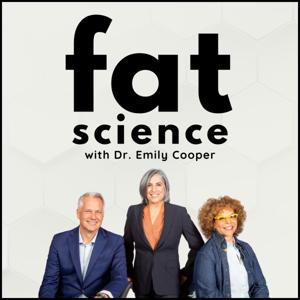
In this episode of Fat Science, Dr. Emily Cooper, Andrea Taylor and Mark Wright take on a troubling statistic—half of American adults are either diabetic or prediabetic, and for those with prediabetes, 8 in 10 don’t know it. Think about your own family. The odds are one in two of your loved ones are at risk.
The good news is diagnosing diabetes is easy, and in many cases it’s reversible. Dr. Cooper breaks down the tests you should get, the numbers to look for and the top treatments. Taking control of your diabetes risk just could save your life.
Key Takeaways:
Resources:
Fat Science is a podcast on a mission to explain where our fat really comes from and why it won’t go and stay away. We are committed to creating a world where people are empowered with accurate information about metabolism and recognize that fat isn’t a failure. This podcast is for informational purposes only and is not intended to replace professional medical advice.
If you have a question for Dr. Cooper, send an email to [email protected]. If you have a show idea, feedback, or just want to connect, you can also reach us us at [email protected].
In this episode of Fat Science, Dr. Emily Cooper, Andrea Taylor and Mark Wright continue exploring the top ten positive things you can do for your metabolism, focusing on steps five through one. With an honest and approachable discussion, this episode sheds light on essential topics like endocrine disruptors, nutrition, sleep, body image, and why the focus should be on health, not weight. Get practical advice for positive changes you can implement in your daily life.
Key Takeaways:
Endocrine Disruptors – Learn about EDCs and MDCs, their widespread presence, and steps to minimize exposure for better metabolic health.
Nutrition for Health, Not Weight Loss – Shift your focus to fueling your body and maintaining a positive relationship with food, emphasizing nutrition over diet restrictions.
Sleep and Sleep Apnea – Understand the critical role of sleep in metabolism, and consider sleep apnea testing to improve metabolic function and overall well-being.
Body Image – Address the influence of societal pressures and focus on positive self-image to support metabolic health, being mindful of language around children.
Focus on Health, Not Weight – Highlight the importance of prioritizing health metrics over weight, and recognize the limitations of using BMI as a sole indicator of health.
Resources:
Fat Science is a podcast on a mission to explain where our fat really comes from and why it won’t go and stay away. We are committed to creating a world where people are empowered with accurate information about metabolism and recognize that fat isn’t a failure. This podcast is for informational purposes only and is not intended to replace professional medical advice.
If you have a question for Dr. Cooper, send an email to [email protected]. If you have a show idea, feedback, or just want to connect, you can also reach us us at [email protected].
Fat Science is supported by the non-profit Diabesity Institute which is on a mission to increase access to effective, science-based medical care for those suffering from or at risk for diabesity. https://diabesityresearchfoundation.org/
n this episode of Fat Science, Dr. Emily Cooper, Andrea Taylor and Mark Wright break down their top ten lifestyle strategies to enhance your metabolic health. They critically discuss powerful yet straightforward approaches that can significantly improve metabolism. The focus is on easy-to-implement, applicable tips, from knowing key health numbers to managing stress effectively.
Key Takeaways:
Resources:
Fat Science is a podcast on a mission to explain where our fat really comes from and why it won’t go and stay away. We are committed to creating a world where people are empowered with accurate information about metabolism and recognize that fat isn’t a failure. This podcast is for informational purposes only and is not intended to replace professional medical advice.
If you have a question for Dr. Cooper, send an email to [email protected]. If you have a show idea, feedback, or just want to connect, you can also reach us us at [email protected].
Fat Science is supported by the non-profit Diabesity Institute which is on a mission to increase access to effective, science-based medical care for those suffering from or at risk for diabesity. https://diabesityresearchfoundation.org/
In this episode of Fat Science, Dr. Emily Cooper, Andrea Taylor and Mark Wright explore the human connections in metabolic medicine. With special guest Alisha, a nurse practitioner at the Cooper Center for Metabolism, the episode delves into how patient-provider relationships have a profound impact on metabolic health outcomes.
If you're interested in how the world of metabolic medicine is evolving and want a human-centered perspective, this episode is a must-listen. You’ll walk away with a better understanding of how interconnected our body’s health systems are and why personalized care matters.
Key Takeaways:
Resources:
Fat Science is a podcast on a mission to explain where our fat really comes from and why it won’t go and stay away. We are committed to creating a world where people are empowered with accurate information about metabolism and recognize that fat isn’t a failure. This podcast is for informational purposes only and is not intended to replace professional medical advice.
If you have a question for Dr. Cooper, send an email to [email protected]. If you have a show idea, feedback, or just want to connect, you can also reach us us at [email protected].
Fat Science is supported by the non-profit Diabesity Institute which is on a mission to increase access to effective, science-based medical care for those suffering from or at risk for diabesity. https://diabesityresearchfoundation.org/
On this episode of Fat Science, it’s time to hear from some of you, our listeners. Dr. Emily Cooper, Andrea Taylor and Mark Wright are joined by two loyal listeners, Scott and Heidi. The episode explores personal anecdotes and transformative moments thanks to a deeper understanding of metabolic health and its broader implications. It also shows you don’t have to have Metabolic Syndrome to benefit from understanding the science connected to it.
Key Takeaways:
Personal Stories & Practical Advice:
Resources:
Fat Science is a podcast on a mission to explain where our fat really comes from and why it won’t go and stay away. We are committed to creating a world where people are empowered with accurate information about metabolism and recognize that fat isn’t a failure. This podcast is for informational purposes only and is not intended to replace professional medical advice.
If you have a question for Dr. Cooper, send an email to [email protected]. If you have a show idea, feedback, or just want to connect, you can also reach us us at [email protected].
Fat Science is supported by the non-profit Diabesity Institute which is on a mission to increase access to effective, science-based medical care for those suffering from or at risk for diabesity. https://diabesityresearchfoundation.org/
On this episode of Fat Science, Dr. Emily Cooper, Andrea Taylor and Mark Wright delve deeper into the topic of compounded metabolic drugs.
Dr. Cooper addresses criticisms from listeners about the previous discussion and provides insights into the economic reasons driving people towards compounded drugs. She also dissects the ethics and economics of the diet industry transforming into a subscription medicine model and the role of insurance in accessibility to metabolic treatments.
Key Takeaways:
Personal Stories & Practical Advice:
Important Update: Changes in GLP-1 Medication Availability and Compounding Regulations
This episode was recorded before recent regulatory developments regarding GLP-1 medications. As of our current information:
The FDA has determined that shortages have been resolved for all formulations of tirzepatide (marketed as Mounjaro and Zepbound) and semaglutide (marketed as Rybelsus, Ozempic, and Wegovy). Consequently, compounding these medications is no longer legally permitted under FDA regulations.
Additionally, Novo Nordisk has expanded its patient assistance program by implementing enhanced coupon discounts across all Wegovy dosage strengths to improve affordability and access to match Lilly's efforts for Mounjaro and Zepbound access.
Please note that regulatory policies and manufacturer programs regarding these medications continue to evolve. For the most up-to-date information, we recommend consulting current FDA announcements and manufacturer websites.
Resources:
Fat Science is a podcast on a mission to explain where our fat really comes from and why it won’t go and stay away. We are committed to creating a world where people are empowered with accurate information about metabolism and recognize that fat isn’t a failure. This podcast is for informational purposes only and is not intended to replace professional medical advice.
If you have a question for Dr. Cooper, a show idea, feedback, or just want to connect, email us at [email protected].
Fat Science is supported by the non-profit Diabesity Institute which is on a mission to increase access to effective, science-based medical care for those suffering from or at risk for diabesity. https://diabesityresearchfoundation.org/
On this episode of Fat Science, Dr. Emily Cooper, Andrea Taylor and Mark Wright open the mailbag and answer questions from listeners all over the world.
Dr. Cooper provides expert insights into complex questions about metabolic health, covering topics including metabolic dysfunction, the effects of chemotherapy on metabolism, a discussion of GLP-1s and those trying to get pregnant and the role of iodine in the diet.
Engaging and informative, this episode also arms you with the vocabulary and understanding needed to discuss metabolism with your healthcare provider.
Key Takeaways:
Personal Stories & Practical Advice:
Resources:
Fat Science is a podcast on a mission to explain where our fat really comes from and why it won’t go and stay away. We are committed to creating a world where people are empowered with accurate information about metabolism and recognize that fat isn’t a failure. This podcast is for informational purposes only and is not intended to replace professional medical advice.
If you have a question for Dr. Cooper, a show idea, feedback, or just want to connect, email us at [email protected].
Fat Science is supported by the non-profit Diabesity Institute which is on a mission to increase access to effective, science-based medical care for those suffering from or at risk for diabesity. https://diabesityresearchfoundation.org/
On this episode of Fat Science, Dr. Emily Cooper, Andrea Taylor and Mark Wright explore the intricate metabolic ties to Polycystic Ovarian Syndrome (PCOS). Dr. Cooper provides expert insight into how understanding these links can transform what seems like a permanent condition into a reversible one.
“ I feel like there's so much despair around PCOS when it actually doesn't have to be a long-term condition,” says Dr. Cooper. “I know some of that desperation comes from the infertility piece of it… so it's really important to calm down the (metabolic) dysfunction to be successful in fertility.”
Key Takeaways:
Resources:
Fat Science is a podcast on a mission to explain where our fat really comes from and why it won’t go and stay away. We are committed to creating a world where people are empowered with accurate information about metabolism and recognize that fat isn’t a failure. This podcast is for informational purposes only and is not intended to replace professional medical advice.
If you have a question for Dr. Cooper, a show idea, feedback, or just want to connect, email us at [email protected].
Fat Science is supported by the non-profit Diabesity Institute which is on a mission to increase access to effective, science-based medical care for those suffering from or at risk for diabesity. https://diabesityresearchfoundation.org/
On this episode of Fat Science, it’s time to let go of the old paradigm “calories in, calories out.” Join hosts Dr. Emily Cooper, Andrea Taylor and Mark Wright as they kick CICO to the curb.
The idea that a person’s weight is determined only by the ratio of calories consumed and calories burned is an over-simplification and often not true, especially for people with metabolic dysfunction.
Dr. Cooper reveals the real key to weight management is not calorie counting but understanding metabolic function influenced by the neuroendocrine system. Through personal stories and insights, they explore why diets don’t work and how acknowledging the complexity of metabolism can lead to better health.
Key Takeaways:
Personal Stories & Practical Advice:
Resources:
Fat Science is a podcast on a mission to explain where our fat really comes from and why it won’t go and stay away. We are committed to creating a world where people are empowered with accurate information about metabolism and recognize that fat isn’t a failure. This podcast is for informational purposes only and is not intended to replace professional medical advice.
If you have a question for Dr. Cooper, a show idea, feedback, or just want to connect, email us at [email protected].
Fat Science is supported by the non-profit Diabesity Institute which is on a mission to increase access to effective, science-based medical care for those suffering from or at risk for diabesity. https://diabesityresearchfoundation.org/
In this episode of Fat Science, Dr. Emily Cooper, Andrea Taylor and Mark Wright explore the world of compounded drugs. These are medications prepared by pharmacists to meet specific needs of patients when commercially-available products are not an option. Changes in dose, accommodating patients with allergies or sensitivities and drug shortages are some of the reasons the FDA allows compounded drugs to be made and sold.
Key Takeaways:
Resources:
Fat Science is a podcast on a mission to explain where our fat really comes from and why it won’t go and stay away. We are committed to creating a world where people are empowered with accurate information about metabolism and recognize that fat isn’t a failure. This podcast is for informational purposes only and is not intended to replace professional medical advice.
If you have a question for Dr. Cooper, a show idea, feedback, or just want to connect, email us at [email protected].
Fat Science is supported by the non-profit Diabesity Institute which is on a mission to increase access to effective, science-based medical care for those suffering from or at risk for diabesity. https://diabesityresearchfoundation.org/
From the publisher's feed
Ranked by our users in the last 21 days

9,151 Listeners

7,922 Listeners

335 Listeners

131 Listeners
621 Listeners
65 Listeners
1,677 Listeners
414 Listeners
356 Listeners

1,214 Listeners
268 Listeners
217 Listeners
363 Listeners
106 Listeners
173 Listeners