
Sign up to save your podcasts
Or



Based on Podcast App listening data
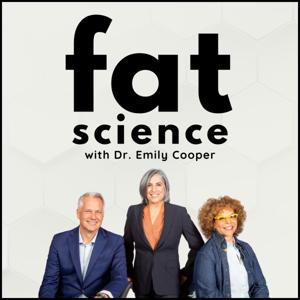
This week on Fat Science, Dr. Emily Cooper, Andrea Taylor, and Mark Wright uncover the truth about fatty liver disease and its rapid rise in both adults and children. It’s estimated 125 million Americans have the disease.
Dr. Cooper explains the critical role the liver plays in metabolism—covering hundreds of essential functions—and why fatty infiltration poses serious risks. The episode demystifies diagnosis, risk factors, and treatment options, empowering listeners to take a proactive approach to liver health and metabolic wellness.
Key Takeaways:
Personal Stories & Practical Advice:
Resources:
Fat Science is a podcast on a mission to explain where our fat really comes from and why it won’t go and stay away. We are committed to creating a world where people are empowered with accurate information about metabolism and recognize that fat isn’t a failure. This podcast is for informational purposes only and is not intended to replace professional medical advice.
If you have a question for Dr. Cooper, a show idea, feedback, or just want to connect, email us at [email protected] or [email protected].
Science is supported by the non-profit Diabesity Institute which is on a mission to increase access to effective, science-based medical care for those suffering from or at risk for diabesity. https://diabesityresearchfoundation.org/
This week on Fat Science, Dr. Emily Cooper, Andrea Taylor, and Mark Wright explore the concept of “male menopause” and whether it’s backed by science. Dr. Cooper breaks down hormonal changes in men, including testosterone decline, metabolic dysfunction, and the myths surrounding andropause.
The episode dives into why men and women experience aging differently, how metabolism ties into hormone shifts, and what really happens to male fertility and energy over time. After listening, you’ll understand why “male menopause” isn’t the full story and what really matters for men’s health as they age.
Key Takeaways:
Personal Stories & Practical Advice:
Resources:
Fat Science is a podcast on a mission to explain where our fat really comes from and why it won’t go and stay away. We are committed to creating a world where people are empowered with accurate information about metabolism and recognize that fat isn’t a failure. This podcast is for informational purposes only and is not intended to replace professional medical advice.
If you have a question for Dr. Cooper, a show idea, feedback, or just want to connect, email us at [email protected] or [email protected].
Science is supported by the non-profit Diabesity Institute which is on a mission to increase access to effective, science-based medical care for those suffering from or at risk for diabesity. https://diabesityresearchfoundation.org/
This week on Fat Science, Dr. Emily Cooper, Andrea Taylor, and Mark Wright explore the expanding world of telehealth in treating metabolic issues. Dr. Cooper sheds light on both the promise and pitfalls of accessing medications like GLP-1s through online platforms. The episode dives into the effectiveness of patient-provider relationships, the importance of comprehensive and personalized care, and the potential red flags in impersonal telehealth services. After listening, you’ll understand the benefits of telehealth and why thoughtful, thorough medical guidance is crucial for metabolic health.
Key Takeaways:
Personal Stories & Practical Advice:
Link to US National telehealth clinics with Board Certified Obesity Medicine providers: Knownwell (non-affiliated)
Resources:
Fat Science is a podcast on a mission to explain where our fat really comes from and why it won’t go and stay away. We are committed to creating a world where people are empowered with accurate information about metabolism and recognize that fat isn’t a failure. This podcast is for informational purposes only and is not intended to replace professional medical advice.
If you have a question for Dr. Cooper, a show idea, feedback, or just want to connect, email us at [email protected] or[email protected].
Science is supported by the non-profit Diabesity Institute which is on a mission to increase access to effective, science-based medical care for those suffering from or at risk for diabesity. https://diabesityresearchfoundation.org/
This week on Fat Science, Dr. Emily Cooper, Andrea Taylor, and Mark Wright answer listener questions from around the world about metabolic health. This mailbag episode explores widely-debated topics like “starvation mode,” weight loss plateaus, the relationship between metabolism and cognitive health, cannabis and metabolism, metabolic effects of liposuction, and the latest on GLP-1 medications.
Key Takeaways:
Personal Stories & Practical Advice:
Correction: Lilly has a lower cash pay for Medicare and Medicaid, but Novo Nordisk is not yet.
References related to diet-induced metabolic adaptation, also called biological adaptation and defense of body weight.
1. Keys, A., Brozek, J., Henschel, A., Mickelsen, O., & Taylor, H. L. (1950). The Biology of Human Starvation. University of Minnesota Press.
2. Dulloo, A. G. (2021). Physiology of weight regain: Lessons from the classic Minnesota Starvation Experiment on human body composition regulation. Obesity Reviews, 22, e13189.
3. Müller, M. J., & Bosy-Westphal, A. (2013). Adaptive thermogenesis with weight loss in humans. Obesity, 21(2), 218-228.
4. Rosenbaum, M., & Leibel, R. L. (2010). Adaptive thermogenesis in humans. International Journal of Obesity, 34(S1), S47-S55.
5. Fothergill, E., Guo, J., Howard, L., Kerns, J. C., Knuth, N. D., Brychta, R., ... & Hall, K. D. (2016). Persistent metabolic adaptation 6 years after "The Biggest Loser" competition. Obesity, 24(8), 1612-1619.
6. Johanssen, D. L., Knuth, N. D., Huizenga, R., Rood, J., Ravussin, E., & Hall, K. D. (2012). Metabolic slowing with massive weight loss despite preservation of fat-free mass. Journal of Clinical Endocrinology & Metabolism, 97(7), 2489-2496.
7. Sumithran, P., Prendergast, L. A., Delbridge, E., Purcell, K., Shulkes, A., Kriketos, A., & Proietto, J. (2011). Long-term persistence of hormonal adaptations to weight loss. New England Journal of Medicine, 365(17), 1597-1604.
8. MacLean, P. S., Bergouignan, A., Cornier, M. A., & Jackman, M. R. (2011). Biology's response to dieting: the impetus for weight regain. American Journal of Physiology-Regulatory, Integrative and Comparative Physiology, 301(3), R581-R600
Resources:
Fat Science is a podcast on a mission to explain where our fat really comes from and why it won’t go and stay away. We are committed to creating a world where people are empowered with accurate information about metabolism and recognize that fat isn’t a failure. This podcast is for informational purposes only and is not intended to replace professional medical advice.
If you have a question for Dr. Cooper, email us at [email protected] or [email protected].
Fat Science is supported by the non-profit Diabesity Institute which is on a mission to increase access to effective, science-based medical care for those suffering from or at risk for diabesity. https://diabesityresearchfoundation.org/
This week on Fat Science, Dr. Emily Cooper, Andrea Taylor, and Mark Wright explore why metabolic health transformations require time, persistence, and a holistic approach. Andrea shares her 14-year journey with Dr. Cooper, highlighting the slow, individualized nature of healing a dysfunctional metabolism and why quick fixes rarely work.
Dr. Cooper explains how complex feedback loops, hormonal adaptations, and life events can slow progress—and why health markers, not just the number on the scale, are crucial measures of success. The conversation encourages patience, self-compassion, and a focus on sustainable health, not just rapid weight loss.
Key Takeaways:
Personal Stories & Practical Advice:
Resources:
Fat Science is a podcast on a mission to explain where our fat really comes from and why it won’t go and stay away. We are committed to creating a world where people are empowered with accurate information about metabolism and recognize that fat isn’t a failure. This podcast is for informational purposes only and is not intended to replace professional medical advice.
If you have a question for Dr. Cooper, a show idea, feedback, or just want to connect, email us at [email protected] or [email protected].
Science is supported by the non-profit Diabesity Institute which is on a mission to increase access to effective, science-based medical care for those suffering from or at risk for diabesity. https://diabesityresearchfoundation.org/
This week on Fat Science, Dr. Emily Cooper, Andrea Taylor, and Mark Wright break down the latest science behind GLP-1 medications like Ozempic, Wegovy, and Mounjaro. Dr. Cooper shares her decades of expertise on how these drugs work, their evolution, and whether you really have to take them for life.
The episode dives deep into the individual factors that impact tapering off, the importance of metabolic signals (like famine and security signals), and why medication is just one piece of the metabolic puzzle.
Key Takeaways:
Resources:
Fat Science is a podcast on a mission to explain where our fat really comes from and why it won’t go and stay away. We are committed to creating a world where people are empowered with accurate information about metabolism and recognize that fat isn’t a failure. This podcast is for informational purposes only and is not intended to replace professional medical advice.
If you have a question for Dr. Cooper, a show idea, feedback, or just want to connect, email us at [email protected] or [email protected].
Science is supported by the non-profit Diabesity Institute which is on a mission to increase access to effective, science-based medical care for those suffering from or at risk for diabesity. https://diabesityresearchfoundation.org/
Join Dr. Emily Cooper, Andrea Taylor, and Mark Wright on Fat Science as they unpack the complexities of dosing GLP-1 medications for metabolic health and weight management. Dr. Cooper emphasizes the importance of an individualized approach, debunking the myth that higher doses or faster titration always lead to better outcomes.
The team addresses listener questions about how and when to increase doses, highlight the risks of rapid escalation, and discuss the nuanced ways these drugs impact metabolic health beyond just weight loss. Real-life experiences and thoughtful, science-backed guidance will help you navigate your own journey with metabolic dysfunction and medication.
Key Takeaways:
Personal Stories & Practical Advice:
Resources:
Fat Science is a podcast on a mission to explain where our fat really comes from and why it won’t go and stay away. We are committed to creating a world where people are empowered with accurate information about metabolism and recognize that fat isn’t a failure. This podcast is for informational purposes only and is not intended to replace professional medical advice.
If you have a question for Dr. Cooper, a show idea, feedback, or just want to connect, email us at [email protected] or [email protected].
Science is supported by the non-profit Diabesity Institute which is on a mission to increase access to effective, science-based medical care for those suffering from or at risk for diabesity. https://diabesityresearchfoundation.org/
Join Dr. Emily Cooper, Andrea Taylor, and Mark Wright on Fat Science for a special mailbag episode answering listener questions about metabolic health. Dr. Cooper explains the difference between mindful and mechanical (timed) eating, especially for those using medications like Zepbound.
The team also addresses emotional challenges tied to frequent eating, societal fat shaming, and the complexities of medication side effects for those on GLP-1 agonists and antipsychotics. Real experiences and practical advice help shed light on fueling your body, breaking free from diet culture guilt, and navigating complex emotions on the journey to better health.
Key Takeaways:
Personal Stories & Practical Advice:
Key Takeaways:
Resources:
Fat Science is a podcast on a mission to explain where our fat really comes from and why it won’t go and stay away. We are committed to creating a world where people are empowered with accurate information about metabolism and recognize that fat isn’t a failure. This podcast is for informational purposes only and is not intended to replace professional medical advice.
If you have a question for Dr. Cooper, a show idea, feedback, or just want to connect, email us at [email protected] or [email protected].
Science is supported by the non-profit Diabesity Institute which is on a mission to increase access to effective, science-based medical care for those suffering from or at risk for diabesity. https://diabesityresearchfoundation.org/
This week on Fat Science, Dr. Emily Cooper, Andrea Taylor and Mark Wright tackle the urgent issue of deep funding cuts to scientific research in the United States. Dr. Cooper shares firsthand insight on how these changes are affecting patient care and scientific integrity, highlighting the pressures researchers face—including censorship and loss of resources at institutions like the NIH.
The conversation sheds light on how misinformation, government interference, and reduced diversity in studies threaten the future of metabolic, cancer and public health research. Listeners will better understand why research matters for everyday health, and what’s at stake when critical projects lose funding.
Key Takeaways:
Resources:
Links:
Current Medical Reporting
Vin Gupta, MD
Nutrition Information
Nutrition for Mortals Podcast with Dietitians: Matt and Jen
Infectious Diseases, Immunizations
Maria Van Kerkhove - WHO
Jeff Duchin
Michael Osterholm, CIDRAP
Kevin Hall Research
Kevin Hall on LinkedIn
Fat Science is a podcast on a mission to explain where our fat really comes from and why it won’t go and stay away. We are committed to creating a world where people are empowered with accurate information about metabolism and recognize that fat isn’t a failure. This podcast is for informational purposes only and is not intended to replace professional medical advice.
If you have a question for Dr. Cooper, send an email to [email protected]. If you have a show idea, feedback, or just want to connect, you can also reach us us at[email protected].
Fat Science is supported by the non-profit Diabesity Institute which is on a mission to increase access to effective, science-based medical care for those suffering from or at risk for diabesity. https://diabesityresearchfoundation.org/
This week on Fat Science, Dr. Emily Cooper, Andrea Taylor, and Mark Wright dive into the world of blood fats—unpacking what cholesterol numbers really mean for your health. They break down HDL (the “good” cholesterol), LDL (the “bad” cholesterol), triglycerides, and spotlight the often-overlooked lipoprotein(a), a genetic risk marker with significant consequences for heart health. The team dispels myths about fats in our diet, covers the impact of lifestyle and genetics, and explores how advanced testing can reveal hidden risks. You’ll come away understanding which fats matter most, why particle size counts, and what actions can help manage your numbers and protect your heart.
Key Takeaways:
Resources:
Fat Science is a podcast on a mission to explain where our fat really comes from and why it won’t go and stay away. We are committed to creating a world where people are empowered with accurate information about metabolism and recognize that fat isn’t a failure. This podcast is for informational purposes only and is not intended to replace professional medical advice.
If you have a question for Dr. Cooper, send an email to [email protected]. If you have a show idea, feedback, or just want to connect, you can also reach us us at [email protected].
Fat Science is supported by the non-profit Diabesity Institute which is on a mission to increase access to effective, science-based medical care for those suffering from or at risk for diabesity. https://diabesityresearchfoundation.org/
From the publisher's feed
Ranked by our users in the last 21 days

9,151 Listeners

7,922 Listeners

335 Listeners

131 Listeners
621 Listeners
65 Listeners
1,677 Listeners
414 Listeners
356 Listeners

1,214 Listeners
268 Listeners
217 Listeners
363 Listeners
106 Listeners
173 Listeners