
Sign up to save your podcasts
Or



Based on Podcast App listening data
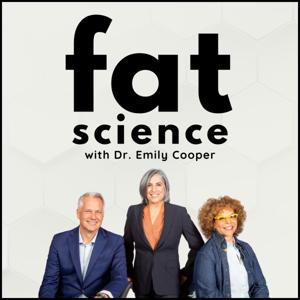
This week on Fat Science, Dr. Emily Cooper, Mark Wright, and Andrea Taylor take a trip to the past when Dr. Cooper didn’t have many supporters in medicine. She shares what it was like to be ridiculed by her peers, why she refused to give up on her patients, and how her science-based approach to metabolism was finally validated by mainstream medicine.
Hear the raw, unfiltered story of resilience, patient advocacy, and scientific discovery that led Dr. Cooper from being dismissed as “voodoo” to blazing a trail for real metabolic health.
Key Questions Answered:
Key Takeaways:
Dr. Cooper’s Actionable Tips:
Notable Quote:
“It does make you feel lonely because you feel like there’s no one to talk to, but it was always about doing right by the science and by my patients.” — Dr. Emily Cooper
Fat Science is your source for breaking diet myths and advancing the science of true metabolic health. No diets, no agendas—just science that makes you feel better. The show is informational only, not medical advice.
Check out our website to submit a question, explore resources, or reach our hosts.
Have questions for Dr. Cooper, a show idea, or feedback?Email [email protected] or [email protected].
Connect with:
Dr. Emily Cooper on LinkedIn
Mark Wright on LinkedIn
Andrea Taylor on Instagram
his week on Fat Science, Dr. Emily Cooper, Mark Wright, and Andrea Taylor tackle the biggest listener questions about sustainable weight loss, metabolic health, and why restrictive diets so often backfire. From medications like GLP-1s to common myths about exercise and nutrition, this episode delivers practical science and down-to-earth advice for anyone struggling with their weight and/or health.
Dr. Cooper breaks down why obesity is a physical sign of underlying metabolic dysfunction and sets the record straight about what really works for long-term health—spoiler: it’s not endless calorie counting or exercise alone. Listeners from around the world share their struggles and triumphs, and Dr. Cooper explains the roles of genetics, “food noise,” dealing with hypoglycemia, and the best ways to fuel your body.
Key Questions Answered:
Key Takeaways:
Dr. Cooper’s Actionable Tips:
Notable Quote:"There is no diet or exercise program that leads to long-term weight loss in someone with obesity. There isn't. Any time you're introducing that restriction you're opening the door to what's called metabolic adaptation, a slowing of the metabolic system. Why would you want to do that? If your whole goal is to strengthen the metabolic system, why would we want to introduce something that's been proven scientifically to slow the metabolic system down?" — Dr. Emily Cooper
Resources from the episode:Fat Science is your source for understanding why metabolic health—not weight alone—matters more than ever. No diets, no agendas, just science that makes you feel better. This show is informational only, not medical advice.
Check out our website to submit a question to the listener mailbag.
Have questions for Dr. Cooper, a show idea, feedback, or just want to connect?Email [email protected] or [email protected].
Connect with:
Dr. Emily Cooper on LinkedIn
Mark Wright on LinkedIn
Andrea Taylor on Instagram
This week on Fat Science, Dr. Emily Cooper, Mark Wright, and Andrea Taylor dive into the latest U.S. blood pressure guidelines—and reveal why nearly half of all Americans face risks that can no longer be ignored. Early intervention and smart lifestyle changes are at the heart of these new recommendations.
Why is high blood pressure such a hidden danger? What do the new “elevated” and “stage one” categories mean for real people? How do doctors decide when it’s time for medication versus lifestyle changes? And how does blood pressure connect to kidneys, strokes, and even dementia? Dr. Cooper unpacks the science, gives practical advice, and shares why home monitoring is now a crucial part of medical care.
In this conversation-dense episode, the team breaks old myths and empowers listeners to take charge—so that “keeping an eye” on blood pressure becomes active prevention, not passive worry.
Key Takeaways:
Dr. Cooper shares actionable tips:
Notable Quote:
“Home readings are very valuable. I really encourage people to look at the Validate BP site, find a good meter, and keep a log. Catching high blood pressure early and treating it aggressively can have profound impacts on your future health.”— Dr. Emily Cooper
Resources from the episode:
Fat Science is your source for understanding why blood pressure—and metabolic health—matter more than ever. No diets, no agendas, just science that makes you feel better.This show is informational only, not medical advice.
Check out our website to submit a question to the listener mailbag.Have questions for Dr. Cooper, a show idea, feedback, or just want to connect?Email [email protected] or [email protected].
Connect with:
Dr. Emily Cooper on LinkedIn
Mark Wright on LinkedIn
Andrea Taylor on Instagram
Fat Science Ep 106The Mailbag: GLP 1s, Leptin, Hormones & Insurance AdviceThis week on Fat Science, Dr. Emily Cooper, Mark Wright, and Andrea Taylor open the listener mailbag to answer real questions from around the world about metabolism, hormones, and GLP-1 therapy. From the UK to Seattle, listeners share personal stories of confusion and discovery — and Dr. Cooper brings metabolic science back into focus.What really happens when you stop GLP-1 medications? Why can someone eat less yet gain weight? What does leptin resistance actually mean? And how can hopeful moms safely navigate treatment before pregnancy?In this conversation-rich episode, the team moves beyond myths, helping listeners understand how hormones — not willpower — drive metabolism, appetite, and long-term health.Key Takeaways:• GLP-1 medications don’t “work by starving you” — they help the body use energy better by resetting fuel use hormones.• Restrictive eating and “calories in, calories out” oversimplify metabolism and often worsen hormonal imbalance.• Leptin isn’t just about levels — signaling quality determines how well your brain recognizes stored body fat.• Pregnancy and metabolic health require careful timing; GLP-1s aren't used during pregnancy, but improved metabolic strength before conception matters most.• Rapid weight loss from GLP-1 meds can risk muscle depletion; maintaining steady nutrition and proper dosing is key.• Insurance coverage for GLP 1s remains unpredictable, but persistence and documentation can open doors.Personal Stories & Practical Advice:Andrea and Mark share their own experiences reconciling appetite changes on GLP-1 therapy — from remembering to eat when hunger signals quiet down to finding fueling strategies that work.Dr. Cooper offers practical guidance rooted in clinical data: why ordered eating keeps metabolism stable, how dietitians with eating disorder expertise support GLP-1 patients, and when to adjust medication doses to protect muscle mass.Notable Quote:“It’s not technically the weight that’s messing up fertility — it’s the metabolic dysfunction that causes weight as a symptom.” — Emily Cooper, MD.In this listener mailbag edition of Fat Science, Dr. Emily Cooper, Mark Wright, and Andrea Taylor unpack the science behind GLP-1 medications, leptin resistance, and hormone balance. From fertility to appetite changes and insurance frustrations, this episode explains how metabolism—not willpower—drives lasting health. Hear real-world advice on fueling, mechanical eating, and safe GLP-1 use.
Resources from the episode:
Fat Science is a podcast on a mission to explain where our fat really comes from — and why it won’t go (and stay) away. We’re committed to a world where people understand that fat isn’t a failure and metabolism is not a math problem.This show is for informational purposes only and not a substitute for medical advice.
Check out our website where you can ask a mailbag question.
Have a question for Dr. Cooper, a show idea, feedback, or just want to connect?Email us at [email protected] or [email protected].
Connect with:
Dr. Emily Cooper on LinkedIn
Mark Wright on LinkedIn
Andrea Taylor on Instagram
This week on Fat Science, Dr. Emily Cooper, Andrea Taylor, and Mark Wright take on one of the biggest misinformation waves in popular health media: the rise of “microdosed” GLP‑1s and so‑called “GLP‑1 diets.”
As GLP‑1 medications dominate headlines and social media feeds, the hosts cut through the noise to explain what’s actually safe, what’s marketing hype, and why restrictive diets go against metabolic science.
Dr. Cooper reveals how calorie‑cutting research became misinterpreted, how compounded microdoses are being promoted like supplements, and why “just eat less” remains one of the most harmful messages for people trying to improve their metabolic health.
From the hormonal backlash of dieting to potentially-dangerous online telehealth shortcuts, this episode exposes how the new era of “skinny shots” and influencer‑driven microdosing campaigns echo decades of failed diet culture.
Key Takeaways:
Personal Stories & Practical Advice:Andrea opens up about the challenge of “mechanical eating” on GLP‑1 therapy — remembering to eat even when not hungry — while Mark shares how his own food relationship transformed once he focused on fueling, not restriction. Dr. Cooper emphasizes her 25‑year‑old shift away from calorie‑cutting, showing how patients thrive when metabolism is strengthened, not starved.
Resources from the episode:Fat Science is a podcast on a mission to explain where our fat really comes from and why it won’t go (and stay) away. We are committed to creating a world where people are empowered with accurate information about metabolism and recognize that fat isn’t a failure. This podcast is for informational purposes only and is not intended to replace professional medical advice.
Check out our new website where you can ask a mailbag question.Have a question for Dr. Cooper, a show idea, feedback, or just want to connect? Email us at [email protected] or [email protected].
Connect with Dr. Emily Cooper on LinkedIn.Connect with Mark Wright on LinkedIn.Connect with Andrea Taylor on Instagram.
This week on Fat Science, Dr. Emily Cooper, Mark Wright, and Andrea Taylor are joined by renowned childhood obesity expert Dr. Evan Nadler for a deep, honest conversation about what really is making our kids fat—and what’s finally changing about how kids, parents, and doctors can fight it.
The panel unpacks why the word “fat” is still so emotionally charged, how culture and even healthcare still get it wrong about weight, and why obesity must be recognized as a medical disease—not a moral failure. Dr. Nadler shares stories from two decades on the front lines, Dr. Cooper highlights transformative new science, and Andrea brings personal experience that challenges stereotypes and reveals the harm of shame-based approaches.
From the latest treatments—including medication and surgery for kids under 12—to the power of genetics, hormones, and family history, this episode breaks the silence, busts the myths, and lays out hope for families everywhere.
Key Takeaways:
Resources from the episode:Fat Science is dedicated to empowering families and changing the conversation about metabolism—reminding us all that fat isn’t a failure. For more resources, stories, and to submit a listener question, visit our website. If you are a healthcare professional and are interested in Dr Cooper’s upcoming training course, click on provider course at the Fat Science Podcast website!
If you have questions, a show idea, feedback, or want to connect, email us at [email protected] or [email protected].
Connect with Dr. Emily Cooper on LinkedIn.Connect with Mark Wright on LinkedIn.Connect with Andrea Taylor on Instagram.
Connect with Dr. Evan Nadler on his website.
*This podcast is for informational purposes only and is not intended to replace professional medical advice.
This week on Fat Science, Dr. Emily Cooper, Andrea Taylor and Mark Wright take a hard look at the buzz around microdosing metabolic medications—from what “microdosing” actually means to the risks of following trends without clinical supervision. The team unpacks widespread misunderstandings about dosing for drugs like Ozempic, Zepbound, and low-dose naltrexone (LDN), explains why social media advice can be dangerous, and highlights just how unique every person’s metabolic needs are.
Dr. Cooper shares patient examples and lays out the science behind hormone regulation, medication resistance, and why skipping a full evaluation could backfire. We cover why glandular extracts and testosterone supplements can disrupt your body’s natural balance and why trying to “trick” your metabolism with tiny doses can sometimes do more harm than good.
Key Takeaways:
Resources from the episode: Fat Science is a podcast on a mission to explain where our fat really comes from and why it won’t go and stay away. We are committed to creating a world where people are empowered with accurate information about metabolism and recognize that fat isn’t a failure. This podcast is for informational purposes only and is not intended to replace professional medical advice.
Check out our new website where you can ask a mailbag question. If you have a question for Dr. Cooper, a show idea, feedback, or just want to connect, email us at [email protected] or [email protected].
If you are a healthcare professional interested in Dr. Cooper's training course, go to FatSciencePodcast.com and click on the top right button for Provider Course.Connect with Dr. Emily Cooper on LinkedInConnect with Mark Wright on LinkedInConnect with Andrea Taylor on Instagram
This week on Fat Science, Dr. Emily Cooper, Andrea Taylor, and Mark Wright break down five eye-opening research studies from 2025 that challenge everything you thought you knew about obesity, dieting, and metabolism.
The hosts explore surprising new evidence on fitness trackers, the metabolic power of joy (and dessert!), the risks of intermittent fasting, how yo-yo dieting can damage kidney health, and the permanent impact of dieting on your brain-gut connection.
Dr. Cooper shares clinical insights and explains why simple fixes—strict diets, calorie counting, and food restriction—can actually backfire, causing more harm than good. From the science of hormone signaling to the pitfalls of diet culture, the conversation reveals powerful new reasons to embrace flexibility, balance, and self-kindness on the journey to metabolic health.
Key Takeaways:
Personal Stories & Practical Advice:Andrea shares why dessert is a staple of her happiness—and how mental restriction backfires. Dr. Cooper gives real-world examples from patients: eating favorite foods can unlock better weight results, while “diet damage” often lingers until medical treatment repairs it.
Resources from the episode:Fat Science is a podcast on a mission to explain where our fat really comes from and why it won’t go and stay away. We are committed to creating a world where people are empowered with accurate information about metabolism and recognize that fat isn’t a failure. This podcast is for informational purposes only and is not intended to replace professional medical advice.
Check out our new website where you can ask a mailbag question. If you have a question for Dr. Cooper, a show idea, feedback, or just want to connect, email us at [email protected] or [email protected].
Connect with Dr. Emily Cooper on LinkedIn.Connect with Mark Wright on LinkedIn.Connect with Andrea Taylor on Instagram.
REFERENCES FOR THIS EPISODEAlshurafa, N., et al. (2025). “More accurate fitness tracking for people with obesity.” *Scientific Reports*, Northwestern University Feinberg School of Medicine.Alfouzan, N.W., & Nakamura, M.T. (2025). “Reduced food cravings correlated with a 24-month period of weight loss and weight maintenance.” *Physiology & Behavior*, Vol. 291.Chen, H., Liu, C., Cui, S., et al. (2025). “Intermittent fasting triggers interorgan communication to suppress hair follicle regeneration.” *Cell*, Vol. 188.The Endocrine Society (2025). “Yo-yo dieting may significantly increase kidney disease risk in people with type 1 diabetes.” *Journal of Clinical Endocrinology & Metabolism*, February 2025.Fouesnard, M., et al. (2025). “Weight cycling deregulates eating behavior via the induction of durable gut dysbiosis.” *Advanced Science*, 2025
This week on Fat Science, Mark Wright, Andrea Taylor, and Dr. Emily Cooper dig deep into the science and history behind why diets don’t work for lasting weight management. From early fad diets, through to modern metabolic research, the episode explains why calorie restriction often backfires—and why fueling the body is key to long-term health.
Dr. Cooper unpacks the latest evidence about metabolic adaptation, the hormonal drivers of weight regain, and the persistent harms caused by repeated dieting. Listeners will leave with a renewed understanding of metabolism’s complexity, the importance of medical advocacy, and the critical need to challenge diet culture and weight bias.
Key Takeaways
Expert Insights & Practical Advice
Personal Stories & Culture Critique
Resources from the Episode
Fat Science is committed to debunking the myths about metabolism, diabetes, and fat. We empower listeners with evidence-based information, challenging the culture of blame and restriction. This podcast is for informational purposes and not medical advice.
Fat Science: No diet, no agenda—just science that makes you feel better.
The 100th episode of Fat Science brings together Dr. Emily Cooper, Andrea Taylor, and Mark Wright for a live mailbag celebration with listeners worldwide. Hear how the show began, reflect on lessons learned, and get answers to the questions people wish their doctors would address—especially about metabolism, obesity, diabetes, GLP-1 medications, and more.
Dr. Cooper shares the big-picture science behind “why we get fat,” the true drivers of metabolic dysfunction, and the evolution of her pioneering clinical practice. Andrea and Mark reveal the patient’s perspective—an honest look at what happens when the latest science meets real lives. Plus, practitioners and patients weigh in on the shifting cultural tide: it’s not a diet problem, it’s a metabolic problem.
Key Takeaways:
Personal Stories & Practical Advice:Andrea and Mark share a decade-plus of metabolic journeys—their dramatic health wins and the ongoing battle for self-compassion and body image. Listeners celebrate victories: reversing fatty liver, thriving after cancer, and breaking free from diet cycles.
“No diets. No agendas. Just science that makes you feel better.” The audience and hosts repeat this Fat Science tagline to mark the milestone.
Resources:Fat Science explains where fat really comes from and why it won’t just go away. We’re committed to empowering people with accurate information about metabolism and busting the myth that fat is failure. This podcast is informational only and not medical advice.
Check out our new website to ask a mailbag question. Contact us at [email protected] or [email protected].
Connect with Dr. Cooper on LinkedInConnect with Mark Wright on LinkedInConnect with Andrea Taylor on Instagram
From the publisher's feed
Ranked by our users in the last 21 days

9,151 Listeners

7,922 Listeners

335 Listeners

131 Listeners
621 Listeners
65 Listeners
1,677 Listeners
414 Listeners
356 Listeners

1,214 Listeners
268 Listeners
217 Listeners
363 Listeners
106 Listeners
173 Listeners