
Sign up to save your podcasts
Or



Based on Podcast App listening data
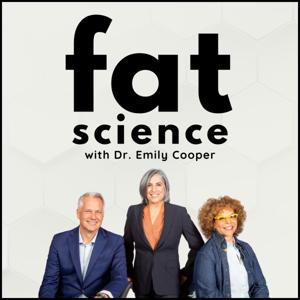
This week on Fat Science, Dr. Emily Cooper, Andrea Taylor, and Mark Wright explore the dangers of under-fueling and challenge dieting myths with guest Gina Davito. This episode dives into Gina’s journey from extreme restriction and over-exercising to finally achieving metabolic balance and freedom from food obsession.
Dr. Cooper sheds light on the science behind metabolic adaptation, appetite regulation, and why fueling your body—rather than restricting—is essential for long-term health. Listeners will come away with a new perspective on weight management, the power of metabolic healing, and a celebration of food as a source of nourishment and joy.
Key Takeaways:
Personal Stories & Practical Advice:
Resources from the episode:
Fat Science is a podcast on a mission to explain where our fat really comes from and why it won’t go and stay away. We are committed to creating a world where people are empowered with accurate information about metabolism and recognize that fat isn’t a failure. This podcast is for informational purposes only and is not intended to replace professional medical advice.
Check out our new website where you can ask a mailbag question and sign up to be in the audience for our 100th episode we’re recording on Thursday, September 4th at 9 a.m.PST. Be part of the live audience and ask Dr. Cooper a question. We’d love to celebrate this milestone with you!
If you have a question for Dr. Cooper, a show idea, feedback, or just want to connect, email us at [email protected] or [email protected].
This week on Fat Science we answer your questions in another, always-popular mailbag episode. Join Mark Wright, Andrea Taylor, and Dr. Emily Cooper and learn why some people don’t respond to GLP-1 medications, get the latest on new, oral weight-loss drugs, and explore the science behind elevated liver enzymes.
Dr. Cooper offers practical insights backed by metabolic research. She also addresses gluten-free diets, flavored seltzers, craving pathways in the brain, chronic pain management, and the importance of consistent eating patterns for metabolic health.
Key Takeaways:
Personal Stories & Practical Advice:
Resources from the episode:
Fat Science is a podcast on a mission to explain where our fat really comes from and why it won’t go and stay away. We are committed to creating a world where people are empowered with accurate information about metabolism and recognize that fat isn’t a failure. This podcast is for informational purposes only and is not intended to replace professional medical advice.
Check out our new website where you can ask a mailbag question and sign up to be in the audience for our 100th episode we’re recording on Thursday, September 4th at 9 a.m.PST. Be part of the live audience and ask Dr. Cooper a question. We’d love to celebrate this milestone with you!
If you have a question for Dr. Cooper, a show idea, feedback, or just want to connect, email us at [email protected] or [email protected].
Join Dr. Emily Cooper, Andrea Taylor, and Mark Wright on Fat Science as they dive into the power of strength training—not just for elite athletes, but for everyday health and longevity.
This week’s guests bring unique perspectives: Faith Ireland, retired Washington State Supreme Court Justice and 82-year-old world-record-holding powerlifter, and Russell Cunningham, MA, CRC, exercise physiologist who specializes in rehabilitation, human performance, and the science of aging strong.
Faith shares her inspirational journey from recovering after a car accident to competing internationally with 15 world records. Russell explains the hard science behind why muscle strength and power are linked to bone density, fall prevention, metabolism, and even brain health. Dr. Cooper adds the medical lens, showing why strength training is essential for long-term vitality.
Key Takeaways:
Personal Stories & Practical Advice:
Resources from the episode:
Fat Science is a podcast on a mission to share the real science behind why we get fat, addressing stigma and confusion with facts, hope, and empowering stories.
Connect with Dr. Emily Cooper on LinkedInConnect with Mark Wright on LinkedInConnect with Andrea Taylor on Instagram
Check out our new website where you can submit a mailbag question and sign up for our upcoming 100th Episode live audience taping on Thursday, September 4th at 9 a.m. PST! Be part of the milestone and bring your questions for Dr. Cooper.
If you have a question for Dr. Cooper, a show idea, feedback, or just want to connect, email us at[email protected] or [email protected].
Fat Science is supported by the non-profit Diabesity Institute, working to expand access to effective, science-based metabolic care for those suffering from or at risk for diabesity. https://diabesityresearchfoundation.org/
Join Dr. Emily Cooper, Andrea Taylor, and Mark Wright on Fat Science as they unravel the complex role of cortisol, the body’s primary stress hormone.
Dr. Cooper explains how cortisol isn’t always bad—it helps us adapt to stress, mobilize energy, and even save our lives in emergencies, but chronic elevation can cause serious health problems like insomnia, weight gain, and increased risk for diabetes and heart disease.
The team explores the science behind how stress impacts metabolism, why recovery and adaptation are essential, and practical, science-backed strategies for managing stress in everyday life.
Key Takeaways:
Personal Stories & Practical Advice:
Resources from the episode:
Fat Science is a podcast on a mission to share the real science behind why we get fat, addressing stigma and confusion with facts, hope, and empowering stories.
Fat Science is a podcast on a mission to explain where our fat really comes from and why it won’t go and stay away. We are committed to creating a world where people are empowered with accurate information about metabolism and recognize that fat isn’t a failure. This podcast is for informational purposes only and is not intended to replace professional medical advice.
Check out our new website where you can ask a mailbag question and sign up to be in the audience for our 100th episode we’re recording on Thursday, September 4th at 9 a.m.PST. Be part of the live audience and ask Dr. Cooper a question. We’d love to celebrate this milestone with you!
If you have a question for Dr. Cooper, a show idea, feedback, or just want to connect, email us at [email protected] or [email protected].
Fat Science is supported by the non-profit Diabesity Institute which is on a mission to increase access to effective, science-based medical care for those suffering from or at risk for diabesity. https://diabesityresearchfoundation.org/
This week on Fat Science, Dr. Emily Cooper, Andrea Taylor, and Mark Wright explore the surprising influence of parental perception on children’s weight and metabolic health. Dr. Cooper breaks down the science connecting how parents think and talk about body size to the way their kids develop physically and emotionally. The episode tackles the real-world consequences of parental concerns, dieting mindsets, and body image on children’s metabolism, offering insights into creating supportive environments for healthy growth.
Key Takeaways:
Personal Stories & Practical Advice:
Resources from the episode:
Fat Science is a podcast on a mission to share the real science behind why we get fat, addressing stigma and confusion with facts, hope, and empowering stories.
Fat Science is a podcast on a mission to explain where our fat really comes from and why it won’t go and stay away. We are committed to creating a world where people are empowered with accurate information about metabolism and recognize that fat isn’t a failure. This podcast is for informational purposes only and is not intended to replace professional medical advice.
If you have a question for Dr. Cooper, a show idea, feedback, or just want to connect, you can now reach us at Fat Science’s new website: https://fatsciencepodcast.com, or email us at [email protected], or [email protected].
For scientific reference sample listings related to topics in this episode, see https://fatsciencepodcast.com/wp-content/uploads/2025/06/Scientific-References-Fat-Science-Episodes.pdf
Fat Science is supported by the non-profit Diabesity Institute which is on a mission to increase access to effective, science-based medical care for those suffering from or at risk for diabesity. https://diabesityresearchfoundation.org/
This week on Fat Science, Dr. Emily Cooper, Andrea Taylor, and Mark Wright open the Fat Science mailbag to answer listener questions from around the globe.
This episode covers real-world metabolic challenges—from navigating calorie restriction and GLP-1 medications to the complexities of bariatric surgery, prednisone’s impact on weight, and menopause.
Dr. Cooper offers clear explanations and practical advice for healthcare professionals and patients alike on understanding metabolic dysfunction, interpreting lab results, and setting realistic weight loss expectations.
Key Takeaways:
Personal Stories & Practical Advice:
Resources from the episode:
Fat Science is a podcast on a mission to share the real science behind why we get fat, addressing stigma and confusion with facts, hope, and empowering stories.
Fat Science is a podcast on a mission to explain where our fat really comes from and why it won’t go and stay away. We are committed to creating a world where people are empowered with accurate information about metabolism and recognize that fat isn’t a failure. This podcast is for informational purposes only and is not intended to replace professional medical advice.
If you have a question for Dr. Cooper, a show idea, feedback, or just want to connect, email us at [email protected] or[email protected].
Fat Science is supported by the non-profit Diabesity Institute which is on a mission to increase access to effective, science-based medical care for those suffering from or at risk for diabesity. https://diabesityresearchfoundation.org/
This week on Fat Science, Dr. Emily Cooper, Andrea Taylor, and Mark Wright unpack the latest breakthroughs in metabolic medications and why individual biology requires personalized treatment.
Dr. Cooper explains how modern therapies for metabolic dysfunction go far beyond the old “one pill fixes all” approach. Discover how hormone-based medications like GLP-1 agonists are changing obesity and diabetes care, why medication response can differ drastically between individuals, and what the future holds for tailored metabolic treatments.
You’ll come away with a clearer understanding of why effective weight management isn’t just about diet or willpower—it’s about precision medicine.
Key Takeaways:
Personal Stories & Practical Advice:
Resources from the episode:
Fat Science is a podcast on a mission to explain where our fat really comes from and why it won’t go and stay away. We are committed to creating a world where people are empowered with accurate information about metabolism and recognize that fat isn’t a failure. This podcast is for informational purposes only and is not intended to replace professional medical advice.
If you have a question for Dr. Cooper, a show idea, feedback, or just want to connect, email us at [email protected] or[email protected].
Fat Science is supported by the non-profit Diabesity Institute which is on a mission to increase access to effective, science-based medical care for those suffering from or at risk for diabesity. https://diabesityresearchfoundation.org/
This week on Fat Science, Dr. Emily Cooper, Andrea Taylor, and Mark Wright revisit the critical topic of endocrine disruptors—chemicals in our environment that interfere with hormones and impact metabolism, weight, and overall health.
Dr. Cooper breaks down how everyday exposures to substances like phthalates, BPA, and others can have generational effects on metabolic pathways and disease risk. The episode highlights the link between these chemicals and the rising rates of obesity, diabetes, and even cancer, while offering practical steps for minimizing exposure in daily life.
Key Takeaways:
Personal Stories & Practical Advice:
Resources from the episode:
Fat Science is a podcast on a mission to explain where our fat really comes from and why it won’t go and stay away. We are committed to creating a world where people are empowered with accurate information about metabolism and recognize that fat isn’t a failure. This podcast is for informational purposes only and is not intended to replace professional medical advice.
If you have a question for Dr. Cooper, a show idea, feedback, or just want to connect, email us at [email protected] or [email protected].
Fat Science is supported by the non-profit Diabesity Institute, which aims to increase access to effective, science-based medical care for those suffering from or at risk for diabesity. https://diabesityresearchfoundation.org/
This week on Fat Science, Dr. Emily Cooper, Andrea Taylor, and Mark Wright tackle the frustrations of navigating the American healthcare system—especially when it comes to treating metabolic dysfunction, diabetes, and obesity. Mark vents about insurance obstacles, while Dr. Cooper breaks down how short-term thinking, excessive profit layers and lack of preventive care put patient health at risk.
Andrea and Dr. Cooper share personal stories and expertise about the high cost and complexity of accessing vital medications. Together, they explore how incentives, policies, and profit motives harm patient outcomes and propose ideas for a system that truly values health over profits.
Key Takeaways:
Personal Stories & Practical Advice:
Resources:
Fat Science is a podcast on a mission to explain where our fat really comes from and why it won’t go and stay away. We are committed to creating a world where people are empowered with accurate information about metabolism and recognize that fat isn’t a failure. This podcast is for informational purposes only and is not intended to replace professional medical advice.
If you have a question for Dr. Cooper, a show idea, feedback, or just want to connect, email us at [email protected] or [email protected].
Science is supported by the non-profit Diabesity Institute which is on a mission to increase access to effective, science-based medical care for those suffering from or at risk for diabesity. https://diabesityresearchfoundation.org/
This week on Fat Science, Dr. Emily Cooper, Andrea Taylor, and Mark Wright break down the essentials of a true metabolic workup. This episode moves beyond social media diet trends and digs into the science behind comprehensive lab panels, what they measure, and why they matter for your whole-body health.
Dr. Cooper explains how to interpret common and advanced metabolic markers—like blood sugar, insulin, cholesterol, hormone levels, and more—while Andrea and Mark share personal insights into the power of understanding your metabolic baseline. If you’re concerned about weight, diabetes, or just want to know your numbers, this episode gives you the knowledge to talk confidently with your healthcare provider.
Key Takeaways:
Personal Stories & Practical Advice:
References:
Diet Failure Rate
• Mann, T., et al. (2007). "Medicare's search for effective obesity treatments: diets are not the answer." American Psychologist, 62(3), 220-233
• Anderson, J. W., et al. (2001). "Long-term weight-loss maintenance: a meta-analysis of US studies." American Journal of Clinical Nutrition, 74(5), 579-584
Persistent Metabolic Adaptation
• Fothergill, E., et al. (2016). "Persistent metabolic adaptation 6 years after 'The Biggest Loser' competition." Obesity, 24(8), 1612-1619
• Rosenbaum, M., & Leibel, R. L. (2010). "Adaptive thermogenesis in humans." International Journal of Obesity, 34(S1), S47-S55
Long-Term Hormonal Disruption
• Sumithran, P., et al. (2011). "Long-term persistence of hormonal adaptations to weight loss." New England Journal of Medicine, 365(17), 1597-1604
• Rosenbaum, M., et al. (2005). "Low-dose leptin reverses skeletal muscle, autonomic, and neuroendocrine adaptations to maintenance of reduced weight." Journal of Clinical Investigation, 115, 3579-3586
Weight Cycling Cardiovascular Risks
• Montani, J. P., et al. (2006). "Weight cycling during growth and beyond as a risk factor for later cardiovascular diseases: the 'repeated overshoot' theory." International Journal of Obesity, 30(S4), S58-S66
Resources:
Fat Science is a podcast on a mission to explain where our fat really comes from and why it won’t go and stay away. We are committed to creating a world where people are empowered with accurate information about metabolism and recognize that fat isn’t a failure. This podcast is for informational purposes only and is not intended to replace professional medical advice.
If you have a question for Dr. Cooper, a show idea, feedback, or just want to connect, email us at [email protected] or [email protected]
Science is supported by the non-profit Diabesity Institute which is on a mission to increase access to effective, science-based medical care for those suffering from or at risk for diabesity. https://diabesityresearchfoundation.org
From the publisher's feed
Ranked by our users in the last 21 days

9,151 Listeners

7,922 Listeners

335 Listeners

131 Listeners
621 Listeners
65 Listeners
1,677 Listeners
414 Listeners
356 Listeners

1,214 Listeners
268 Listeners
217 Listeners
363 Listeners
106 Listeners
173 Listeners