
Sign up to save your podcasts
Or

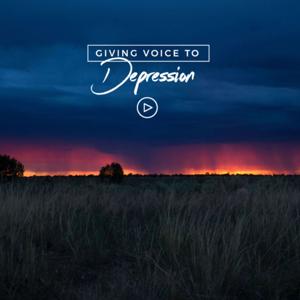


What does depression really feel like? In this episode, we break down the concept of Spoon Theory, a powerful way to understand the daily challenges of living with depression and limited energy. Through real-life examples and practical insights, we explore why simple tasks can feel overwhelming and how energy management plays a critical role in coping. If you’ve ever struggled to explain depression to others, this episode offers language and tools to make it clearer — both for yourself and the people around you.
Primary Topics Covered:
Timestamps:
0:00 – Introduction: Why describing depression is so difficult
2:45 – The origins of Spoon Theory explained
6:20 – How energy limits affect people with depression
10:05 – Examples of daily tasks that drain mental energy
14:30 – Explaining invisible struggles to others
18:50 – Practical strategies for conserving energy
23:10 – How Spoon Theory empowers self-compassion
26:45 – Final thoughts on living with depression and limited spoons
Explore mental health and addiction treatment options at recovery.com
Facebook Community: https://www.facebook.com/GivingVoiceToDepression/
Terry's LinkedIn: https://www.linkedin.com/in/givingvoicetodepression/
What happens when one of the toughest men in the NFL takes off the mask and admits he’s been battling depression?
In this powerful 100th episode of Giving Voice to Depression, NFL Hall of Famer Brian Dawkins opens up about his lifelong struggle with depression, suicidal thoughts, and the pressure of hiding behind toughness. Known as “Weapon X” during his 16 seasons with the Philadelphia Eagles and Denver Broncos, Dawkins reveals how silence nearly cost him his life—and how vulnerability, therapy, and faith helped him find freedom.
Dawkins shares candidly about the dangers of holding everything in, the importance of building what he calls a “blessed pack” of supportive people, and how medication, therapy, and prayer worked together in his healing. He also reflects on the lessons he wishes he’d learned earlier, and why he now uses his platform to advocate for mental health awareness, especially for men of color and athletes.
This episode is a reminder that true strength is asking for help—and that depression does not discriminate, even among the strongest.
Link to Brian Dawkins's website: www.briandawkins.com/
Primary Topics Covered:
Timestamps
00:11 Introduction to the 100th episode and hosts’ reflections
02:09 Brian Dawkins’ NFL career and reputation as “Weapon X”
02:53 Why he chose to reveal his depression in his Hall of Fame speech
03:35 What he thought depression was before experiencing it himself
04:21 Depression hitting hard during his rookie year
05:06 The culture of silence and “toughness” in sports and masculinity
06:18 The silent pressure of unspoken pain
06:35 The concept of a “blessed pack” for support and vulnerability
07:38 Teaching his kids to express emotions and not fear judgment
09:00 The role of faith and prayer in his healing
09:48 How medication and therapy helped him regain perspective
11:05 Suicidal thoughts and searching for ways to end his life
12:34 The mask of performance while dying inside
13:41 Freedom found in authenticity and unmasking
14:34 How dark times can teach resilience and discipline
15:54 The role of focus and daily practices in recovery
16:47 Final message: “You are worth the fight.”
18:17 Brian’s advocacy work and upcoming foundation
18:33 Closing reflections from hosts
Explore mental health and addiction treatment options at recovery.com
Facebook Community: https://www.facebook.com/GivingVoiceToDepression/
Terry's LinkedIn: https://www.linkedin.com/in/givingvoicetodepression/
Can sharing your darkest struggles create light for others?
In this heartfelt episode, Matt Weeden of The Tors Band continues the conversation about the band’s viral hit “Anything Can Happen.” Written during his own battle with depression and anxiety, the song has resonated with millions worldwide, turning raw honesty into connection, hope, and healing.
Matt opens up about the slow steps of recovery—sleeping through the night, opening the curtains to let in light, walking his dogs, and starting therapy. He reflects on how being authentic and vulnerable not only helped him heal but also sparked a global community of listeners who felt less alone.
This episode explores the power of music to reduce stigma, inspire hope, and connect people who might otherwise suffer in silence.
The Tors website: tors.band
Primary Topics Covered:
Timestamps:
00:11 Introduction to the episode
01:09 The power of vulnerable sharing in mental health
01:38 Recap of The Tors’ viral song “Anything Can Happen”
03:08 The overwhelming response from fans around the world
04:49 The importance of authenticity in music and recovery
06:59 Lyrics and reflections on slow healing: “I think I’m getting better…”
08:29 The significance of opening curtains and hearing birds sing
09:52 Why recovery takes time and the myth of quick fixes
12:03 Small steps: routine, dogs, podcasts, and therapy
13:23 Therapy insights and revisiting childhood experiences
14:21 Matt’s message of hope: healing is slow, but possible
17:00 Therapist reflection on imperceptible change in recovery
18:38 The importance of hearing and sharing real stories
19:14 Closing with The Tors’ full performance of “Anything Can Happen”
Explore mental health and addiction treatment options at recovery.com
Facebook Community: https://www.facebook.com/GivingVoiceToDepression/
Terry's LinkedIn: https://www.linkedin.com/in/givingvoicetodepression/
Music has a way of putting words and emotions to experiences we can’t always explain. In this episode, Matt Weedon of The Tors shares the story behind their song “Anything Can Happen” — written during a difficult season of depression.
Matt opens up about how even small tasks felt unbearable, what it was like to feel both pain and numbness at once, and how the support of a loyal friend helped him through the darkest moments. He also explains how the simple reminder — “If you need a minute, take a minute” — became a lifeline of self-compassion and rest.
This conversation is both raw and hopeful, offering listeners a reminder that depression can distort our sense of time and possibility, but support, routines, and even music can help us hold on until things shift.
Link to The Tors website: http://tors.band/
Primary Topics Covered:
Timestamps:
00:00 – Introduction and opening thoughts from Terry & Dr. Anita
02:12 – Meet Matt Weedon of The Tors and the story behind the song
03:44 – Writing during depression: when everything felt heavy
05:08 – Pain and numbness at the same time in depression
05:38 – Lyrics from “Anything Can Happen” and their meaning
06:43 – “I don’t remember happy” — losing joy during depression
08:26 – The power of a friend who listens without judgment
09:29 – Why being heard feels like being loved
10:54 – How not to shut someone down when they share their struggles
11:49 – The meaning of “If you need a minute, take a minute”
15:13 – Finding hope when you can’t see a future
15:35 – Building routines and small daily goals during recovery
18:30 – Laughter, TV shows, and the spark of joy returning
20:09 – Why familiar, comforting inputs help a struggling brain
21:22 – Friendship, “body doubling,” and the power of presence
22:51 – Closing reflections and preview of the next episode
Explore mental health and addiction treatment options at recovery.com
Facebook Community: https://www.facebook.com/GivingVoiceToDepression/
Terry's LinkedIn: https://www.linkedin.com/in/givingvoicetodepression/
What happens when the doctor becomes the patient?
In this moving episode, trauma surgeon Dr. Michael Weinstein shares his deeply personal story of living with treatment-resistant depression, suicidal thoughts, and eventually undergoing ECT (electroconvulsive therapy).
Michael describes how depression convinced him he was worthless and a burden to his family, and how—despite years of medical training—he didn’t fully recognize or understand these thoughts until he lived them himself. His story sheds light on the stigma of depression in the medical field, the challenges of receiving psychiatric care as a physician, and the humbling experience of being hospitalized alongside patients he once treated.
Now in recovery, Dr. Weinstein emphasizes the importance of speaking openly, breaking stigma, and remembering that healing is possible. His journey is a powerful reminder that depression lies—and that life can become brighter again.
Link to YouTube video: www.youtube.com/watch?v=7qBobGOF0fs&t=5s
Primary Topics Covered:
Timestamps
00:11 Introduction by hosts Terry and Anita
01:09 Recap of previous episode on doctors and depression
01:29 Introduction of guest: trauma surgeon Dr. Michael Weinstein
02:22 Michael’s family history of depression and personal struggle
03:22 Thoughts of worthlessness and being a burden
05:13 The importance of hearing others’ stories to break stigma
06:25 Defining and living with treatment-resistant depression
07:50 Voluntarily entering psychiatric care
08:45 Facing the recommendation for ECT treatment
09:31 Being restrained and placed in isolation during hospitalization
10:36 Lessons learned from being a psychiatric patient
11:43 Why stories of lived experience resonate more than statistics
12:23 Michael’s surprising recovery and optimism today
13:37 Hosts reflect on the power of doctors sharing their humanity
17:21 Closing reflections on destigmatizing depression in medicine
Explore mental health and addiction treatment options at recovery.com
Facebook Community: https://www.facebook.com/GivingVoiceToDepression/
Terry's LinkedIn: https://www.linkedin.com/in/givingvoicetodepression/
If doctors and psychologists are trained to care for others, why are so many struggling with depression and burnout themselves?
In this important episode, hosts Terry and Dr. Anita Sanchez reflect on the stigma surrounding mental illness in medicine, and share the story of Dr. Michael Weinstein, a trauma surgeon who wrote about his experience with depression in the New England Journal of Medicine.
Despite outward success, Dr. Weinstein endured profound depression and feelings of failure. He highlights how medical training environments fuel burnout and mental health crises—long hours, lack of sleep, constant pressure, and a culture that stigmatizes asking for help.
Dr. Anita also shares her own story of burnout during graduate school, where 80–100 hour work weeks and a “hazing” culture pushed students to their breaking point—ironically while being trained to promote wellness in others.
This candid episode pulls back the curtain on how the medical system’s culture of silence and stigma harms both providers and patients—and why a revolution in medical education and training is urgently needed.
Primary Topics Covered:
Timestamps
00:11 Welcome and introduction
01:09 Stigma in medicine and doctors’ reluctance to seek help
02:28 Introducing Dr. Michael Weinstein, trauma surgeon living with depression
03:21 Outward success vs. internal suffering
04:29 The failures of medical education in preparing doctors for mental health realities
05:23 How depression rates rise sharply during medical training
05:56 The need for self-compassion and mindfulness in medicine
07:21 Why doctors struggle to ask for or accept help
10:11 The culture of avoidance in medicine and lack of peer support
12:09 Focusing this episode on Weinstein’s medical perspective
12:34 Dr. Anita recalls her own graduate school burnout
13:37 The disconnect between training and promoting wellness
15:26 The unhealthy, unsustainable model of medical training
17:33 Why hazing-style training damages mental health long-term
18:02 The urgent need for systemic change in medical and psychology training
19:06 Closing reflections and preview of Dr. Weinstein’s personal story in the next episode
Explore mental health and addiction treatment options at recovery.com
Facebook Community: https://www.facebook.com/GivingVoiceToDepression/
Terry's LinkedIn: https://www.linkedin.com/in/givingvoicetodepression/
Can a small crocheted heart save a life?
In this powerful Valentine’s Day episode, Kathleen shares how her battle with depression, anxiety, complex PTSD, and suicidal thoughts led her to create the Little Heart Project. What began as a therapy-inspired hobby turned into a global movement of kindness, spreading handmade hearts with encouraging messages to strangers in need.
Kathleen opens up about her eight years in the grip of depression, the relief she finally found through ketamine therapy, and how acts of kindness—whether receiving them or creating them—helped restore her hope.
Her story is a reminder that small actions can spark big change, and that hope can return even when it feels impossible.
Primary Topics Covered:
Timestamps:
00:11 Valentine’s Day introduction
01:17 Hearts as symbols of kindness and suicide prevention
02:23 Kathleen’s story: depression after family trauma
03:20 Eight years of living with depression and anxiety
05:07 How her therapist introduced crocheted hearts
05:52 Launching the Little Heart Project
06:40 The ripple effect: makers, givers, and receivers of hearts
07:52 Stories of people touched by the project
09:08 Choosing meaningful, supportive messages for the hearts
10:26 How ketamine therapy lifted treatment-resistant depression
11:25 Recognizing progress and using her mental health “toolbox”
13:13 Speaking publicly and reducing stigma through storytelling
14:05 A heart placed → a life saved: real suicide prevention story
16:01 The importance of finding the right treatment and holding onto hope
17:42 Focusing on what you can do instead of what you can’t
20:10 A reminder that change is possible, even after years of depression
21:25 Closing reflections and resources to join the Little Heart Project
Explore mental health and addiction treatment options at recovery.com
Facebook Community: https://www.facebook.com/GivingVoiceToDepression/
Terry's LinkedIn: https://www.linkedin.com/in/givingvoicetodepression/
What does it mean to live with a dual diagnosis?
In this episode, Don shares his candid story of navigating clinical depression, anxiety, and substance use disorder—a combination often called a dual diagnosis.
After decades of silent suffering, Don finally received the correct diagnoses and found a treatment plan that worked, including medication, support groups, and telehealth through the VA. He talks openly about how depression convinced him he was worthless, how addiction fueled the darkness, and what finally helped him find hope again.
Don also shares how music, gratitude, and peer support networks became essential tools in his recovery. His story is a reminder that recovery is possible, stigma must be challenged, and sometimes just listening is the greatest form of support.
Primary Topics Covered:
Timestamps
00:05 Introduction and welcome
01:03 Podcast updates and live webinar announcement
02:06 What “dual diagnosis” means (mental illness + substance abuse)
03:15 Introducing Don and his story
04:21 Don’s early experiences with anxiety as a child
04:58 First diagnosis (misdiagnosed bipolar, later corrected)
06:05 Finding the right medication for depression and anxiety
07:59 How depression and anxiety feel without medication
08:10 Don’s history of substance use and recovery journey
09:03 Building a strong support network through AA/NA
09:56 The importance of connection, even long-distance, through technology
11:28 How telehealth with the VA transformed Don’s access to care
12:20 Why Don values the VA’s mental health services
13:07 Music as a daily coping tool and source of gratitude
14:58 Recognizing early signs of depressive episodes and acting quickly
15:50 The empathy and wisdom gained from lived experience
17:14 How friends and family can best support someone in depression
19:47 Why stigma is dangerous—and why Don refuses to stay silent
22:28 Closing reflections and reminders of hope
Explore mental health and addiction treatment options at recovery.com
Facebook Community: https://www.facebook.com/GivingVoiceToDepression/
Terry's LinkedIn: https://www.linkedin.com/in/givingvoicetodepression/
What role does family play in depression recovery?
In this episode, Sandeep, a 33-year-old British-Asian woman, shares her journey through depression, OCD, and an eating disorder, and how her family became a vital part of her healing. From her father first recognizing red flags, to her mother creating a monthly “family trust circle” where everyone shares openly, Sandeep highlights the power of connection, communication, and empathy in managing depression.
She also opens up about her suicide attempt, what helped her hold on, and why she now advocates for open, stigma-free conversations about mental health. This conversation reminds us that recovery is not only personal, but communal—and that loved ones can play a life-saving role.
Primary Topics Covered:
Timestamps
00:00 Introduction to the episode
01:09 Different ways to manage depression (therapy, medication, tools)
01:53 Introducing Sandeep’s story
02:41 Self-criticism, weight stigma, and childhood pressures
03:45 Early eating disorders and OCD diagnosis
04:50 Her father’s recognition of red flags
05:53 First doctor’s visit and getting a diagnosis
06:56 The relief and stigma of receiving labels
07:59 Reframing diagnoses and advocating for humanity beyond labels
08:59 Sandeep’s suicide attempt and internal conflict of voices
09:30 Her mother’s intervention that saved her life
10:43 How to check in with loved ones effectively
11:47 Warning signs: withdrawal, anger, temperament changes
13:18 Creating a Family Trust Circle for open dialogue
14:33 Why mental health check-ins must be safe, consistent, and trustworthy
16:15 Crisis resources: 988 in the U.S. and local hotlines abroad
16:51 Why it’s okay to not be okay—and to speak up
17:22 Reflections on family support and safe spaces
19:05 Extending trust circles to friends and chosen families
21:39 Emotional literacy and generational growth in mental health
22:39 The healing power of honest conversation
23:49 “You’re not the only one” vs. “You’re not alone”
25:05 Closing thanks and resources
Explore mental health and addiction treatment options at recovery.com
Facebook Community: https://www.facebook.com/GivingVoiceToDepression/
Terry's LinkedIn: https://www.linkedin.com/in/givingvoicetodepression/
What happens when a child grows up with a parent who has depression or bipolar disorder?
In this powerful episode of Giving Voice to Depression, Michelle Dickinson shares what it was like to be raised by a mother living with untreated bipolar disorder. She recalls the unpredictability of her childhood, the pressure to keep the peace, and the lasting impact of always adjusting herself to her mother’s moods.
Michelle describes the confusion of thinking her mother’s illness was somehow her fault, and how years of therapy helped her separate her mom from her disease. Her story sheds light on the resilience children develop—and the struggles they carry into adulthood—when mental illness goes unacknowledged in the home.
The co-hosts also discuss practical, low-energy ways parents can protect and support their kids while managing their own depression. From honesty and modeling self-care to simple rituals of connection, they highlight how love and presence matter more than perfection.
If you’re a parent struggling with depression—or the child of one—this episode offers validation, understanding, and hope.
Link to Related resources: https://www.familyaware.org/
Link to Michelle's website: https://www.michelleedickinson.com/
Primary Topics Covered:
Timestamps
00:11 Introduction and episode context
01:00 A son recognizes his father’s depression through a friend’s eyes
02:00 Remembering earlier interview with Michelle Dickinson
03:20 Michelle’s story: growing up with a mother with bipolar disorder
04:24 Her mother’s depressive and manic episodes
05:41 Hospitalizations and lack of family understanding
06:39 How Michelle blamed herself and tried to “be a good girl”
07:16 Adapting as a “chameleon” to survive
07:50 Feeling voiceless and unseen in her own home
08:26 Fear of bringing friends home due to stigma and embarrassment
09:41 Why Michelle shares her story publicly now
10:05 The message she wishes someone had told her as a child
11:08 Realizing her childhood was not “normal”
11:59 Learning to separate her mother from her illness
12:23 Processing her mother’s death and finding forgiveness
13:19 Michelle’s own depression and new understanding of her mom
14:51 The importance of care, medication, and responsibility in mental health
16:10 Over 15 million children live with a parent who has depression
18:06 Why honesty with kids about mental illness matters
18:47 How children internalize blame when parents don’t explain
21:15 Advances in awareness and support for families today
21:48 Parents managing depression and protecting their children
23:54 Low-energy rituals that help kids feel loved
25:27 Resources for families and closing reflections
Explore mental health and addiction treatment options at recovery.com
Facebook Community: https://www.facebook.com/GivingVoiceToDepression/
Terry's LinkedIn: https://www.linkedin.com/in/givingvoicetodepression/
From the publisher's feed
Giving Voice To Depression unites lived experience and expert insight to shine a spotlight on depression and mental health. Each week, we bring you honest personal stories, evidence-based…

2,586 Listeners
531 Listeners

1,895 Listeners

1,796 Listeners

1,221 Listeners

830 Listeners
755 Listeners

12,669 Listeners

2,520 Listeners
1,186 Listeners

1,527 Listeners

2,874 Listeners

365 Listeners
405 Listeners
204 Listeners