
Sign up to save your podcasts
Or

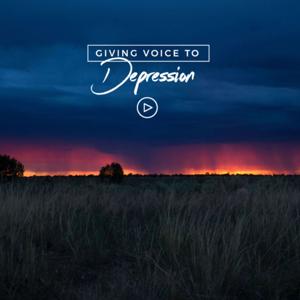


Being told to “just ask for help” often feels impossible when depression makes words hard to find. In this episode, writer and mental health advocate Sam Dylan Finch shares five practical, compassionate scripts anyone can use to reach out for support.
Sam’s insights come from lived experience—he’s both a suicide attempt survivor and someone who has lost loved ones to suicide. He explains why vague advice isn’t enough, and why specific, actionable language is key to breaking isolation and getting through the hardest moments.
Whether you’re struggling yourself or want to better support someone you love, this episode provides real-world tools that make asking for help less intimidating and more effective.
Link to Sam's list: https://letsqueerthingsup.com/2018/03/03/10-ways-to-reach-out-when-youre-struggling-with-your-mental-health/
Link to Sam's blog: https://letsqueerthingsup.com/tag/mental-health/
Primary Topics Covered
Timestamps
00:00 - Introduction to Giving Voice to Depression
01:02 - Social media posts that inspire peer support
02:29 - Meet Sam Dylan Finch: writer, advocate, suicide survivor
03:06 - Why Sam wrote “10 Ways to Reach Out When Struggling”
03:54 - Losing a friend to suicide and lessons learned
04:42 - Why loved ones—not only clinicians—are vital in crisis
05:20 - Normalizing the need to ask for help
06:03 - Script #1: “I don’t want to be alone”
07:00 - Script #2: “What I’ve been trying isn’t working—can we make a plan?”
08:46 - Script #3: “I don’t feel safe—can you stay on the phone or come over?”
09:39 - Script #4: “I’m in a bad place but not ready to talk. Can you distract me?”
11:49 - Script #5: “Can you check in with me (on a specific schedule)?”
13:36 - Why connection and visibility matter in recovery
14:48 - Early check-ins as prevention against crisis escalation
15:13 - Closing reflections and preview of Part 2
Explore mental health and addiction treatment options at recovery.com
Facebook Community: https://www.facebook.com/GivingVoiceToDepression/
Terry's LinkedIn: https://www.linkedin.com/in/givingvoicetodepression/
Do you ever wonder if you’re just burned out — or if what you’re experiencing is actually depression? Psychiatrist Dr. Jessi Gold, an expert on physician burnout and mental health, helps us understand the critical differences between the two and why it matters.
In this episode, Dr. Gold explains how burnout and depression overlap, how to recognize the warning signs of each, and the risks if burnout is left unaddressed. She also shares her personal journey of realizing she was burned out during the pandemic, even as a mental health professional, and what helped her recover.
Whether you’re struggling with workplace stress, emotional exhaustion, or clinical depression, this conversation offers clarity and actionable tools for healing.
Links to articles referenced in episode: https://www.wbur.org/cognoscenti/2021/03/04/physician-burnout-covid-19-pandemic-jessi-gold
https://www.nytimes.com/2021/04/19/well/mind/covid-mental-health-languishing.html
Primary Topics Covered
Timestamps
00:01 – Introduction: languishing, burnout, and depression
02:30 – Dr. Jessi Gold shares her personal burnout story
05:15 – Even mental health experts miss burnout warning signs
07:20 – Burnout as a workplace issue vs. depression as a medical condition
08:45 – Key symptoms of depression vs. burnout
11:00 – The impact of burnout and depression on relationships
12:45 – Giving yourself patience and grace during recovery
13:40 – Listening to your body and recognizing limits
14:30 – Why coping skills must be tailored to each person
16:00 – Self-care as rest, not another task on your to-do list
18:20 – Closing thoughts and resources
Explore mental health and addiction treatment options at recovery.com
Facebook Community: https://www.facebook.com/GivingVoiceToDepression/
Terry's LinkedIn: https://www.linkedin.com/in/givingvoicetodepression/
Many of us feel exhausted, drained, and overwhelmed—especially in times of high stress. But how do you know if what you’re experiencing is burnout or depression? Psychiatrist Dr. Jessi Gold, an expert on physician burnout and mental health, joins us to explain the difference, why it matters, and how to care for yourself before burnout turns into something more serious.
This episode explores the overlap between workplace exhaustion and clinical depression, common signs of each, and practical coping tools. Dr. Gold also shares her own story of realizing she was burned out—even as a mental health professional—and the lessons she’s learned about rest, boundaries, and self-compassion.
If you’ve been asking yourself, “Am I burned out, or is this depression?”, this conversation will help you better understand your experience and take steps toward healing.
Links to articles referenced in episode: https://www.wbur.org/cognoscenti/2021/03/04/physician-burnout-covid-19-pandemic-jessi-gold
https://www.nytimes.com/2021/04/19/well/mind/covid-mental-health-languishing.html
Primary Topics Covered:
Timestamps:
Explore mental health and addiction treatment options at recovery.com
Facebook Community: https://www.facebook.com/GivingVoiceToDepression/
Terry's LinkedIn: https://www.linkedin.com/in/givingvoicetodepression/
In this powerful episode of Giving Voice to Depression, Trony Small shares his family’s journey through trauma, loss, and resilience. Growing up in Milwaukee with a mother living with cerebral palsy, Trony and his brothers experienced discrimination, instability, and profound grief after their mother’s death. When his younger brother Justin was later diagnosed with schizophrenia and bipolar disorder, stigma and lack of resources made getting help difficult. Justin’s eventual suicide left a lasting impact, fueling Trony’s mission to support other families navigating mental health challenges.
This conversation explores the ways family trauma, cultural silence, and systemic inequities intersect—and how breaking stigma, increasing resources, and starting honest conversations can save lives.
Link to video with more information: https://www.facebook.com/2016557181923354/posts/2948490168730046/?d=n
MHA of WI's Next Step Clinic: http://www.mhawisconsin.org/mha-wi-counseling-clinic
Primary Topics Covered:
Timestamps:
00:00 - Introduction to the episode and theme of family trauma
01:31 - How trauma shapes family dynamics and belonging
02:27 - Growing up in Milwaukee with poverty and discrimination
03:42 - The loss of Trony’s mother and its impact on his family
05:00 - Prayer as the family’s response to trauma instead of open discussion
06:05 - Writing a poem about his brothers and their mother’s legacy
07:22 - How the youngest brother, Justin, was most affected by loss
08:12 - Early signs of Justin’s struggles and the family’s response
09:12 - Learning about mental illness through NAMI and conversations with Justin
10:40 - Justin’s diagnosis of schizophrenia and bipolar disorder
11:34 - His death by suicide at age 23
12:03 - The need for better family and community support
13:06 - Barriers to mental health care in underserved communities
14:39 - Trony’s work today helping families access treatment and resources
15:22 - Closing reflections and advocacy for change
Explore mental health and addiction treatment options at recovery.com
Facebook Community: https://www.facebook.com/GivingVoiceToDepression/
Terry's LinkedIn: https://www.linkedin.com/in/givingvoicetodepression/
Family trauma doesn’t just affect one person — it ripples through generations, shaping identities, relationships, and opportunities for healing.
In this episode of Giving Voice to Depression, Trony Small shares his family’s story of growing up in Milwaukee with poverty, discrimination, and loss. After the death of his mother, Trony and his brothers faced instability, grief, and stigma that made conversations about mental health nearly impossible. When his youngest brother Justin was later diagnosed with schizophrenia and bipolar disorder, the family struggled to navigate a system with limited resources and cultural barriers to care. Justin’s death by suicide at 23 left a lasting impact and inspired Trony to help other families facing similar challenges.
This moving conversation highlights the intersections of family trauma, racial inequities, and mental health stigma—and reminds us that storytelling, advocacy, and community support are vital parts of healing.
Link to video with more information: https://www.facebook.com/2016557181923354/posts/2948490168730046/?d=n
MHA of WI's Next Step Clinic: http://www.mhawisconsin.org/mha-wi-counseling-clinic
Primary Topics Covered:
Timestamps:
00:00 – Introduction: family trauma and mental health
01:31 – How trauma shaped Trony’s childhood and family dynamics
02:27 – Growing up in Milwaukee amid poverty and discrimination
03:42 – The loss of his mother and its lasting impact
05:00 – Prayer and silence instead of open discussions about trauma
06:05 – Writing poetry as a way to process pain
07:22 – How Justin, the youngest brother, was most deeply affected
08:12 – Early signs of mental illness and the family’s struggles to respond
09:12 – Learning through NAMI about schizophrenia and bipolar disorder
10:40 – Justin’s diagnosis and challenges navigating treatment
11:34 – His death by suicide at 23
12:03 – The importance of family and community support
13:06 – Systemic barriers to mental health care for Black families
14:39 – Trony’s advocacy and mission to help other families
15:22 – Closing reflections on healing and change
Explore mental health and addiction treatment options at recovery.com
Facebook Community: https://www.facebook.com/GivingVoiceToDepression/
Terry's LinkedIn: https://www.linkedin.com/in/givingvoicetodepression/
In this episode of Giving Voice to Depression, we explore the healing impact of peer support and online community in managing depression. Through the powerful stories of Bea and Debbie, listeners hear how reaching out—even to strangers online—can provide connection, hope, and life-saving encouragement during the darkest moments.
From tattoos symbolizing love, life, and sorrow, to messages that pulled someone back from the brink of suicide, these lived experiences highlight that sometimes the most meaningful help doesn’t come from professionals, but from people who have “been there” too.
Whether you’re seeking support or wondering how to offer it, this conversation reveals how empathy, kindness, and a few heartfelt words can make all the difference.
Primary Topics Covered:
Timestamps:
00:00 - Introduction to the podcast and hosts
01:00 - The importance of asking for and offering support
02:00 - How a Facebook community stepped up to support struggling members
03:30 - Bea’s story: life, love, sorrow, and finding connection online
05:00 - The value of empathy in mental health struggles
07:20 - How support helped Bea through her husband’s sudden death
09:00 - Debbie’s story: reaching out during a suicidal crisis
11:30 - Why lived experience matters more than clinical advice in certain moments
13:30 - The lifesaving impact of online support and encouragement
15:00 - Reflection: the human need for connection and peer support
17:00 - Closing thoughts and invitation to join the community
Explore mental health and addiction treatment options at recovery.com
Facebook Community: https://www.facebook.com/GivingVoiceToDepression/
Terry's LinkedIn: https://www.linkedin.com/in/givingvoicetodepression/
In this episode of Giving Voice to Depression, we explore how online peer support groups provide strength, connection, and hope for those living with depression. Guests Bea and Debbie share deeply personal stories of how community and lived experience offered them comfort and even saved lives during times of despair.
From messages that pulled someone back from suicidal thoughts to the ongoing encouragement of strangers who “get it,” this conversation shows the real impact of peer support for depression. Sometimes, the most powerful help doesn’t come from professionals, but from people who have walked the same road and are willing to listen, validate, and stand beside you.
If you’ve ever wondered how to find depression help online or how to be there for someone who’s struggling, this episode offers practical insight, encouragement, and hope.
Primary Topics Covered:
Timestamps:
00:00 - Introduction to the episode and hosts
01:00 - Why asking for and offering support matters
02:00 - Online communities as safe spaces for depression support
03:30 - Bea’s story: tattoos, grief, and the importance of connection
05:00 - The role of empathy in mental health struggles
07:20 - How community helped Bea after her husband’s sudden death
09:00 - Debbie’s story: reaching out during a suicidal crisis
11:30 - The lifesaving impact of simple, caring words
13:30 - Why lived experience support differs from clinical advice
15:00 - Reflections on connection, hope, and peer support
17:00 - Closing thoughts and invitation to join the conversation
Explore mental health and addiction treatment options at recovery.com
Facebook Community: https://www.facebook.com/GivingVoiceToDepression/
Terry's LinkedIn: https://www.linkedin.com/in/givingvoicetodepression/
Medication for depression and anxiety is one of the most debated topics in mental health. Some people credit antidepressants with saving their lives, while others avoid them out of fear or stigma. In this candid conversation, psychiatrist Dr. Jessi Gold joins the Giving Voice to Depression podcast to break down the realities of seeing a psychiatrist, starting medication, and managing expectations. We discuss how to know when it’s time to consider meds, common side effects, treatment myths, and why combining therapy with medication is often most effective.
Whether you’re hesitant about antidepressants, already taking them, or supporting someone who is, this episode offers clarity, honesty, and hope.
Primary Topics Covered:
Timestamps:
00:05 - Introduction to the episode
01:02 - Meme that captures the antidepressant debate
01:31 - Why antidepressants are controversial
01:52 - Considering meds for depression or anxiety
02:28 - Dr. Jessi Gold joins the conversation
03:15 - When people typically seek a psychiatrist
03:38 - Therapy plus medication: a powerful combination
04:11 - Signs it’s time to consider meds
05:14 - What to expect from a first psychiatric visit
06:14 - Stigma and resistance around psychiatry
07:17 - Why antidepressants take time to work
08:05 - Common side effects and how people manage them
08:56 - Do antidepressants actually work?
09:53 - Will medication change my personality?
11:02 - Comparing meds vs. untreated depression
11:22 - Concerns about being on medication long-term
12:34 - Misconceptions about “treatment-resistant” depression
14:14 - Why a pill isn’t a magic fix
14:59 - Therapy’s role alongside medication
16:24 - The goal isn’t constant happiness—it's balance
17:20 - Bridget shares her own med experience
17:47 - Terry reflects on her own medication journey
18:15 - Psychiatry as “throwing darts in the dark”
18:37 - Gratitude for Dr. Gold’s insights
18:53 - Closing thoughts and invitation to connect online
Explore mental health and addiction treatment options at recovery.com
Facebook Community: https://www.facebook.com/GivingVoiceToDepression/
Terry's LinkedIn: https://www.linkedin.com/in/givingvoicetodepression/
Deciding whether to try medication for depression or anxiety can feel overwhelming. How do you know if it’s time to see a psychiatrist? What should you expect from a first visit? And what role do antidepressants really play in treatment?
In this episode of Giving Voice to Depression, psychiatrist Dr. Jessi Gold joins the conversation to break down the realities of medication as a treatment option. From addressing stigma to explaining side effects and the importance of therapy, Dr. Gold provides clarity and reassurance for anyone considering antidepressants—or supporting a loved one who is.
If you’ve ever wondered about the pros and cons of medication, what “treatment-resistant depression” really means, or how to find the right support system, this episode offers insight, honesty, and hope.
Primary Topics Covered:
Timestamps:
00:05 - Introduction to the episode
01:02 - Meme that captures the antidepressant debate
01:31 - Why antidepressants are controversial
01:52 - Considering medication for depression or anxiety
02:28 - Guest introduction: Dr. Jessi Gold
03:15 - When people typically seek psychiatric help
03:38 - Why therapy plus medication often works best
04:11 - How to know when it’s time to consider meds
05:14 - What happens during a first psychiatric visit
06:14 - The stigma around psychiatry and seeking help
07:17 - How long antidepressants take to start working
08:05 - Common side effects and what to expect
08:56 - Do antidepressants actually work?
09:53 - Addressing fears about meds changing personality
11:02 - Comparing untreated depression vs. being on meds
11:22 - Concerns about long-term use of antidepressants
12:34 - What “treatment-resistant depression” really means
14:14 - Why medication isn’t a magic fix
14:59 - The role of therapy alongside antidepressants
16:24 - The goal of medication: balance, not constant happiness
17:20 - Bridget shares her medication experience
17:47 - Terry reflects on her own journey with meds
18:15 - Why treatment can feel like “throwing darts in the dark”
18:37 - Closing thanks to Dr. Gold
18:53 - Final reflections and invitation to connect
Explore mental health and addiction treatment options at recovery.com
Facebook Community: https://www.facebook.com/GivingVoiceToDepression/
Terry's LinkedIn: https://www.linkedin.com/in/givingvoicetodepression/
From the publisher's feed
Giving Voice To Depression unites lived experience and expert insight to shine a spotlight on depression and mental health. Each week, we bring you honest personal stories, evidence-based…

2,584 Listeners

529 Listeners

1,895 Listeners

1,796 Listeners

1,222 Listeners

831 Listeners
756 Listeners

12,673 Listeners

2,519 Listeners
1,186 Listeners

1,526 Listeners

2,873 Listeners

363 Listeners

405 Listeners

204 Listeners