
Sign up to save your podcasts
Or

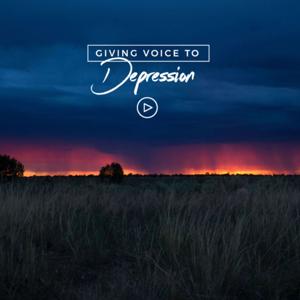


How can tracking your mental health symptoms actually help you feel better? In this episode of Giving Voice to Depression, writer Jennifer Tzeses shares practical ways to track depression, anxiety, and bipolar symptoms—from sleep patterns and mood swings to daily routines and habits.
We explore simple tools like journals, rating scales, and apps that make self-monitoring easier and more effective. By noticing early warning signs, you can work with your doctor to adjust treatment, prevent relapse, and build stronger mental health resilience.
Whether you’re managing depression, living with bipolar disorder, or supporting someone who is, this episode highlights small, daily steps that make a big difference.
Link to article on bipolar disorder management:
https://www.healthcentral.com/slideshow/ways-to-stay-steady-with-bipolar-disorder
Link to article on winter seasonal depression:
https://www.healthcentral.com/slideshow/winter-and-low-mood
Link to article on Mental Health Apps:
https://www.psycom.net/25-best-mental-health-apps
Primary Topics:
Timestamps:
00:00 – Welcome and introduction
01:04 – Coping with mental health during the pandemic
03:01 – Understanding bipolar disorder: depression and mania
04:11 – Recognizing early warning signs and triggers
05:09 – Sleep disturbances as key indicators
07:26 – Building consistent daily routines
07:57 – Tracking moods and symptoms regularly
09:55 – How self-monitoring helps with treatment adjustments
10:57 – Why keeping objective records is critical
12:37 – Journals, calendars, and digital tools for tracking
13:48 – Tracking as a tool for supportive conversations
14:23 – Keeping it simple: emojis, colors, Fitbits
16:39 – Encouraging listeners to share their tracking methods
17:09 – Closing reflections on awareness and hope
Explore mental health and addiction treatment options at recovery.com
Facebook Community: https://www.facebook.com/GivingVoiceToDepression/
Terry's LinkedIn: https://www.linkedin.com/in/givingvoicetodepression/
Managing mental health starts with awareness. In this episode of Giving Voice to Depression, we talk with writer Jennifer Tzeses about the power of tracking symptoms, sleep, and moods to better manage depression, bipolar disorder, and anxiety.
From keeping a simple journal to using digital apps and wearable tech, we explore practical ways to notice early warning signs, prevent relapses, and work with your doctor more effectively. Whether you’re living with depression or supporting someone who is, this conversation provides doable strategies that set you up for success.
Link to article on bipolar disorder management:
https://www.healthcentral.com/slideshow/ways-to-stay-steady-with-bipolar-disorder
Link to article on winter seasonal depression:
https://www.healthcentral.com/slideshow/winter-and-low-mood
Link to article on Mental Health Apps:
https://www.psycom.net/25-best-mental-health-apps
Primary Topics Covered:
Timestamps:
00:00 – Welcome and introduction to the episode
01:04 – Coping with mental health during the pandemic
03:01 – Understanding bipolar disorder: depression and mania
04:11 – Warning signs and triggers to watch for
05:09 – Sleep disturbances as a key indicator
07:26 – The importance of consistent routines
07:57 – Tracking moods and symptoms daily or weekly
09:55 – How tracking supports treatment and medication adjustments
10:57 – Why objective records matter in mental health care
12:37 – Using simple tools: journals, calendars, or apps
13:48 – Tracking as a supportive conversation starter
14:23 – Making it simple: frown faces, color coding, Fitbits
16:39 – Listener engagement and sharing tools
17:09 – Closing reflections: understanding, connection, and hope
Explore mental health and addiction treatment options at recovery.com
Facebook Community: https://www.facebook.com/GivingVoiceToDepression/
Terry's LinkedIn: https://www.linkedin.com/in/givingvoicetodepression/
Stigma around depression and mental illness is not just about feeling misunderstood—it has life-threatening consequences. In this episode, we conclude our three-part series on stigma by exploring how shame, judgment, and fear keep people from reaching out for help.
You’ll hear from past guests who describe how stigma delayed their diagnoses, deepened their suffering, and in some cases, nearly cost them their lives. We also discuss self-stigma, the power of open conversations, and how society would look if mental health was treated like physical health.
This episode is both a warning and a call to action: breaking stigma saves lives.
Primary Topics Covered:
Timestamps:
00:01 – Introduction: stigma and its impact on depression and mental illness
02:00 – Why the words we use (mental illness vs. mental health challenge) matter
03:25 – Depression is not a choice—but ignorance and discrimination are
04:40 – Guests share how stigma delayed help-seeking and deepened suffering
06:13 – Why asking for therapy or psychiatry feels so different from asking for a dentist
07:29 – The role of shame and appearances in hiding mental illness
08:34 – Stigma as a driver of isolation, delayed diagnosis, and suicide risk
09:17 – Guests reflect on how reducing stigma could save lives
10:41 – Treating depression like a physical illness: a vision for the future
11:20 – The power of shared stories in breaking stigma and offering hope
12:06 – Advice to listeners: listen, support, and resist judgment
13:30 – Closing reflections and gratitude to guests and community
Explore mental health and addiction treatment options at recovery.com
Facebook Community: https://www.facebook.com/GivingVoiceToDepression/
Terry's LinkedIn: https://www.linkedin.com/in/givingvoicetodepression/
Stigma is more than an abstract concept—it can mean the difference between life and death. In this episode of Giving Voice to Depression, we explore how shame, judgment, and misunderstanding about mental illness keep people from seeking help, delay treatment, and increase suicide risk.
Through the voices of past guests, we hear firsthand how stigma silenced them, deepened their struggles, and nearly cost lives. We also examine self-stigma—the harsh inner critic that reinforces silence—and what could change if we treated depression like any other illness.
This episode is both a warning and a call to action: ending stigma saves lives.
Primary Topics Covered:
Timestamps:
00:01 – Introduction: why stigma still matters
02:00 – Language, labels, and their impact on perceptions of depression
03:25 – Depression isn’t a choice, but stigma fuels judgment
04:40 – Guests describe how stigma delayed their diagnosis and treatment
06:13 – Why seeking mental health care feels harder than physical health care
07:29 – How shame and fear keep people silent about mental illness
08:34 – The connection between stigma and suicide risk
09:17 – Guests reflect on how breaking stigma could have saved lives
10:41 – Imagining a world where mental illness is treated like any other illness
11:20 – The role of personal stories in breaking stigma
12:06 – Advice to listeners: listen, support, and avoid judgment
13:30 – Closing reflections and gratitude
Explore mental health and addiction treatment options at recovery.com
Facebook Community: https://www.facebook.com/GivingVoiceToDepression/
Terry's LinkedIn: https://www.linkedin.com/in/givingvoicetodepression/
Stigma keeps too many people silent—and too many people suffering. In this episode of Giving Voice to Depression, Terry and Bridget continue their exploration of stigma with powerful reflections from past guests who reveal the very real consequences of judgment, silence, and discrimination around depression.
From hiding struggles at work, to being misunderstood in faith and family circles, to waiting years before finally seeking treatment, stigma shows up in countless harmful ways. This conversation breaks down the difference between public stigma and self-stigma, shares lived experiences of how both take root, and emphasizes why early intervention is critical for survival.
Depression is not weakness—and ending stigma is a matter of life and death.
Primary Topics Covered:
Timestamps:
00:01 – Introduction to the episode and stigma series
01:09 – Why stigma is a barrier to recovery
01:52 – Defining stigma: a “mark of disgrace”
02:29 – Public stigma vs. self-stigma explained
03:09 – Guest stories: lived experience of stigma
04:10 – Fear of telling employers about depression
04:25 – The myth of laziness and judgment of depression
05:27 – Why silence feels safer than speaking up
06:13 – Stigma during pregnancy and parenting
06:29 – The role of identity and faith in mental health stigma
07:12 – Why many believe depression is “wrong” to admit
07:59 – Misconceptions: weakness, choice, or failure
08:41 – Stigma’s ties to suicide and broken families
09:42 – Why people wait until crisis to seek help
10:29 – Ten-year delays in diagnosis and treatment
11:15 – Why ignoring symptoms costs lives
11:50 – Stigma making depression feel like “who you are”
12:21 – Community reflections on stigma and discrimination
13:13 – The added burden of stigma in bipolar and disability experiences
13:27 – Closing reflections and gratitude
Explore mental health and addiction treatment options at recovery.com
Facebook Community: https://www.facebook.com/GivingVoiceToDepression/
Terry's LinkedIn: https://www.linkedin.com/in/givingvoicetodepression/
Stigma is more than a word—it’s a barrier to treatment, recovery, and even survival. In this episode, we continue our series on the stigma of mental illness, featuring real voices who share how discrimination, shame, and silence have shaped their lives with depression.
Terry and Bridget revisit past conversations with guests who reveal the painful realities of stigma—from hiding depression at work to fearing judgment during pregnancy, to the struggle of seeking treatment years too late. Together, they unpack the devastating impact of public stigma, self-stigma, and systemic prejudice, and highlight the urgent need for early intervention and open conversations.
This episode reminds us that fighting stigma isn’t just about awareness—it’s about saving lives.
Primary Topics Covered:
Timestamps:
00:01 – Introduction to the stigma series
01:09 – Why stigma is still a barrier to recovery
01:52 – Defining stigma: “a mark of disgrace”
02:29 – Public stigma vs. self-stigma explained
03:09 – Guest voices on real experiences of stigma
04:10 – Fear of telling employers about depression
04:25 – The myth of laziness and judgment of depression
05:27 – How stigma silences people from revealing struggles
06:13 – Pregnancy, depression, and stigma
06:29 – Intersection of identity and stigma (queer, faith, community)
07:12 – The logic of silence: why we assume depression is “wrong”
07:59 – Misconceptions: depression as weakness or personal failure
08:41 – Stigma’s link to suicide, violence, and broken families
09:42 – Why we can’t wait until crisis to seek help
10:29 – Ten-year delays in diagnosis and treatment
11:15 – Why ignoring early symptoms costs lives
11:50 – Stigma makes depression feel like “who you are”
12:21 – Community reflections on discrimination and judgment
13:13 – Stigma piled on top of bipolar and disability experiences
13:27 – Closing thanks and invitation for listeners to share their stories
Explore mental health and addiction treatment options at recovery.com
Facebook Community: https://www.facebook.com/GivingVoiceToDepression/
Terry's LinkedIn: https://www.linkedin.com/in/givingvoicetodepression/
How do we fight mental health stigma in a meaningful way? Research shows it’s not just about education—it’s about connection. In this episode of Giving Voice to Depression, we explore the transformative power of sharing personal stories. Featuring insights from Dr. Patrick Corrigan, one of the world’s leading stigma researchers, this conversation highlights why lived experiences of depression matter and how “on the way down” and “on the way up” stories can change perceptions, foster empathy, and build hope.
We also reflect on the lessons learned over years of podcasting and how honest conversations create spaces where people can safely share their truths. Whether you’re struggling yourself or supporting someone you love, this episode offers validation, connection, and encouragement that no one is alone in their journey.
Primary Topics Covered:
Timestamps:
00:02 – Introduction to the episode and podcast anniversary
01:32 – Why the podcast began: using stories to fight isolation
02:15 – Dr. Patrick Corrigan on stigma research and misconceptions
03:23 – Why education alone doesn’t reduce stigma
03:58 – The power of recovery-focused “on the way up” stories
04:40 – Corrigan shares his own lived experience with mental illness
06:00 – The ripple effect of people openly sharing their stories
07:24 – Risks and rewards of “coming out” about mental health struggles
08:48 – Reframing the value of lived experience and resilience
09:41 – Stigma as a social justice issue, not just public health
10:28 – The role of allies and safe spaces in stigma reduction
12:14 – Personal reflections on learning to “talk back” to depression
13:24 – Closing reflections on hope, resilience, and solidarity
Explore mental health and addiction treatment options at recovery.com
Facebook Community: https://www.facebook.com/GivingVoiceToDepression/
Terry's LinkedIn: https://www.linkedin.com/in/givingvoicetodepression/
Does educating people about mental illness actually reduce stigma? According to Dr. Patrick Corrigan, one of the world’s leading researchers on stigma, the answer is no. In fact, teaching that depression is a “brain disease” may unintentionally make stigma worse.
So what does work? Sharing real stories of lived experience—stories that include the struggle and the recovery.
In this powerful conversation, Dr. Corrigan explains why “coming out” about depression and mental illness is an act of authenticity, not weakness. He shares his own experience living with depression and bipolar disorder, and why stories of recovery are essential for changing public perception.
Framing stigma as a social justice issue, Dr. Corrigan calls on people with lived experience to lead the way—and shows how every personal story has the power to reduce shame, increase hope, and build connection.
Primary Topics Covered:
Timestamps
00:10 Introduction from Bridget and Terry
00:46 Bridget reflects on honesty after losing a friend to cancer
01:47 Meet Dr. Patrick Corrigan, stigma researcher and psychologist
02:26 Why education doesn’t reduce stigma—and can make it worse
02:55 The effectiveness of face-to-face storytelling
03:01 “On the way down” and “on the way up” stories of mental illness and recovery
03:26 Dr. Corrigan shares his own lived experience
05:03 Why authenticity matters more than pity
05:17 How sharing stories reduces shame and stigma
06:16 Lessons from LGBTQ+ communities on stigma reduction
06:25 Risks and rewards of “coming out” about mental illness
07:22 Why recovery stories highlight resilience and empowerment
08:06 Why stigma is a social justice issue
08:50 Why people with lived experience must lead the change
09:21 Practical advice for safely sharing your story or being an ally
10:27 Reflections on the power of openness in reducing shame
11:52 Closing thoughts: as shame goes down, hope goes up
Explore mental health and addiction treatment options at recovery.com
Facebook Community: https://www.facebook.com/GivingVoiceToDepression/
Terry's LinkedIn: https://www.linkedin.com/in/givingvoicetodepression/
If you've ever struggled with the decision to start antidepressants—or know someone who has—this episode offers honest insights that might change the conversation. Sports broadcaster and mental health advocate Michael Landsberg shares his personal journey through depression, his resistance to medication, and the lessons he learned after multiple relapses.
Michael’s candid reflections challenge stigma and encourage openness, especially among men and those who feel pressure to “tough it out.” You’ll hear how he finally accepted help, what he’s learned about managing depression, and the one phrase that helped him reframe his relationship with meds: “Learn to love the thing you hate the least.”
Sick Not Weak's Website: https://www.sicknotweak.com/
Primary Topics Covered:
Timestamps:
00:00 Podcast intro and acknowledgements
01:27 Listener email sparks today's topic: How to talk about meds
02:33 Meet Michael Landsberg and hear his quick story summary
03:44 Breaking stigma: Mental illness doesn't equal weakness
04:49 Michael’s early experiences with antidepressants
05:44 The 2008 relapse that changed everything
07:03 Why he now stays on meds—and what finally convinced him
07:42 Debunking the phrase “I don’t believe in medication”
08:57 Side effects vs. suffering: choosing what you hate the least
09:45 Why people refuse treatment—and why they shouldn’t
10:41 Identifying warning signs of a depressive slide
12:36 Michael’s relapse markers: withdrawal, silence, and fear
14:25 How he pulls back from the edge—strategies that work
15:21 The value of counting good days vs. bad days
17:26 Real destigmatization: honest, shameless storytelling
18:14 Final reflections and call to action: speak up, listen up
Explore mental health and addiction treatment options at recovery.com
Facebook Community: https://www.facebook.com/GivingVoiceToDepression/
Terry's LinkedIn: https://www.linkedin.com/in/givingvoicetodepression/
Why is there still so much resistance to taking antidepressants when they can be life-changing for people living with depression? In this episode of Giving Voice to Depression, we talk with Michael Landsberg, founder of the mental health initiative Sick Not Weak, about his personal journey with depression, the stigma surrounding antidepressants, and why acknowledging depression as an illness — not a weakness — is the first step toward recovery.
Through candid stories, we explore what it feels like to live with untreated depression, how to recognize its subtle onset, and the importance of seeking professional help. Michael’s message is clear: taking medication for depression is no different than taking medication for any other health condition. By sharing openly, we help break stigma, shorten the time it takes for others to get help, and remind each other that depression is treatable and hope is real.
Primary Topics Covered:
Timestamps:
00:00 – Introduction: About Giving Voice to Depression and today’s topic
01:01 – Listener question: Why do people resist antidepressants?
02:28 – Starting the conversation: Stigma around depression treatment
04:29 – Michael Landsberg shares his early anxiety and later depression
06:20 – Realizing “sick, not weak” and building a movement around it
08:33 – The turning point: Seeing a psychiatrist for the first time
10:45 – Why depression can creep in so slowly it goes unnoticed
12:05 – How family and friends can step in when someone isn’t themselves
13:33 – The isolation of depression vs. the reality of millions sharing it
15:14 – The power of shared stories to normalize treatment and hope
16:16 – Hosts reflect on their own journeys and the importance of naming experiences
17:09 – Medication, recovery, and the risks of going on/off without support
18:00 – Closing reflections: If you’re struggling, speak up. If someone else is, listen up.
Explore mental health and addiction treatment options at recovery.com
Facebook Community: https://www.facebook.com/GivingVoiceToDepression/
Terry's LinkedIn: https://www.linkedin.com/in/givingvoicetodepression/
From the publisher's feed
Giving Voice To Depression unites lived experience and expert insight to shine a spotlight on depression and mental health. Each week, we bring you honest personal stories, evidence-based…

2,584 Listeners

529 Listeners

1,895 Listeners

1,796 Listeners

1,222 Listeners

831 Listeners

756 Listeners

12,673 Listeners

2,519 Listeners
1,186 Listeners

1,526 Listeners

2,873 Listeners

363 Listeners
405 Listeners
204 Listeners