
Sign up to save your podcasts
Or

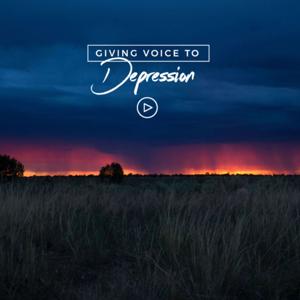


Season one of Giving Voice to Depression brought together deeply moving, honest, and powerful stories from people living with depression—and those impacted by it. In this special episode, co-hosts Bridget and Terry look back at the lessons, insights, and courage shared across the season.
From the risks of keeping family mental health struggles a secret, to the reality of stigma in schools and workplaces, to the heartbreaking impact of suicide and the unique grief that follows—it’s all here. This season also featured parents, teachers, suicide survivors, and experts, offering an intimate and wide-ranging look at how depression affects individuals, families, and communities.
If you’re new to the podcast, this review is the perfect starting point. And if you’ve been with us all season, it’s a reminder of just how many lives are touched by depression—and how much power comes from giving it a voice.
Primary Topics Covered:
Timestamps
00:10 Introduction from Bridget and Terry
00:46 Why sharing real stories of depression matters
01:06 Jose’s story: the cost of keeping family mental health struggles secret
01:27 Bridget’s dangerous reaction to a new antidepressant
02:29 Adele’s reminder that depression affects families too
02:33 A three-week focus on stigma—its presence, risks, and consequences
03:47 Jeff’s story: reducing stigma in UK workplaces
04:17 A teacher’s efforts to support students and staff facing depression
04:47 Exploring suicide from three perspectives: a father, a sibling, a survivor
06:07 Experts explain the difference between sadness and depression
06:50 Sarah gives voice to the insidious inner voice of depression
07:19 Lisa and Isabelle share about pregnancy-related depression
08:01 Why these stories matter and listener feedback
08:35 Gratitude for the season and reflections from Bridget and Terry
09:32 Closing thoughts: speak up if you’re hurting, listen up if someone else is
Explore mental health and addiction treatment options at recovery.com
Facebook Community: https://www.facebook.com/GivingVoiceToDepression/
Terry's LinkedIn: https://www.linkedin.com/in/givingvoicetodepression/
We often hear about postpartum depression, but what about antepartum depression—the depression that strikes during pregnancy? In this powerful episode, Isabelle shares her deeply personal experience with depression while expecting her child, a reality many mothers face but few feel safe to discuss.
Isabelle talks about the heavy stigma surrounding maternal mental health, the guilt of not feeling “glowing” during pregnancy, and the fear of being judged as a bad mother before her child was even born. She also discusses the importance of open conversations, supportive care, and the steps she took to find strength and healing.
This episode is a raw and compassionate look at what it means to live with depression during pregnancy—and a reminder that maternal mental health deserves to be spoken about without shame.
Primary Topics Covered:
Timestamps
00:10 Introduction to antepartum depression
00:40 Isabelle shares her experience of depression during pregnancy
01:20 The stigma of not feeling “glowing” as an expectant mother
02:05 Guilt and shame tied to maternal mental health struggles
03:15 Coping with depression while pregnant
04:10 Why open conversations about antepartum depression matter
05:00 The role of stigma in silencing mothers’ experiences
06:00 Isabelle’s path toward support and healing
07:10 Closing reflections on breaking stigma and offering compassion
Explore mental health and addiction treatment options at recovery.com
Facebook Community: https://www.facebook.com/GivingVoiceToDepression/
Terry's LinkedIn: https://www.linkedin.com/in/givingvoicetodepression/
Postpartum depression affects 1 in 7 new mothers, but too often it goes unspoken. In this candid episode, Lisa, a first-time mom, shares her raw and vulnerable experience of adjusting to motherhood while facing waves of depression and anxiety.
She opens up about the dark fog that followed childbirth, the pressure to appear perfect, and the stigma that kept her from speaking honestly about her struggles. Lisa also describes the guilt she felt when her daughter’s birth didn’t feel like “the best day of her life,” and why she wishes more moms would ask each other—not just “How’s the baby?”—but “How are you, really?”
Her story is a powerful reminder that postpartum depression is an illness, not a reflection of a mother’s love or worth. By speaking openly, Lisa helps break the silence and encourages other new parents to seek support, self-care, and compassion.
Primary Topics Covered:
Timestamps
00:10 Introduction
00:45 Lisa begins her story as a new mother
01:11 The pressures of motherhood and the reality of postpartum struggles
01:48 Lisa’s love for her daughter vs. her own depression and anxiety
02:17 Waves of postpartum depression and anxiety
03:20 Stigma and fear of judgment around postpartum depression
04:06 Guilt about her birth experience not being “the best day”
04:42 The importance of asking new moms how they’re really doing
05:31 Lisa reflects on her identity as a mother
05:39 One in seven mothers experience postpartum depression
07:07 Why vulnerability is hard but necessary
07:47 Postnatal depression screening tools and resources
08:44 Postpartum depression is an illness, not a reflection of motherhood
09:33 Closing reflections and reminders for self-care and compassion
Explore mental health and addiction treatment options at recovery.com
Facebook Community: https://www.facebook.com/GivingVoiceToDepression/
Terry's LinkedIn: https://www.linkedin.com/in/givingvoicetodepression/
What does depression really feel like? For Sarah, it’s not just sadness—it’s a fast spiral into worthlessness, suicidal thoughts, and the struggle of finding her way back. In this powerful conversation, Sarah shares her “no BS” approach to talking about mental illness, how stigma makes asking for help harder than fixing a leaky faucet, and why naming depression out loud helps take away its power.
She opens up about her support group, coping strategies, pug videos, and a life-threatening experience with hormonal birth control that triggered severe suicidal ideation. This episode is for anyone who’s ever wondered what depression really feels like, and how people fight their way through it.
Primary Topics Covered:
Timestamps:
00:00 Intro & Fundraising Note
00:33 Why Sharing Stories Matters
02:14 Meet Sarah – Loud, Proud & Honest About Depression
03:07 When Disappointment Turns Into Worthlessness
03:50 Using Humor to Talk About Suicidal Thoughts
04:47 Stigma, Patriarchy & Why We Hide Mental Illness
05:40 The Shame Around Asking for Help
06:36 Learning to Ride the Ups & Downs of Depression
07:53 Talking Back to Depression’s Lies
08:21 The Impact of Hormones on Mental Health
09:43 Sarah’s Suicidal Crisis Linked to Birth Control
10:43 Hormones, Menopause, Pregnancy & Depression
11:15 Why Naming It Out Loud Helps Heal
Explore mental health and addiction treatment options at recovery.com
Facebook Community: https://www.facebook.com/GivingVoiceToDepression/
Terry's LinkedIn: https://www.linkedin.com/in/givingvoicetodepression/
In this episode of Giving Voice to Depression, Bridget and Terri explore an important and often confusing question: What’s the difference between feeling sad and living with depression? To answer it, they speak with three psychologists—Dr. Robert Duff, Dr. Margaret Rutherford, and Dr. Madhukar Trivedi—who explain how to distinguish temporary sadness from clinical depression.
The conversation highlights how depression is more than a mood; it’s an illness that changes the brain, affects daily functioning, and often requires treatment. Listeners will learn about symptoms, genetic predispositions, and why it’s crucial to recognize depression as a real and treatable condition.
Whether you’re seeking clarity for yourself or looking to better understand a loved one, this episode provides compassionate, science-backed insight into what sets depression apart from everyday sadness.
Primary Topics Covered:
Timestamps:
00:00 Intro with Bridget and Terri
00:27 Framing the conversation: sadness vs depression
01:10 Why confusion between sadness and depression matters
01:37 Introducing expert Dr. Robert Duff
02:16 Dr. Duff explains the difference between sadness and clinical depression
03:03 Why depression is not about weakness or sensitivity
03:53 Depression as a parasite that feeds on itself
04:47 How depression plays tricks on the mind
05:12 Dr. Margaret Rutherford explains the difference between feeling down and depression
05:50 Depression as an illness that doesn’t lift
06:26 How depression shows up differently in people
07:03 Depression limits the brain’s ability to feel hope
07:27 Genetic predispositions to depression
07:54 Introducing Dr. Madhukar Trivedi
08:16 Dr. Trivedi on how sadness lifts but depression does not
09:18 Depression as a real brain disease
09:51 Nine common symptoms of depression (from WebMD)
10:50 When to seek help for depression
11:12 Closing reflections
Explore mental health and addiction treatment options at recovery.com
Facebook Community: https://www.facebook.com/GivingVoiceToDepression/
Terry's LinkedIn: https://www.linkedin.com/in/givingvoicetodepression/
What happens when a top corporate leader opens up about depression? For Geoff McDonald, a former global vice president at Unilever, sharing his story became the catalyst for breaking stigma and inspiring change in workplaces around the world.
In this powerful episode, Geoff discusses his own experience with anxiety and depression, the tragic loss of a friend to suicide, and why silence around mental illness is deadly. He also shares how a chance moment with then–Prime Minister David Cameron led him to the Royal Family’s Heads Together campaign, and how he now leads the Minds@Work Movement, helping companies prioritize mental health.
Geoff’s story is a reminder that talking about depression doesn’t just save lives—it transforms cultures, families, and workplaces.
Primary Topics Covered:
Timestamps:
00:10 Introduction to depression and stigma
01:11 How Lady Gaga, Prince William, and Prince Harry opened conversations on mental health
02:17 Geoff’s chance meeting with Prime Minister David Cameron
03:27 Advising the Royal Family’s Heads Together campaign
03:47 Why conversations about depression matter in the workplace
04:47 Geoff’s personal struggle with depression and panic attacks
05:22 The stigma that cost a friend’s life to suicide
06:04 Why stigma kills—and how sharing saves lives
06:36 Depression touches everyone, including workplaces
06:50 Why employees still fear asking for help at work
07:17 Geoff’s journey from corporate VP to mental health advocate
08:05 The Minds@Work Movement and building healthy workplaces
08:56 Closing reflections and gratitude
Explore mental health and addiction treatment options at recovery.com
Facebook Community: https://www.facebook.com/GivingVoiceToDepression/
Terry's LinkedIn: https://www.linkedin.com/in/givingvoicetodepression/
What makes grief after suicide different from other types of loss?
In this powerful episode, suicide prevention advocate Mettie Spiess shares her lived experience of losing not one, but two brothers to suicide. She describes the unique grief that follows — the heavy mix of guilt, shame, and anger — and how she eventually found a path toward understanding and healing.
Mettie’s story helps us better understand what survivors of suicide loss go through and why compassion, conversation, and rejecting stigma matter so deeply. Her courage to speak out reminds us that while suicide and depression lie, hope and healing are always possible.
Primary Topics Covered:
Timestamps:
00:00 – Introduction
01:05 – Mettie’s unique experience with mental illness and suicidal loss
01:41 – Suicidal thoughts as a child; losing her brother Ronnie
02:29 – Growing up in the aftermath of suicide loss
03:11 – Years later: the devastating loss of her second brother Eddie
03:57 – Rock bottom and cycling through depression and hypomania
04:51 – The three unique aspects of suicide grief: shame, guilt, anger
05:33 – Living in the “what-if prison” of survivor’s guilt
06:05 – Anger at both the loved one and the community’s judgment
06:45 – Suicide as pain exceeding coping resources
07:54 – Understanding the suicidal mind and finding relief in empathy
08:36 – Dispelling the myth that suicide is selfish
09:04 – The importance of respectful language around suicide
09:47 – Suicide loss: questions not to ask survivors
10:11 – Talking openly as the first step to healing
10:41 – Mettie’s work with HopeHeroesUnite.com
10:55 – Closing reflections on grief, stigma, and hope
Explore mental health and addiction treatment options at recovery.com
Facebook Community: https://www.facebook.com/GivingVoiceToDepression/
Terry's LinkedIn: https://www.linkedin.com/in/givingvoicetodepression/
When 13-year-old Abby died by suicide, her family’s world shattered. Her father, Abe Goldberg, opens up about the painful reality of watching his daughter struggle with depression, self-harm, and suicidal thoughts—and the heartbreak of losing her far too soon.
In this powerful conversation, Abe shares how subtle signs of depression in children can escalate quickly, how difficult it was to navigate hospitalizations and treatment, and the lifelong grief that follows the loss of a child to suicide.
But Abe’s story is also one of resilience. Out of tragedy, he and his community created RedGen, an organization dedicated to promoting open conversations about mental health, redefining success, and protecting other children from the same devastating outcome.
This episode is a candid look at grief, parenting, and hope—and a reminder that speaking openly about children’s mental health can save lives.
Primary Topics Covered:
Timestamps:
00:08 Introduction to Abe’s story
00:44 Defining what it means to be a suicide survivor
01:11 Meet Abby: a bright, typical middle-schooler
02:18 Early signs: eating concerns, self-harm, and depression diagnosis
03:29 First hospitalization and the pain of leaving a child in treatment
04:35 Navigating the mental health system as parents
04:56 Returning home and ongoing self-harm struggles
05:16 A second hospitalization and limited treatment options
05:43 July 7, 2013: Abby’s suicide at age 13
06:42 The grief and frustration of losing a child
07:19 Creating RedGen to promote youth mental health
08:45 Looking ahead to future episodes on suicide grief
09:19 Closing thanks and reminder to speak up and listen up
Explore mental health and addiction treatment options at recovery.com
Facebook Community: https://www.facebook.com/GivingVoiceToDepression/
Terry's LinkedIn: https://www.linkedin.com/in/givingvoicetodepression/
What does depression—and a suicide attempt—really feel like? Steve Austin knows firsthand. Raised in a conservative church, Steve hid decades of shame, trauma, and depression behind a “life of the party” persona. But on the eve of his son’s first birthday, despair and suicidal thoughts nearly took his life.
In this deeply vulnerable conversation, Steve shares his survival story: from childhood abuse, hidden depression, and a near-fatal suicide attempt to five years of recovery, therapy, and rediscovering hope. He talks about the lies shame tells us, the importance of asking for help, and how vulnerability can become strength.
If you’ve ever wondered what depression really feels like—or how someone survives suicidal thoughts—Steve’s story is a powerful reminder that hope begins in the dark.
Primary Topics Covered:
Timestamps:
00:00 Intro – Why sharing stories matters
00:40 Addressing suicide language: “attempted” vs. “committed”
01:40 Meet Steve – life of the party, but hiding trauma
02:46 Childhood sexual abuse and its long shadow
03:29 Struggles with hidden depression as a pastor and father
04:36 “Sometimes we need more than Jesus” – the need for therapy & medication
05:48 The night of his suicide attempt
06:49 Waking up in the hospital – anger, shame, and slow recovery
07:39 Why telling the truth and asking for help can save lives
08:47 Hope in darkness – Anne Lamott’s words on survival
09:19 Why asking for help is strength, not weakness
09:52 Vulnerability, shame spirals, and survival one day at a time
11:39 Suicide is not peaceful – important clarifications
12:45 Steve’s ongoing work: writing, self-care challenge, advocacy
13:15 Closing reflections – why telling our stories matters
Explore mental health and addiction treatment options at recovery.com
Facebook Community: https://www.facebook.com/GivingVoiceToDepression/
Terry's LinkedIn: https://www.linkedin.com/in/givingvoicetodepression/
What if kids learned coping skills as early as first grade? Inspired by a Giving Voice to Depression story, Nina, a first-grade teacher, launched a mental health initiative in her school that teaches children how to manage stress, name emotions, and practice mindfulness.
From yoga in gym class to meditation, journaling, art, and personalized “coping toolboxes,” Nina’s program helps students discover what works best for them—tools they can carry into middle school, high school, and life.
This Ripple Report highlights the power of sharing stories and the ripple effects that can change not just one life, but entire generations.
Primary Topics Covered:
Timestamps
00:12 Introduction to Ripple Reports
00:32 Why sharing stories creates ripple effects
01:09 Meet Nina, a teacher inspired to act
01:27 Launching a school-wide mental health initiative
02:06 Why waiting until middle school is too late
02:19 Teaching coping skills through gym, art, library, and guidance
02:56 Students create personalized “coping toolboxes”
03:33 How early exposure reduces stigma and builds resilience
04:03 Imagining the ripple effect: kids supporting each other
04:37 Other listener stories of impact (parents and caregivers)
05:55 The importance of self-care for caregivers
06:14 Closing and call for future Ripple Reports
Explore mental health and addiction treatment options at recovery.com
Facebook Community: https://www.facebook.com/GivingVoiceToDepression/
Terry's LinkedIn: https://www.linkedin.com/in/givingvoicetodepression/
From the publisher's feed
Giving Voice To Depression unites lived experience and expert insight to shine a spotlight on depression and mental health. Each week, we bring you honest personal stories, evidence-based…

2,584 Listeners

529 Listeners

1,895 Listeners

1,796 Listeners

1,222 Listeners

831 Listeners
756 Listeners

12,673 Listeners

2,519 Listeners

1,186 Listeners

1,526 Listeners

2,873 Listeners

363 Listeners
405 Listeners
204 Listeners