
Sign up to save your podcasts
Or

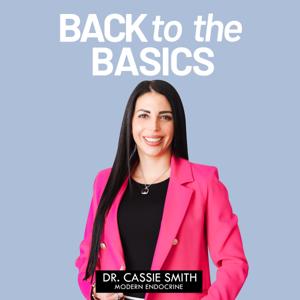


Dr. Anna Cabeca joins me to talk about why so many midlife women are told their labs are normal while they feel exhausted, foggy, and out of step with their own bodies. We talk about what shifts in perimenopause, how falling progesterone and insulin resistance can show up as everyday symptoms, and why Dr. Cabeca treats hormone imbalance as a metabolic question first.
We also look at how cortisol and oxytocin work together, what burnout can look like physiologically, and simple ways to support oxytocin. From there we get into keto and urine pH, what the research says about hormone therapy, and how the vaginal and urinary microbiome may relate to bladder symptoms.
Topics We Cover in This Episode:
Why "normal" labs don't always mean you feel normal
What happens to progesterone and estrogen between ages 35 and 50
Why hormone symptoms may start as metabolic ones
How cortisol and oxytocin interact, and what burnout can look like
Free, everyday ways to support oxytocin
Why keto doesn't work the same way for every woman
What the research says about hormone therapy, and why the environment matters
How the vaginal and urinary microbiome may connect to bladder symptoms
If you've been feeling tired, foggy, or dismissed when your labs come back normal, tune in to this conversation with Dr. Anna Cabeca. Subscribe so you don't miss an episode, and share it with a friend who needs to hear it.
Resources & Links
Connect with Dr. Anna Cabeca: https://drannacabeca.com
Connect with Dr. Anna on Facebook: https://www.facebook.com/DrAnnaCabeca
Connect with Dr. Ana on IG: https://www.instagram.com/thegirlfrienddoctor
Order Dr. Cassie’s Book ‘Fix Your Gut, Fix Your Hormones’: https://guthormonefix.com/
Use code LISTEN10 for 10 % off your order on shopmodernendocrine.com
📲 Follow Dr. Cassie Smith & Modern Endocrine
💻 Website: https://www.modern-endocrine.com/
📸 Instagram: https://www.instagram.com/modernendocrine_/
🌟 Facebook: https://www.facebook.com/ModernEndocrine
📽️ YouTube: https://www.youtube.com/@modernendocrine
🕹️ TikTok: https://www.tiktok.com/@modernendocrine?lang=en
📰 Newsletter: https://linktr.ee/modernendocrine
➡️ Disclaimer: https://www.modernendocrineokc.com/disclaimer-6353
What if I told you right now, this very moment, your body is carrying a chemical load that you have never been tested for, never been warned about, and never asked for? In this episode, I’m joined by Nick Pineault, author of The Non-Tinfoil Guide to EMF and creator of the documentary Body Burden: The Toxins We Carry, to talk about what “body burden” actually means and how the chemicals we encounter through our food, water, air, plastics, household products and technology may intersect with hormones, metabolism and overall health.
We talk about how environmental medicine approaches toxic exposure, when testing may be useful, what Nick learned from discovering his own elevated lead, mercury and mycotoxin levels, and why reducing exposure may matter just as much as focusing on detoxification. We also get practical about plastics, water filtration, sleep, EMFs, sweating and elimination—and discuss why looking at the cumulative burden, rather than searching for one single toxin to blame, may be the more useful way to think about environmental health.
Topics We Cover in This Episode:
What “body burden” actually means—and what can accumulate over time
Why testing for specific toxins can be more complicated than it sounds
What Nick discovered when he tested his own body burden
Why reducing exposure comes before trying to “detox”
How plastics and endocrine-disrupting chemicals may intersect with metabolism
The connection Nick sees between EMFs, sleep and other environmental stressors
Simple changes that can reduce everyday exposure
Why environmental medicine takes a systems-based approach
If you’ve ever wondered whether the environment around you could be affecting your hormones, metabolism, sleep or energy, this conversation gives you a lot to think about without turning it into another list of things to fear.
Resources & Links
Find more about Nick at TheEMFGuy.com
Body Burden: The Toxins We Carry https://ngmdiainc.ontralink.com/t?orid=315604&opid=61
Order Dr. Cassie’s Book ‘Fix Your Gut, Fix Your Hormones’: https://guthormonefix.com/
Use code LISTEN10 for 10 % off your order on shopmodernendocrine.com
📲 Follow Dr. Cassie Smith & Modern Endocrine
💻 Website: https://www.modern-endocrine.com/
📸 Instagram: https://www.instagram.com/modernendocrine_/
🌟 Facebook: https://www.facebook.com/ModernEndocrine
📽️ YouTube: https://www.youtube.com/@modernendocrine
🕹️ TikTok: https://www.tiktok.com/@modernendocrine?lang=en
📰 Newsletter: https://linktr.ee/modernendocrine
➡️ Disclaimer: https://www.modernendocrineokc.com/disclaimer-6353
Dr. Monisha Bhanote joins me to talk about cellular health and resilience, and why fatigue, brain fog, digestive issues, and other everyday symptoms may be signals from our cells rather than things we should simply accept. We talk about her approach to cell care, cellular consciousness, and why health practices need to be personalized rather than copied from the latest trend.
We also explore why Dr. Bhanote considers travel a stress test for the body, how digestion, immunity, focus, energy, and recovery are connected, and what Ayurveda can teach us about listening to those signals. We also talk about muscle, mitochondria, and creating health rituals that work with your body instead of against it.
Topics We Cover in This Episode:
What cellular resilience actually means
How to recognize the signals your body is sending
Why travel can stress multiple systems at once
The five pathways connected to resilience
How Ayurveda can inform personalized health choices
Why copying someone else's wellness routine may backfire
How muscle supports cellular health
A simple exercise for becoming more aware of your body
If you’ve been feeling tired, foggy, or like your body just isn’t responding the way it used to, tune in to this conversation with Dr. Monisha Bhanote.
Resources & Links
Connect with Dr. Monisha Bhanote: https://www.drbhanote.com/
Travella Wellness Products: https://travelawellness.com/ (Use code: DRCASSIE)
The Anatomy of Well-Being Book: https://www.drbhanote.com/the-anatomy-of-wellbeing
Order Dr. Cassie’s Book ‘Fix Your Gut, Fix Your Hormones’: https://guthormonefix.com/
Use code LISTEN10 for 10 % off your order on shopmodernendocrine.com
📲 Follow Dr. Cassie Smith & Modern Endocrine
💻 Website: https://www.modern-endocrine.com/
📸 Instagram: https://www.instagram.com/modernendocrine_/
🌟 Facebook: https://www.facebook.com/ModernEndocrine
📽️ YouTube: https://www.youtube.com/@modernendocrine
🕹️ TikTok: https://www.tiktok.com/@modernendocrine?lang=en
📰 Newsletter: https://linktr.ee/modernendocrine
➡️ Disclaimer: https://www.modernendocrineokc.com/disclaimer-6353
What happens when you’re doing all the “right” things for your hormones and health, but you still don’t feel better? In this episode, I sit down with Dr. Neil Nathan to explore why underlying factors like mold, Lyme disease, inflammation, nervous system dysregulation, and detoxification challenges may complicate treatment.
We also talk about why some patients react unexpectedly to hormones or supplements, how Dr. Nathan approaches complex chronic illness, and why looking beyond the obvious diagnosis can sometimes change the conversation.
Topics We Cover in This Episode:
Why hormone protocols don’t always work as expected
How mold and Lyme may affect the immune system
Why “detox” isn’t a one-size-fits-all approach
What persistent or unusual symptoms may be telling you
How inflammation can present differently from person to person
What cytokine testing can reveal
Why environmental exposure matters
When it may be time to look deeper
If you’ve experienced persistent symptoms, unexpected reactions to treatment, or the frustration of doing everything “right” and still not feeling better, this is a conversation you’ll want to hear.
Resources & Links
Connect with Dr. Neil Nathan: https://neilnathanmd.com/
Order Dr. Cassie’s Book ‘Fix Your Gut, Fix Your Hormones’: https://guthormonefix.com/
Use code LISTEN10 for 10 % off your order on shopmodernendocrine.com
📲 Follow Dr. Cassie Smith & Modern Endocrine
💻 Website: https://www.modern-endocrine.com/
📸 Instagram: https://www.instagram.com/modernendocrine_/
🌟 Facebook: https://www.facebook.com/ModernEndocrine
📽️ YouTube: https://www.youtube.com/@modernendocrine
🕹️ TikTok: https://www.tiktok.com/@modernendocrine?lang=en
📰 Newsletter: https://linktr.ee/modernendocrine
➡️ Disclaimer: https://www.modernendocrineokc.com/disclaimer-6353
Testosterone in women is finally getting more attention, but what does that actually mean for women and their care? In this episode, I sit down with Dr. Terri DeNeui to discuss the FDA’s focus on testosterone, why there still isn’t an FDA-approved testosterone treatment specifically for women, and the questions surrounding safety, dosing, and access.
We also talk about symptoms of testosterone deficiency, why “normal” lab ranges don’t always tell the full story, and the larger conversation around medical freedom and individualized care.
Topics We Cover in This Episode:
Why testosterone matters for women
What the FDA is currently considering
Why testosterone remains a controlled substance
When symptoms can appear
Why “normal” labs may not tell the whole story
How dosing and delivery methods matter
Where medical freedom fits into the conversation
Tune in to hear Dr. Terri DeNeui’s perspective on where women’s testosterone care stands today, what still needs to change, and what patients should be asking.
Resources & Links
Order Dr. Cassie’s Book ‘Fix Your Gut, Fix Your Hormones’: https://guthormonefix.com/
Use code LISTEN10 for 10 % off your order on shopmodernendocrine.com
📲 Follow Dr. Cassie Smith & Modern Endocrine
💻 Website: https://www.modern-endocrine.com/
📸 Instagram: https://www.instagram.com/modernendocrine_/
🌟 Facebook: https://www.facebook.com/ModernEndocrine
📽️ YouTube: https://www.youtube.com/@modernendocrine
🕹️ TikTok: https://www.tiktok.com/@modernendocrine?lang=en
📰 Newsletter: https://linktr.ee/modernendocrine
➡️ Disclaimer: https://www.modernendocrineokc.com/disclaimer-6353
Social media is full of hormone hacks promising better energy, easier weight loss, balanced hormones, and fewer symptoms. But how much of it is actually backed by science? In this episode, I’m breaking down seven viral trends, including cortisol cocktails, fiber maxing, pink salt, metabolism morning routines, and “hormone-balancing” foods, and separating reasonable health habits from overhyped claims.
I also talk about the way social media approaches PCOS and perimenopause, and why oversimplifying complex hormone conditions can do more harm than good. If you’ve ever wondered whether the latest hormone trend is worth trying, this conversation will help you look at these claims with a little more context and a lot less TikTok influence.
Topics We Cover in This Episode:
Why cortisol cocktails aren't what they claim to be
The problem with suddenly “fiber maxing”
What pink salt can actually do for you
Whether a metabolism morning routine works
The truth behind “hormone-balancing” foods
Why PCOS weight-loss advice needs more nuance
When a viral trend may be masking a bigger issue
Tune in, subscribe to Hormones, Metabolism and You, and share this episode with someone who could use a little more context the next time a hormone hack hits their feed.
Resources & Links
Order Dr. Cassie’s Book ‘Fix Your Gut, Fix Your Hormones’: https://guthormonefix.com/
Use code LISTEN10 for 10 % off your order on shopmodernendocrine.com
📲 Follow Dr. Cassie Smith & Modern Endocrine
💻 Website: https://www.modern-endocrine.com/
📸 Instagram: https://www.instagram.com/modernendocrine_/
🌟 Facebook: https://www.facebook.com/ModernEndocrine
📽️ YouTube: https://www.youtube.com/@modernendocrine
🕹️ TikTok: https://www.tiktok.com/@modernendocrine?lang=en
📰 Newsletter: https://linktr.ee/modernendocrine
➡️ Disclaimer: https://www.modernendocrineokc.com/disclaimer-6353
In this mash-up episode, I’m bringing together key conversations about birth control, PCOS, PMS, and the hormonal changes women experience from their 20s through perimenopause.
We unpack why birth control is so often used to manage symptoms, what it may be masking, and how hormones like estrogen, progesterone, testosterone, insulin, and cortisol all fit into the bigger picture. We also talk about the different birth control options women may consider as they get older and why the right approach can change throughout different stages of life.
From painful and irregular periods to PCOS, weight struggles, low libido, anxiety, fatigue, and the transition into perimenopause, this mash-up brings together the questions women are asking and the answers they deserve to hear.
Topics We Cover in This Episode:
Why birth control may be masking more than you realize
The hormone connection behind PCOS and weight struggles
What your period could be trying to tell you
Why your 30s and 40s can bring unexpected changes
The connection between cortisol, insulin, and androgens
When painful or irregular periods deserve a closer look
How gut health and stress fit into the hormone picture
Why the same treatment may not make sense at every age
Tune in for the full mash-up and hear these conversations come together in one place. You may walk away with a very different perspective on birth control, your symptoms, and the questions you should be asking about your own health.
Resources & Links
Order Dr. Cassie’s Book ‘Fix Your Gut, Fix Your Hormones’: https://guthormonefix.com/
Use code LISTEN10 for 10 % off your order on shopmodernendocrine.com
📲 Follow Dr. Cassie Smith & Modern Endocrine
💻 Website: https://www.modern-endocrine.com/
📸 Instagram: https://www.instagram.com/modernendocrine_/
🌟 Facebook: https://www.facebook.com/ModernEndocrine
📽️ YouTube: https://www.youtube.com/@modernendocrine
🕹️ TikTok: https://www.tiktok.com/@modernendocrine?lang=en
📰 Newsletter: https://linktr.ee/modernendocrine
➡️ Disclaimer: https://www.modernendocrineokc.com/disclaimer-6353
The healthcare system is not designed to keep you well, and I am done pretending that is okay. In this episode, I am breaking from the usual format to talk honestly about why I believe healthcare in the United States has become so reactive instead of preventative, and how that approach is leaving people sick, frustrated, and without answers.
I share my perspective as both a patient and a provider, including the ways insurance companies, healthcare systems, limited appointment times, and a diagnosis-by-diagnosis approach can keep providers from looking at the whole person. I also explain why symptoms and lab results cannot always be viewed in isolation, because our bodies do not operate in silos.
Then, I walk through three patient scenarios that I see repeatedly in my practice: a 19-year-old struggling with PCOS symptoms and insulin resistance, a woman in her 30s dealing with fatigue, weight gain, sleep issues and brain fog who was told her labs were normal, and a woman in her 40s experiencing perimenopausal symptoms who was told she was too young for hormones. These stories reveal just how much can be missed when we only look at whether a number falls inside a laboratory's "normal" range instead of asking whether it actually makes sense for the person sitting in front of us. Most importantly, I want you to leave this episode knowing that you are not crazy, your symptoms matter, and you can become your own best advocate when the system isn't listening.
Topics We Cover in This Episode:
Why "normal" lab results may not tell the whole story
The connection between symptoms that seem completely unrelated
What three very different patients had in common
Why the approach to preventative care needs to change
The piece of the puzzle that can be missed when diseases are treated separately
Why some women are told they are fine when they know something isn't right
What it really means to become your own best health advocate
Why waiting until something is completely broken may be costing you years
Resources & Links
Order Dr. Cassie’s Book ‘Fix Your Gut, Fix Your Hormones’: https://guthormonefix.com/
Use code LISTEN10 for 10 % off your order on shopmodernendocrine.com
📲 Follow Dr. Cassie Smith & Modern Endocrine
💻 Website: https://www.modern-endocrine.com/
📸 Instagram: https://www.instagram.com/modernendocrine_/
🌟 Facebook: https://www.facebook.com/ModernEndocrine
📽️ YouTube: https://www.youtube.com/@modernendocrine
🕹️ TikTok: https://www.tiktok.com/@modernendocrine?lang=en
📰 Newsletter: https://linktr.ee/modernendocrine
➡️ Disclaimer: https://www.modernendocrineokc.com/disclaimer-6353
What if protecting your brain starts decades before memory problems ever appear? In this conversation, I sit down with neurologist and bestselling author Dr. David Perlmutter to talk about what current research says about dementia prevention, why metabolic health may play a much larger role than many people realize, and why waiting until cognitive symptoms develop may be waiting too long. We get into the connection between blood sugar, insulin resistance, inflammation, gut health, sleep, exercise, and brain function, along with why so many of these risk factors begin showing up in our 30s and 40s rather than later in life.
We also spend time on topics that generate a lot of questions in my practice, including hormone therapy, women's brain health, alcohol, stimulants, and the current state of dementia treatments. Dr. Perlmutter shares his perspective on why prevention deserves more attention, how lifestyle interventions fit into the conversation alongside medical care, and what practical markers people can monitor to better understand their long-term brain health.
Topics We Cover in This Episode:
Why brain health may be shaped long before memory loss ever begins
How metabolic health and inflammation may influence cognitive function
The relationship between gut health, sleep, and long-term brain resilience
Why women face unique considerations when it comes to dementia risk
How Dr. Perlmutter views bioidentical hormone therapy in the context of brain health
What current evidence suggests about alcohol, stimulants, and cognitive wellness
Which everyday health markers may provide insight into future brain health
Why prevention may be more impactful than waiting for symptoms to appear
If you're interested in protecting your brain health for the long term and understanding how everyday lifestyle choices fit into that picture, I think you'll love this episode.
Resources & Links
Connect with Dr. Perlmutter: https://drperlmutter.com/
Brain Defenders: http://braindefenders.com/
Follow on IG: https://www.instagram.com/davidperlmutter/
Follow on YouTube: https://www.youtube.com/user/DavidPerlmutterMD
Connect on X: https://x.com/davidperlmutter
Connect on LinkedIn: linkedin.com/in/david-perlmutter-md
Order Dr. Cassie’s Book ‘Fix Your Gut, Fix Your Hormones’: https://guthormonefix.com/
Use code LISTEN10 for 10 % off your order on shopmodernendocrine.com
📲 Follow Dr. Cassie Smith & Modern Endocrine
💻 Website: https://www.modern-endocrine.com/
📸 Instagram: https://www.instagram.com/modernendocrine_/
🌟 Facebook: https://www.facebook.com/ModernEndocrine
📽️ YouTube: https://www.youtube.com/@modernendocrine
🕹️ TikTok: https://www.tiktok.com/@modernendocrine?lang=en
📰 Newsletter: https://linktr.ee/modernendocrine
➡️ Disclaimer: https://www.modernendocrineokc.com/disclaimer-6353
Heart disease is still the leading cause of death, yet many people are left wondering whether they're focusing on the right risk factors.
In this episode, I sit down with board-certified cardiac surgeon Dr. Philip Ovadia to discuss how his perspective shifted from treating advanced heart disease in the operating room to helping people prevent it in the first place.
We talk through common questions about cholesterol, LDL, statins, coronary calcium scores, and why he believes heart health requires looking beyond a single lab value to better understand metabolic health, inflammation, and insulin resistance.
Topics We Cover in This Episode:
What LDL cholesterol can and cannot tell you about heart disease risk
How insulin resistance and inflammation fit into the bigger picture
When a statin may make sense and when other factors deserve attention first
The current conversation around bioidentical hormones and cardiovascular health
Who should consider a coronary artery calcium scan and what the results can tell you
Why metabolic health may be one of the most important pieces of heart disease prevention
Practical questions to ask when evaluating your own cardiovascular risk
Resources & Links
Take the Quiz with Dr. Ovadia: https://ifixhearts.com/
Order Dr. Ovadia’s Books: https://ifixhearts.com/books/
Order Dr. Cassie’s Book ‘Fix Your Gut, Fix Your Hormones’: https://guthormonefix.com/
Use code LISTEN10 for 10 % off your order on shopmodernendocrine.com
📲 Follow Dr. Cassie Smith & Modern Endocrine
💻 Website: https://www.modern-endocrine.com/
📸 Instagram: https://www.instagram.com/modernendocrine_/
🌟 Facebook: https://www.facebook.com/ModernEndocrine
📽️ YouTube: https://www.youtube.com/@modernendocrine
🕹️ TikTok: https://www.tiktok.com/@modernendocrine?lang=en
📰 Newsletter: https://linktr.ee/modernendocrine
➡️ Disclaimer: https://www.modernendocrineokc.com/disclaimer-6353
From the publisher's feed
3,924 Listeners

772 Listeners

1,857 Listeners

1,067 Listeners

978 Listeners

9,156 Listeners

638 Listeners

132 Listeners
1,085 Listeners

621 Listeners

833 Listeners
505 Listeners
1,677 Listeners

1,416 Listeners

3,136 Listeners