Have you ever said, “I swear I become a completely different person the week before my period”?
Maybe you’re suddenly irritable, anxious, emotional, exhausted, unable to concentrate, or you just don’t want to be around anyone. Then your period starts, a few days pass, and you’re wondering what just happened.
That pattern matters.
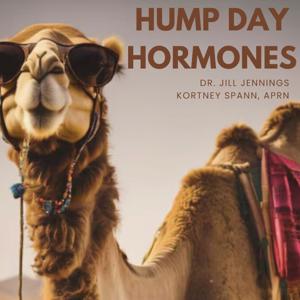
In Season 2, Episode 84, we’re breaking down the difference between PMS, PMDD, and premenstrual exacerbation, or PME. We’re also diving into why PMDD is much more complicated than simply having “bad hormones.”
In this episode, we break down:
• The difference between common PMS symptoms and PMDD
• Why PMDD can occur even when reproductive hormone levels are completely normal
• What premenstrual exacerbation, or PME, is and why it can be missed
• How progesterone, allopregnanolone, and GABA may influence the brain
• Why a hormone panel cannot diagnose PMDD
• Why daily symptom tracking can be more useful than trying to remember how you felt last month
• Current treatment options, including SSRIs, hormonal contraception, lifestyle approaches, and emerging therapies
• What researchers are learning about the connection between reproductive hormones and women's mental health
One of the biggest takeaways from this episode is that your hormones may be completely normal, but your brain's response to those hormonal changes may not be.
If you feel like you become a completely different person every month, don't simply dismiss it as “being hormonal.” Track your symptoms, look for the pattern, and find someone who will listen.
And if symptoms ever become severe, especially if you're experiencing suicidal thoughts, PMDD deserves immediate medical and psychiatric attention.
Share this episode with a woman who has ever wondered why she feels completely different before her period.
PMS | PMDD | Premenstrual Dysphoric Disorder | Premenstrual Exacerbation | Hormone Health | Women's Mental Health | Progesterone | Menstrual Health
#HumpDayHormones #PMS #PMDD #WomensHealth #HormoneHealth #WomensMentalHealth #MenstrualHealth #Progesterone #HormoneHealth