
Sign up to save your podcasts
Or

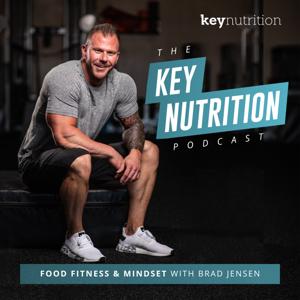

On today's episode we took a deep dive into progressive overload. I posted a short video on Instagram about it, but felt we needed to spend more time explaining the theory and how to actually apply it.
Progressive overload: The gradual increase of stress placed upon the body during exercise training.
I'd argue that it's program hopping that deters more individuals than anything else when it comes to making solid progress in the gym. We all know someone that does it – they start a new training routine with bounding enthusiasm, give it 2-3 weeks, then read some conflicting information elsewhere and decide that they need to switch things up. This programming ADHD – the search for the perfect training program – is the cause of the phenomenon of the perpetual beginner.
In the short-term the difference between an effective and ineffective exercise program is simply whether it was followed long enough for it to produce a noticeable training effect - which nearly anything will for a beginner. This will last around 4-6 weeks.
For a program to be effective past this phase however, it needs to follow the 'Principle of Progressive Overload'. If you feel you've been spinning your wheels down the gym lately, or want to check that your routine is capable of giving you the results that your efforts deserve, this may be the episode that you need to listen to!
7 Ways to do progressive overload:
How do you know when you need increase the overload?
This question is really the most difficult to answer. People progress at different rates to the same training programs. However, we did our best to identify some ways to know when is the correct time!
I really hope you all got a ton of value out of this podcast! If you did, share the love and send it to a friend.
Connect with us on Instagram
Host Brad Jensen – @thesoberbodybuilder
Co-Host Michelle Raines – @mykeylife
Key Nutrition – @keynutrition
 View all episodes
 By Brad Jensen

4.9
768768 ratings
On today's episode we took a deep dive into progressive overload. I posted a short video on Instagram about it, but felt we needed to spend more time explaining the theory and how to actually apply it.
Progressive overload: The gradual increase of stress placed upon the body during exercise training.
I'd argue that it's program hopping that deters more individuals than anything else when it comes to making solid progress in the gym. We all know someone that does it – they start a new training routine with bounding enthusiasm, give it 2-3 weeks, then read some conflicting information elsewhere and decide that they need to switch things up. This programming ADHD – the search for the perfect training program – is the cause of the phenomenon of the perpetual beginner.
In the short-term the difference between an effective and ineffective exercise program is simply whether it was followed long enough for it to produce a noticeable training effect - which nearly anything will for a beginner. This will last around 4-6 weeks.
For a program to be effective past this phase however, it needs to follow the 'Principle of Progressive Overload'. If you feel you've been spinning your wheels down the gym lately, or want to check that your routine is capable of giving you the results that your efforts deserve, this may be the episode that you need to listen to!
7 Ways to do progressive overload:
How do you know when you need increase the overload?
This question is really the most difficult to answer. People progress at different rates to the same training programs. However, we did our best to identify some ways to know when is the correct time!
I really hope you all got a ton of value out of this podcast! If you did, share the love and send it to a friend.
Connect with us on Instagram
Host Brad Jensen – @thesoberbodybuilder
Co-Host Michelle Raines – @mykeylife
Key Nutrition – @keynutrition

12,154 Listeners

467 Listeners

777 Listeners

298 Listeners
3,807 Listeners
2,110 Listeners
1,135 Listeners
1,247 Listeners

817 Listeners

1,507 Listeners
235 Listeners

350 Listeners

609 Listeners

402 Listeners

180 Listeners