
Sign up to save your podcasts
Or


“And the moment when she admitted that she had been wrong, that was the greatest healing moment for me of all. And that would never have happened had I not written the memoir, had I not been sort seeking her out asking her lots of questions, details of fights that they had why they fell in love, how they fell in love, what her doubts were. And then there was that moment where she sent me that brief email where she affirmed his essential goodness, his essential integrity and his worth as a father, which was so important to me. And essentially saying she married him in large part because she so desperately wanted to have children. And at that, in that era, she was 27, I think, or 28 when she married him, which for a girl who came from the Midwest was very late especially. And she had gone through and then went through all this trauma. She had three miscarriages. She had something wrong with her uterus, she had to have surgery. So I was the fourth pregnancy that my parents had, and that's why they went ahead and had another baby so quickly with my sister 14 months later. And I think she just saw immediately that not only would my father be an incredible parent, but also he would be the kind of parent that a working woman, the dream parent for a working woman, because he wanted to do all that stuff that not only did she not have time to do, but she really didn't have any inclination to do playing with us, the imaginative play, taking us out on the weekends. I mean, my father, I don't think I ever, in my entire life, had a moment where I looked at my father and thought He's tired of us, or he's exhausted, he's bored with us. He wants to get back to his adult things every instant that he was with us, I felt him completely engaged. And to use your word from earlier, completely enthusiastic.”
So says Priscilla Gilman, author, critic, and former professor of English literature at Vassar College and Yale University. In her first book, The Anti-Romantic Child: A Memoir of Unexpected Joy, Priscilla writes of the challenges and delights of raising her son Benjamin, who is autistic. Her newest work,The Critic's Daughter: A Memoir, is another family story—this time a searching reflection of her relationship with her esteemed, brilliant, and complicated father, the late theater critic and professor at Yale Drama School, Richard Gilman.
Though the world knew him as an exacting and confrontational critic, Priscilla and her sister knew their father as the adoring, playful parent who regularly entered their childish worlds, delighting in their company and imaginative pastimes. This father-daughter connection was forever changed, however, by her parent’s separation. At the age of 10, she witnessed her father fall—into shame and depression—which forced her to reckon with the lasting wounds marital dissolution could leave on a person, and a family. The book, filled with honest and painful stories of learning to see her father for who he truly was, expertly captures the universal experience of coming to terms with one’s parents as flawed, complicated people and then choosing to admire and respect them anyway. Our conversation explores what it was like to be raised surrounded by creatives and critics, the difficulties of being thrust into the role of parenting your own parents, and the gifts and complications that come from endeavoring to truly know those we love the most.
MORE FROM PRISCILLA GILMAN:
Read The Critic's Daughter: A Memoir and The Anti-Romantic Child: A Memoir of Unexpected Joy
Explore Priscilla's Website
Follow her on Twitter and Instagram
Learn more about your ad choices. Visit podcastchoices.com/adchoices
See omnystudio.com/listener for privacy information.
 View all episodes
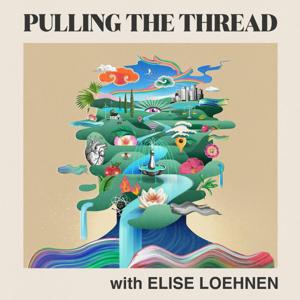
 By Elise Loehnen

4.8
10761,076 ratings
“And the moment when she admitted that she had been wrong, that was the greatest healing moment for me of all. And that would never have happened had I not written the memoir, had I not been sort seeking her out asking her lots of questions, details of fights that they had why they fell in love, how they fell in love, what her doubts were. And then there was that moment where she sent me that brief email where she affirmed his essential goodness, his essential integrity and his worth as a father, which was so important to me. And essentially saying she married him in large part because she so desperately wanted to have children. And at that, in that era, she was 27, I think, or 28 when she married him, which for a girl who came from the Midwest was very late especially. And she had gone through and then went through all this trauma. She had three miscarriages. She had something wrong with her uterus, she had to have surgery. So I was the fourth pregnancy that my parents had, and that's why they went ahead and had another baby so quickly with my sister 14 months later. And I think she just saw immediately that not only would my father be an incredible parent, but also he would be the kind of parent that a working woman, the dream parent for a working woman, because he wanted to do all that stuff that not only did she not have time to do, but she really didn't have any inclination to do playing with us, the imaginative play, taking us out on the weekends. I mean, my father, I don't think I ever, in my entire life, had a moment where I looked at my father and thought He's tired of us, or he's exhausted, he's bored with us. He wants to get back to his adult things every instant that he was with us, I felt him completely engaged. And to use your word from earlier, completely enthusiastic.”
So says Priscilla Gilman, author, critic, and former professor of English literature at Vassar College and Yale University. In her first book, The Anti-Romantic Child: A Memoir of Unexpected Joy, Priscilla writes of the challenges and delights of raising her son Benjamin, who is autistic. Her newest work,The Critic's Daughter: A Memoir, is another family story—this time a searching reflection of her relationship with her esteemed, brilliant, and complicated father, the late theater critic and professor at Yale Drama School, Richard Gilman.
Though the world knew him as an exacting and confrontational critic, Priscilla and her sister knew their father as the adoring, playful parent who regularly entered their childish worlds, delighting in their company and imaginative pastimes. This father-daughter connection was forever changed, however, by her parent’s separation. At the age of 10, she witnessed her father fall—into shame and depression—which forced her to reckon with the lasting wounds marital dissolution could leave on a person, and a family. The book, filled with honest and painful stories of learning to see her father for who he truly was, expertly captures the universal experience of coming to terms with one’s parents as flawed, complicated people and then choosing to admire and respect them anyway. Our conversation explores what it was like to be raised surrounded by creatives and critics, the difficulties of being thrust into the role of parenting your own parents, and the gifts and complications that come from endeavoring to truly know those we love the most.
MORE FROM PRISCILLA GILMAN:
Read The Critic's Daughter: A Memoir and The Anti-Romantic Child: A Memoir of Unexpected Joy
Explore Priscilla's Website
Follow her on Twitter and Instagram
Learn more about your ad choices. Visit podcastchoices.com/adchoices
See omnystudio.com/listener for privacy information.

2,553 Listeners

10,573 Listeners

851 Listeners
3,375 Listeners

1,884 Listeners
10,387 Listeners
12,730 Listeners
2,528 Listeners

5,159 Listeners

6,722 Listeners

1,665 Listeners

3,317 Listeners
319 Listeners

1,263 Listeners

5,110 Listeners

760 Listeners

602 Listeners
684 Listeners
3,482 Listeners

41,512 Listeners

387 Listeners
244 Listeners

88 Listeners
119 Listeners

1,889 Listeners

1,185 Listeners

615 Listeners

87 Listeners

478 Listeners
46 Listeners
149 Listeners

80 Listeners

23 Listeners

240 Listeners