
Sign up to save your podcasts
Or

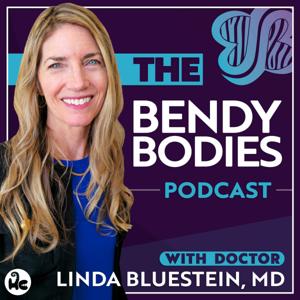

In this candid solo episode of the Bendy Bodies podcast, I share my insights into Mast Cell Activation Syndrome (MCAS) and its intricate connection to hypermobile Ehlers-Danlos Syndrome (hEDS) and Postural Orthostatic Tachycardia Syndrome (POTS). Reflecting on my personal and professional perspective and cases from my practice, I discuss how MCAS may play a pivotal role in chronic pain and offer practical strategies for identifying and managing symptoms. From my first introduction to MCAS to groundbreaking results in patient care, this episode dives deep into the science and solutions for improving quality of life with these interconnected conditions. Stick around for special hypermobility hacks and helpful resources!
Takeaways:
MCAS as a Root Cause: Mast cell activation syndrome (MCAS) may be the underlying driver behind many symptoms experienced by individuals with hypermobile EDS (hEDS) and POTS, emphasizing the need for targeted treatment.
A Spectrum of Symptoms: MCAS presents a wide variety of symptoms, from pain and fatigue to GI and neurological issues, making it essential to approach diagnosis and management comprehensively.
Therapies Can Be Life-Changing: Tailored treatments for MCAS, such as antihistamines and mast cell stabilizers, can yield dramatic improvements in quality of life when appropriately managed.
Patient Advocacy is Crucial: Self-advocacy and education are vital for navigating complex conditions like MCAS, hEDS, and POTS, especially when facing medical gaslighting or misdiagnosis.
Sharing Information is Empowering: Podcasts, newsletters, and community platforms are invaluable for disseminating complex medical topics like MCAS, helping patients and providers alike understand these intricate conditions.
Show Correction: I said “Mast cells respond to external stimuli but they actually respond to internal and external stimuli (hormones etc)
Connect with YOUR Hypermobility Specialist, Dr. Linda Bluestein, MD at https://www.hypermobilitymd.com/.
Thank YOU so much for tuning in. We hope you found this episode informative, inspiring, useful, validating, and enjoyable. Join us on the next episode for YOUR time to level up your knowledge about hypermobility disorders and the people who have them.
Join YOUR Bendy Bodies community at https://www.bendybodiespodcast.com/.
Learn more about Human Content at http://www.human-content.com
Podcast Advertising/Business Inquiries: [email protected]
YOUR bendy body is our highest priority!
Keep up to date with the HypermobilityMD:
YouTube: youtube.com/@bendybodiespodcast
Twitter: twitter.com/BluesteinLinda
LinkedIn: linkedin.com/in/hypermobilitymd
Facebook: facebook.com/BendyBodiesPodcast
Blog: hypermobilitymd.com/blog
Part of the Human Content Podcast Network
Learn more about your ad choices. Visit megaphone.fm/adchoices
 View all episodes
 By Dr. Linda Bluestein

4.9
210210 ratings
In this candid solo episode of the Bendy Bodies podcast, I share my insights into Mast Cell Activation Syndrome (MCAS) and its intricate connection to hypermobile Ehlers-Danlos Syndrome (hEDS) and Postural Orthostatic Tachycardia Syndrome (POTS). Reflecting on my personal and professional perspective and cases from my practice, I discuss how MCAS may play a pivotal role in chronic pain and offer practical strategies for identifying and managing symptoms. From my first introduction to MCAS to groundbreaking results in patient care, this episode dives deep into the science and solutions for improving quality of life with these interconnected conditions. Stick around for special hypermobility hacks and helpful resources!
Takeaways:
MCAS as a Root Cause: Mast cell activation syndrome (MCAS) may be the underlying driver behind many symptoms experienced by individuals with hypermobile EDS (hEDS) and POTS, emphasizing the need for targeted treatment.
A Spectrum of Symptoms: MCAS presents a wide variety of symptoms, from pain and fatigue to GI and neurological issues, making it essential to approach diagnosis and management comprehensively.
Therapies Can Be Life-Changing: Tailored treatments for MCAS, such as antihistamines and mast cell stabilizers, can yield dramatic improvements in quality of life when appropriately managed.
Patient Advocacy is Crucial: Self-advocacy and education are vital for navigating complex conditions like MCAS, hEDS, and POTS, especially when facing medical gaslighting or misdiagnosis.
Sharing Information is Empowering: Podcasts, newsletters, and community platforms are invaluable for disseminating complex medical topics like MCAS, helping patients and providers alike understand these intricate conditions.
Show Correction: I said “Mast cells respond to external stimuli but they actually respond to internal and external stimuli (hormones etc)
Connect with YOUR Hypermobility Specialist, Dr. Linda Bluestein, MD at https://www.hypermobilitymd.com/.
Thank YOU so much for tuning in. We hope you found this episode informative, inspiring, useful, validating, and enjoyable. Join us on the next episode for YOUR time to level up your knowledge about hypermobility disorders and the people who have them.
Join YOUR Bendy Bodies community at https://www.bendybodiespodcast.com/.
Learn more about Human Content at http://www.human-content.com
Podcast Advertising/Business Inquiries: [email protected]
YOUR bendy body is our highest priority!
Keep up to date with the HypermobilityMD:
YouTube: youtube.com/@bendybodiespodcast
Twitter: twitter.com/BluesteinLinda
LinkedIn: linkedin.com/in/hypermobilitymd
Facebook: facebook.com/BendyBodiesPodcast
Blog: hypermobilitymd.com/blog
Part of the Human Content Podcast Network
Learn more about your ad choices. Visit megaphone.fm/adchoices

772 Listeners

1,338 Listeners

177 Listeners
3,360 Listeners

9,232 Listeners
1,110 Listeners
351 Listeners

1,503 Listeners
308 Listeners
560 Listeners
232 Listeners
470 Listeners

116 Listeners

112 Listeners

43 Listeners
189 Listeners

258 Listeners

20 Listeners

23 Listeners

46 Listeners

13 Listeners

83 Listeners
82 Listeners

5 Listeners
122 Listeners
4 Listeners
13 Listeners

937 Listeners