
Sign up to save your podcasts
Or

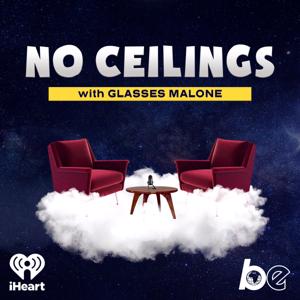
By The Black Effect Podcast Network and iHeartPodcasts


4.6
164164 ratings


The podcast currently has 367 episodes available.
The most played episodes among Podcast App listeners.
Glasses Malone breaks down the real difference between growing up broke in Compton versus Watts, why proximity to violence isn't the same as poverty, why he became a gang member, and how you can tell which of your homies had it worse just by walking into their house. It's a look at how trauma and survival shape who people become, wrapped around an hour of a full-on trial over whether King is a real foodie (tartar sauce is Exhibit A), plus a deep dive on the greatest El Camino ever built. See omnystudio.com/listener for privacy information.

In this episode of No Ceilings, Glasses Malone breaks down his vision for a new vertical 9:16 mobile series built specifically for phones, featuring fast-paced episodes under two minutes. Inspired in part by the original Gone in 60 Seconds and experiences from his youth, the concept follows a group of older friends who come out of retirement to steal cars, blending street storytelling, filmmaking, and short-form digital entertainment. Glasses explains how the format could introduce a different approach to scripted content while creating stories designed for how audiences increasingly consume entertainment on mobile devices. The episode then shifts to a prison call with filmmaker and actor Omar Ray, also known as Suge Gotti, from Ironwood State Prison, with Lex Diamonds joining the episode. Omar discusses the December 2020 murder case that ultimately led to his 2024 arrest and conviction, while disputing the prosecution's account and alleging inconsistencies involving witness statements, investigators, and the state's proposed drug-deal motive. He shares his perspective on his legal representation, says he is currently appealing the conviction and seeking a new trial, and reflects on the impact incarceration has had on his family and future. Despite his circumstances, Omar emphasizes his history of community involvement and remains focused on returning to filmmaking, youth football outreach, and rebuilding his life if given another opportunity. Rate, subscribe, comment and share. Follow NC on IG: @GlassesLoc See omnystudio.com/listener for privacy information.
In this episode of No Ceilings, Glasses Malone and the crew dive into a hilarious yet surprisingly passionate debate over one question: Can Ray J actually sing? What begins as a bold comparison from special guest Sega quickly turns into a spirited conversation about vocal ability, artistry, and what truly defines a great singer. Using performances and career highlights from artists like Ray J, Michael Jackson, Bobby Brown, Keith Sweat, Ginuwine, Frank Ocean, and Taylor Swift, the crew debates the difference between vocal talent, tone, performance, and making hit records, with Sega passionately defending Ray J's vocal ability while the rest of the panel remains unconvinced. The lively conversation explores how audiences judge artists, whether technical vocal skill matters more than musical impact, and why some performers become stars despite criticism of their singing. As the debate escalates, the crew challenges Sega to produce undeniable evidence of Ray J's vocal prowess, leading to one of the show's funniest exchanges. Later, special guest P Wilson joins the conversation to discuss his music, introduce himself to listeners, and talk about collaborating with Glasses Malone on their record, "Reflections," adding another layer to an episode filled with music history, spirited opinions, and signature No Ceilings humor. Rate, subscribe, comment and share. Follow NC on IG: @GlassesLoc See omnystudio.com/listener for privacy information.
In this episode of No Ceilings, Glasses Malone and the crew break down the premiere of The Drop: A Snowfall Saga, praising its pacing, layered storytelling, and authentic depiction of Los Angeles in 1990–91. They unpack tense moments involving neighborhood politics, rival gangs, and a Blood party while highlighting the series’ deeper focus on family, redemption, and hip-hop as a voice for the community. Much of the conversation centers on Wanda confronting her past and the judgment that follows her, Lamar balancing his music ambitions with church and street pressures, and James learning to protect his brother without standing in the way of his dreams. Glasses also shares his experience consulting and writing on The Drop, including learning more about acting by watching the cast and helping bring the culture of the era to life. He celebrates Malcolm Spellman’s vision of creating a Black series with genuine “soul,” from the wardrobe and music to original songs like “Officer Black Man,” while explaining why the show’s attention to family, second chances, and everyday neighborhood dynamics makes it more than another story about violence in Los Angeles. Rate, subscribe, comment and share. Follow NC on IG: @GlassesLoc See omnystudio.com/listener for privacy information.
In this episode of No Ceilings, Glasses Malone breaks down why audio podcasting creates more room for context and nuance than live video streaming, reflecting on how a clipped comment about Pelo was misrepresented online. He distinguishes truly “listening” from simply “hearing,” explaining that his approach to music and media is designed to make audiences think, question perspectives, and develop empathy rather than manufacture emotional reactions. Glasses also reveals his evolving long-term vision for music, detailing a five-to-ten-year strategy around Ultraviolet and an ambitious four-quarter rollout for 110 Custom Culture. He discusses streaming goals, significant marketing investments, and how years of studying the business and working across different shows have strengthened his confidence as an independent artist and entrepreneur. The conversation shifts to Los Angeles culture and controversy surrounding Barrios Athletics’ proposed 5K near Leimert Park, with Glasses arguing that a conversation about local vendors and community participation became part of a much larger debate over gentrification, immigration, and Black economic frustration. He examines why legitimate concerns about displacement and unequal opportunity can become distorted into anti-immigrant or nationalist rhetoric, while emphasizing the need to keep the focus on systemic anti-Blackness rather than turning marginalized communities against one another. Connecting media literacy, cultural preservation, economics, and community accountability, Glasses challenges listeners to move beyond reactionary narratives and think critically about what meaningful change should actually look like. Rate, subscribe, comment and share. Follow NC on IG: @GlassesLoc See omnystudio.com/listener for privacy information.
The podcast currently has 367 episodes available.
11,471 Listeners

6,818 Listeners
8,334 Listeners
7,616 Listeners
14,196 Listeners

1,377 Listeners
1,671 Listeners

10,945 Listeners
7,626 Listeners

836 Listeners

757 Listeners
7,383 Listeners
10,524 Listeners
353 Listeners
551 Listeners

3,446 Listeners
738 Listeners

7,048 Listeners
820 Listeners

48 Listeners
1,003 Listeners
248 Listeners
2,286 Listeners
569 Listeners
803 Listeners
294 Listeners
61 Listeners
85 Listeners

36 Listeners
479 Listeners
168 Listeners