
Sign up to save your podcasts
Or

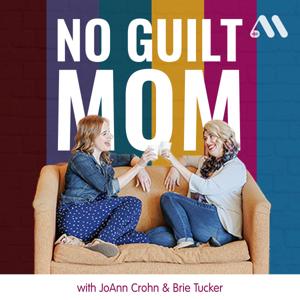


New here? Start with our Start Here playlist — five episodes that will change how you think about motherhood.
The Yelling Series:
You already know the guilt that comes after you yell. This episode is about what to do instead of drowning in it.
In the finale of the Yelling Series, JoAnn shares the complete three-step repair framework — the exact words to say to your child after you lose it, why repair actually builds a stronger relationship than perfection ever could, and how to close the loop in under a minute so everyone can move forward.
Because here's what the research on attachment tells us: it's not the yelling that causes long-term harm. It's the absence of repair. And once you know how to repair well, everything changes.
What you'll learn:
🎁 Free resource: DM JoAnn the word REPAIR on Instagram @noguiltmom to get the full 3-step framework and all the example phrases in one free guide — no notes required.
Want to go deeper?
The No Guilt Mom Inner Circle is where these real changes happen. Moms come in feeling horrible about themselves as parents and leave with the tools, confidence, and community to actually do things differently. The Lotus curriculum walks you through your own reactions, communication, and commitment to change — all guided and supported. Learn more here.
Remember: the best mom is a happy mom. Take care of you.
Thank you to our sponsors!
Rula patients typically pay $15 per session when using insurance. Connect with quality therapists and mental
health experts who specialize in you at https://www.rula.com/NGM #rulapod
Learn more about your ad choices. Visit podcastchoices.com/adchoices
New here? Start with our Start Here playlist — five episodes that will change how you think about motherhood.
You've hit the milestones. You've built the career, shown up for your kids, and done everything right. So why does it still feel like you're not enough?
If you're a high-achieving mom who looks successful on paper but feels empty, restless, or like you're always chasing the next thing — this episode is for you. And the answer isn't doing more. It's understanding what's actually driving your ambition in the first place.
Brooke Taylor is a career coach, speaker, and former marketing lead at Google, where she worked with some of the highest-performing teams in the world. After running a study of over 5,000 women, she discovered that burnout, perfectionism, and imposter syndrome weren't the real problem — they were all symptoms of something deeper she calls the success wound.
What you'll learn:
Resources mentioned:
Connect with Brooke:
Remember: the best mom is a happy mom. Take care of you.
Learn more about your ad choices. Visit podcastchoices.com/adchoices
New here? Start with our Start Here playlist — five episodes that will change how you think about motherhood.
The Yelling Series:
You've tried counting to ten. You've tried breathing. You've read the books, you've watched the reels, and you still yell. What if it's not about trying harder — what if something else entirely is going on in your body?
In Part 2 of the Yelling Series, JoAnn goes deeper than the standard coping advice. Your body starts the yelling before your brain even knows what's happening — and for some moms, the tools just don't work because the root cause isn't a mindset problem at all.
This episode covers the physical mechanics of yelling, a breathing practice to try right now, and a deeply personal conversation about hormones, neurodiversity, and why so many women have been left without answers for far too long.
What you'll learn:
Note: JoAnn's hormone story is shared from personal experience only and is not intended as medical advice. Please consult your own healthcare provider about any health concerns.
Resources mentioned:
Remember: the best mom is a happy mom. Take care of you.
Learn more about your ad choices. Visit podcastchoices.com/adchoices
New here? Start with our Start Here playlist — five episodes that will change how you think about motherhood.
You know that feeling of fast-walking across the house, going from room to room, shoulders up to your ears — and not even realizing you're doing it until someone asks if you're okay?
That rushing feeling isn't just a bad habit. It's your nervous system in fight or flight mode. And if you have ADHD, you might be living there almost all the time.
Jenna Free is a therapist, ADHD specialist, and author of The Simple Guide to ADHD Regulation. She was diagnosed at 32 — after having two kids in a year and a half — and has since spent hundreds of hours working with ADHD adults to understand the one pattern that shows up in every single one of them: the fight or flight cycle.
In this episode, JoAnn and Jenna get into the real reason so many moms feel like they're always drowning — and why more tips and tools are never going to fix it.
What you'll learn:
Jenna's biggest insight:
Resources mentioned:
Connect with Jenna:
Listen next:
Remember: the best mom is a happy mom. Take care of you.
Learn more about your ad choices. Visit podcastchoices.com/adchoices
New here? Start with our Start Here playlist — five episodes that will change how you think about motherhood: https://www.noguiltmom.com/podcast-2
This is Part 1 of the Yelling Series — three episodes all about why you yell, how to stop it in the moment, and what to do after it happens.
You promised yourself today would be different. And then it happened again.
If you’re stuck in the yelling cycle — the yell, the guilt, the promise to do better, repeat — this episode is for you. JoAnn breaks down what’s actually driving the yelling (hint: it’s not anger, and it’s not a character flaw) and gives you the first tool in breaking the pattern for good.
What you’ll learn:
Why knowing better is never enough to stop yelling
The meaning problem: what your brain is actually reacting to in the moment
Why the guilt spiral after yelling makes the pattern worse, not better
How to identify your personal yelling triggers — and what they’re really telling you
The 3-question Yelling Audit to do after this episode
Up next: Part 2 — the body reset tools you can use in under 60 seconds, even when you can’t leave the room.
Remember: the best mom is a happy mom. Take care of you.
Learn more about your ad choices. Visit podcastchoices.com/adchoices
New here? Start with our Start Here playlist — five episodes that will change how you think about motherhood: https://www.noguiltmom.com/podcast-2
If your daughter is heading to college and talking about rushing a sorority, this episode is required listening — for you, not her. Between the mom guilt, the mental load of managing her college transition, and the overwhelm of a process you don't fully understand, rush season can send even the most grounded mom into a tailspin.
Trisha Addicks is a 30-year Rush consultant, author of The Rush Bible: Secrets to Crush Sorority Recruitment and Find Your Forever Greek Home, and was featured in the viral Bama Rush documentary. She has helped hundreds of families navigate one of the most emotionally charged processes in a young woman's college experience.
And her number one piece of advice for moms? Back off — but in the most loving, supportive way possible.
In this episode, JoAnn and Trisha break down everything you actually need to know about sorority rush, from how the matching process works (it's more like a two-way algorithm than you think) to how to support your daughter without accidentally making it worse.
What you'll learn:
Trisha's biggest reminder for moms:
"This is not your journey. It's hers. All you want is for her to find her people — and it doesn't matter what letters are on the door."
Resources mentioned:
Remember: the best mom is a happy mom. Take care of you.
Thank you to our sponsors!
Rula
Rula patients typically pay $15 per session when using insurance. Connect with quality therapists and mental health experts who specialize in you at https://www.rula.com/NGM #rulapod
Learn more about your ad choices. Visit podcastchoices.com/adchoices
New here? Start with our Start Here playlist — five episodes that will change how you think about motherhood
In this episode, JoAnn dives into the friendship patterns that leave so many women feeling drained, lonely, and afraid to speak honestly. This conversation offers real mom support for women who constantly over-explain, avoid conflict, and silence themselves just to keep relationships intact.
JoAnn shares personal stories about friendships that ended painfully and the powerful realization that changed everything: healthy relationships are not relationships without conflict. They’re relationships where both people can handle honesty, accountability, and emotional safety without turning each other into the villain.
If you’ve ever felt like you were “too much,” too sensitive, or emotionally exhausted from carrying the weight of a friendship, this episode will help you recognize the red flags of emotionally unsafe relationships—and what healthy connection actually looks like.
In This Episode, We Talk About:
00:00 — Why So Many Women Feel “Too Much” in Friendships
05:10 — The Friendship Moment That Made Me Stop Trusting My Feelings
09:02 — Why Women Silence Themselves to Keep Relationships
15:00 — Why Honesty Feels Dangerous in Emotionally Unsafe Friendships
25:07 — What Emotionally Safe Friendships Actually Feel Like
This episode is a reminder that your feelings, needs, and honesty do not make you difficult to love. Healthy friendships don’t require you to abandon yourself just to stay connected.
If this episode resonated with you, share it with another mom who may need this kind of support right now.
Learn more about your ad choices. Visit podcastchoices.com/adchoices
New here? Start with our Start Here playlist — five episodes that will change how you think about motherhood
As parents, it’s natural to want to protect our kids from disappointment, struggle, and discomfort. We step in because we care deeply. We want to make life easier for them. But sometimes, in trying to protect our kids from hard feelings, we accidentally keep them from building the confidence and resilience they’ll need later in life.
In this episode, JoAnn sits down with former Navy SEAL sniper instructor and author Brandon Webb to talk about what really helps kids grow into capable, confident adults. Brandon shares how lessons from elite military training surprisingly connect to everyday parenting challenges—and why letting kids experience failure, discomfort, and responsibility may actually be one of the most loving things we can do.
Together, they explore how parenting support isn’t about making life perfect for our kids. It’s about helping them trust themselves enough to handle life when things don’t go perfectly.
In This Episode, We Talk About:
Why This Conversation Matters
Many overwhelmed moms feel pressure to prevent their kids from struggling. We want to shield them from disappointment because seeing our children hurt is incredibly hard. But Brandon explains that confidence doesn’t come from constant praise or protection—it comes from overcoming challenges and realizing, “I can do hard things.”
This conversation is a powerful reminder that parenting challenges are not signs we’re failing. They’re opportunities for our kids to grow. And often, the most supportive thing we can do is step back just enough to let them experience the natural lessons that build resilience, independence, and self-trust.
If you’ve ever questioned whether you’re being too hard or too soft—or wondered how to support your child without taking over—this episode offers thoughtful parenting education and practical tools you can start using right away.
Resources Mentioned:
Learn more about your ad choices. Visit podcastchoices.com/adchoices
New here? Start with our Start Here playlist — five episodes that will change how you think about motherhood
You’ve probably heard this parenting advice everywhere lately: validate your child’s feelings.
And honestly? Emotional validation does matter. Kids want to feel heard, understood, and emotionally safe with us. But what happens when you’re validating constantly and still walking away from interactions feeling hurt, dismissed, or emotionally exhausted?
In this episode, JoAnn breaks down what she calls “the validation trap”—the moment when supporting your child’s emotions starts coming at the expense of your own emotional well-being.
If you’ve ever stayed quiet after a hurtful comment because you didn’t want to escalate things, convinced yourself you were “too sensitive,” or struggled to balance emotional validation with healthy boundaries, this conversation will help.
In This Episode, We Talk About:
Resources Mentioned:
Why This Episode Matters
A lot of parenting conversations focus on helping kids regulate emotions, but moms need support, too.
This episode is a reminder that your feelings matter inside your family relationships. You are allowed to validate your child’s emotions and speak up when behavior hurts you. Those two things can exist together.
Because raising emotionally intelligent kids doesn’t mean becoming emotionally invisible yourself.
Learn more about your ad choices. Visit podcastchoices.com/adchoices
New here? Start with our Start Here playlist — five episodes that will change how you think about motherhood
If you’ve ever found yourself doing everything at home—managing schedules, picking up the slack, remembering all the little details—and then wondering why you feel so exhausted and resentful… you’re not alone.
So many working moms carry the emotional load without even realizing it. Not because they want to—but because it feels easier in the moment to just handle it yourself.
But over time, all those “small things” add up.
In this episode, I’m talking with negotiation expert Attia Qureshi about how the skills we often associate with boardrooms and big deals actually show up in our everyday lives—especially at home.
And more importantly, how learning to use those skills can help you move from doing everything yourself… to creating a true partnership.
This isn’t about becoming more demanding or confrontational.
It’s about understanding what you need, communicating it clearly, and building a home dynamic that feels supportive—for everyone involved.
What You’ll Learn in This Episode:
Why This Matters
When you’re constantly stepping in and taking care of everything, it might feel like you’re helping your family.
But what’s really happening is that you’re setting a pattern—one where you carry the weight, and everyone else assumes you’ve got it handled.
And that’s where mom burnout begins.
Learning how to communicate your needs, ask for support, and create more balanced dynamics isn’t just about getting help.
It’s about feeling seen, respected, and supported in your own home.
Resources Mentioned:
Learn more about your ad choices. Visit podcastchoices.com/adchoices
From the publisher's feed
3,638 Listeners

514 Listeners

2,093 Listeners

6,694 Listeners

1,015 Listeners

745 Listeners

1,427 Listeners

2,316 Listeners
1,006 Listeners

1,905 Listeners

679 Listeners

1,734 Listeners

812 Listeners

4,531 Listeners

18,949 Listeners