
Sign up to save your podcasts
Or

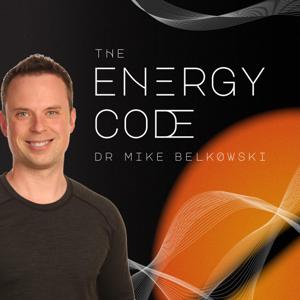

What if osteoarthritis isn’t primarily a “wear and tear” problem, but a mitochondrial problem inside living joint tissue? In this episode, Dr. Mike Belkowski connects five distinct (but converging) strategies through one lens: joint degeneration as an energy + redox + immune-metabolic disorder. You’ll hear how oxidative stress can act like an upstream “wiring harness” for inflammation, why intra-articular methylene blue may modulate pain signaling and cytokines, how urolithin A links mitophagy to cartilage protection, why mitochondrial transplantation is the boldest (and earliest) frontier, and how intra-articular photobiomodulation aims to deliver photons where penetration limits usually break the signal. The takeaway: if mitochondria shape brain, muscle, and longevity, they also shape mobility — and the future of OA care may shift from symptom management to energetic restoration.
(Educational content only, not medical advice.)
-
Articles Discussed in Episode:
From concept to practice: intra-articular photobiomodulation for knee osteoarthritis
Mitochondrial transplantation for osteoarthritis: from molecular mechanisms to clinical translation
Urolithin A improves mitochondrial health, reduces cartilage degeneration, and alleviates pain in osteoarthritis
Methylene blue relieves the development of osteoarthritis by upregulating lncRNA MEG3
Water-soluble fullerene (C60) inhibits the development of arthritis in the rat model of arthritis
-
Key Quotes From Dr. Mike:
“What happens when we stop thinking about osteoarthritis as just a wear and tear problem and start thinking about it as a, a mitochondrial problem?”
“Oxidative stress is not just collateral damage in joint disease. It is part of the engine driving the disease.”
“If mitochondrial dysfunction is part of osteoarthritis, then one logical question is whether cleaning up defective mitochondria can restore healthier joint cell function.”
“Osteoarthritis and inflammatory joint degeneration are not only structural disorders, they are energy disorders, redox disorders, signaling disorders, and immune metabolic disorders.”
“The future is probably not one silver bullet. It is a coherent mitochondrial framework.”
-
Key Points
Osteoarthritis is living tissue biology: metabolic stress, signaling failure, and inflammatory loops—not just mechanics.
ROS act upstream in joint pathology (NF-κB, p38 MAPK, PI3K pathways), shaping inflammation—not just “damage.”
C60 (water-soluble fullerene) in inflammatory arthritis models: reduced cytokine output and joint destruction signals—mechanistically strong, clinically early.
Intra-articular methylene blue in OA rabbit model: improved function/weight distribution + reduced inflammatory mediators; linked to MEG3 → P2X3 pain pathway modulation.
Urolithin A: supports mitochondrial respiration + mitophagy flux (PINK1/Parkin markers) and improves cartilage/pain outcomes in vivo — most “systems-restorative” of the stack.
Mitochondrial transplantation: organelle-level regeneration concept (cells, vesicles, engineered carriers) with big promise and big hurdles (standardization, retention, safety, regulation).
Intra-articular PBM: aims to bypass penetration limits and target cytochrome-c oxidase to shift ATP/redox/inflammation pathways.
Layered framework: C60 = defensive; MB = modulatory; UA = restorative; PBM = stimulatory; mito transplant = replacement-level regenerative.
Big synthesis: when mitochondrial dysfunction drops (or QC rises), joints trend less inflammatory, less painful, less degenerative.
Practical mindset: don’t chase one lever — build a coherent mitochondrial strategy that respects mechanics, loading, sleep, and systemic metabolism.
-
Episode timeline
0:02–0:39 — Show intro + premise: OA through a mitochondrial lens
0:39–2:09 — The “5 approaches” roadmap + BioLight translation bridge
2:34–6:38 — Paper 1: C60 / water-soluble fullerene in inflammatory arthritis models (ROS as inflammatory driver; intra-articular benefits; translation limits)
6:38–10:37 — Paper 2: Methylene blue intra-articular OA rabbit model (MEG3/P2X3, cytokines, pain/function; translational caution)
10:37–14:21 — Paper 3: Urolithin A (mitophagy + respiration in human chondrocytes; mouse OA improvements; “upstream” QC logic)
14:21–18:31 — Paper 4: Mitochondrial transplantation review (immunometabolic OA model; transfer methods; promise vs readiness)
18:31–22:09 — Paper 5: Intra-articular photobiomodulation (penetration problem; cytochrome-c oxidase mechanism; inflammation/repair pathways; early evidence)
22:09–25:34 — Compare/contrast the stack + “layers” model + translational readiness
25:34–28:36 — What the papers don’t prove + what they strongly suggest (mitochondria as joint terrain)
28:36–32:13 — Final synthesis: OA as energy/redox/immune-metabolic disorder + BioLight-aligned practical framing + close
Dr. Mike's #1 recommendations:
Deuterium depleted water: Litewater (code: DRMIKE)
-
Stay up-to-date on social media:
Dr. Mike Belkowski:
BioLight:
Website
YouTube
 View all episodes
 By Dr. Mike Belkowski

4.8
124124 ratings
What if osteoarthritis isn’t primarily a “wear and tear” problem, but a mitochondrial problem inside living joint tissue? In this episode, Dr. Mike Belkowski connects five distinct (but converging) strategies through one lens: joint degeneration as an energy + redox + immune-metabolic disorder. You’ll hear how oxidative stress can act like an upstream “wiring harness” for inflammation, why intra-articular methylene blue may modulate pain signaling and cytokines, how urolithin A links mitophagy to cartilage protection, why mitochondrial transplantation is the boldest (and earliest) frontier, and how intra-articular photobiomodulation aims to deliver photons where penetration limits usually break the signal. The takeaway: if mitochondria shape brain, muscle, and longevity, they also shape mobility — and the future of OA care may shift from symptom management to energetic restoration.
(Educational content only, not medical advice.)
-
Articles Discussed in Episode:
From concept to practice: intra-articular photobiomodulation for knee osteoarthritis
Mitochondrial transplantation for osteoarthritis: from molecular mechanisms to clinical translation
Urolithin A improves mitochondrial health, reduces cartilage degeneration, and alleviates pain in osteoarthritis
Methylene blue relieves the development of osteoarthritis by upregulating lncRNA MEG3
Water-soluble fullerene (C60) inhibits the development of arthritis in the rat model of arthritis
-
Key Quotes From Dr. Mike:
“What happens when we stop thinking about osteoarthritis as just a wear and tear problem and start thinking about it as a, a mitochondrial problem?”
“Oxidative stress is not just collateral damage in joint disease. It is part of the engine driving the disease.”
“If mitochondrial dysfunction is part of osteoarthritis, then one logical question is whether cleaning up defective mitochondria can restore healthier joint cell function.”
“Osteoarthritis and inflammatory joint degeneration are not only structural disorders, they are energy disorders, redox disorders, signaling disorders, and immune metabolic disorders.”
“The future is probably not one silver bullet. It is a coherent mitochondrial framework.”
-
Key Points
Osteoarthritis is living tissue biology: metabolic stress, signaling failure, and inflammatory loops—not just mechanics.
ROS act upstream in joint pathology (NF-κB, p38 MAPK, PI3K pathways), shaping inflammation—not just “damage.”
C60 (water-soluble fullerene) in inflammatory arthritis models: reduced cytokine output and joint destruction signals—mechanistically strong, clinically early.
Intra-articular methylene blue in OA rabbit model: improved function/weight distribution + reduced inflammatory mediators; linked to MEG3 → P2X3 pain pathway modulation.
Urolithin A: supports mitochondrial respiration + mitophagy flux (PINK1/Parkin markers) and improves cartilage/pain outcomes in vivo — most “systems-restorative” of the stack.
Mitochondrial transplantation: organelle-level regeneration concept (cells, vesicles, engineered carriers) with big promise and big hurdles (standardization, retention, safety, regulation).
Intra-articular PBM: aims to bypass penetration limits and target cytochrome-c oxidase to shift ATP/redox/inflammation pathways.
Layered framework: C60 = defensive; MB = modulatory; UA = restorative; PBM = stimulatory; mito transplant = replacement-level regenerative.
Big synthesis: when mitochondrial dysfunction drops (or QC rises), joints trend less inflammatory, less painful, less degenerative.
Practical mindset: don’t chase one lever — build a coherent mitochondrial strategy that respects mechanics, loading, sleep, and systemic metabolism.
-
Episode timeline
0:02–0:39 — Show intro + premise: OA through a mitochondrial lens
0:39–2:09 — The “5 approaches” roadmap + BioLight translation bridge
2:34–6:38 — Paper 1: C60 / water-soluble fullerene in inflammatory arthritis models (ROS as inflammatory driver; intra-articular benefits; translation limits)
6:38–10:37 — Paper 2: Methylene blue intra-articular OA rabbit model (MEG3/P2X3, cytokines, pain/function; translational caution)
10:37–14:21 — Paper 3: Urolithin A (mitophagy + respiration in human chondrocytes; mouse OA improvements; “upstream” QC logic)
14:21–18:31 — Paper 4: Mitochondrial transplantation review (immunometabolic OA model; transfer methods; promise vs readiness)
18:31–22:09 — Paper 5: Intra-articular photobiomodulation (penetration problem; cytochrome-c oxidase mechanism; inflammation/repair pathways; early evidence)
22:09–25:34 — Compare/contrast the stack + “layers” model + translational readiness
25:34–28:36 — What the papers don’t prove + what they strongly suggest (mitochondria as joint terrain)
28:36–32:13 — Final synthesis: OA as energy/redox/immune-metabolic disorder + BioLight-aligned practical framing + close
Dr. Mike's #1 recommendations:
Deuterium depleted water: Litewater (code: DRMIKE)
-
Stay up-to-date on social media:
Dr. Mike Belkowski:
BioLight:
Website
YouTube

770 Listeners
364 Listeners
7,205 Listeners

4,986 Listeners

717 Listeners

1,705 Listeners

4,872 Listeners

3,457 Listeners

9,231 Listeners

142 Listeners
1,096 Listeners
1,781 Listeners

840 Listeners
516 Listeners

292 Listeners