
Sign up to save your podcasts
Or

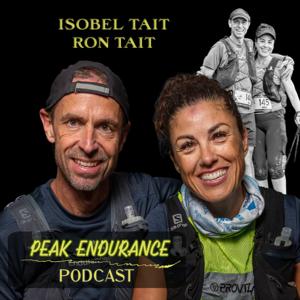


Mountain ultras aren’t just longer trail races.
They’re repeated strength tests disguised as endurance events.
In this episode, we break down how to actually train for a mountain ultra, beyond just “running hills” and hoping for the best.
We cover:
The real difference between aerobic endurance and muscular endurance
Why long climbs and descents break runners before fitness does
How and why to train uphill running, steep hiking, and transitions
When weighted uphill sessions make sense and how to use them properly
The role of short hill sprints in mountain durability
What strength work actually supports mountain racing
How to train for mountains when you don’t live near mountains
This is not about doing more miles or chasing vert for the sake of it.
It’s about building legs that can keep working when the race gets long, steep, and uncomfortable.
Mountain ultras don’t reward who trains the hardest.
They reward who trains the smartest.
If you want help structuring mountain training properly, that’s exactly what we do inside Peak Endurance Coaching. DM me on Instagram @peakendurancecoaching or comment 'ready' or 'coach' on any of my posts or email me [email protected]
Train for what the race will actually demand.
Most runners finish a race and immediately worry about onething:
“How fast am I going to lose my fitness?”
In this episode, we break down why that fear is misplacedand why taking a proper break after a race is one of the smartest things youcan do for your performance, your body, and your mental health.
We cover:
Why you do not lose fitness in one week of doing nothing
Why even two weeks off has a negligible impact on aerobicfitness
The ideal post-race reset structure
One full week off with easy walksonly
A phase of unstructured crosstraining
Two weeks of unstructured,pressure-free running
Why two weeks without running can make you feel clunky andwhat’s actually happening neurologically
How quickly neuromuscular sharpness returns once you startrunning again
Why rushing back after races leads to fatigue, injury, andburnout
The overlooked mental health benefits of stepping away afterbig goals
If you’ve ever felt guilty for resting, panicked aboutlosing fitness, or jumped back into training too hard after a race, this episode will change how you approach recovery.
Taking a break isn’t falling behind.
It’s how long-term runners stay healthy and consistent.
If you want help structuring your training and recovery soyou stop guessing and start progressing, check the links below to learn moreabout coaching.
Subscribe for more honest conversations about runningsmarter, not just harder.
Join Isobel and Ron as they delve into the essential tips and strategies for heat acclimatisation, a crucial aspect for runners and athletes facing challenging climates. Discover how to safely adapt to high temperatures, the physiological changes involved, and practical advice to enhance performance while minimizing risks. Whether you're training for a hot race or just looking to improve your endurance, this episode offers valuable insights to help you thrive in the heat.
Most runners swear running is their therapy. I get it. Ron gets it. We’ve both been there; using the miles to outrun the hard stuff instead of actually dealing with it. But in this episode we break down why that mindset quietly wrecks your running, your mood, and your progress. We get into the real reasons running can’t be your emotional safety net: You can't make good decisions when you’re fatigued. You attach your mental health to a sport that can be taken away with one niggle. You start using running as a distraction instead of a solution. And worst of all, you begin associating the thing you love with feeling awful.
This one is honest, confronting, and probably the wake-up call some runners need.
If you want to run stronger, last longer, and enjoy the sport without leaning on it to fix everything… listen in.
Clear, practical takeaways inside. No fluff. No sugarcoating.
Most runners think they know how to recover… until theyrealise their “rest days” aren’t actually restful, their legs always feel heavy, and they’re permanently training through fatigue.
In this episode, Isobel and Ron break down the REALdifference between active recovery and passive recovery — and exactly when each one helps or hurts your performance.
You’ll learn:
• Why active recovery is brilliant in some situations and terrible in others
• The biggest signs you’re under-recovering (even if you’re training “smart”)
• How complete rest can sometimes be the key to your next breakthrough
• The coaching mistakes runners make when choosing recovery strategies
• How to know when your body needs movement versus genuine downtime
• The recovery approach we use with ultra runners who want long-term durability
• Why fear of rest is ruining more athletes than overtraining
If you want to feel fresher, run stronger, and stopsabotaging your training with the wrong type of recovery, this episode will give you the clear, practical answers you’ve been missing.
Are you a trail runner who avoids the road like it’s the plague?In this episode, Ron and I break down one of the biggest mistakes we see in trail and ultra runners: relying on trails alone to build fitness.We get into:
• Why road running builds the engine trail runners desperately need
• The fitness gaps created by “trail-only” training
• How roads make pacing, speed, and long-run efficiency dramatically better
• Why even elite trail runners spend a big chunk of time on pavement
• The ideal balance of road vs trail for peak performance
If you want to climb stronger, descend smoother, race faster, and stop feeling “stuck,” this episode gives you the honest truth.
Listen in and learn why the best trail performance isn’t built on trails alone.
In this episode of the Peak Endurance Podcast, Isobel and Ron break down the exact approach runners should take when they’ve been doing nothing but easy running or have never done structured speedwork before and now want to get faster again.
We cover:
• Why speed is a skill not a pain game• How to introduce quality work without blowing up your tissues
• Why strength must come before intensity
• The simple weekly structure that actually works
• How to know when to progress — and when to hold
• Why most runners sabotage speedwork without realising it
If you’ve ever jumped into intervals and then wondered why you got injured or flat, this episode will make everything click.
Speedwork doesn’t have to break you.
When done right it unlocks that smooth, controlled pace that feels effortless on race day.
Enjoy the episode and if you want a personalised return-to-speed coaching program to implement this properly (with zero guesswork), send Isobel a DM on Instagram @peakendurancecoaching or enquire at www.peakendurancecoaching.com.au
This week, we’re diving into the questions every ultra runner is thinking—but not always asking out loud. No fluff, no generic advice, just honest, practical coaching insights (and a few hard-earned lessons) from years of racing and coaching ultras.
In This Episode, We Answer:
• Training for Elevation Without Hills
• Strength Training: Optional or Essential?
• Bonk or Medical Danger: Know the Difference
• Balancing Ultra Training with Work & Family
• Start Line Confidence & Imposter Syndrome
Got a question for the next Q&A? Drop it in the comments or message us on Instagram @peakendurancecoaching.If you’re training for your next ultra and want expert coaching support, visit www.peakendurancecoaching.com.au
The code for 25% off GSER, Rokeby Twilight Trail Run and Run Tarra Bulga is: UEPEAKVIP
This week, we’re diving into the questions every ultra runner is thinking—but not always asking out loud. That's why we asked ChatGpt what ultrarunners would ask!
From overtraining and gut issues to pacing mistakes, DNFs, confidence, and more, we’re tackling the real challenges you face on the trails. No fluff, no generic advice, just honest, practical coaching insights (and a few hard-earned lessons) from years of racing and coaching ultras.
In This Episode, We Answer:
• Overtraining vs. Just Tired: When to push and when to rest
• Mileage vs. Quality: What actually builds ultra performance
• How to Bounce Back from a DNF
• Gut Issues & Race Nutrition Mistakes
• Pacing the First Half of an Ultra Without Blowing Up
🎧 Got a question for the next Q&A? Drop it in the comments or message us on Instagram @peakendurancecoaching.If you’re training for your next ultra and want expert coaching support, visit www.peakendurancecoaching.com.au
Most runners obsess over VO₂ max. Watches flash it. Apps brag about it. Athletes compare numbers like trophies.
But here’s the truth: if VO₂ max decided races, we wouldn’t need start lines. We’d just hand medals to lab results.
In this episode, Ron and I break down the real difference between VO₂ max and lactate threshold — and reveal why neither metric tells the full story for trail and ultra runners.
You’ll learn:🏁 VO₂ Max — Your Engine Size
What it really means, how much you can influence it, and why it’s not the best predictor of ultra performance.⚡ Lactate Threshold — Your Sustainable Speed
Where the real racing happens, and why improving this matters more than chasing a bigger number on your Garmin.🪨 The Ultra Limiter No One Talks About: Muscular Endurance
The silent killer of 100 milers — and why blown quads, poor fueling, and mental fatigue end more races than oxygen capacity ever will.
If you want help building true ultra strength — beyond the lab metrics — that’s exactly what we coach inside the Ultra Performance Method.
From the publisher's feed

1,165 Listeners

11,733 Listeners

375 Listeners
1,343 Listeners
71 Listeners

3,612 Listeners

4,054 Listeners
570 Listeners

50 Listeners
186 Listeners
402 Listeners

778 Listeners

238 Listeners

1,875 Listeners
957 Listeners