
Sign up to save your podcasts
Or

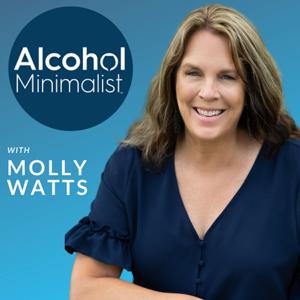

In this revisited episode of the Alcohol Minimalist Podcast, Molly explores the connection between ADHD and alcohol use. For many people with ADHD, alcohol can seem helpful at first—quieting a busy brain, easing anxiety, or creating a sense of calm—but it can also worsen impulsivity, sleep, emotional regulation, and decision-making over time.
Molly explains why ADHD may increase vulnerability to overdrinking, binge drinking, and using alcohol as a coping tool. She also discusses why it’s important to be thoughtful about drinking when taking ADHD medications and why support, planning, and self-compassion matter.
In This Episode
Listener Reflection
Are you using alcohol to quiet your brain, regulate emotions, reduce restlessness, or make life feel more manageable?
Noticing the pattern is not a reason for shame. It is a starting point for change.
Disclaimer
This episode is for educational purposes only and is not medical advice. Please consult a qualified healthcare provider if you have questions about ADHD, alcohol use, or medication interactions.
Until next time, choose peace.
Low risk drinking guidelines from the NIAAA:
Healthy men under 65:
No more than 4 drinks in one day and no more than 14 drinks per week.
Healthy women (all ages) and healthy men 65 and older:
No more than 3 drinks in one day and no more than 7 drinks per week.
One drink is defined as 12 ounces of beer, 5 ounces of wine, or 1.5 ounces of 80-proof liquor. So remember that a mixed drink or full glass of wine are probably more than one drink.
Abstinence from alcohol
Abstinence from alcohol is the best choice for people who take medication(s) that interact with alcohol, have health conditions that could be exacerbated by alcohol (e.g. liver disease), are pregnant or may become pregnant or have had a problem with alcohol or another substance in the past.
Benefits of “low-risk” drinking
Following these guidelines reduces the risk of health problems such as cancer, liver disease, reduced immunity, ulcers, sleep problems, complications of existing conditions, and more. It also reduces the risk of depression, social problems, and difficulties at school or work.
 View all episodes
 By Molly Watts, Mindful Drinking & Behavior Change Coach

4.8
156156 ratings
In this revisited episode of the Alcohol Minimalist Podcast, Molly explores the connection between ADHD and alcohol use. For many people with ADHD, alcohol can seem helpful at first—quieting a busy brain, easing anxiety, or creating a sense of calm—but it can also worsen impulsivity, sleep, emotional regulation, and decision-making over time.
Molly explains why ADHD may increase vulnerability to overdrinking, binge drinking, and using alcohol as a coping tool. She also discusses why it’s important to be thoughtful about drinking when taking ADHD medications and why support, planning, and self-compassion matter.
In This Episode
Listener Reflection
Are you using alcohol to quiet your brain, regulate emotions, reduce restlessness, or make life feel more manageable?
Noticing the pattern is not a reason for shame. It is a starting point for change.
Disclaimer
This episode is for educational purposes only and is not medical advice. Please consult a qualified healthcare provider if you have questions about ADHD, alcohol use, or medication interactions.
Until next time, choose peace.
Low risk drinking guidelines from the NIAAA:
Healthy men under 65:
No more than 4 drinks in one day and no more than 14 drinks per week.
Healthy women (all ages) and healthy men 65 and older:
No more than 3 drinks in one day and no more than 7 drinks per week.
One drink is defined as 12 ounces of beer, 5 ounces of wine, or 1.5 ounces of 80-proof liquor. So remember that a mixed drink or full glass of wine are probably more than one drink.
Abstinence from alcohol
Abstinence from alcohol is the best choice for people who take medication(s) that interact with alcohol, have health conditions that could be exacerbated by alcohol (e.g. liver disease), are pregnant or may become pregnant or have had a problem with alcohol or another substance in the past.
Benefits of “low-risk” drinking
Following these guidelines reduces the risk of health problems such as cancer, liver disease, reduced immunity, ulcers, sleep problems, complications of existing conditions, and more. It also reduces the risk of depression, social problems, and difficulties at school or work.
1,713 Listeners

1,082 Listeners

2,558 Listeners

27,775 Listeners

142 Listeners
1,372 Listeners

719 Listeners

1,245 Listeners
187 Listeners

563 Listeners

1,087 Listeners

19,524 Listeners

1,794 Listeners
472 Listeners

1,211 Listeners