
Sign up to save your podcasts
Or



Based on Podcast App listening data
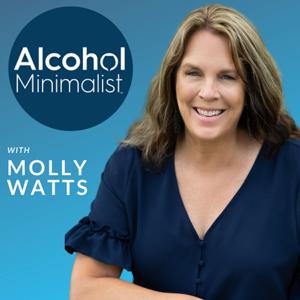
This week on The Alcohol Minimalist Podcast, I'm joined by Dean Chew, creator of AlcoLog, an alcohol tracking app designed to help you build awareness, recognize drinking patterns, and make more intentional choices about alcohol.
Dean shares his personal journey with alcohol, including his experience with naltrexone and The Sinclair Method, and how his own struggles inspired him to create a tool to help others change their drinking habits.
What I especially appreciate about AlcoLog is its flexible, nonjudgmental approach. Whether you're working toward moderation, adding more alcohol-free days, or choosing sobriety, the app helps you:
Dean also shares details about AlcoLog's free Sober October challenge, which you can join anytime during October.
If you're looking for a practical, science-informed way to become more mindful about your drinking, this conversation is for you.
Because changing your relationship with alcohol starts with awareness—and progress doesn't have to mean perfection.
Resources:
Low risk drinking guidelines from the NIAAA:
Healthy men under 65:
No more than 4 drinks in one day and no more than 14 drinks per week.
Healthy women (all ages) and healthy men 65 and older:
No more than 3 drinks in one day and no more than 7 drinks per week.
One drink is defined as 12 ounces of beer, 5 ounces of wine, or 1.5 ounces of 80-proof liquor. So remember that a mixed drink or full glass of wine are probably more than one drink.
Abstinence from alcohol
Abstinence from alcohol is the best choice for people who take medication(s) that interact with alcohol, have health conditions that could be exacerbated by alcohol (e.g. liver disease), are pregnant or may become pregnant or have had a problem with alcohol or another substance in the past.
Benefits of “low-risk” drinking
Following these guidelines reduces the risk of health problems such as cancer, liver disease, reduced immunity, ulcers, sleep problems, complications of existing conditions, and more. It also reduces the risk of depression, social problems, and difficulties at school or work.
Why do we sometimes struggle to follow through on our best intentions? The answer may have less to do with willpower and more to do with how easy—or difficult—we make our choices.
This week on Think Thursday, we're exploring the behavioral science behind friction, default choices, and how our environment influences our habits.
In this episode:
The takeaway: Meaningful change requires effort, but unnecessary obstacles don't have to be part of the process. Sometimes making better choices starts with making those choices easier.
Research mentioned:
What if drinking less starts with sleeping better?
In this episode of the Alcohol Minimalist Podcast, Molly explores new research on the connection between insomnia treatment and alcohol use. The study found that among heavy drinkers with insomnia, improving sleep was associated with reductions in drinking—especially among women.
Alcohol may help you fall asleep faster, but it can also disrupt sleep later in the night. That can leave you more tired, stressed, and depleted the next day—making thoughts like I need a drink or I deserve it feel even more convincing.
The key idea: sometimes the evening urge to drink is influenced by what happened the night before.
This week, try tracking just a few things: your sleep quality, your late-afternoon energy, your desire to drink, and what you ultimately decide to do.
You’re not trying to prove anything. You’re simply looking for patterns.
Because drinking less isn’t always about more willpower. Sometimes it’s about making the decision easier by changing the conditions around it.
Low risk drinking guidelines from the NIAAA:
Healthy men under 65:
No more than 4 drinks in one day and no more than 14 drinks per week.
Healthy women (all ages) and healthy men 65 and older:
No more than 3 drinks in one day and no more than 7 drinks per week.
One drink is defined as 12 ounces of beer, 5 ounces of wine, or 1.5 ounces of 80-proof liquor. So remember that a mixed drink or full glass of wine are probably more than one drink.
Abstinence from alcohol
Abstinence from alcohol is the best choice for people who take medication(s) that interact with alcohol, have health conditions that could be exacerbated by alcohol (e.g. liver disease), are pregnant or may become pregnant or have had a problem with alcohol or another substance in the past.
Benefits of “low-risk” drinking
Following these guidelines reduces the risk of health problems such as cancer, liver disease, reduced immunity, ulcers, sleep problems, complications of existing conditions, and more. It also reduces the risk of depression, social problems, and difficulties at school or work.
Why does change sometimes feel easier when we’re doing it alongside other people?
In this Think Thursday episode, Molly explores the science behind shared goals, group support, and collective behavior change — and why being part of something can influence motivation, effort, identity, and persistence.
In this episode:
Sometimes the work is still yours, but doing it alongside others can change the environment in which that work happens.
What if the goal of More Sober October isn’t a perfect calendar—but learning something about your relationship with alcohol?
In this episode, Molly shares how to approach October as an experiment instead of an exam. Rather than measuring success solely by alcohol-free days, use the month to get curious about your desire to drink, practice experiencing urges without automatically acting on them, and notice what genuinely changes when you drink less.
What You’ll Learn:
Try This
Choose a goal for October and a question you want to answer.
Maybe it’s: Does alcohol really help me relax? Can I enjoy Friday night without drinking? What happens to my sleep when I drink less?
The goal isn’t to win October. It’s to finish the month understanding yourself—and your relationship with alcohol—a little better.
Join More Sober October-The Daily
Low risk drinking guidelines from the NIAAA:
Healthy men under 65:
No more than 4 drinks in one day and no more than 14 drinks per week.
Healthy women (all ages) and healthy men 65 and older:
No more than 3 drinks in one day and no more than 7 drinks per week.
One drink is defined as 12 ounces of beer, 5 ounces of wine, or 1.5 ounces of 80-proof liquor. So remember that a mixed drink or full glass of wine are probably more than one drink.
Abstinence from alcohol
Abstinence from alcohol is the best choice for people who take medication(s) that interact with alcohol, have health conditions that could be exacerbated by alcohol (e.g. liver disease), are pregnant or may become pregnant or have had a problem with alcohol or another substance in the past.
Benefits of “low-risk” drinking
Following these guidelines reduces the risk of health problems such as cancer, liver disease, reduced immunity, ulcers, sleep problems, complications of existing conditions, and more. It also reduces the risk of depression, social problems, and difficulties at school or work.
World Alzheimer’s Day is a good reminder that the story around Alzheimer’s disease is changing.
In this Think Thursday episode, Molly looks at what we know now about earlier diagnosis, blood-based biomarkers, newer treatments that can slow disease progression for some people, and the growing evidence that lifestyle factors may influence dementia risk.
In this episode:
The biggest takeaway: there may not be one single thing that protects the brain. Increasingly, the research points to the power of a pattern — movement, cardiovascular health, hearing and vision care, social connection, continued learning, sleep, and staying engaged with life.
Alzheimer’s is still a complex and devastating disease, but the science is giving us more reason for hope — and more opportunities to influence the health of the brain we have right now.
What does “drink less” actually mean?
In this episode of the Alcohol Minimalist podcast, Molly explores the changing alcohol guidelines and why there isn’t one simple number that guarantees a “safe” level of drinking.
She breaks down the difference between a standard drink and what’s actually in your glass, explains why alcohol-related risk exists on a continuum, and shares a more useful question than, “How much am I allowed to drink?”
Instead, consider:
What is the lowest amount of alcohol that still gives me what I value without creating consequences I don’t want?
You’ll learn:
Alcohol Minimalism isn’t about following someone else’s perfect number. It’s about removing excess alcohol from your life so alcohol doesn’t remove you from your life.
Until next time, choose peace.
Resources Mentioned:
Low risk drinking guidelines from the NIAAA:
Healthy men under 65:
No more than 4 drinks in one day and no more than 14 drinks per week.
Healthy women (all ages) and healthy men 65 and older:
No more than 3 drinks in one day and no more than 7 drinks per week.
One drink is defined as 12 ounces of beer, 5 ounces of wine, or 1.5 ounces of 80-proof liquor. So remember that a mixed drink or full glass of wine are probably more than one drink.
Abstinence from alcohol
Abstinence from alcohol is the best choice for people who take medication(s) that interact with alcohol, have health conditions that could be exacerbated by alcohol (e.g. liver disease), are pregnant or may become pregnant or have had a problem with alcohol or another substance in the past.
Benefits of “low-risk” drinking
Following these guidelines reduces the risk of health problems such as cancer, liver disease, reduced immunity, ulcers, sleep problems, complications of existing conditions, and more. It also reduces the risk of depression, social problems, and difficulties at school or work.
What happens when a thought gets repeated so often that it stops feeling like a thought and starts feeling like a fact?
In this Think Thursday episode, Molly explores the illusory truth effect, processing fluency, self-schemas, and self-verification to explain why familiar ideas can feel more believable simply because we’ve practiced thinking them over and over.
In this episode:
A question to take with you:
Is this something I know, or is this something I’ve practiced thinking?
Sometimes behavior change begins not with immediately creating a new belief, but with realizing that an old one may never have been a fact in the first place.
Research Mentioned
What does it look like to build a fun, fulfilling life with less alcohol—or none at all?
In this episode of the Alcohol Minimalist Podcast, Molly talks with Elise Bryson, CEO and curator of The Sober Curator, about sober curiosity, recovery, non-alcoholic drinks, and the changing culture around alcohol.
They explore why alcohol-free living is becoming more mainstream, how the non-alcoholic beverage movement is helping normalize drinking less, and why choosing not to drink should never feel awkward or restrictive.
If you’re sober curious, exploring a mostly alcohol-free lifestyle, or working to change your relationship with alcohol, this conversation offers encouragement, practical resources, and a refreshing reminder that drinking less can actually open the door to more.
In This Episode
Resources Mentioned:
Low risk drinking guidelines from the NIAAA:
Healthy men under 65:
No more than 4 drinks in one day and no more than 14 drinks per week.
Healthy women (all ages) and healthy men 65 and older:
No more than 3 drinks in one day and no more than 7 drinks per week.
One drink is defined as 12 ounces of beer, 5 ounces of wine, or 1.5 ounces of 80-proof liquor. So remember that a mixed drink or full glass of wine are probably more than one drink.
Abstinence from alcohol
Abstinence from alcohol is the best choice for people who take medication(s) that interact with alcohol, have health conditions that could be exacerbated by alcohol (e.g. liver disease), are pregnant or may become pregnant or have had a problem with alcohol or another substance in the past.
Benefits of “low-risk” drinking
Following these guidelines reduces the risk of health problems such as cancer, liver disease, reduced immunity, ulcers, sleep problems, complications of existing conditions, and more. It also reduces the risk of depression, social problems, and difficulties at school or work.
In this revisited Think Thursday episode, Molly explores ADHD through the lens of the brain’s energy economy—how neurodivergent brains may use mental fuel differently, and why that matters for motivation, behavior change, and alcohol.
You’ll learn why routine tasks can feel more costly for an ADHD brain, why novelty and stimulation can feel energizing, and how differences in dopamine and norepinephrine may help explain the connection between ADHD and substance use.
Molly also shares six practical ways to support the ADHD brain:
The goal isn’t to make a neurodivergent brain work like a neurotypical one. It’s to understand the brain you have and build strategies that work with it.
Choose peace.
From the publisher's feed
Ranked by our users in the last 21 days
1,709 Listeners
1,069 Listeners

2,542 Listeners
27,863 Listeners
133 Listeners
1,354 Listeners
715 Listeners
1,254 Listeners
181 Listeners
563 Listeners
1,080 Listeners

19,155 Listeners

2,203 Listeners
449 Listeners
1,209 Listeners