Rick Rubin - Biography Flash

Rick Rubin - Biography Flash

By Liquid StudiosArtsMusicMusic History
Download on the App Store

Rick Rubin - Biography Flash episodes

  • Rick Rubin: Unraveling Myths, Igniting Creativity & Redefining Legacy
    Rick Rubin BioSnap a weekly updated Biography.
    Rick Rubin has been everywhere this past week, seamlessly moving between culture-maker, wise mentor, and pop myth disrupter. The most talked-about and, frankly, biographically resonant moment dropped during the latest Tetragrammaton podcast with Phish’s Mike Gordon. Rubin, always the gentle provocateur, ended up being the first public audience to hear Mike’s full account of the “Mike Says No” meme’s real origin. For nearly two decades, fans thought it was a throwaway stage gag or meme about the band’s internal jokes, but Gordon told Rubin that he was actually the lone voice against Phish’s 2004 breakup. It turned into a capsule of Phish history, with Rubin’s disarmingly open style helping Mike deliver the final word on a legend that’s swirled in fandom since the early 2000s. It made music headlines and had fans dissecting every word in classic Phish fashion, proof that Rubin’s podcast continues to be an unlikely confessional for the music world, cementing its stature as a must-listen platform for deep revelation according to BroBible.
    In a distinctly public spotlight, Rubin’s legacy as a creative sage remains undiminished. ABC’s World News Tonight ran a profile segment timed to coincide with the continued momentum behind his book The Creative Act: A Way of Being. Reviewers and the media call it luminous and transformative—a guide to artistry that everyone from tech leaders to musicians can draw on. Bill Gurley, famed venture capitalist, praised Rubin’s message as key in his own recently released book, summarizing Rubin’s view that life and creativity are use-it-or-lose-it, and his influence stretches well into entrepreneurial circles.
    Rubin also made news by teaming up with AG1, infusing his creative vision into a sunrise-themed reimagining of the classic bedtime story Good Morning Moon. The campaign, launched November 3rd, was celebrated in industry trades for its serene, genre-wise approach and Rubin’s soothing narration, reminding the public that he remains a commercial force as well as a spiritual guide.
    Elsewhere, the School of Greatness podcast released a much-shared episode on November 7th with Rubin talking about his “spiritual” take on creativity, doubling down on the core of his message—that the true act isn’t producing art, but learning how to be fully present and open. Far Out Magazine referenced Rubin again this week while recounting his genre-blending work from Johnny Cash to Slayer, and the Freeport Memorial Library hosted a virtual discussion with author D.X. Ferris that credited Rubin with redefining the producer’s potential for generational impact.
    Nothing speculative and no scandal—just Rubin in rare form: tuning culture, clarifying mysteries, and pushing collaboration and self-awareness further into the mainstream, a living legend with more than just hits to his name. Social media tracked every one of these stories, with creatives and fans alike trading quotes from his book a
    This content was created in partnership and with the help of Artificial Intelligence AI.
    4 min
  • Rick Rubin: Narrating Mornings, Inspiring Creators, and Redefining Wellness Culture
    Rick Rubin BioSnap a weekly updated Biography.
    Rick Rubin has once again shifted the cultural landscape this week, making headlines with the launch of a high-profile campaign for AG1 nutritional supplements. AG1 unveiled a cinematic short titled Good Morning Moon, a creative homage to the beloved children’s book Goodnight Moon, now reimagined for adults who embrace morning rituals. Rubin’s signature gravelly voice narrates the film, joining forces with HarperCollins and the estate of Margaret Wise Brown to rewrite the classic as a poetic celebration of early risers. The campaign’s visuals star tennis champion Sloane Stephens, legendary surfer Mick Fanning, and Everest climber Hari Budha Magar, but it’s Rubin whose presence roots the piece in authentic creative gravitas. AG1’s chief marketing officer Paulie Dery calls Good Morning Moon a love letter to morning people and a demonstration of the brand’s dedication to purposeful starts, leveraging Rubin’s reputation for discipline and intentionality. The campaign is already generating major buzz in wellness circles and marketing trade sites, and Rubin’s narration is widely credited as the missing ingredient propelling the project past mere commercial territory into true cultural resonance, as noted by Athletech News and LBB Online.
    Underneath the high-profile narration, Rick Rubin’s routines are inspiring conversation in creative circles. Richard Bernabe’s Beyond The Lens newsletter this week spotlights Rubin’s daily studio discipline as a model for combating creative resistance, drawing implicit parallels with Maya Angelou’s legendary work ethic. Rubin, it seems, has quietly become a north star for artists grappling with creative blocks—and his commitment to showing up, day after day, is taking on near-mythic status among creators reflecting on their own processes.
    Meanwhile, an in-depth interview posted by Folha do ES on November 3 gave Rubin room to expand on his philosophies around creativity, discipline, and longevity—an appearance that quickly did the rounds on social media among music influencers and producers. Clips and quotes from the interview are circulating on Instagram and music-focused YouTube channels, fueling renewed debates about Rubin’s role as both creative savant and maverick outsider.
    Rubin’s name also surfaced in Think Policy Press commentary on the relationship between artists and policymakers, cited as a creative exemplar alongside Toni Morrison and James Baldwin. This nod cements Rubin's growing reputation as a philosophical voice, less about genre and more about wisdom across disciplines.
    As for big headlines, AG1 and Rick Rubin Wake Up Classic Bedtime Tale draws the most national attention, spotlighting Rubin’s ability to merge art, commerce, and cultural mythmaking with relish. The campaign’s research partnerships with UC Davis further suggest Rubin’s interest in integrating wellness science and creative influence—a storyline that could shape future collaborations wit
    This content was created in partnership and with the help of Artificial Intelligence AI.
    5 min
  • Rick Rubin: Quietly Shaping Culture Through Creativity, Wellness, and Storytelling in 2025
    Rick Rubin BioSnap a weekly updated Biography.
    In the last several days Rick Rubin has been quietly yet unmistakably in the headlines again with developments that reflect both his enduring cultural influence and his ongoing creative pursuits. Perhaps most noticeably he is lending his distinct voice to AG1’s new campaign Good Morning Moon—a reimagining of the classic Goodnight Moon children’s book. The campaign, directed by Britton Caillouette and scored by Austin Farwell, features Rubin narrating what amounts to a poetic tribute to early risers and morning rituals. AG1’s chief marketing officer Paulie Dery calls the film a celebration of people who “rise when the world’s still quiet and choose to show up.” HarperCollins and the estate of Margaret Wise Brown reportedly approved the new verses but it’s Rubin’s involvement, alongside athletes and adventurers, that sets a meditative tone. This collaboration coincides with AG1’s new research alliance with UC Davis and a unique NIL program for early-career scientists, furthering Rubin’s visibility at the intersection of wellness and creativity according to Athletech News.
    On the music front, Rubin’s ever-present influence is echoed in fresh industry buzz. His weekly Broken Record podcast continues to host acclaimed artists from Jensen McRae to Bootsy Collins, with episodes airing in late October according to iHeartMedia. While Rubin keeps a relatively low profile on social media, music insiders note that conversations on the podcast frequently trend on Twitter and Reddit, keeping him top-of-mind among fans and creators.
    Rubin’s book The Creative Act is again in the public eye as Phoenix Art Museum announces a November 5th book club devoted to it, spotlighting how his ideas about collaboration and connectedness are actively shaping artistic discourse as reported by the museum’s event page.
    Media commentary this week in Beyond The Lens’s October 29th newsletter highlighted Rubin’s daily studio discipline, drawing creative parallels to Maya Angelou. Meanwhile, as a business activity, his association with Billy Oppenheimer—recently profiled as a research assistant alongside Ryan Holiday—shows how Rubin’s network quietly amplifies his influence in literary and podcast circles according to Second Nature Media.
    There are no major headlines linking Rubin directly to the upcoming Avett Brothers record since its production duties reportedly shifted elsewhere, but the story underscores how his legacy exerts a gravitational creative pull even from a distance as noted in Americana UK.
    All told, Rick Rubin is having one of those weeks where his impact is felt more in the undercurrents—the thoughtful campaign narration, the ongoing podcast, the recurring spotlight on his written wisdom, and his business alliances fueling wider creative ecosystems. Rubin’s name, once synonymous only with blockbuster albums, is now increasingly associated with cross-disciplinary creativity, wellness initiatives, and authentic st
    This content was created in partnership and with the help of Artificial Intelligence AI.
    5 min
  • Rick Rubin: Enigmatic Hitmaker, Creative Guru, and Cultural Sage
    Rick Rubin BioSnap a weekly updated Biography.
    Frederick Jay Rubin—known universally as Rick Rubin—has had another quietly impactful week, with news cycles and the music industry orbit reflecting his enduring, enigmatic influence, though he’s never one to court the spotlight for its own sake. The most visible development comes from the launch of The Cult’s North American Death Cult tour, which opened on October 9 and wraps in Los Angeles on October 30, according to Wave 104. Rubin’s production work on The Cult’s classic 1987 album “Electric,” particularly the hit “Love Removal Machine,” is being spotlighted in band retrospectives as the group revisits its roots. While Rubin himself isn’t on the road with the band, his sonic fingerprint on their sound remains a talking point in music media—a reminder of his knack for reinvention, even decades on.
    On the business and creative thought leadership front, Rubin was referenced in a blog recap from Nordic Business Forum 2025, where he headlined a session titled “Business as a Creative Canvas—Mastering Flow and Vision,” as reported by Viviana Alonso. This is classic Rubin: bridging the worlds of music, business, and creativity while preaching the gospel of intrinsic motivation and vision over market analytics. He’s not just a hitmaker; he’s a philosopher of the creative process, a theme echoed in Frank Chimero’s latest essay. Chimero, musing on the contrast between Rubin and the tech investor mindset, writes that Rubin’s insistence on starting from inspiration rather than audience demand makes him a rarity in a tech landscape obsessed with product-market fit. It’s a subtle but noteworthy ripple—Rubin as a countercultural icon for creatives in an age of AI and scale-first thinking.
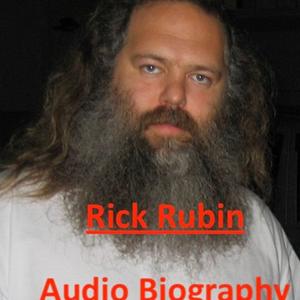
    Podcast-wise, Rubin’s “Tetragrammaton” show continues to be a hub for deep, genre-defying conversations—though there’s no fresh episode drop flagged in the past few days, according to Global Player. Meanwhile, Spreaker’s Rick Rubin Audio Biography updated this week, but the focus remains on broader career milestones rather than breaking news. The show reiterates Rubin’s pivot from music maverick to Hollywood player, though details on specific new projects remain under wraps. There’s buzz, but nothing concrete.
    On social media and tabloid chatter, Rubin’s personal life is, as ever, a cipher. Name Origins recently ran a speculative feature on his marriage and private affairs, but there’s zero new information—just recycled hearsay, so file that under unconfirmed and likely unreliable. No major public appearances, paparazzi snaps, or viral posts from the man himself. He’s not on Twitter or Instagram, so any mention of him in those spaces is strictly via fans and commentators.
    In sum, this week, Rick Rubin’s impact is felt more in echoes than eruptions: a tour that owes its edge to his touch, a business forum that leans on his creative credo, and a podcast that cements his status as a curator of culture. There are no grand new d
    This content was created in partnership and with the help of Artificial Intelligence AI.
    4 min
  • Rick Rubin: Vibe Coding Visionary or Skill-Free Fraud?
    Rick Rubin BioSnap a weekly updated Biography.
    Rick Rubin has been making waves across multiple platforms this week. The legendary music producer appeared as a keynote speaker at Nordic Business Forum 2025 on October 3rd, delivering a talk titled "Business as a Creative Canvas: Mastering Flow and Vision." According to the event coverage, Rubin brought his unique perspective on creativity and leadership to the business conference, continuing to position himself as more than just a music producer but as a broader cultural thinker about creative processes.
    Earlier in October, specifically on October 14th, Rubin became an unexpected figure in AI discourse when he was referenced in a talk at Kinference in Brooklyn about artificial intelligence and creative work. The discussion centered on what's being called "vibe coding," a controversial concept where Rubin has become the poster child for the idea that you can produce creative work without traditional technical skills. This sparked debate about his production methods, with critics noting he's built a career producing albums for Johnny Cash, Jay-Z, and Adele without learning to play instruments or operate recording equipment.
    Adding fuel to this conversation, Anthropic, the AI company, recently launched a marketing campaign called "The Way of Code" that featured Rubin rewriting the Tao Te Ching to be about vibe coding. The project has generated mixed reactions, with some viewing it as brilliant marketing and others seeing it as problematic valorization of skill-free production.
    On October 15th, economist Tyler Cowen appeared on Rubin's podcast Tetragrammaton to discuss stablecoins, AI, economic policy, and current global affairs. The podcast continues to feature high-profile conversations on his platform. Meanwhile, Rubin's other podcast venture, Broken Record, which he co-hosts with Malcolm Gladwell, has been releasing new episodes featuring artists like Miguel, Deftones' Chino Moreno, and The Favors throughout October.
    The ongoing discussion about Rubin's methods and influence shows no signs of slowing down, as he remains a polarizing figure representing either the future of intuitive creative direction or a concerning trend toward devaluing technical expertise.
    Get the best deals https://amzn.to/3ODvOta
    This content was created in partnership and with the help of Artificial Intelligence AI.
    3 min
  • Rick Rubin: The Enduring Influence of a Creative Mastermind
    Rick Rubin BioSnap a weekly updated Biography.
    Rick Rubin has remained a fixture in music and popular culture this week, with developments ranging from tributes to his earlier work to a continued presence in creative discussions and social circles. Following the recent passing of D'Angelo, old footage has resurfaced of Rubin and Eric Clapton back in 2000, both visibly awestruck while previewing D'Angelo’s now-classic album Voodoo. Rubin, captured on camera and later quoted on his Broken Record podcast, called the album “absolutely perfect,” wishing at the time he’d been involved—a testament to his appreciation for boundary-pushing artistry, and a reminder of his reverence among his peers, as reported by MusicRadar.
    Businesswise, Andreessen Horowitz, the high-profile venture firm, mentioned Rick Rubin as a “friend of the firm” on Threads last Thursday, sharing a motivational Rubin quote about creative achievement. This subtle but telling nod keeps him in modern entrepreneurial conversations, hinting at a broader influence beyond music. The most sustained recent media coverage spun from last week’s Kinference in Brooklyn, where designer Frank Chimero invoked Rubin as the mascot of “vibe coding”—a tech-age way of celebrating creative instinct over raw technical skill. Chimero addressed Rubin’s dual persona: the real-life studio maestro and the almost-mythic symbol of creative nonconformity, played up in marketing stunts like The Way of Code, where Rubin supposedly rewrote the Tao Te Ching in the language of “vibes.” While the authenticity or depth of Rubin’s direct involvement in these ventures is sometimes debated in tech circles—Chimero, for instance, was only half-convinced—it’s clear Rubin’s image as a taste-maker has become cross-disciplinary and oddly relevant in the age of prompt-driven AI.
    He was heard from again on Tyler Cowen’s Marginal Revolution podcast, where the discussion turned to choral music and Rubin’s insight about detaching from style and trusting one’s ear. This continues to echo themes from his best-selling book The Creative Act, which remains influential in creativity circles and is still widely referenced this month.
    Socially, Rubin is popping up in unexpected places online. Threads users referenced him as a favorite producer whose influence transcends genres. Another Threads post circulating on Monday quoted Rubin’s advice: “Look for what you notice but no one else sees,” underscoring his ongoing role as a creative guru.
    Notably, the stories making rounds right now focus less on new chart-topping projects and more on long-term legacy—Rubin’s impact on music history, his philosophy, and his curious rise as a cultural symbol in conversations about creativity, both for better and, some argue, for more myth than method. There have been no major headlines regarding new business ventures, album releases, or surprise collaborations reported by reliable music trades in the past few days, but the continuing stream of reposts, t
    This content was created in partnership and with the help of Artificial Intelligence AI.
    4 min
  • Rick Rubin: Igniting Debates, Shaping Creativity, and Eyeing Hollywood
    Rick Rubin BioSnap a weekly updated Biography.
    In the last few days Rick Rubin has stepped into the spotlight again, both as a musical sage and a cultural commentator, and he did it in trademark Rubin fashion—quiet gravity with just enough controversy to keep everyone talking. The biggest headline: Rick Rubin appeared alongside Jimmy Iovine in a much-buzzed-about debate for the show "Rushmore," making waves by naming The Beatles, The Ramones, James Brown, and Kraftwerk as his picks for the musical Mount Rushmore. Billboard coverage noted that Rubin’s comments on Kraftwerk—he claimed that “all music made today goes back to Kraftwerk more than anyone else”—sparked debate across music journalism and a small war in music Twitter circles. His choices were dissected by outlets like Hits Daily Double and Rolling Stone, with the latter speculating whether his Kraftwerk comment might rank alongside his infamous LL Cool J “radio” origin myth for long-term pop culture impact.
    Meanwhile, Rick Rubin’s influential words have been circulating on social media. Threads and Instagram lit up with his now-viral quote, “Creativity is something you are, not something you do.” Celebrity designer Yoon Ambush and several high-profile creative accounts reposted this line, and followers turned it into a trending mantra, with memes and digital tattoos cropping up across TikTok and Threads. Major creative figures like Pharrell and Finneas O’Connell were among those who liked, commented, or referenced Rubin’s take, according to a timeline of posts collected by Threads on October 15 and 16.
    His highly regarded podcast, "Broken Record," continues to drop episodes that pull in a steady stream of music lovers. Over the past week, highlights included a vulnerable, headline-generating interview with Chino Moreno of Deftones, whose public praise for Rubin’s production methods was picked up by NME and Spin. The episode became a trending topic, with Moreno crediting Rubin for “resetting” Deftones’ musical compass as the band surged to new relevance with young listeners.
    On the business side, recent press from Spreaker’s BioSnap chronicled trademark Rubin versatility: not only has he overseen fresh sessions with major acts, but he is rumored—though unconfirmed—to be circling a soundtrack deal for an upcoming major Hollywood biopic. Spreaker’s October 14 update called it the “next act for a music maverick,” and insiders cited by Variety suggest the deal could align Rubin with next year’s Oscar contenders if confirmed. As of now, these Hollywood rumors are not verified but have sparked speculation in both music and film industry trades.
    No new information in the major business trades suggests any new record label deal or shock artist signing this week, but Rubin’s management was seen at Sony Studios, leading the Post News Group to theorize a possible strategic partnership brewing for 2026.
    In sum, Rubin’s last few days have kept him at centerstage—fueling industry debates, shapi
    This content was created in partnership and with the help of Artificial Intelligence AI.
    4 min
  • Rick Rubin: Shaping Music Legends from The Cult to Tom Petty
    Rick Rubin BioSnap a weekly updated Biography.
    Rick Rubin has been making waves across multiple projects in recent weeks, demonstrating his continued influence as one of music's most legendary producers. The iconic producer recently reconnected with The Cult's Ian Astbury for a deeply emotional reunion and podcast conversation that brought both artists to tears. According to Vanyaland, when the two saw each other after years apart, the meeting was particularly meaningful given their history together on The Cult's groundbreaking 1987 album Electric, which was essentially the first real record Rubin ever produced. Astbury revealed during the conversation that he would work with Rubin again in a heartbeat and is now actively thinking about what project he could present to entice the legendary producer back into the studio together.
    Meanwhile, Slayer is celebrating the 35 year anniversary of their iconic album Seasons in the Abyss with a special track by track video feature, highlighting Rubin's production work on the 1990 classic that he produced alongside Andy Wallace and the band. Metal Insider reports that the celebration includes limited edition signed collectibles and memorabilia available through Slayer's online museum.
    The Grammy Museum is also honoring Rubin's legacy with a special screening event on October 20th celebrating Tom Petty's 75th birthday. According to Discover Los Angeles, the event features the documentary Somewhere You Feel Free: The Making of Wildflowers, which chronicles Petty's legendary first collaboration with Rubin on what became a personal masterpiece for the late rock icon. The film includes present day interviews with Rubin and offers an intimate look at the creative process during their groundbreaking partnership in the mid 1990s.
    Additionally, Marcus King recently opened up about his transformative two year collaboration with Rubin on his album Mood Swings. Country Central reports that King credited Rubin with helping him abandon the idea of music as commerce and focus purely on creating art that heals, describing the process as bringing him back to making music for himself rather than crowd pleasers.
    Get the best deals https://amzn.to/3ODvOta
    This content was created in partnership and with the help of Artificial Intelligence AI.
    3 min
  • Rick Rubin: Unleashing Creativity, Intuition & Soul in Business, Music & Life
    Rick Rubin BioSnap a weekly updated Biography.
    Rick Rubin has been everywhere this week from high-level business forums to the heart of the studio. Most notably he captured headlines for his keynote at the Nordic Business Forum 2025, where he steered business leaders away from rigid strategy and toward creativity and soul. Rubin’s session landed viral soundbites like “You don’t need to know. You need to notice” and “There’s never going to be a wrong decision if you trust your heart,” reverberating throughout both traditional media and social platforms. According to coverage by NBForum, this wasn’t just a pep talk; in a business world obsessed with certainty, Rick called for intuition, presence, and authenticity, urging CEOs to treat their own companies as creative canvases and to never lose sight of purpose or people in an era of AI automation.
    Social media lit up during this period, with users on Instagram, Threads, and other channels quoting Rubin, sharing moments from his talk, and extending his philosophy into personal development and innovation discussions. #TheCreativeAct continues to trend thanks to ongoing fan and influencer engagement with his book The Creative Act: A Way of Being. Educators are drawing from Rubin’s work for teaching creativity, while tech leaders reflect on his challenge: bring soul back into innovation.
    On the music side, Rick Rubin’s fingerprints are all over Marcus King’s new album “Mood Swings,” with King himself telling Country Central that Rubin encouraged him to leave commerce behind and create art for art’s sake, which redefined the record’s emotional core. Meanwhile, The Avett Brothers roared back from hiatus, confirming Rick Rubin as producer for their upcoming album, according to Americana UK. That’s major for fans—his association promises a high-impact comeback.
    Rubin’s studio is also buzzing. A slew of musicians recently shared photos and shout-outs online of sessions at his legendary spot, hinting at new collaborations, though none have been officially announced. One viral post showed Rubin experimenting with an ocarina whistle in a quirky hit song demo—a reminder that he’s always game to bend genres and conventions.
    Public appearances weren’t limited to the stage or studio. Rubin’s personal Instagram showed him exploring Prague’s history, posting moody images of old graves and candles. Always a mystic in the public eye, these atmospheric pictures fed fans’ ongoing curiosity about what inspires him.
    No confirmed business investments or deals surfaced during this stretch, though speculation circulated that with Rubin’s increasing advisory role at business events, he may move deeper into creative consulting for tech and wellness brands. That remains unconfirmed for now.
    In summary, Rick Rubin spent the past few days expanding his influence from the creative trenches of music into the philosophical vanguard of business and leadership, serving up headline moments and quotable wisdom while driving major
    This content was created in partnership and with the help of Artificial Intelligence AI.
    5 min
  • Rick Rubin: Zen Master of Creativity Shares Insights on Music, AI, and Trusting Your Gut
    Rick Rubin BioSnap a weekly updated Biography.
    If you’ve been wondering what Rick Rubin—the bearded oracle of vibe—has been up to the past few days, here’s your exclusive rundown, Biosnap AI style. This is what you might call “peak Rick”: equal parts Zen master, musical Yoda, and business philosopher, all without ever putting on a pair of shoes.
    Let’s start with the most high-profile appearance. Nordic Business Forum 2025 in Helsinki just wrapped, and Rubin was center stage in conversation with Diana Kander, sharing his latest evolution: applying decades of studio alchemy to the boardroom, according to Nordic Business Forum’s detailed write-up. Here, Rubin didn’t just talk about music—though icons like Johnny Cash, Jay-Z, Adele, and the Red Hot Chili Peppers got their due—he framed the creative process as a universal law. His core message? Forget perfection, start before you’re ready, and trust your gut. “If I waited until I was ready, I wouldn’t be sitting here right now,” he told the audience. In a world obsessed with quarterly results, Rubin’s playing the long game, using Amazon’s 20-year journey as his North Star. He even tossed in a viral meme-inspired riff on AI, joking about a Jay-Z track made by artificial intelligence. “We don’t listen to Jay-Z to hear his voice,” he quipped. “We listen for his point of view. The AI doesn’t have a point of view.” His advice to leaders, artists, and anyone sweating the future? “There is no wrong decision when you’re trusting your heart,” a line that made it directly into recaps by both Nordic Business Forum and the Reaktor Ecosystem blog.
    He’s not just pontificating—Rubin’s walking the talk. The Avett Brothers, after a five-year hiatus, are back with a self-titled album dropping May 17th, and Rubin’s at the producer’s desk, according to Americana UK. Expect lots of woodsy Malibu magic; those sessions reportedly ping-ponged between Shangri-La Studios and Nashville. The first single, “Love of a Girl,” is already out, and fans are buzzing.
    Rubin’s also become a philosophical touchstone in the AI conversation, thanks to a Harvard Bok Center workshop on “vibe coding”—a concept he and AI luminary Andrey Karpathy are floating. According to the Bok Center, “vibe coding” is all about using AI to translate your natural language into code, a kind of digital shamanism for the GitHub age. Not something you’d expect from a guy who got famous for co-founding Def Jam, but nothing’s really off-limits for Rubin these days.
    On the social media side, Rubin’s name is popping up in threads about his book, “The Creative Act,” with aspiring filmmakers and creatives asking if they should read it. No major new posts or statements directly from Rubin, but his aura looms large in those corners of the internet.
    And finally, Rubin’s been dubbed a “magnetic” presence in the new “Rick Rubin Audio Biography” on Spreaker. While this series isn’t a new project led by Rubin himself, it’s a sign that his cultural gravity hasn’t faded—e
    This content was created in partnership and with the help of Artificial Intelligence AI.

    5 min

About Rick Rubin - Biography Flash

From the publisher's feed

Frederick Jay Rubin, better known as Rick Rubin, is an American record executive and record producer who has played a pivotal role in shaping the sound of popular music for over three decades. His Midas touch has transformed the careers of countless artists across a wide spectrum of genres, from hip-hop to rock, pop, and country. With his unconventional approach and unwavering belief in the power of simplicity, Rubin has earned a reputation as one of the most influential and respected figures in the music industry. Born in Long Beach, New York, on March 10, 1963, Rubin was raised in a Jewish family with a strong appreciation for music. His early exposure to diverse genres, from heavy metal to early punk, instilled in him a deep passion for the creative process and a keen ear for sonic experimentation. While studying at New York University, Rubin's entrepreneurial spirit led him to co-found Def Jam Recordings with Russell Simmons in 1984. Operating from Rubin's dorm room, Def Jam became a breeding ground for groundbreaking hip-hop acts, including LL Cool J, Public Enemy, and Run-D.M.C. Rubin's minimalist production style, stripped down to the bare essentials, captured the raw energy and authenticity of the burgeoning genre, helping to propel hip-hop into the mainstream. In 1988, Rubin left Def Jam and ventured into uncharted territory by establishing Def American Recordings. His first signings were heavy metal bands Slayer and Danzig, a bold move that further cemented his reputation as a visionary producer with an eclectic taste. Rubin's talents soon extended beyond hip-hop and heavy metal, as he began collaborating with artists from diverse genres, including the Red Hot Chili Peppers, Johnny Cash, Tom Petty, Metallica, Weezer, The Strokes, and Eminem. His ability to bring out the best in each artist, regardless of their genre, made him a highly sought-after producer, earning him the moniker "The Producer's Producer." Rubin's contributions to music have been recognized with numerous accolades, including eight Grammy Awards, including two for Album of the Year (The Chicks in 2007 and Adele in 2012). He has also been inducted into the Rock and Roll Hall of Fame. Rubin's legacy extends beyond his impressive production credits. His unconventional approach to music, his emphasis on simplicity, and his ability to connect with artists across genres have made him a true innovator and a driving force behind the evolution of popular music. His influence extends to countless producers, musicians, and music lovers worldwide, who continue to draw inspiration from his groundbreaking work. Rubin's impact on the music industry is undeniable. He has helped to shape the sound of modern music, breaking down barriers between genres and bringing new voices to the forefront. His innovative approach to production and his unwavering belief in the power of simplicity have inspired countless musicians and producers, leaving an indelible mark on the landscape of popular mus

More shows like Rick Rubin - Biography Flash

Pivot by New York Magazine

Pivot

9,663 Listeners

The Rich Roll Podcast by Rich Roll

The Rich Roll Podcast

11,738 Listeners

On Being with Krista Tippett by On Being Studios

On Being with Krista Tippett

10,168 Listeners

The School of Greatness by Lewis Howes

The School of Greatness

21,061 Listeners

The Diary Of A CEO with Steven Bartlett by DOAC

The Diary Of A CEO with Steven Bartlett

8,319 Listeners

Broken Record with Rick Rubin, Malcolm Gladwell, Bruce Headlam and Justin Richmond by Pushkin Industries

Broken Record with Rick Rubin, Malcolm Gladwell, Bruce Headlam and Justin Richmond

4,134 Listeners

On Purpose with Jay Shetty by Perfect Strangers

On Purpose with Jay Shetty

27,840 Listeners

Huberman Lab by Scicomm Media

Huberman Lab

28,985 Listeners

The Ezra Klein Show by New York Times Opinion

The Ezra Klein Show

16,062 Listeners

Pulling The Thread with Elise Loehnen by Elise Loehnen

Pulling The Thread with Elise Loehnen

1,107 Listeners

The Mel Robbins Podcast by Mel Robbins

The Mel Robbins Podcast

18,833 Listeners

Tetragrammaton with Rick Rubin by Rick Rubin

Tetragrammaton with Rick Rubin

1,088 Listeners

Andrew Huberman - Biography Flash by Liquid Studios

Andrew Huberman - Biography Flash

42 Listeners

Caravaggio - Audio Biography by Inception Point AI

Caravaggio - Audio Biography

0 Listeners

Norman Lear Audio Biography by Inception Point AI

Norman Lear Audio Biography

2 Listeners

Pope Francis - Audio Biography by Inception Point AI

Pope Francis - Audio Biography

5 Listeners

Margot Robbie - Audio Biography by Inception Point AI

Margot Robbie - Audio Biography

0 Listeners

Jim Harbaugh by Inception Point AI

Jim Harbaugh

4 Listeners

Richard Simmons - Audio Biography by Inception Point AI

Richard Simmons - Audio Biography

0 Listeners

Kim Kardashian - Biography Flash by Liquid Studios

Kim Kardashian - Biography Flash

3 Listeners

Pablo Picasso - Audio Biography by Inception Point AI

Pablo Picasso - Audio Biography

2 Listeners

Cleopatra - Audio Biography by Inception Point AI

Cleopatra - Audio Biography

0 Listeners

Chris Pine - Biography Flash by Inception Point Ai

Chris Pine - Biography Flash

0 Listeners

Fashion Neurosis with Bella Freud by Bella Freud

Fashion Neurosis with Bella Freud

273 Listeners

The Oprah Podcast by Harpo

The Oprah Podcast

2,097 Listeners

Vincent Price - Audio Biography by Inception Point AI

Vincent Price - Audio Biography

0 Listeners

Gérard Depardieu - Audio Biography by Inception Point AI

Gérard Depardieu - Audio Biography

0 Listeners

Steffi Graf - Audio Biography by Inception Point AI

Steffi Graf - Audio Biography

0 Listeners

Babe Ruth - Audio Biography by Inception Point AI

Babe Ruth - Audio Biography

0 Listeners

Eric Roberts - Audio Biography by Inception Point AI

Eric Roberts - Audio Biography

1 Listeners

Tom Cruise - Biography Flash by Inception Point AI

Tom Cruise - Biography Flash

0 Listeners

The Last Invention by Longview

The Last Invention

1,146 Listeners