
Sign up to save your podcasts
Or

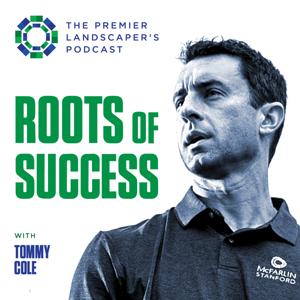


Finding talent for the green industry is challenging. People are often not on LinkedIn, the local talent pools are shallow, the job titles mean different things at every company, and most owners are too busy to run a real hiring process. In this roundtable episode of Roots of Success, host Barrett Chow sits down with McFarlin Stanford's recruiting team — Ben Krocheski, Colin Adams, and Iden Bradaranhagh — to pull back the curtain on what green industry-specific recruiting actually looks like. From intake calls and relocation conversations to closing landmines and real placement success stories, this episode is for you.
THE BIG IDEA:
Start Searching Beyond Your Backyard
KEY MOMENTS:
[01:00] Why Recruiting Is Particularly Challenging in the Green Industry: Location and Shallow Talent Pools[04:30] Geographic Competition: When You've Already Interviewed Everyone in a 25-Mile Radius [07:00] How Core Values Become the Foundation of Every Hiring Decision [10:00] Relocation Candidates: Why Most Owners Dismiss Them — and Why They Shouldn't [13:30] Building the Relationship With the Client Throughout the Search — Not Just at the Start [16:30] Learning From Successful Placements and Building That Criteria Into Future Searches [19:30] Proactive Placements: Presenting Qualified Candidates Even When a Role Isn't Posted [23:30] Don't Confuse the Candidate: Interview Them for the Role You Brought Them In For [26:30] Success Story 2 (Ben): Back Office Chaos in Dallas — One Hire, Three More Roles Unlocked [30:00] The Matchmaking Advantage: Using Past Placements to Guide New Searches
Questions we answer:
Why is recruiting in the green industry harder than in most other industries?
How do I find qualified candidates when LinkedIn isn't where landscape professionals hang out?
What does "right fit" actually mean — and how do you evaluate it during a search?
Should I consider relocation candidates, and how do I handle the cost and risk?
What's the difference between working with a green industry-specific recruiter and a general one?
How does the intake process work — and what should I be prepared to share?
What can I do to make my company more attractive to top candidates?
What are the most common mistakes companies make during the hiring process?
How do I avoid misaligning on compensation at the offer stage?
When is the right time to reach out to a recruiting partner?
What kinds of roles is outside recruiting best suited for?
How do I get started with McFarlin Stanford Recruiting?
Control can look a lot like leadership. But it's control. In this episode of Roots of Success, McFarlin Stanford facilitator Kevin Keim tackles one of the most expensive blind spots in the landscape industry: owners who have accidentally trained their teams to wait for permission on everything. Kevin walks through what real delegation looks like versus abdication, a four-part framework for transferring genuine ownership, and five questions that reveal exactly where you are the bottleneck, so you can start removing yourself from the day-to-day before it removes you from the work that matters.
THE BIG IDEA: Create the Systems so you are no longer the system
KEY MOMENTS:
• [00:30] Welcome — Kevin Keim Introduces the Owner's Blind Spot: You're the Bottleneck [01:00] The Pattern: Your Team Is Behaving Exactly the Way You Trained Them [03:00] Delegation vs. Abdication: The Distinction That Changes Everything [04:15] The Four-Part Delegation Framework: Outcome, Ownership, Authority, Accountability [06:30] Outcome vs. Process: Why the Path Matters Less Than the Result [08:00] Five Diagnostic Questions Every Owner Should Ask Themselves [10:30] Question 3 — What Information Exists Primarily in My Head? [12:00] Bundled Services, Flat Fees, and Sales Thresholds: Creating Systems That Eliminate the Ask [13:30] "Buy Back Your Time": Technology, SOPs, and Training as Long-Term Investments [15:00] "Create Those Systems — and You Are No Longer the System"
Questions we answer.
• How do I know if I'm actually the bottleneck in my own company?
• What's the difference between delegation and abdication — and why does it matter?
• What does real delegation sound like when you hand off a task or responsibility?
• What is the outcome / ownership / authority / accountability framework and how do I use it?
• How do I stop accidentally training my team to wait for my permission?
• Is it ever okay to give feedback on how someone completed a task — even if the outcome was right?
• What's the best way to capture tribal knowledge that only lives in my head?
• How do I set up systems that let my team make decisions without coming to me first?
• What thresholds or guardrails should I set so my team knows when they don't need my approval?
• If I disappeared for two weeks, what would that reveal about my business?
• How do I start removing myself from day-to-day operations without everything falling apart?
The best salespeople don't just fill a pipeline; they close it, and then they hand it off well. In Part 2 of this Roots of Success conversation, host Chris Psencik and Melissa Blake of Bates Landscaping break down why deep association involvement beats showing up once a quarter, how to ask discovery questions that make clients reveal exactly what they need and what a real multi-year follow-up strategy looks like. If you are looking to know when to renew contracts (hint: when the property looks incredible), and how to hand off a new account without losing momentum, then tune in for this tip-filled episode.
THE BIG IDEA: Nothing Happens Until Something Sells — and Nothing Stays Won Without a Clean Handoff
KEY MOMENTS:
[02:00] CAI, Chamber of Commerce, and How Melissa Chooses Where to Get Involved [05:30] Knowing Your ICP: Why Narrowing Down Who You Serve Tells You Where to Be [08:30] The Snow Pile Story: Why Surface-Level Problems Are Never Really About the Surface [11:30] Post-Proposal Follow-Up: Hand-Delivering the Contract and Setting the Next Conversation [15:00] The Three-Year Bid She's Still After — and Why She's Not Giving Up [19:00] Contract Renewal Timing: Renew When the Property Looks Its Best [22:00] The Plan First: Make Your Target List, Work the List, Stay on It [25:30] The Weekly One-on-One: Accountability, Not Just Activity Tracking [30:00] Arm Your People With the Vision: Nothing Happens Until Something Sells
Questions we answer.
How do I get real value out of industry associations — not just show up and collect business cards?
What does it mean to be genuinely engaged in an association, and how does that translate to new business?
How do I run a discovery conversation that gets a property manager to open up about their real pain points?
What questions should I be asking on an initial property walk?
What does a smart post-proposal follow-up strategy look like?
How long should I keep pursuing a prospect that hasn't said yes?
When is the right time of year to renew maintenance contracts?
How do I coach and hold accountable a new business developer I want to hit $1M in new contracts?
What habits separate elite business developers from average ones?
What does a 30-60-90 handoff to the operations team look like — and why does it matter?
How do I get my sales team excited about and aligned with the company's vision?
Melissa Blake, with Bates Landscaping, looks at a laminated sheet listing her dream clients, and she carries it with her every single day. In Part 1 of this conversation, host Chris Psencik and Melissa dig into what commercial maintenance business development actually looks like on the ground. It's time-blocking your week into create, advance, and close new clients, and using LinkedIn to get ahead of relationship changes. She also shares how she knows when to walk away from a prospect and when to never give up. This is a real, specific, steal-it-today conversation about the front half of the commercial sales cycle.
THE BIG IDEA:
A Laminated List, a Blocked Calendar, and a CRM: The Unglamorous Infrastructure Behind Elite Commercial Sales
KEY MOMENTS:
[02:00] Bates Landscaping: Chester Springs PA, HOA-Focused, Commercial Snow and Maintenance [06:30] What You Don't See: The 3, 6, and 12 Months of Work Behind Every New Contract [09:00] The Laminated Target List: How Melissa Starts Every Year With a Strategic Hit List [12:00] When to Slow Down — and When to Never Give Up on a Prospect [17:00] Vetting Prospects: How to Build a Target List That Matches the Company Vision [20:30] Handling Inbound Leads That Aren't the Right Fit — Professionally [24:30] Getting in Front of Decision-Makers Before You Submit [25:30] "Compared to What?" — How Melissa Responds When She's the High Bid
Questions we answer.
What does a commercial maintenance business developer actually do with their time each week?
What is the create / advance / close framework and how do I apply it to my own schedule?
How do I build an annual target list — and how specific should it be?
What's the best way to track prospects, touchpoints, and pipeline without losing the personal touch?
How do I know when to keep pursuing a prospect and when to pull back?
What's the difference between a hunter and a farmer — and why does it matter for how I structure my team?
Should my account managers also be developing new business? Where's the line?
How do I qualify inbound leads without burning bridges with prospects who aren't the right fit?
How do I make sure I'm not just another line on the page when responding to an RFP?
What's the right way to respond when a prospect tells you you're the highest bid?
Every growing landscape company hits a wall. The owner is doing sales, operations, and admin all at once and the business starts to cap out. In this episode of Roots of Success, McFarlin Stanford Founding Principal Jason New breaks down one of the most common owner blind spots: not having a hiring roadmap. Jason walks through exactly which roles to separate and when: from the first split between sales and operations at $3–5M, to the construction and maintenance-specific roles that unlock $10M and $15M. This episode is practical, specific, and built on McFarlin Stanford's experience working with hundreds of landscape companies.
THE BIG IDEA: The Hats You're Still Wearing Are Probably the Reason You've Stopped Growing
KEY MOMENTS:
[00:45] The Core Problem: Owners Do Everything — Sales, Operations, Admin — and Eventually Hit a Wall
[02:30] The First Separation: Who Manages the Work You're Selling?
[03:00] The $3M–$5M Playbook: First Operational Hire, First Office Manager
[05:30] From $5M to $10M: Separating the Roles More Deliberately
[06:00] Construction at $10M: Design/Build Salesperson, Project Manager, and Field Superintendent
[07:30] Maintenance at $10M: Business Developer, Operations/Production Manager, and Account Manager
[10:00] Finance at $10M: Why Your Office Manager Can't Scale With You Forever
[11:30] From $10M to $15M: New Specialty Roles That Start to Emerge
[14:30] Maintenance Leadership at Scale: Why You Need a Division Manager Earlier Than You Think
[16:00] The Ask: Think in Three-Year Windows, Not Just the Next Hire
Questions we answer.
How do I know when it's time to hire my next person?
What's the first role I should separate when I'm trying to get out of doing everything myself?
What does a $3M–$5M landscape company org structure look like?
How does the team structure need to change going from $5M to $10M?
What's the difference between a project manager, field superintendent, and account manager?
Why does a maintenance company need a division manager at a lower revenue threshold than construction?
What does a business developer actually do — and is it a full-time role?
When does it make sense to hire an estimator vs. having salespeople estimate their own work?
What does a finance manager or controller do that an office manager can't?
How do I build a three-year hiring roadmap instead of just reacting when things break?
What are the most common hiring mistakes owners make as they scale from $5M to $15M?
Investing in your team and leveraging their strengths really does pay off. In this episode of Roots of Success, Tracy Wallingford sits down with Steve and Anne Scarcella, ACE Ambassadors of the Year and co-owners of Brothers Lawn Services in Youngsville, Louisiana, to walk through three years of CliftonStrengths work, annual team off-sites, and what it actually takes to build a 65-person team where people thrive in their strengths instead of grinding through their weaknesses. This is one of the most honest and practical conversations we've had about what real team development looks like, not as a program, but as a practice.
THE BIG IDEA:
A Strength Is Only an Advantage When You're Aware Enough to Use It Intentionally
KEY MOMENTS:
[01:00] Brothers by the Numbers: 65 Employees, a Second Division in Baton Rouge, and a Team You Actually Want to See Every Day
[05:30] Opposites Attract — and Then They Build a Business Together
[07:30] Steve's Activator in Action: How a High-Speed Strength Gets Slowed Down (in a Good Way) by the Team
[11:00] What Led Brothers to Do Their First Team Off-Site — and What Off-Sites Expose
[15:00] Anne on Planning: Start in October, Find the House First, Build From There
[18:30] Budget, Dietary Restrictions, and the Art of Planning for 20 People (Without Herding Cats)
[22:30] "I've Been Seen": What the Team Took Away From That First Session
[26:30] A Strength Can Be a Weakness: Steve on Competition as a Blinder
[31:00] Navigating Tenured Employees Who Were Skeptical of the New Language
[34:30] Why They've Done the Strengths Session Twice With Nearly the Same People and Both Times Were Worth It
[38:00] Going Mobile: Why the Best One-on-Ones Don't Happen in an Office
Questions we answer.
What is CliftonStrengths and how do you actually use it with a landscape team?
What does it look like to take strengths work beyond a single session and make it a living practice?
How do you build a team off-site that's both fun and actually beneficial to the business?
When should you start planning a team off-site, and what should you think about first?
Why does staying together (not in a hotel) change the off-site experience?
How do you bring a vendor or peer visit into a team off-site without it feeling forced?
What is the "What I Need From You" exercise and how do you use it?
How do you handle long-tenured employees who are skeptical of new culture initiatives?
Why is knowing each other's strengths more important than having a specific set of them?
How do you keep strengths language alive between sessions and off-sites?
What does it look like to build a company the right way — not the fastest way? In this episode of Roots of Success, host Chris Psencik reconnects with one of his oldest friends in the industry, Kyle Cahill, founder of Grown Company in Houston and newly elected Chair of the Texas Nursery and Landscape Association (TNLA). Kyle shares the full story: launching a company two weeks before his first daughter was born, losing $5,000 on his first big job, running the business out of his driveway, and eventually earning recognition as one of Houston's top family-owned businesses. From talent retention and strategic planning to water legislation and the future of the green industry in Texas, this conversation covers the full picture of what it means to build something that lasts.
THE BIG IDEA:
Being Present Matters More Than Being Impressive
KEY MOMENTS:
[03:30] Growing Up in Beaumont, Mowing Yards, and Discovering Horticulture at Texas A&M
[08:30] Early Leadership Lessons at Southern Botanical: You Get to Make That Mistake Once
[10:00] The Value of Certifications, TNLA Committees, and Emotional Intelligence Early in Your Career
[14:30] The Role of Kyle's Wife Susanna: Faith, Sacrifice, and the Real Foundation of the Company
[21:00] Houston's Family-Owned Business of the Year: What That Award Really Meant
[25:30] The Biggest Concern: The Talent Pipeline
[30:30] Newly Elected Chair of TNLA: What It Means and What He Plans to Do
[37:00] Growing TNLA Membership: Meeting Landscape Firms and Growers Where They Are
[40:30] Most Underrated Leadership Trait: Consistency
Questions We Answer
Why do horticulture programs at universities like Texas A&M matter to the future of the green industry?
What advice would you give someone considering a career in landscaping or horticulture?
What does it really look like to launch a business with no clients, no office, and a baby on the way?
How do you have the conversation with your spouse about stepping into entrepreneurship?
What were the hardest moments in the early years of building a company from scratch?
How do you balance being a business owner with being a present husband and father?
How does Grown Company maintain 70%+ frontline retention year after year?
What does it mean to build a team that doesn't need you for every decision?
What excites you most about the green industry in Texas right now — and what concerns you?
Forty hours. Fifty. Sixty. Somewhere along the way, "busy" became something to brag about. But what if the busyness isn't a sign of hard work or it's a sign of the wrong habits? In this episode of Roots of Success, host Kevin Keim sits down with Dauphin Ewart, a McFarlin Stanford PACE facilitator and second-generation owner of BugMaster, an 80-person pest control company in Texas, to break down the five most common mistakes that keep driven people perpetually overwhelmed. These aren't theories. They're lessons Dauphin learned the hard way running his own company for over 20 years, and every one of them will sound familiar.
THE BIG IDEA:
Busyness Is a Choice and So Is the Way Out
KEY MOMENTS:
[02:30] Running an 80-Person, Four-Market Pest Control Company — and Why This Topic Is Personal [07:30] How Making the Box Smaller Forces You to Put the Right Things In It [09:00] Dauphin's Defining Moment: When He Decided to Start Managing His Time Intentionally [14:30] How Motion (Not Progress) Creates Chaos and Distraction for Your Team [16:30] Why AI Has Made the Motion vs. Progress Problem Worse [18:00] Dauphin's Daily Practice: Three Outcomes Before You Open Your Email [21:00] Delegating the Outcome vs. Delegating the Steps — and Why It Changes Everything [23:00] "The Other Way Probably Works Just as Well" — Protecting Brand Without Bottlenecking [26:00] Mistake 4 — Being the Bottleneck and Calling It Leadership [33:00] Mistake 5 — Mistaking Urgency for Importance [34:30] How Inbox Reactions and Chance Urgency Derail Your Real Priorities[37:00] Are You Driving Strategy — or Driving Trucks to the Mechanic? [39:00] Kevin's Favorite Quote: "No One's Ever Cornered the Market on Bus"
QUESTIONS WE ANSWER
What separates the companies people want to work for from the ones they can't wait to leave? In this episode of Roots of Success, host Chris Psencik sits down with Ryan Malone of Malone's Landscape in Seattle, Washington — a second-generation owner, ACE Chairman member and endurance athlete — to talk about one of the most important assets in a growing company: culture. From monthly culture rallies and the Beast Mode award to a bilingual onboarding program and a weekly team newsletter, Ryan shares the real, repeatable traditions that have helped Malone's become a destination workplace. If your team feels stagnant or your retention is slipping, this episode is your playbook.
THE BIG IDEA:
Intentional Culture Is Your Biggest Competitive Advantage
KEY MOMENTS:
[01:30] Ryan's Background: From Collegiate Baseball to Second-Generation Owner [04:00] Why Culture Gets Left Behind — and Why It Shouldn't [07:00] Culture Rallies: Getting Construction and Maintenance on the Same Team [10:00] What Ryan Has Stolen (and Improved) From ACE Peer Group Members [12:00] Building Trust Through Consistency: The Culture Committee [14:00] How the Culture Committee Is Structured, Who's On It, and How It Runs [16:00] Becoming a Destination Workplace — and What That Actually Means [21:00] Bilingual Onboarding: How Myra Bridged the Gap for Field Teams [23:00] The Weekly Team Newsletter — What's In It and Why It Works [27:00] Selling Value at a Premium: How Culture Justifies Top-of-Market Pricing [29:00] Leadership Action Steps: Three Things to Start Right Now [33:00] From Operator to Owner: Ryan's Biggest Lesson [34:00] Final Advice: Join a Peer Group and Fail Forward
QUESTIONS WE ANSWER
How do you build a strong company culture in a landscaping business?
What are some real traditions that create team engagement and retention?
How do you fix the construction vs. maintenance divide at company events?
What should a culture committee look like, and who should be on it?
What are the most common onboarding mistakes — and how do you fix them?
How do 30-60-90 day check-ins improve new hire retention?
How do you communicate core values consistently across a growing team?
What should a weekly team newsletter include?
How does a strong culture help you justify premium pricing with clients?
What's the best advice for a second-generation owner stepping into a family business?
How do you avoid letting culture initiatives go stagnant over time?
What does "fail forward" actually mean in practice for a business owner?
Most business owners think they're great communicators until things fall apart. In this roundtable episode of Roots of Success, host Chris Psencik is joined by McFarlin Stanford coaches Kevin Keim and Tracy Wallingford to tackle one of the most common and costly problems in growing landscaping companies: communication breakdowns. From choosing the right tools and building meeting cadences, to mastering one-on-ones and leveraging CliftonStrengths, this episode is packed with practical strategies to help you lead more intentionally, retain your best people, and serve your clients better.
THE BIG IDEA:
What You Say Isn't Always What They Hear
KEY MOMENTS:
[02:00] The #1 Communication Problem in Growing Companies [05:00] Why Choosing the Right Communication Channel Matters [08:00] Technology, Remote Work & Communication Evolution [12:00] What Communication Systems Actually Work for Field Teams [15:00] The Sales-to-Production Handoff and How to Nail It [16:00] One-on-Ones: Strategy, Structure & Why They're Non-Negotiable [20:00] Reactive vs. Proactive: Tactical vs. Strategic Conversations [24:00] How the Customer Experience Suffers When Communication Breaks Down [28:00] The Telephone Game with Clients — and How to Fix It [30:00] How Do You Know If You Have a Communication Problem? [33:00] Global Employee Engagement Is at a 5-Year Low — What That Means for You [36:00] Introduction to CliftonStrengths & the Philosophy Behind It [40:00] Case Study: Coastal Greenery's Strengths Journey
QUESTIONS WE ANSWER
What is the #1 communication mistake business owners make?
How do I choose the right communication channel for my team?
What tools and systems should growing landscaping companies use for internal communication?
How should I run a one-on-one with my employees—and why does it matter?
What's the difference between a tactical hallway conversation and a strategic one-on-one?
How does poor communication hurt the customer experience?
How do I know if my company has a communication problem?
What is CliftonStrengths and how does it apply to leadership and communication?
What does a real-world strengths implementation look like for a landscaping company?
How do I empower my team to bring solutions instead of just problems?
From the publisher's feed

4,377 Listeners
1,340 Listeners
579 Listeners

45 Listeners
1,125 Listeners
1,170 Listeners
163 Listeners
197 Listeners
109 Listeners
39 Listeners
42 Listeners

11 Listeners
21 Listeners
0 Listeners
14 Listeners