
Sign up to save your podcasts
Or


In this episode, I answer a question from Melissa about children who are possessive of their things and struggle with sharing. I explain why phrases like "that's mine" are often tied to power and control, and why this behavior is also developmentally appropriate, especially for younger children. Kids only have control over a few areas of their lives, so when they feel powerless, they grab control wherever they can — including toys and people. Understanding this helps parents respond without frustration or shame.
I walk through how to use reflection of feeling, choice giving, and clear limits to support sharing in a child-centered way. Instead of forcing compliance, these tools return a sense of control to the child while still teaching turn-taking, empathy, and waiting. This episode helps parents see possessiveness not as a character flaw, but as a normal developmental response that can be guided calmly and effectively.
Ask Me Questions: Call (813) 812-5525, or email: [email protected] My Book: Device Detox: A Parent's Guide To Reducing Usage, Preventing Tantrums, And Raising Happier Kids - https://a.co/d/bThnKH9 Podcast HQ: https://www.playtherapyparenting.com/ My Newsletter Signup: https://www.playtherapyparenting.com/newsletter/ My Podcast Partner, Gabb Wireless: https://www.playtherapyparenting.com/gabb/
Common References: Landreth, G.L. (2023). Play Therapy: The Art of the Relationship (4th ed.). Routledge. Landreth, G.L., & Bratton, S.C. (2019). Child-Parent Relationship Therapy (CPRT): An Evidence-Based 10-Session Filial Therapy Model (2nd ed.). Routledge.
 View all episodes
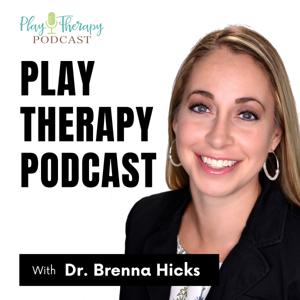
 By Dr. Brenna Hicks

4.8
4949 ratings
In this episode, I answer a question from Melissa about children who are possessive of their things and struggle with sharing. I explain why phrases like "that's mine" are often tied to power and control, and why this behavior is also developmentally appropriate, especially for younger children. Kids only have control over a few areas of their lives, so when they feel powerless, they grab control wherever they can — including toys and people. Understanding this helps parents respond without frustration or shame.
I walk through how to use reflection of feeling, choice giving, and clear limits to support sharing in a child-centered way. Instead of forcing compliance, these tools return a sense of control to the child while still teaching turn-taking, empathy, and waiting. This episode helps parents see possessiveness not as a character flaw, but as a normal developmental response that can be guided calmly and effectively.
Ask Me Questions: Call (813) 812-5525, or email: [email protected] My Book: Device Detox: A Parent's Guide To Reducing Usage, Preventing Tantrums, And Raising Happier Kids - https://a.co/d/bThnKH9 Podcast HQ: https://www.playtherapyparenting.com/ My Newsletter Signup: https://www.playtherapyparenting.com/newsletter/ My Podcast Partner, Gabb Wireless: https://www.playtherapyparenting.com/gabb/
Common References: Landreth, G.L. (2023). Play Therapy: The Art of the Relationship (4th ed.). Routledge. Landreth, G.L., & Bratton, S.C. (2019). Child-Parent Relationship Therapy (CPRT): An Evidence-Based 10-Session Filial Therapy Model (2nd ed.). Routledge.
9,361 Listeners
679 Listeners
3,636 Listeners

825 Listeners

2,528 Listeners

6,432 Listeners

239 Listeners

1,888 Listeners
650 Listeners
474 Listeners
253 Listeners
4,524 Listeners

20,222 Listeners
92 Listeners
266 Listeners