
Sign up to save your podcasts
Or



In this episode of the Parent Companion for Play Therapy series, I explain externalizing behaviors — what they are, why they happen, and how child-centered play therapy helps. Externalizing kids show their distress outwardly through behaviors like yelling, hitting, throwing, running, or melting down. These children are big feelers with intense internal experiences, and their behavior is their way of showing how overwhelmed they feel. They aren't trying to manipulate or get attention — they're trying to get relief from feelings they don't know how to manage yet.
I walk through what happens in the playroom for externalizing children and why CCPT works. Through reflective responding, clear limits when needed, and lots of choice, children slowly develop emotional vocabulary, regulation, and a sense of control. Over time, the extreme highs and lows begin to level out, and children learn to express feelings with words instead of behavior. This episode helps parents understand what externalizing behavior really means and why play therapy supports lasting change.
Ask Me Questions: Call (813) 812-5525, or email: [email protected] My Book: Device Detox: A Parent's Guide To Reducing Usage, Preventing Tantrums, And Raising Happier Kids - https://a.co/d/bThnKH9 Podcast HQ: https://www.playtherapyparenting.com/ My Newsletter Signup: https://www.playtherapyparenting.com/newsletter/ My Podcast Partner, Gabb Wireless: https://www.playtherapyparenting.com/gabb/
Common References: Landreth, G.L. (2023). Play Therapy: The Art of the Relationship (4th ed.). Routledge. Landreth, G.L., & Bratton, S.C. (2019). Child-Parent Relationship Therapy (CPRT): An Evidence-Based 10-Session Filial Therapy Model (2nd ed.). Routledge.
 View all episodes
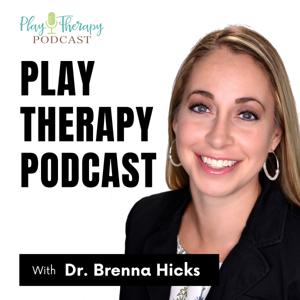
 By Dr. Brenna Hicks

4.8
4949 ratings
In this episode of the Parent Companion for Play Therapy series, I explain externalizing behaviors — what they are, why they happen, and how child-centered play therapy helps. Externalizing kids show their distress outwardly through behaviors like yelling, hitting, throwing, running, or melting down. These children are big feelers with intense internal experiences, and their behavior is their way of showing how overwhelmed they feel. They aren't trying to manipulate or get attention — they're trying to get relief from feelings they don't know how to manage yet.
I walk through what happens in the playroom for externalizing children and why CCPT works. Through reflective responding, clear limits when needed, and lots of choice, children slowly develop emotional vocabulary, regulation, and a sense of control. Over time, the extreme highs and lows begin to level out, and children learn to express feelings with words instead of behavior. This episode helps parents understand what externalizing behavior really means and why play therapy supports lasting change.
Ask Me Questions: Call (813) 812-5525, or email: [email protected] My Book: Device Detox: A Parent's Guide To Reducing Usage, Preventing Tantrums, And Raising Happier Kids - https://a.co/d/bThnKH9 Podcast HQ: https://www.playtherapyparenting.com/ My Newsletter Signup: https://www.playtherapyparenting.com/newsletter/ My Podcast Partner, Gabb Wireless: https://www.playtherapyparenting.com/gabb/
Common References: Landreth, G.L. (2023). Play Therapy: The Art of the Relationship (4th ed.). Routledge. Landreth, G.L., & Bratton, S.C. (2019). Child-Parent Relationship Therapy (CPRT): An Evidence-Based 10-Session Filial Therapy Model (2nd ed.). Routledge.
9,339 Listeners
683 Listeners

3,649 Listeners

834 Listeners

2,541 Listeners

6,436 Listeners

242 Listeners

1,897 Listeners
650 Listeners

474 Listeners
254 Listeners

4,531 Listeners

21,093 Listeners
92 Listeners
271 Listeners