
Sign up to save your podcasts
Or

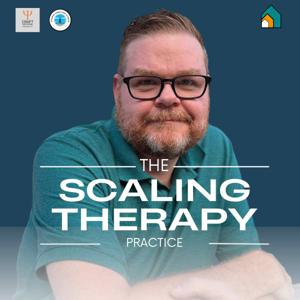


In the latest episode of "Scaling Therapy Practice," James Marland, MBA, delves deep into the transformative power of conferences for therapy professionals. Alongside Lisa Mustard and Dawn Gabriel, they discuss the nuances of choosing the right conference, the art of in-person networking, and innovative marketing strategies for attendees. By tuning in, listeners will gain insights into the essence of boutique vs. clinical conferences, effective marketing techniques for introverts, and the unparalleled value of face-to-face interactions. For a detailed breakdown of the discussion, be sure to view the show notes.
Read the Show Notes and Get the Episode Marketing Download Here
In the latest episode of “Scaling Therapy Practice,” James Marland, MBA, delves deep into the concept of niching down in the therapy business. Joined by co-host Steve Bisson and special guest Ira Hays, LCSW they explore the journey of finding one's niche and the importance of specialization in the therapy field.
Ira Hays shares his transformative journey from working with oppositional defiant youth to specializing in school phobia and OCD. His story underscores the organic evolution of a therapist's niche, often shaped by the challenges they face and the solutions they develop. As Ira puts it, "I spent about four or five years figuring it out... that became my niche." This sentiment is echoed by James, who emphasizes the importance of patience and allowing oneself the time to gravitate towards a specialization naturally.
The conversation shifts to the broader implications of niching down. Steve Bisson highlights the pitfalls of comparison, noting how it can be a "thief of joy." He emphasizes the importance of recognizing one's unique strengths and not measuring oneself against others. Ira adds that confidence in one's niche is built over time, stating, "The more you help... then you're like, okay, now I really have something." Confidence is built after you have the courage to move forward. James Marland underscores the importance of courage in the initial stages of finding a niche. He notes, "You gotta have courage to start and confidence comes after." This is a crucial takeaway for therapists who might be hesitant about specializing, fearing that they might limit their practice.
Finding one's niche in the therapy business is a journey of self-discovery, patience, and continuous learning. It's about recognizing one's unique strengths, addressing specific challenges, and offering specialized solutions. As therapists embark on this journey, they not only enhance their practice but also provide more targeted and effective care to their clients. This episode serves as a valuable guide for therapists looking to carve out their niche and make a meaningful impact in their field.
Unlock the Secrets to Scaling Your Therapy Business with Lead Magnets!
Dive into this enlightening episode and discover:
Don't miss out on these invaluable insights! Visit the show notes page for a step-by-step guide for creating a lead agent.
Hey there, friends! In our world today, there's this cool thing called SEO that helps people and businesses find your mental health services. Sometimes, figuring out SEO can be a bit tricky, but don't worry! In this episode, we're chatting with some awesome folks like Daniel, Steve, Dawn, Lisa, and James. They'll share their stories, the bumps they hit along the way, and the cool tricks they learned to make SEO work for them.
So, SEO isn't just a fancy word; it's like a magic key to help people find you online. Our amazing guests today showed us that learning SEO can make a big difference. It's okay if we make mistakes; what's important is that we keep trying and learning. Whether you're a pro or just curious, today's chat gives us some neat tips about the world of SEO. Always remember, in the online world, it's okay to mess up sometimes. What's cool is how we learn and get better from it! 😊
The focus of season 2 is all about Marketing your Mental Health practice. Also, James explains a technical glitch and the joys of learning new production tech.
In this enlightening episode of "Scaling Therapy Practice," host James Marland, MBA, sits down with the insightful financial strategist, Carla Titus. With a knack for demystifying the financial intricacies of running a therapy practice, Carla shares her expertise to help practitioners navigate the complex path of scaling their businesses without losing sight of their core values.
As you venture into expanding your therapy practice, understanding the unplanned expenses that come with hiring is crucial. Carla Titus sheds light on the often overlooked aspects such as the owner's time spent on recruiting and the financial resources channeled into advertising job postings. She emphasizes the importance of having a structured onboarding process to save time and resources. "You might even spend some money advertising the job posting on LinkedIn or recruiter.com... You still need to onboard and train them. That takes time and effort," Carla notes.
Carla takes us through the journey of comprehending the various revenue streams and the costs associated with delivering services. She highlights the significance of understanding gross margins and how to effectively manage operational expenses. "We start with [revenue] because that is really what's available before we start thinking about the cost that it takes us to have a team or a practice," Carla explains. This section provides a deep dive into financial planning, helping practitioners maintain a healthy balance between revenue generation and expenditure.
Scaling your practice requires a well-thought-out plan that considers potential gaps in the existing team and the roles that need to be filled. Carla advocates for proactive planning to avoid financial strain and ensure a smooth transition during expansion. "By taking a moment to think about that proactively, now you have so much more clarity on when and how many you are going to hire," she remarks. This proactive approach helps avoid financial surprises and fosters clarity in business expansion strategies.
Carla shares invaluable tips for maintaining financial stability during the scaling process. She emphasizes the importance of having a substantial cash runway to cover the initial months when new hires are yet to fully contribute to the business. Moreover, she encourages practitioners to secure a line of credit in advance to avoid financial strain during scaling. "Don't be reactive. Think ahead. Get that line of credit in place if you need it, or as a safety net," Carla advises.
In this episode, Carla Titus has equipped therapy practitioners with the knowledge and tools to scale their practices successfully. From unveiling the hidden costs of hiring to emphasizing proactive financial planning, Carla's insights are a beacon of light in the complex journey of scaling a therapy practice. As you step into the world of expansion, keep these nuggets of wisdom at hand to build a profitable and sustainable business that stays true to its values.
In this enlightening episode of the "Scaling Therapy Practice" podcast, hosted by the adept James Marland, we are joined by the dynamic Brooke Borup, a maestro in business automation and delegation. Brooke, the proud owner of "My Clone Solution," shares her decade-long journey in aiding small business owners to scale and streamline their operations. As someone who has revolutionized the concept of time management in business, Brooke brings a wealth of knowledge to our listeners, especially those keen on elevating their therapy practices to new heights.
Brooke emphasizes the significance of automation and delegation in business. She encourages business owners to utilize available tools to eliminate redundant tasks, thereby freeing up time to focus on core business aspects. "We have been helping small business owners scale... that includes automation and delegation," shares Brooke, highlighting the core mission of her company, My Clone Solution.
James shares a personal anecdote highlighting the importance of having the right tools at one's disposal. He relates his experiences with hard drive limitations and how upgrading his equipment facilitated smoother operations. "Get good equipment... have the right equipment for the job," advises James, a vital tip for those in the therapy field looking to scale their practices.
The conversation shifts to the topic of delegation, a critical component in scaling a business. Brooke shares her expertise on how to effectively delegate tasks, emphasizing the need to identify tasks that do not necessarily require the owner's attention. "We plan for automation, there are delegation tasks that happen... but they don't necessarily need to be done by you, the owner," Brooke elucidates, shedding light on the nuances of effective delegation.
James and Brooke discuss the importance of fostering a work environment where employees feel connected to the company's mission and vision. James notes, "They're going to want to do those things for you... they just feel so connected with the company and the mission and what you're trying to do."
The discussion delves into the leadership aspect of business management. Brooke talks about helping leaders trust the systems they have in place and avoid micromanagement, fostering a healthy work environment. "How do you help leaders get out of their own way?... trust the system that's going to work out," James queries, bringing attention to a common dilemma faced by business leaders.
Brooke highlights the importance of being prepared for employee turnover by having well-documented training materials and processes in place. "You don't have to worry about turnover because you already have all the training already there," Brooke assures, offering a solution to a common concern among business owners.
In this episode, we delved deep into the realms of automation and delegation, two pivotal aspects in scaling a therapy practice. Brooke Borup, with her rich experience and insights, guides business owners on how to navigate the complex yet rewarding journey of business growth. As James aptly puts it, the show is where "we ask you to take small steps towards big growth." Remember, the journey to a successful and sustainable business is a continuous learning process, and as Brooke emphasizes, it's about "using the tools that are available to you to make sure that you're not doing the redundant tasks that something else can do for you." Join us as we continue to explore these themes in the upcoming season, guiding you every step of the way to achieve remarkable growth in your therapy practice.
Welcome to another enlightening episode where your host, James Marland, sits down with the multi-talented Joe Sanok, a seasoned therapist, podcast consultant, and acclaimed author. This dynamic duo dives deep into the art of cultivating audiences - a cornerstone for thriving in the entrepreneurial landscape. Whether you're launching a product, initiating an online course, or more, understanding your audience is key. Let’s explore!
Quotes from the Episode
In this segment, Joe Sanok passionately underscores the importance of fostering an audience before rolling out a product or service. He vividly illustrates the pitfalls of trying to establish an audience post-launch, emphasizing the loss of potential engagement and investment.
Join James and Joe as they shed light on the hazards of overlooking audience development before launching a product. The duo elucidates how this common mistake often results in mismatched products and squandered resources.
Discover the remarkable 'Three P's Process' with Joe as he guides you on how to adeptly identify and cater to your audience's needs. Delve into the methodology that involves insightful interviews with a representative segment of your target audience to pinpoint their pains, product, and pricing expectations.
Joe further elaborates on how this hands-on process can gift you with profound insights into your audience's genuine needs and preferences, setting the stage for creating a product that truly resonates.
Listen as Joe candidly shares the persistent challenges he faces in encouraging therapists to engage with email sign-ups and free resources, offering insights into overcoming these initial hurdles for a successful venture.
Join the conversation about the significant impact of coaching and consulting on a business’s trajectory. Joe shares personal anecdotes on how investment in coaching sculpted his business outlook and strategy, yielding remarkable returns.
Get introduced to the promising Audience Building Academy, a structured six-month initiative crafted meticulously to steer entrepreneurs toward building substantial and engaged audiences. Discover the exciting facets of this program and how to become part of the upcoming cohort.
Learn about the comprehensive approach of the Academy in helping you carve your niche, devise an email course, and position yourself effectively for top media coverage, with a structured infrastructure as the backbone of your strategy.
As we wrap up this insightful session, it's evident that nurturing an audience is the golden key to entrepreneurial victory. Joe Sanok, with his rich experiences and the blossoming Next Level Practice community, exemplifies the boundless potential that lies in mastering audience engagement and fostering vibrant communities.
Send your marketing Questions to [email protected]
Welcome to another episode of "Scaling Therapy Practice" with your host, James Marland, MBA. Today, we have a special guest, Alyssa Avant, a Christian virtual assistant who specializes in assisting authors, speakers, and coaches. Alyssa's journey into the world of virtual assistance began over a decade ago when she was a stay-at-home mom looking for ways to work from home and make an income. Her path led her to ghostwriting, which eventually evolved into providing a range of services to her clients.
Alyssa Avant is a virtual assistant to Christian authors, coaches, and speakers. Alyssa has 15-plus years of experience working with online professionals and business owners. She has helped many authors and to build their online presence from the ground up. As a published author and speaker, she knows what it takes to be successful. She is married to her husband Greg and is mom to three teenagers.
One of the key points Alyssa discusses is the importance of being willing to let go of control when hiring a virtual assistant. Many therapists and business owners are used to handling everything themselves, but growth often requires delegation. Recognizing when and what to delegate can be challenging, but it's essential for scaling your practice effectively.
Alyssa emphasizes the significance of identifying tasks you don't enjoy, even if you're capable of handling them. Delegating these tasks to a virtual assistant can free up your time and reduce stress. She suggests looking at the tasks you procrastinate on the most as a starting point for delegation.
Determining the value of your time is crucial when considering hiring a virtual assistant. While you might be concerned about the cost of outsourcing, comparing the cost to the potential income you can generate during that time can provide valuable perspective. Recognize that your time is a valuable resource that should be used wisely.
Alyssa highlights the importance of aligning your communication style with your virtual assistant. Clear and effective communication is essential for a successful partnership. Discussing expectations regarding communication frequency and preferred methods can help avoid misunderstandings and build trust.
Finally, Alyssa stresses that agreeing on the frequency of communication is vital. Some people prefer regular check-ins, while others may opt for less frequent updates. Finding a communication rhythm that works for both you and your virtual assistant can lead to a more productive and efficient working relationship.
In conclusion, hiring a virtual assistant can be a game-changer for scaling your therapy practice. However, it's essential to consider these five questions and understand your needs and preferences before making this important decision. By doing so, you can ensure a successful partnership that allows you to focus on what you do best while delegating tasks that others can handle efficiently.
If you'd like to explore this topic further and access additional resources, you can find Alyssa Avant's handout on these questions on her website at Alyssa Avant and Company. Additionally, you can connect with Alyssa on Facebook (Alyssa Avant and Company) and Instagram (Christian Business Advantage). Also, take a listen to her Podcast The Christian Business Advantage. Grab her free resource Top-five questions to ask yourself before hiring a virtual assistant. The episode we mentioned in the show is “Top Three Email Service Providers I Recommend.”
Thank you for tuning in to "Scaling Therapy Practice," where we provide valuable insights and strategies to help you grow your therapy practice while maintaining your values and profitability.
SEO Webinar With Danie Fava
Welcome to another episode of Scaling Therapy Practice! I'm your host, James Marland, and today we have a fantastic topic lined up for you. Joining us today is David Hall, a seasoned therapist and practice owner who's here to share valuable insights on how to scale your therapy practice with good policy. We'll be diving into three key policies that can significantly impact the efficiency and success of your practice. Let's get started!
David emphasizes the importance of having a no-show policy in place. As he points out, "One of the policies that I hear a lot is a no-show policy." This policy helps manage client attendance and ensures that your practice remains financially sustainable. Whether it's a cash-based practice or involves insurance, the no-show policy holds clients accountable for their appointments, preventing frequent cancellations. David mentions that some practices overbook to account for no-shows, but he also introduces the idea of a more lenient approach for students and those dealing with unforeseen circumstances.
David highlights the value of having a same-day appointment policy in place. While some clients might request same-day appointments due to urgency, David explains why his practice doesn't offer them. He states, "If someone has that level of urgency, is our setting appropriate for them?" This policy serves as a filter to ensure that clients in crisis receive the most suitable level of care. By directing them to more intensive programs or higher levels of care, the practice maintains a focus on delivering quality treatment.
David delves into the significance of maintaining a strict note policy. He acknowledges that keeping up with notes can be challenging but stresses its importance due to legal, ethical, and financial reasons. David's practice enforces a policy where notes must be caught up by the end of every week and completely up to date by the end of the month. He explains that this policy isn't meant to be punitive but rather to ensure accountability, legality, and efficient financial management.
Here are the action steps you can take based on today's episode:
Today, we had the privilege of learning from David Hall about three essential policies that can greatly impact the success of your therapy practice. The no-show policy holds clients accountable, the same-day appointment policy filters clients to appropriate care levels, and the note policy ensures legal, ethical, and financial integrity. Remember, by implementing these policies, you're not only creating a structured framework for your practice but also prioritizing client care and overall practice success. Thank you for tuning in to Scaling Therapy Practice, and we look forward to sharing more insights in our next episode!
From the publisher's feed

4,586 Listeners
335 Listeners
32 Listeners

49 Listeners

81 Listeners

5,850 Listeners
81 Listeners