
Sign up to save your podcasts
Or

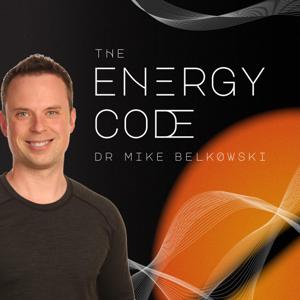

Transcranial photobiomodulation (tPBM) is blowing up in performance culture, but what does the evidence actually say? In this Deep Dive, Dr. Mike Belkowski breaks down a narrative review (7 studies total: 5 human, 2 animal) examining tPBM in sports medicine for performance enhancement and injury prevention. You’ll learn the proposed mechanisms (mitochondrial respiration via cytochrome c oxidase, nitric oxide dynamics, calcium signaling), what the studies report across motor output, cognition, reaction time, grip strength, balance, and TBI recovery, and why the biggest limiter right now is protocol inconsistency + weak controls. The concept is compelling, but the science isn’t ready for absolute claims — especially in TBI.
(Educational content only, not medical advice.)
-
Article Discussed in Episode:
Transcranial Photobiomodulation in Sports Medicine: Enhancing Athletic Performance and Injury Prevention
-
Key Quotes From Dr. Mike:
“If the brain is a performance organ, and it is, then brain energy is a legitimate target.”
“tPBM follows a biphasic response — more is not always better.”
“Treat tPBM as a complement to the real levers: sleep, rhythm, training, nutrition.”
“If the bottleneck is sleep debt and overtraining, no headset can outshine that.”
“The most honest conclusion here is: promising signal, weak standardization, and a field that needs better trials before bold claims.”
-
Key points
tPBM = red/NIR light delivered through the scalp to influence CNS function (PFC, motor cortex, network hubs).
Evidence base is early + small: 7 studies; only 1 double-blind sham-controlled RCT in the set.
Core proposed target: cytochrome c oxidase → ATP support; also NO displacement → better oxygen utilization/redox.
Potential downstream effects: blood flow + signaling (calcium, cAMP/NF-κB) → plasticity/repair pathways.
Some studies show signals in motor output (e.g., finger tapping), and reported changes in reaction time/balance/grip (often uncontrolled).
Cognition/sleep/mood improvements are reported, but many findings are vulnerable to placebo and expectation effects.
Animal TBI models show delayed benefits (days 5–28) and reduced neuroinflammation/synaptic loss.
Best-controlled human trial in persistent post-TBI symptoms found no significant advantage vs placebo after adjustments.
tPBM is biphasic: dose matters; “more” can blunt effects — parameters define outcomes.
Bottom line: tPBM is a promising adjunct tool, not a proven performance or TBI therapy yet; athletes need better trials and standardized protocols.
-
Episode timeline
0:19–1:32 — What tPBM is + evidence reality check (7 studies; early/mixed)
1:32–4:34 — Mechanisms: CCO/ATP, nitric oxide, calcium signaling → plasticity/inflammation
4:34–6:57 — Why it matters for sports + review selection + bias caveats
7:08–9:19 — Motor output signals (finger tapping; grip/balance claims + control issues)
9:19–10:23 — Cognition/sleep/mood: plausible, but often placebo-sensitive
10:23–12:09 — Animal TBI: delayed recovery benefits + anti-inflammatory shifts
12:09–14:20 — Human TBI: impressive case reports vs the sham-controlled null result
14:20–17:14 — Protocol variability + why there’s no standardized “athlete TPBM dose”
17:14–18:35 — Translation challenges (skull thickness, hair, targeting) + safety notes
18:35–23:00 — Bottom line: promising adjunct; not proven; what athletes should do with this info
Dr. Mike's #1 recommendations:
Deuterium depleted water: Litewater (code: DRMIKE)
-
Stay up-to-date on social media:
Dr. Mike Belkowski:
BioLight:
Website
YouTube
 View all episodes
 By Dr. Mike Belkowski

4.8
124124 ratings
Transcranial photobiomodulation (tPBM) is blowing up in performance culture, but what does the evidence actually say? In this Deep Dive, Dr. Mike Belkowski breaks down a narrative review (7 studies total: 5 human, 2 animal) examining tPBM in sports medicine for performance enhancement and injury prevention. You’ll learn the proposed mechanisms (mitochondrial respiration via cytochrome c oxidase, nitric oxide dynamics, calcium signaling), what the studies report across motor output, cognition, reaction time, grip strength, balance, and TBI recovery, and why the biggest limiter right now is protocol inconsistency + weak controls. The concept is compelling, but the science isn’t ready for absolute claims — especially in TBI.
(Educational content only, not medical advice.)
-
Article Discussed in Episode:
Transcranial Photobiomodulation in Sports Medicine: Enhancing Athletic Performance and Injury Prevention
-
Key Quotes From Dr. Mike:
“If the brain is a performance organ, and it is, then brain energy is a legitimate target.”
“tPBM follows a biphasic response — more is not always better.”
“Treat tPBM as a complement to the real levers: sleep, rhythm, training, nutrition.”
“If the bottleneck is sleep debt and overtraining, no headset can outshine that.”
“The most honest conclusion here is: promising signal, weak standardization, and a field that needs better trials before bold claims.”
-
Key points
tPBM = red/NIR light delivered through the scalp to influence CNS function (PFC, motor cortex, network hubs).
Evidence base is early + small: 7 studies; only 1 double-blind sham-controlled RCT in the set.
Core proposed target: cytochrome c oxidase → ATP support; also NO displacement → better oxygen utilization/redox.
Potential downstream effects: blood flow + signaling (calcium, cAMP/NF-κB) → plasticity/repair pathways.
Some studies show signals in motor output (e.g., finger tapping), and reported changes in reaction time/balance/grip (often uncontrolled).
Cognition/sleep/mood improvements are reported, but many findings are vulnerable to placebo and expectation effects.
Animal TBI models show delayed benefits (days 5–28) and reduced neuroinflammation/synaptic loss.
Best-controlled human trial in persistent post-TBI symptoms found no significant advantage vs placebo after adjustments.
tPBM is biphasic: dose matters; “more” can blunt effects — parameters define outcomes.
Bottom line: tPBM is a promising adjunct tool, not a proven performance or TBI therapy yet; athletes need better trials and standardized protocols.
-
Episode timeline
0:19–1:32 — What tPBM is + evidence reality check (7 studies; early/mixed)
1:32–4:34 — Mechanisms: CCO/ATP, nitric oxide, calcium signaling → plasticity/inflammation
4:34–6:57 — Why it matters for sports + review selection + bias caveats
7:08–9:19 — Motor output signals (finger tapping; grip/balance claims + control issues)
9:19–10:23 — Cognition/sleep/mood: plausible, but often placebo-sensitive
10:23–12:09 — Animal TBI: delayed recovery benefits + anti-inflammatory shifts
12:09–14:20 — Human TBI: impressive case reports vs the sham-controlled null result
14:20–17:14 — Protocol variability + why there’s no standardized “athlete TPBM dose”
17:14–18:35 — Translation challenges (skull thickness, hair, targeting) + safety notes
18:35–23:00 — Bottom line: promising adjunct; not proven; what athletes should do with this info
Dr. Mike's #1 recommendations:
Deuterium depleted water: Litewater (code: DRMIKE)
-
Stay up-to-date on social media:
Dr. Mike Belkowski:
BioLight:
Website
YouTube
770 Listeners

364 Listeners
7,205 Listeners

4,986 Listeners
717 Listeners

1,705 Listeners
4,872 Listeners
3,457 Listeners

9,231 Listeners

142 Listeners
1,096 Listeners
1,781 Listeners

840 Listeners
516 Listeners
292 Listeners