
Sign up to save your podcasts
Or

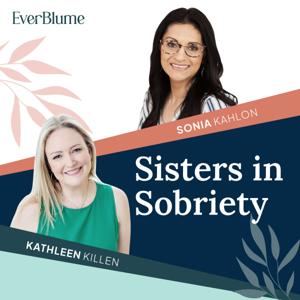


In this episode of "Sisters in Sobriety," Kathleen and Sonia tackle a fear many in recovery face: wondering if all the fun ends when you choose sobriety. Spoiler alert—it doesn't! They dive into how life without alcohol can be more vibrant and full of genuine joy, with the sparkle just beginning.
Kathleen and Sonia chat about how our ideas of fun change in sobriety, what it means to truly thrive, and how to find joy in the little things. They bust some myths about fun in sobriety and share their own experiences. Keywords: sobriety, joy, recovery, genuine connection, vibrant life.
Listeners will pick up tips on discovering the "sparkle of sobriety," redefining what fun means, and making authentic connections. Kathleen and Sonia discuss how to handle social events without drinking, deal with FOMO, and find activities that genuinely interest you.
In the personal story segment, Sonia and Kathleen share how their ideas of fun have evolved since getting sober. They recount memorable, joyful moments and talk about the ups and downs of finding new ways to enjoy life. These stories are relatable and inspiring for anyone on the sober journey.
This is Sisters in Sobriety, the support community that helps women change their relationship with alcohol. Check out our Substack for extra tips, tricks, and resources.
Highlights:
[00:01:26] - Sonia shares Mary Carr’s quote about finding true sparkle in sobriety, setting the tone for the episode.
[00:02:14] - Kathleen explains how sobriety can lead to a vibrant life with genuine joy.
[00:02:31] - Sonia encourages listeners to grab their favorite non-alcoholic drink and get comfortable.
[00:03:00] - Kathleen describes how her definition of fun has evolved since becoming sober.
[00:03:46] - Sonia talks about the clarity and awe that comes with sobriety, sharing her experience with a memorable sunset.
[00:05:01] - Kathleen shares how feeling physically amazing was a turning point for seeing joy in sobriety.
[00:06:16] - Sonia recounts her sober trip to Italy and how it changed her perspective on fun and vacations.
[00:08:15] - Sonia reflects on how her wild and crazy persona was shaped by alcohol and her fear of losing it.
[00:09:51] - Sonia discusses finding real, authentic fun by leaning into things and people she loves.
[00:11:01] - Kathleen talks about how sobriety can boost self-confidence and improve social interactions.
[00:12:13] - Sonia explains how sobriety helps uncover the true self hidden under the influence of alcohol.
[00:13:25] - Kathleen emphasizes the importance of aligning fun activities with personal values.
[00:14:12] - Sonia debunks the myth that alcohol reveals our true selves, sharing her negative experiences.
[00:16:20] - Kathleen describes how sobriety allows for a deeper connection with passions and interests.
[00:17:12] - Sonia suggests looking back to childhood for inspiration on fun activities in sobriety.
[00:19:13] - Kathleen shares how her social life changed drastically after getting sober.
[00:21:35] - Sonia talks about finding joy in spontaneous moments with family, like making a lemon pie with her niece.
[00:23:47] - Kathleen describes her ideal fun weekend now, focusing on nature and exploring new things.
[00:25:34] - Sonia and Kathleen discuss creating new traditions for holidays and celebrations to maintain sobriety and have fun.
Links:
Hosted on Acast. See acast.com/privacy for more information.
In this episode of "Sisters in Sobriety," host Sonia Kahlon is joined by the inspiring Valerie Mason-John, also known as Vimalasara. Valerie is a renowned author and public speaker whose work in the field of addiction and recovery has made a profound impact. Today, Sonia explores Valerie's unique approach to addiction recovery, which blends mindfulness, compassion, and holistic practices. They will be discussing Valerie’s journey, their groundbreaking methodologies, and how these can help listeners on their own sobriety journeys.
Valerie Mason-John (Vimalasara) is the author of several acclaimed books, including "Eight Step Recovery: Using the Buddha’s Teachings to Overcome Addiction" and "Detox Your Heart: Meditations for Emotional Trauma." They are also a public speaker and co-founder of the international Mindfulness-Based Addiction Recovery (MBAR) program. With their extensive background in both addiction recovery and Buddhism, Valerie offers a unique perspective that combines practical strategies with spiritual insights. Their latest book, "First Aid Kit for the Mind: Breaking the Cycle of Habitual Behaviors," continues to provide valuable tools for those seeking recovery.
Throughout the episode, listeners will delve into key questions such as: What are the primary triggers for addictive behaviors? How can mindfulness and meditation be integrated into recovery practices? What role does self-compassion play in overcoming addiction? By addressing these questions, the episode provides valuable insights and practical strategies for listeners on their sobriety journey.
Educational takeaways from this episode include understanding the habit loop of addiction, the importance of creating a personalized recovery plan, and techniques for managing cravings and triggers. Listeners will also learn about the benefits of meditation and mindfulness, and how these practices can support long-term recovery and emotional well-being.
In the personal story segment, Valerie shares their journey from struggling with addiction to becoming a leader in the recovery community. Their candid account of overcoming challenges and finding empowerment through mindfulness and compassion is both moving and motivational. Valerie also discusses how their Buddhist practice has shaped their approach to addiction and recovery, providing deeper insights into the spiritual aspects of their journey.
This is Sisters in Sobriety, the support community that helps women change their relationship with alcohol. Check out our substack for extra tips, tricks, and resources.
Highlights:
[00:01:00] - Introduction to Valerie Mason-John, also known as Vimalasara, author and public speaker with a profound impact on the field of addiction and recovery.
[00:02:00] - Valerie's early life and initial struggles with addiction, including sugar and shoe cleaner.
[00:04:00] - Valerie discussing the challenges of disordered eating and their journey with bulimia and anorexia.
[00:06:00] - The turning point in Valerie's life when they realized the need to seek recovery.
[00:07:30] - Valerie’s experience working with women in rehab and the influence of the Petrasca cycle of change.
[00:09:00] - The beginning of Valerie’s sobriety journey and the role of meditation and mindfulness.
[00:10:20] - Valerie’s one-woman show and how it influenced their recovery from disordered eating.
[00:11:00] - The role of specialized treatment in Valerie’s recovery from disordered eating.
[00:12:30] - Valerie discussing the importance of mindfulness and meditation in their recovery.
[00:13:30] - How Buddhist teachings, particularly the Four Noble Truths, shaped Valerie's approach to recovery.
[00:15:00] - Valerie explaining the concept of “going for refuge” in Buddhism and its impact on their recovery.
[00:17:00] - The significance of letting go in the context of recovery and stopping addictive behaviors.
[00:19:00] - The story of Angulimala and its relevance to addiction recovery.
[00:22:00] - The difference between stopping a thought and spiritual bypassing in recovery.
[00:23:30] - Valerie's perspective on self-love and compassion as critical components of recovery.
[00:25:00] - The importance of addressing childhood conditioning and trauma in the recovery process.
[00:27:00] - Valerie distinguishing between mindfulness and meditation and their interconnection.
[00:30:00] - The realization that the biggest addiction was their own thinking and how to manage stinking thinking.
[00:34:00] - The practice of recognizing thoughts without a thinker and understanding that thoughts are not facts.
[00:40:00] - Valerie explaining the concept of coming home to the body and its significance in recover
Links:
Hosted on Acast. See acast.com/privacy for more information.
Today on Sisters in Sobriety, Sonia and Kathleen dive into the unique challenges and joys of vacationing while maintaining sobriety. They share their personal journeys and practical tips to help you navigate your next getaway with confidence and ease. Whether you're planning a family visit, a beach retreat, or a solo adventure, this episode is packed with insights to support your sober travel experience.
In this episode, Sonia and Kathleen tackle the big questions that come with sober vacationing. How do you handle unexpected triggers? What strategies can you use to maintain your routine? And how do you navigate cultural differences around alcohol consumption? These discussions are crucial for anyone in recovery, ensuring you're well-prepared and supported on your trip.
You'll walk away with practical tips for packing, creating a supportive itinerary, and developing strategies for social situations involving alcohol. The hosts cover essential topics like managing anxiety, setting boundaries, and finding joy in new experiences, all while staying true to your sobriety.
Sonia shares her transformative experience of a trip to Italy booked before her sobriety journey, offering candid insights on navigating wine tours and social pressures. Kathleen recounts her enriching, sober trip to Hawaii, highlighting how sobriety opened up new opportunities for connection and self-care.
This is Sisters in Sobriety, the support community that helps women change their relationship with alcohol. Check out our Substack for extra tips, tricks, and resources.
Highlights:
0:00 - Introduction: Navigating Sobriety on Vacation
Links
Hosted on Acast. See acast.com/privacy for more information.
This week on Sisters in Sobriety, we explore the transformative power of art therapy in addiction recovery. Joining us is Sarah Smith who will guide us through the fascinating intersections of creativity and healing. Sarah is a passionate artist and non-traditional art therapist, owning Soul-Full Art Therapy where she helps individuals explore the wellness benefits of the creative process. Sarah is a member of the Canadian Art Therapy Association (CATA) and has chosen to maintain her focus on art for wellness rather than merging with the College of Registered Psychotherapists of Ontario (CRPO). She facilitates art workshops at Sweet Spot Family Counselling and offers private sessions for individuals seeking a creative outlet for wellness. Her serv
In this episode, we dive deep into the role of art as a therapeutic tool. Key questions we'll explore include: How can art therapy support individuals in their recovery journey? Do you need to be artistically talented to benefit from art therapy? What are some practical ways to incorporate art therapy techniques at home? These discussions will highlight keywords such as "art therapy," "addiction recovery," and "creative healing."
This is Sisters in Sobriety, the support community that helps women change their relationship with alcohol. Check out our Substack for extra tips, tricks, and resources.
[00:00:00] - Sonia introduces the self-paced seven-day reset program designed to help reset your relationship with alcohol.
[00:01:34] - Kathleen shares her initial hesitation about art therapy due to perceived lack of artistic talent.
[00:01:55] - Sarah explains that no artistic talent is needed; an open mind is what counts in art therapy.
[00:02:19] - Sarah describes starting with collage and art journaling for those who feel intimidated by drawing.
[00:02:56] - Sarah recounts her personal story about discovering a recurring heart theme in her artwork during art therapy school.
[00:04:00] - Sarah reflects on how she realized she wasn't paying attention to her own needs, leading to an emotional breakthrough.
[00:05:02] - Discussion about the importance of a non-judgmental, supportive environment in art therapy.
[00:06:06] - Sarah emphasizes that there is no judgment in art therapy and encourages self-expression without self-criticism.
[00:07:13] - Sarah explains the benefits of focusing on the process and feelings rather than the final product in art therapy.
[00:09:16] - Kathleen suggests using art therapy techniques in couples therapy and mindfulness practices.
[00:10:00] - Sarah talks about the art therapist's role in helping clients interpret and understand their artwork.
[00:11:00] - Sarah shares a story about a boy who stopped speaking and how art therapy helped uncover and address his trauma.
[00:12:33] - Kathleen recalls her childhood trauma and how it influenced her drawings, highlighting the subconscious power of art.
[00:14:00] - Sarah discusses the use of repetitive and grounding activities, like mandala drawing, to manage overwhelming emotions.
[00:15:22] - Sarah identifies common challenges clients face when starting art therapy, such as apprehension about their artistic skills.
Links
Hosted on Acast. See acast.com/privacy for more information.
In this episode of "Sisters in Sobriety," Sonia and Kathleen explore the powerful role of art in healing, wellness, and recovery from alcohol use disorder. Joined by Sarah Smith, the compassionate owner of Soulful Art Therapy, the discussion delves into how art therapy can transform lives, providing a unique and effective outlet for emotional expression and long-term sobriety. Today, Sonia and Kathleen will guide you through the fascinating world of art therapy, sharing insights and stories of transformation.
Sarah is a passionate artist and non-traditional art therapist, owning Soul-Full Art Therapy where she helps individuals explore the wellness benefits of the creative process. Sarah is a member of the Canadian Art Therapy Association (CATA) and has chosen to maintain her focus on art for wellness rather than merging with the College of Registered Psychotherapists of Ontario (CRPO). She facilitates art workshops at Sweet Spot Family Counselling and offers private sessions for individuals seeking a creative outlet for wellness. Her services are not a replacement for therapy and are not covered by insurance, serving instead as a tool for healing and recreation.
This episode unpacks the multifaceted role of art as therapy in the recovery process. Key questions addressed include: How can engaging in creative processes provide a powerful outlet for emotions? What are the unique benefits of art therapy compared to traditional talk therapy? How does art therapy support long-term sobriety and emotional well-being? Through these discussions, listeners will gain a comprehensive understanding of how art therapy can be a vital tool in their recovery journey.
Listeners will learn about the core concepts of art therapy, including its ability to foster self-awareness, emotional expression, and healing. The episode highlights how art therapy can address common misconceptions and explains how the creative process can help individuals regain a sense of control and manage their emotions effectively. Sarah shares practical insights and examples of art therapy in action, demonstrating its therapeutic impact and the potential for profound personal transformation.
Sarah shares a touching story from her practice about a man who initially resisted art therapy but ultimately experienced a significant emotional breakthrough. This powerful narrative illustrates the deep impact art therapy can have, revealing underlying emotions and facilitating healing in unexpected ways. Through Sarah’s compassionate guidance, this story serves as a testament to the transformative power of art in recovery.
[00:01:34] - Kathleen discusses the role of art as therapy in recovery, exploring its benefits in providing an outlet for emotions and supporting long-term sobriety.
[00:02:03] - Sarah introduces her sidekick, Louie the dog, who might be heard snoring during the episode.
[00:02:31] - Sarah shares her background, how she became an art therapist, and her journey from being an artist to discovering art therapy.
[00:04:10] - Sarah explains why she chose to practice art for wellness rather than merging with the College of Psychotherapists.
[00:04:38] - Sarah defines art therapy and explains how it differs from other forms of therapy.
[00:05:30] - Discussion on common misconceptions about art therapy, such as it being child's play or requiring artistic skill.
[00:07:00] - Kathleen and Sarah discuss the judgment people face in school art classes and how it impacts their willingness to engage in art therapy.
[00:08:12] - Sarah explains how art therapy can help people in addiction recovery by providing a sense of control and a healthy outlet for emotions.
[00:09:13] - Sarah talks about the unique elements of art therapy that make it effective for those dealing with addiction, such as self-expression and emotional release.
[00:10:13] - The importance of the process and how art holds the space for individuals, helping to lighten their emotional load.
[00:11:00] - Sonia shares her experience with photography as a form of art therapy during her sobriety journey.
[00:12:59] - Sarah explains the various art mediums used in art therapy and how they are chosen based on individual needs.
[00:15:00] - Discussion on how the process of creating art, rather than the finished piece, is essential in art therapy.
[00:17:06] - Sarah describes the typical process of an art therapy session, including grounding exercises and personalized art directives
[00:20:09] - Sarah explains that the art therapy process for those in recovery is the same but tailored to individual needs, addressing physical, emotional, and mental aspects.
[00:21:00] - Discussion on how creating art helps people process their emotions by shrinking them to a manageable size.
[00:22:00] - Sarah shares a powerful story about an inpatient unit participant who found emotional release and self-discovery through art therapy.
[00:29:00] - Sarah discusses how art therapy addresses trauma and severe anxiety, commonly associated with addiction, by providing a healthy escape and emotional management.
Links
Hosted on Acast. See acast.com/privacy for more information.
In this episode of "Sisters in Sobriety," Sonia and Kathleen continue their insightful discussion on mindfulness and its vital role in the recovery process. Today, they delve deeper into practical mindfulness techniques and guide listeners through a mindful meditation practice designed to foster grounding and mindful decision-making.
Expect a comprehensive exploration of mindfulness, addressing key questions such as: How can mindfulness be effectively integrated into daily life? What are common challenges in starting a mindfulness practice? How can group settings enhance the practice of mindfulness in recovery? These questions set the stage for a rich discussion filled with practical advice and personal experiences.
Kathleen and will educate listeners on several mindfulness concepts, including the "SOBER" meditation technique, urge surfing, and grounding exercises. She will also discuss the importance of starting small and gradually building a mindfulness routine. Key terms such as "mindfulness," "grounding techniques," and "urge surfing" will be thoroughly explored.
Sonia shares how the guided meditation has transformed her understanding of mindfulness. She discusses the challenges she faced with traditional silent meditation and how Kathleen's guidance has provided the support she needed to stay focused and present.
This is Sisters in Sobriety, the support community that helps women change their relationship with alcohol. Check out our Substack for extra tips, tricks, and resources.
Highlights:
[00:02:43] - Kathleen introduces the SOBER meditation technique.
[00:03:02] - The first step: Stop, pause, and take a deep breath.
[00:03:25] - The second step: Observe thoughts and feelings without judgment.
[00:04:19] - Observing physical sensations and surroundings.
[00:05:00] - The third step: Breathe deeply and slowly to calm the mind.
[00:05:14] - The fourth step: Expand awareness to include all observations.
[00:06:00] - The fifth step: Respond mindfully to the situation or set an intention.
[00:07:08] - Sonia shares how guided meditation was helpful for her.
[00:08:21] - Kathleen addresses common misconceptions about mindfulness.
[00:09:15] - Discussing the benefits of group mindfulness sessions in recovery.
[00:10:25] - Kathleen explains common challenges when starting mindfulness practices in sobriety.
[00:11:43] - Kathleen emphasizes starting small with mindfulness practices.
[00:12:10] - Techniques like urge surfing are explained.
[00:13:26] - Discussing the importance of grounding techniques.
[00:14:22] - Best practices for mindfulness when feeling overwhelmed or in a crisis.
Links
Hosted on Acast. See acast.com/privacy for more information.
In this episode of Sisters in Sobriety, Sonia tackles the timely topic of staying sober while on vacation. She dives deep into how to keep your recovery journey strong, even when you are sipping mocktails poolside. Whether you're facing social gatherings, airport temptations, or hotel happy hours, Sonia will help you pack your bags with tools and confidence for your next trip.
Listeners will learn how to identify and avoid triggers in various vacation settings, the importance of planning and setting boundaries with travel companions, and engaging in sober-friendly activities. Sonia emphasizes the benefits of staying engaged in activities that do not involve alcohol, helping you to appreciate your vacation spot better and maintain your sobriety.
This is Sisters in Sobriety, the support community that helps women change their relationship with alcohol. Check out our Substack for extra tips, tricks, and resources.
Highlights:
[00:01:15] - Listener Question: Jill from Houston asks about staying sober at an all-inclusive resort.
[00:01:38] - Temptations on Vacation: Discussion on the various temptations one might face while on vacation.
[00:02:00] - Common Triggers: Exploring common settings where triggers for drinking might appear.
[00:02:20] - Social Gatherings: Tips on managing social gatherings that involve alcohol.
[00:02:41] - Airports: How to handle the stress and accessibility of alcohol in airports.
[00:03:00] - Hotels: Managing the availability of alcohol in hotels and during happy hours.
[00:03:04] - Planning Ahead: Importance of having a plan for social situations where alcohol is present.
[00:03:21] - Sober-Friendly Destinations: Choosing vacation spots that support sobriety.
[00:03:39] - Travel Companions: The importance of traveling with supportive people.
[00:04:01] - Engaging in Sober Activities: Planning activities that don't involve alcohol to stay engaged.
[00:04:21] - Mental Preparation: Preparing mentally for the presence of alcohol in airports.
[00:04:35] - Alternative Relaxation Spots: Finding quieter zones in airports to avoid bars and lounges.
[00:04:57] - Alcohol-Free Accommodations: Requesting alcohol-free rooms in hotels.
[00:05:16] - Avoiding Happy Hour: Planning activities during happy hour times to avoid temptation.
[00:05:39] - Communicating Sobriety: Tips on explaining your sobriety to travel companions.
[00:06:14] - Setting Boundaries: Importance of setting and maintaining boundaries with companions.
[00:07:00] - Sober Activities: Ideas for engaging in sober activities while on vacation.
[00:08:00] - Overcoming FOMO: Strategies to handle the fear of missing out when others are drinking.
[00:10:25] - Enhanced Engagement: Benefits of engaging fully with your environment while staying sober.
[00:11:51] - Playing the Tape Forward: A technique to visualize the consequences of drinking.
Hosted on Acast. See acast.com/privacy for more information.
In this episode of "Sisters in Sobriety," Sonia and Kathleen explore the transformative power of mindfulness in the recovery journey. They will delve into how mindfulness can help manage stress, recognize triggers, and cultivate a sense of peace and stability, all of which are crucial for long-term sobriety.
Join the discussion as Sonia and Kathleen unpack the concept of mindfulness. What does mindfulness really mean? How can it be integrated into daily life and recovery efforts? They will answer these questions and more, providing valuable insights into emotional regulation, improving focus, and fostering a deeper connection with your inner self.
Listeners will learn about the key principles of mindfulness and its significant impact on both physical and mental health. The episode will cover how mindfulness helps in recognizing triggers, managing stressors, and creating a calming effect. Non-judgmental awareness, present moment focus, and mindfulness techniques for managing cravings and emotional triggers will be discussed.
Kathleen shares her personal journey with mindfulness, from her initial intimidation to integrating it into her daily life through yoga and meditation. Her story highlights how mindfulness has helped her manage ADHD, anxiety, and depression, providing a relatable and inspiring example of its benefits. Tune in to hear more about how mindfulness has transformed her life and can potentially transform yours too.
This is Sisters in Sobriety, the support community that helps women change their relationship with alcohol. Check out our Substack for extra tips, tricks, and resources.
Highlights:
[00:01:06] - Kathleen talks about the importance of mindfulness and her excitement for the topic.
[00:01:33] - Sonia shares a personal story about running for the first time in years and the impact on her physically.
[00:02:07] - Discussion on the concept of mindfulness and its relevance in a fast-paced world.
[00:02:27] - Kathleen outlines the key principles of mindfulness and its benefits in recovery.
[00:03:00] - Kathleen introduces Jon Kabat-Zinn and his definition of mindfulness.
[00:04:14] - Sonia shares her initial struggles with understanding and practicing mindfulness.
[00:05:02] - Kathleen defines mindfulness in her own words as being fully present in the here and now.
[00:05:21] - Kathleen talks about integrating mindfulness into her life through yoga.
[00:06:47] - Kathleen shares her experience with meditation during her yoga teacher training in Mexico.
[00:08:00] - Discussion on how mindfulness helps manage stress and recognize triggers in recovery.
[00:08:46] - Kathleen explains the physical and mental benefits of mindfulness for those recovering from addiction.
[00:10:07] - Sonia and Kathleen discuss the impact of mindfulness on anxiety and how it helps manage emotional triggers.
[00:11:36] - Kathleen explains how mindfulness allows for mindful choices rather than impulsive reactions to triggers.
[00:12:47] - Kathleen describes the process of observing cravings and urges like waves, emphasizing the temporary nature of these feelings.
[00:14:41] - Sonia talks about her personal experience with cravings and how they typically last about 20 minutes.
[00:16:38] - Discussion on the stages of recovery where mindfulness is especially beneficial, particularly in early sobriety.
[00:18:59] - Kathleen shares how mindfulness reduces symptoms of anxiety and depression by focusing on the present moment.
[00:19:58] - Sonia and Kathleen discuss integrating mindfulness with other forms of therapy and treatment.
[00:25:25] - Kathleen talks about her participation in a mindfulness-based cognitive therapy group and the positive impact of mindfulness research.
Hosted on Acast. See acast.com/privacy for more information.
In this episode of Sisters in Sobriety, Sonia and Kathleen explore the multifaceted world of recovery support, diving deep into the roles of one-on-one coaching, sober companions, and group support systems. They are joined by Alida Flannery. Alida is the Founder of Epiphany Recovery Inc., an organization that provides Recovery Coaching, Companioning, and Case Management services to individuals who are struggling with substance use and disordered eating. She is a Certified Addiction Recovery Coach and Companion, who completed her Intervention training with Earl Hightower in 2018, and has previously worked for several in-patient treatment centres across Canada. Alida is the Co-Founder of SOULBRIETY, a sober collective for women offering retreats, events, and group workshops to those who are sober-curious, sober-exploring and sober-serious. She also works with Amazing Grace Canada, a charity whose mission is to bring recovery to families and communities affected by addiction in developing nations.
Throughout the episode, listeners will hear a broad discussion on the different paths to successful recovery. Key questions include: What is the role of a sober companion in the recovery process? How does one tailor recovery support to meet individual needs? What are some common misconceptions about sober companionship? These questions are dissected, offering a thorough understanding of the nuances involved in each recovery pathway.
Listeners will gain valuable knowledge on the educational aspects of recovery support, such as the importance of a safe transition from rehab to home, the challenges of maintaining sobriety in a familiar environment, and the need for personalized recovery plans.
This is Sisters in Sobriety, the support community that helps women change their relationship with alcohol. Check out our substack for extra tips, tricks, and resources.
[00:01:27] – Alida describes the role of a sober companion, providing support throughout the day.
[00:02:00] – Alida talks about the challenges of returning home from rehab and the importance of having a sober companion during this transition.
[00:03:06] – Discussion on the need to navigate interpersonal relationships and daily challenges after rehab.
[00:03:45] – Alida elaborates on providing support for those who can't leave their lives for extended treatment, such as single parents.
[00:04:22] – Kathleen asks how Alida tailors her companionship to individual clients, and Alida explains her intuitive approach.
[00:05:18] – Alida talks about receiving briefings from families or treatment centers and the importance of the right fit for effective companionship.
[00:07:06] – Alida emphasizes observing and understanding the client's daily routines and interpersonal interactions.
[00:08:00] – Kathleen inquires about common misconceptions of sober companionship, and Alida addresses these.
[00:09:34] – Alida clarifies her role as a motivator, cheerleader, problem solver, and advocate, not a housekeeper or chef.
[00:10:17] – Discussion on the importance of the recovery doing the work themselves for successful outcomes.
[00:12:08] – Alida shares her personal commitment to protecting her own recovery fiercely.
[00:13:14] – Sonia asks Alida to describe a typical day as a sober companion, and Alida explains the variability in her daily routines.
[00:15:17] – Alida highlights the importance of establishing a new recovery routine and lifestyle at home.
[00:17:49] – Alida discusses the challenge of rewiring daily activities that were previously associated with substance use.
[00:19:22] – Establishing a daily routine involving making the bed, nourishing oneself, and incorporating activities like prayer, meditation, and journaling.
[00:20:00] – Alida reflects on the transformational moments and small victories that signify successful recovery.
[00:24:41] – Closing remarks by Kathleen, expressing gratitude to Alida and inviting her for future discussions.
Links
Hosted on Acast. See acast.com/privacy for more information.
In today's episode of Sisters in Sobriety, Sonia and Kathleen are excited to welcome Alida Flannery, a passionate advocate for sobriety and the founder of Epiphany Recovery. Alida brings her unique experience as both a sober companion and recovery coach to the conversation, sharing her inspiring journey from addiction to aiding others on their paths to sobriety. Stay tuned as Sonia and Kathleen delve into Alida's multifaceted approach to recovery.
Alida is the Founder of Epiphany Recovery Inc., an organization that provides Recovery Coaching, Companioning, and Case Management services to individuals who are struggling with substance use and disordered eating. She is a Certified Addiction Recovery Coach and Companion, who completed her Intervention training with Earl Hightower in 2018, and has previously worked for several in-patient treatment centres across Canada. Alida is the Co-Founder of SOULBRIETY, a sober collective for women offering retreats, events, and group workshops to those who are sober-curious, sober-exploring and sober-serious. She also works with Amazing Grace Canada, a charity whose mission is to bring recovery to families and communities affected by addiction in developing nations.
This episode will explore various paths to recovery, including one-on-one coaching, sober companionship, and the benefits of group support. Alida will address key questions like: What are the unique challenges and benefits of each recovery approach? How can someone determine the best recovery path for their individual needs? These discussions will be enriched with Alida's personal insights and experiences, providing a comprehensive look at addiction recovery.
Listeners can expect to gain a deeper understanding of the recovery process, including practical strategies for managing triggers and maintaining sobriety in real-world scenarios. Alida will discuss the importance of creating a supportive environment and how tailored recovery plans can significantly enhance the success of one's sobriety journey.
This is Sisters in Sobriety, the support community that helps women change their relationship with alcohol. Check out our substack for extra tips, tricks, and resources.
Highlights
[00:04:18] - Alida joins the conversation, expressing her gratitude for being part of the podcast.
[00:04:33] - Alida shares her personal journey with addiction and the impact of hitting a profound emotional and physical bottom.
[00:06:44] - Discussion about the pivotal moments that lead to seeking change and the universal nature of pain in the journey to recovery.
[00:07:26] - Alida speaks about the challenges she faced in recovery, particularly the overhaul of her lifestyle centered around substance use.
[00:08:39] - The concept of 'rewiring behaviors' in sobriety is explored, discussing the difficulties of adapting to a sober life.
[00:10:05] - The personal story continues with Alida discussing how recovery coaching and sober companionship work in practical scenarios.
[00:11:57] - Alida discusses the inspiration behind starting Epiphany Recovery, linking her experiences in the corporate and philanthropic worlds.
[00:13:49] - Alida recounts her early experiences as a COVID coach during the pandemic, aiding clients in isolation.
[00:15:20] - Sonia and Alida discuss the integration of personal recovery experiences into coaching methods, stressing authenticity and relatability.
[00:17:15] - The conversation shifts to the importance of not using personal sobriety metrics as a standard for others' recovery.
[00:18:12] - Alida and Kathleen discuss misconceptions about addiction, like not having a DUI meaning you don't have a problem.
[00:20:11] - The discussion touches on the personal lows and the concept of 'slipping faster than lowering standards' in addiction.
[00:22:04] - Alida explains the brain science behind addiction, particularly how substances affect the prefrontal cortex and decision-making.
[00:23:32] - How Alida's approach to recovery has evolved over time, emphasizing a need to stay informed about new methods and therapies.
[00:25:19] - Closing thoughts on resilience in recovery, discussing whether it's something that can be taught or needs to be embodied and lived.
Links
Get In Touch With Alida
https://www.soulbriety.ca/
Hosted on Acast. See acast.com/privacy for more information.
From the publisher's feed
Ranked by our users in the last 21 days
1,710 Listeners

1,408 Listeners

11,777 Listeners

111,874 Listeners

24,716 Listeners

2,540 Listeners
241 Listeners

506 Listeners

46,926 Listeners

717 Listeners

361 Listeners

39 Listeners

2,028 Listeners

1,080 Listeners
621 Listeners