
Sign up to save your podcasts
Or



Based on Podcast App listening data
In this powerful solo episode for National Osteoporosis Month, Debi Robinson shares one of her most honest conversations yet about the current state of women’s bone health in 2026.
After years of interviewing orthopedic surgeons, hormone specialists, functional medicine physicians, gynecologists, and longevity experts—and after working with thousands of women—Debi explains why she believes we are living in both the best and the worst times in women’s bone health history.
She breaks down the fear-based messaging women have been exposed to for decades, the limitations of the traditional osteoporosis model, and the major shifts now happening in hormones, movement, gut health, longevity medicine, and fracture prevention.
Most importantly, this episode is about hope, empowerment, and helping women understand that they are not powerless when it comes to their bones.
What You’ll Learn
Action Steps
Resources & Links
🔸 Debi's website: https://debirobinson.com
🔸 Healthy Gut Healthy Bones Program: https://debirobinson.com/healthy-gut-healthy-bones-program-v2/
🔸 Join the Community: https://debirobinson.com/the-stronger-bones-lifestyle-community/
🔸 Yoga Therapy MasterClass: https://debirobinson.com/yoga-therapy-for-bones-health-mc/
🔸 28-Day Stronger Bones Method: https://debirobinson.com/28-day-stronger-bonesmorning-method/
🔸 Instagram: https://www.instagram.com/debirobinsonwellness/
🔸 Youtube Channel: https://www.youtube.com/@debirobinsonwellness/
🔸 TikTok: https://www.tiktok.com/@debirobinsonwellness
Debi’s Takeaway
You are not fragile.
Your bones are living tissue, constantly responding to the environment you create through movement, nourishment, stress management, sleep, hormones, and lifestyle.
The future of bone health is not fear—it’s empowerment.
And women deserve education, options, support, and hope.
In Part 2 of Debi’s conversation with Dr. Doug Lucas, the discussion goes beyond osteoporosis and into the bigger picture of longevity, hormones, and whole-body health.
Dr. Doug explains why bone loss should never be viewed as “normal aging,” but rather as feedback from the body that something deeper may need attention. Together, they explore how inflammation, hormones, stress, muscle loss, and lifestyle habits all influence bone density—and why women need more individualized, proactive support as they age.
They also tackle some of the most common questions women ask about bone health tools and therapies, including weighted vests, vibration plates, hormone replacement therapy, and the limitations of relying solely on medications or DEXA scores.
This episode is packed with practical insight, nuanced conversations, and empowering reminders that women are not powerless when it comes to their bone health.
What You’ll Learn
Action Steps
Resources & Links
Debi’s Takeaway
Your bones are not separate from your health.
They reflect your hormones, your habits, your strength, your stress, and your resilience.
When you stop seeing osteoporosis as simply a diagnosis—and start seeing it as feedback—you begin asking better questions.
And better questions lead to better outcomes.
Is osteoporosis really a life sentence — or is that just what we’ve been told?
In this powerful episode, Debi sits down with Dr. Doug Lucas, a leading expert in bone health and longevity medicine, to challenge the conventional narrative around osteoporosis and bone loss.
They explore why bone health is not just about a DEXA score, but a dynamic metabolic process influenced by nutrition, hormones, movement, and mindset. Dr. Doug explains how bone is constantly being broken down and rebuilt—and why shifting that balance is the key to preventing and even reversing bone loss.
This conversation is both eye-opening and empowering, especially for women who have been told to “be careful” rather than shown how to get stronger.
What You’ll Learn
Action Steps
Resources & Links
Debi’s Takeaway
You are not fragile—and your bones are not fixed.
When you understand that bone is a living, changing tissue, everything shifts.
Instead of fear, you move into action.
Instead of limitation, you build strength.
And that’s where true bone health begins.
What if supporting your bone health didn’t start with a prescription—but with a proactive, non-drug option?
In this episode, Debi sits down with Laura Yecies, CEO of OsteoBoost, to explore a groundbreaking FDA-cleared wearable device designed to support bone density through targeted vibration therapy.
They discuss the gaps in traditional bone health care, why early detection is critical, and how women can take a more active role in preventing bone loss before it leads to fractures. This conversation highlights the importance of combining lifestyle, medical guidance, and innovative tools to create a more complete approach to bone health.
What You’ll Learn
Action Steps
Resources & Links
🔸 Debi's website: https://debirobinson.com
🔸 Healthy Gut Healthy Bones Program: https://debirobinson.com/healthy-gut-healthy-bones-program-v2/
🔸 Join the Community: https://debirobinson.com/the-stronger-bones-lifestyle-community/
🔸 Yoga Therapy MasterClass: https://debirobinson.com/yoga-therapy-for-bones-health-mc/
🔸 28-Day Stronger Bones Method: https://debirobinson.com/28-day-stronger-bonesmorning-method/
🔸 Instagram: https://www.instagram.com/debirobinsonwellness/
🔸 Youtube Channel: https://www.youtube.com/@debirobinsonwellness/
Debi’s Takeaway
You are not limited to one path when it comes to your bone health.
The future of women’s health is about options—about combining lifestyle, innovation, and informed decision-making.
When you take ownership early, you give yourself the best chance to stay strong, independent, and fracture-free.
If you’ve been struggling with stubborn belly fat, constant bloating, or a body that just doesn’t respond the way it used to—this episode is for you.
Debi sits down with weight loss expert Nagina Abdullah to uncover what’s really happening in the body during midlife. Together, they break down why weight gain isn’t about willpower, but about hormonal shifts, metabolism, digestion, and inflammation.
This conversation goes far beyond weight loss. It connects gut health, blood sugar balance, and metabolism directly to bone health—showing how supporting your body from the inside out can help you feel better, reduce symptoms like bloating, and build a stronger, more resilient body.
What You’ll Learn
Action Steps
Free Workshop (Affiliate Link):
Beat Stubborn Midlife Belly Bloat—For Good!
Nagina is hosting a free 5-Day Midlife Belly Relief Workshop to help women 50+ reduce inflammation, balance hormones, and reclaim their waistline. You’ll learn her tested-and-perfected techniques that support your changing metabolism—no extreme diets or gimmicks required.
👉 Starts April 27th — Save your spot here:
https://myrootabl.com/r/1MmRAxkb?rootabl=strongbones
🎁 Free Gift: Sweet Spice Cheat Sheet
Nagina shares a powerful (and simple) spice that may already be in your kitchen—designed to help lower blood sugar and curb sugar cravings.
Inside the guide:
👉 Download it here:
https://masalabody.com/SweetSpicePDF/
Debi Robinson Wellness - Resources
🔸 Debi's website: https://debirobinson.com
🔸 Healthy Gut Healthy Bones Program: https://debirobinson.com/healthy-gut-healthy-bones-program-v2/
🔸 Join the Community: https://debirobinson.com/the-stronger-bones-lifestyle-community/
🔸 Yoga Therapy MasterClass: https://debirobinson.com/yoga-therapy-for-bones-health-mc/
🔸 28-Day Stronger Bones Method: https://debirobinson.com/28-day-stronger-bonesmorning-method/
🔸 Instagram: https://www.instagram.com/debirobinsonwellness/
🔸 Youtube Channel: https://www.youtube.com/@debirobinsonwellness/
In this powerful episode, Debi sits down with Dr. Sofia Din, also known as the “Pause Doctor,” to explore what’s really happening during menopause—and why it goes far beyond hormones.
Together, they dive into the deep connection between skin, brain, and overall health, uncovering how the changes women experience during menopause are part of a full-body transition—not just a single system shift.
From “chronic skin failure” to the emotional impact of how we see ourselves, this conversation reframes aging as an opportunity for empowerment, awareness, and proactive care.
What You’ll Learn
Action Steps
Resources & Links
Debi’s Takeaway
You don’t have to accept aging as decline.
When you understand your body and support it intentionally, you can age strong, confident, and fully connected to who you are.
In this solo episode, Debi Robinson shares powerful insights from a survey of over 8,000 women in her community, revealing the real emotional and physical challenges women face after being diagnosed with osteopenia or osteoporosis.
What emerges is not just a bone health issue, but a deeper problem rooted in fear, confusion, and a lack of clear guidance. Many women report feeling overwhelmed after receiving a diagnosis based on a DEXA scan, often without understanding its limitations or being given lifestyle-based solutions.
Debi breaks down the most common concerns women shared—including fear of fractures, worsening bone loss, and uncertainty about what to do next—and highlights the gap between what women are looking for (natural, lifestyle-based solutions) and what they are typically offered (medication only).
This episode reframes the conversation around bone health, emphasizing that bones are living tissue influenced by digestion, inflammation, movement, and stress—and that women have more control than they’ve been led to believe.
🔸 Debi's website: https://debirobinson.com
🔸 Healthy Gut Healty Bones Program: https://debirobinson.com/healthy-gut-healthy-bones-program-v2/
🔸 Join the Community: https://debirobinson.com/the-stronger-bones-lifestyle-community/
🔸 Yoga Therapy MasterClass: https://debirobinson.com/yoga-therapy-for-bones-health-mc/
🔸 28-Day Stronger Bones Method: https://debirobinson.com/28-day-stronger-bonesmorning-method/
🔸 Instagram: https://www.instagram.com/debirobinsonwellness/
🔸 Youtube Channel: https://www.youtube.com/@debirobinsonwellness/
What this survey made clear is that women are not lacking effort—they are lacking clear, empowering information.
The current system often creates fear without providing solutions, leaving women feeling fragile and uncertain. But bone health is not just about a number on a scan.
Your bones are living tissue, constantly responding to you
In this episode of the Stronger Bones Lifestyle Podcast, Debi Robinson speaks with Reed Davis, founder of Functional Diagnostic Nutrition (FDN), about the importance of identifying the root causes behind dysfunction and disease instead of simply treating symptoms.
Debi shares how she trained with Reed in 2014 and how functional lab testing changed the way she approaches bone health, hormones, gut health, and overall wellness. Reed explains how he began his career running thousands of bone density tests and hormone tests, eventually recognizing patterns that led him to develop the Functional Diagnostic Nutrition program.
The conversation focuses on the concept of “metabolic chaos,” which occurs when multiple body systems are out of balance at the same time — including hormones, digestion, detoxification, immune function, and stress response. Instead of searching for one single diagnosis, Reed explains that most health issues are caused by multiple underlying factors that interact with each other.
What You’ll Learn in This EpisodeFind Reed at Functional Diagnostic Nutrition: https://www.functionaldiagnosticnutrition.com
🔸 Debi's website: https://debirobinson.com
🔸 Healthy Gut Healty Bones Program: https://debirobinson.com/healthy-gut-healthy-bones-program-v2/
🔸 Join the Community: https://debirobinson.com/the-stronger-bones-lifestyle-community/
🔸 Yoga Therapy MasterClass: https://debirobinson.com/yoga-therapy-for-bones-health-mc/
🔸 28-Day Stronger Bones Method: https://debirobinson.com/28-day-stronger-bonesmorning-method/
🔸 Instagram: https://www.instagram.com/debirobinsonwellness/
🔸 Youtube Channel: https://www.youtube.com/@debirobinsonwellness/
Can bone actually regenerate in a way that makes it fracture-resistant? According to Professor Paul Lee, an orthopedic surgeon and expert in regenerative medicine, the answer is an absolute "yes." In this episode, we move beyond the "pill for an ill" mentality and explore how physics, chemistry, and biology can be harnessed to rebuild bone tissue at any age.
Dr. Lee discusses the transition from his career as a high-volume surgeon to his current mission of education and prevention. He introduces the principles from his new book, Practical Regeneration, providing simple, daily "hacks" that anyone can use to improve their bone density and overall musculoskeletal health.
What You’ll Learn:
Action Steps:
Resources & Links:
🔸 Dr. Paul Lee’s Book: Practical Regeneration: https://www.amazon.com/Practical-Regeneration-Science-Systems-Results-ebook/dp/B0GHPLVYG8
🔸 Dr. Paul Lee’s First Book: Regeneration by Design: https://www.amazon.com/Regeneration-Design-science-superhuman-ageing/dp/1781338574
🔸 Debi's website: https://debirobinson.com
🔸 Healthy Gut Healty Bones Program: https://debirobinson.com/healthy-gut-healthy-bones-program-v2/
🔸 Join the Community: https://debirobinson.com/the-stronger-bones-lifestyle-community/
🔸 Yoga Therapy MasterClass: https://debirobinson.com/yoga-therapy-for-bones-health-mc/
🔸 28-Day Stronger Bones Method: https://debirobinson.com/28-day-stronger-bonesmorning-method/
🔸 Instagram: https://www.instagram.com/debirobinsonwellness/
🔸 Youtube Channel: https://www.youtube.com/@debirobinsonwellness/
Debi’s Takeaway:
Bone health isn't about "fixing" a broken system; it's about supporting a living one. When you change your environment, you change your biology.
In this episode of the Stronger Bones Lifestyle Podcast, Debi Robinson sits down with regenerative medicine physician Dr. Hilda Maldonado to discuss the powerful relationship between menopause, thyroid health, metabolism, and overall vitality.
Many women experience thyroid symptoms for the first time during perimenopause or menopause, often feeling fatigued, foggy, or metabolically sluggish even when their thyroid lab tests appear normal. Dr. Maldonado explains why these symptoms are not random but instead reflect the intricate hormonal relationship between estrogen, progesterone, and thyroid function.
Together, Debi and Dr. Maldonado explore how hormonal shifts during menopause can affect thyroid hormone transport, conversion, and cellular energy production. They also discuss why gut health, inflammation, and nutrient absorption play critical roles in thyroid function and metabolic balance.
This conversation highlights the importance of viewing the body as an interconnected system rather than treating each hormone or symptom in isolation. When we support the body holistically—through gut health, hormone balance, and lifestyle factors—we create the conditions for improved energy, resilience, and long-term health in the second half of life.
What You’ll Learn in This Episode1. Pay attention to thyroid symptoms during menopause.
Fatigue, brain fog, weight changes, and low energy may reflect hormonal interactions rather than isolated thyroid disease.
2. Support gut health.
Healthy digestion and nutrient absorption are essential for converting thyroid hormone into its active form.
3. Focus on mineral intake.
Nutrients such as selenium, zinc, and iron support thyroid hormone metabolism.
4. Address inflammation.
Chronic inflammation can interfere with hormone balance and thyroid function.
5. Work with a practitioner who evaluates the whole system.
Hormones, metabolism, gut health, and bone health are deeply interconnected.
Dr. Hilda Maldonado – Listener Guide
The Truth About Hormone Therapy: What Every Woman Should Know
https://drhildamdmethod.com/metabolic-reset-gift
This guide explains the history of the Women’s Health Initiative study and what two decades of research have clarified about modern hormone therapy and its role in vitality, metabolism, muscle, bone health, and long-term resilience.
The Truth About Thyroid – Book Waiting List
https://drhildamdmethod.com/thyroid-waitlist-2db
Dr. Maldonado’s revised book will be released in Summer 2026 and will include new insights into the connection between thyroid health, menopause, and estrogen balance.
🔸 Debi's website: https://debirobinson.com
🔸 Healthy Gut Healty Bones Program: https://debirobinsonw
From the publisher's feed
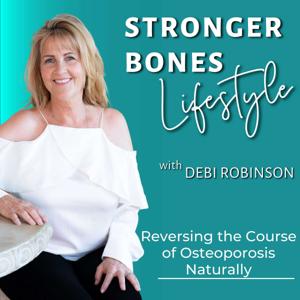
Are you ready to take control of your osteoporosis, osteopenia, and bone health - and live stronger than ever?
Welcome to The Stronger Bones Lifestyle Podcast, the show designed for…
I’m Debi Robinson, a yoga therapist and functional bone health expert who’s faced my own bone loss challenges. I understand the fear and uncertainty that can come with a diagnosis of osteoporosis or osteopenia — and I’m here to show you there’s another way.
Each episode delivers practical, holistic solutions — from nutrition and mindful movement to lifestyle and mindset — all proven to help you rebuild bone density, prevent fractures, and age with strength and confidence.
Join me each week as we build stronger bones - and a stronger life - together.
Ranked by our users in the last 21 days

765 Listeners
7,175 Listeners
1,071 Listeners
254 Listeners
717 Listeners
4,869 Listeners

3,420 Listeners
9,157 Listeners

331 Listeners
132 Listeners
615 Listeners
1,139 Listeners
842 Listeners
293 Listeners
1,194 Listeners