
Sign up to save your podcasts
Or



Ecosystem Science combines biology, chemistry, and physics to model and predict responses like wine grape yield forecasting, water management, and disease vector mapping. Joshua Fisher, Associate Professor of Environmental Science & Policy at Schmid College of Science and Technology, Chapman University and science lead at Hydrosat explains how high-resolution data from space helps farmers plan for climate change. His research uses satellites to help growers understand how change their practices to succeed in their current location and predict future winegrowing regions around the world.
Resources:Subscribe wherever you listen so you never miss an episode on the latest science and research with the Sustainable Winegrowing Podcast. Since 1994, Vineyard Team has been your resource for workshops and field demonstrations, research, and events dedicated to the stewardship of our natural resources.
Learn more at www.vineyardteam.org.
TranscriptCraig Macmillan 0:00
And our guest today is Dr. Joshua Fisher. He is Associate Professor of Environmental Science and Policy at Chapman University, and also science lead with Hydrosat. And today, we're gonna be talking about ecosystem research that he's been doing in some modeling ideas. Thanks for being here, Joshua.
Joshua Fisher 0:16
Thanks for having me.
Craig Macmillan 0:17
Your area is broadly defined, I understand as Ecosystem Science, that'd be an accurate description of your professional life.
Joshua Fisher 0:25
Sure, yep.
Craig Macmillan 0:26
Before we get started, what exactly is Ecosystem Science?
Joshua Fisher 0:29
it's kind of a combination of many sciences. And it's a combination of biology, we got to understand plants, animals, in, you know, down to bacteria and fungi. It's a combination of chemistry, you know, we need to understand how different nutrients and water and carbon interact and transform and it's combination of physics in terms of how energy flows through the system and in heat, and how to model and predict responses of the biology and the chemistry through the physics. So I kind of got into Ecosystem Science or environmental science more broadly, because I was indecisive as a student and couldn't pick a science, like all the sciences, and
Craig Macmillan 1:10
I feel your pain.
Joshua Fisher 1:11
And I didn't want to just pick one. So I was looking around for a major that combine the sciences and environmental science was a good one and got me a chance to get outdoors.
Craig Macmillan 1:20
That's an interesting way to get into what are the applied aspects of this area? Like what are the things things are that you're interested in, in terms of like the applications, but what do you do, and then we'll talk about what you do.
Joshua Fisher 1:32
The applications are really interesting. And it's kind of a career trajectory to, I think, as a student, and as an early career scientist, it was really about doing science, with the applications kind of out there more broadly, for context, but not actually doing anything about anything other than coming up with the best science possible, coming up with the best models, launching satellites, developing new datasets and understanding the way the world works. But actually feeding back to society was something that I've really ramped up throughout my career. And I've seen that among my peers as well, you know, especially in terms of the science trajectory and science reward system, science rewards you for publications for getting grants, and for doing a bit of ivory tower research, it doesn't really reward you, promote you and sustain you for doing applied sciences. And that tends to be a luxury that one gets one when gets into mid career, which is where I'm at now. And it's a great aspect. It's a great privilege to be able to feed back to society, to help farmers, water managers, policy makers, communities, people of color, indigenous tribes, and so on. It's a different type of award. Now it's, it's a reward, that's a personal reward. Something that I feel, you know, really happy about satisfied when I go to sleep at night. And I, you know, have to do my part to change the system for the early career scientist of today, to be rewarded for those applications as well. But in terms of my Applied Science, nowadays, I use my technology that I've launched a space and I'm continuing to launch the space, especially on thermal imaging, to monitor plant stress and water stress, heat stress, and plants using that to help inform irrigation and agricultural crop management, forest management, wildfire, prediction response, even down to urban heat and public health. I have got work with environmental justice, and communities of color and using the data that I've launched to help to help sustain public health as well as environmental science and agriculture and food production and food security. So lots of great applications out there. I'm even working with volcanologist. Our technology to help predict volcanic eruption.
Craig Macmillan 3:43
Oh, wow.
Joshua Fisher 3:44
Incredible array, you know, there's geology as well, mineral exploration. So a lot of applications, aquaculture, you know, helping improve shellfish and diversity as well. So when it comes to what I've gotten myself into, or gotten yourself into Dr. Fisher, over the years a bit of that. And it just happens to be that what I do has a lot of the connections, it isn't very limited. And what I what I've been doing for the past decade has a lot on temperature and heat. And so anywhere there's a signal of heat or temperature, whether it's in crops, whether it's in urban settings, whether it's in volcanoes, whether it's in wildfire that temperature permeates everywhere. And my data have and my science have the ability to help not only the science, but also the applications across nearly in the entire earth system.
Craig Macmillan 4:35
All right now, what are you talking about heat you're looking at this, we're talking about what you do so like on any given day, and I know everybody has these crazy lives where we do one thing on Tuesday and something completely different on Wednesday, but you are scientists, scientists work with data. Your data is coming from space. How did you get into that? I know you've worked on a couple of other or a couple of projects both now When in the past with information data collected from sapce, and I want to know more about that, what kind of data? How's it collected? How's it work? Exactly, yeah, how does somebody get into terrestrial data scientist?
Joshua Fisher 5:14
How does someone go from having one's head in the dirt to having one's head in space?
Craig Macmillan 5:21
And then then back in the dirt sounds like.
Unknown Speaker 5:24
I'm back in the dirt again. Back to my college days, environmental science, started doing undergraduate research at Berkeley, where I was at, mostly because as an undergrad, I was like, Why? Why did I go to Berkeley, you know, it's just a number in a class. It's huge, not the best teaching, the reputation of Berkeley is really for the research. So I said, Well, if I'm going to be here, I better get involved in research. And I got involved in research as an undergrad, and started getting into the Environmental Modeling. And I liked it so much that I continued on at Berkeley for my PhD, and my PhD, and continued Environmental Modeling side. But I was like, well, let's add a new tool to my toolkit. And let's start playing with satellites. Because really, they were just cool toys in the sky, I had really no other kind of ambition, other than to learn how to pick up a new tool and play with it.
Craig Macmillan 6:12
I've seen some really pretty pictures, if you go to the NASA Earth Observatory page, and with all their links and stuff there. It's like a Christmas tree with presents under it. It's just all these pretty colors and all these amazing things. So I can see how you could get drawn into it.
Joshua Fisher 6:27
Yeah, I mean, when you get into all the beautiful imagery, not only in the visible spectrum, but across the medic spectrum, you start to wonder if you are looking at science or art, that distinction that polarization between art and science really starts to blur. And you forget, what are you doing? Are you doing art? Are you doing science? And really, you're doing both. And it's all together. And I've been doing a lot of art, science and synergies over the year as well, which I'm happy to talk to you after I answer your first question, which is how I got into it. So playing with cool satellites, cool toys in the sky, interested in water, because I grew up in California and Alaska, kind of two, polar opposites of environmental extremes. And you know, when I was a kid, we were putting low flow showerheads, you know, in my showers in Los Angeles, where I grew up with my mother. And then my parents split when I was little, my dad lived in Alaska. And when I went to visit my dad, Alaska, we were putting on high flow showerheads, as a kid just kind of flying back and forth. It made me wonder how the world worked. And so growing up in California, especially under droughts and water shortages, as I got into college, I got involved in interested in being able to predict water and how much water we need. We had been able to measure rainfall and snow and groundwater, but not the evaporation components so much. And so that was where the models had to come into play. Because we couldn't measure it. We had a model that we had predicted based on other things. So when I started playing with satellites, my PhD, I was started wondering, I wonder if we could get at evapotranspiration from satellite remote sensing. And so that became the focus of my PhD. And sure enough, I was able to do it at the end of a nice long doctorate. So then right around that time, climate change really blew up. And I was in a unique place where I was observing the earth, using cutting edge technology and models and looking at cycles that transcended the whole earth. And so I kind of stepped right into that, for a fact finished my PhD, decided to if I wanted to be a global climate scientist, I needed to work globally. I had been in the Bay Area for almost 10 years in LA and so on. So I left the US and I went to England to Oxford University. And I thought I would leave the satellite and evapotranspiration stuff behind me. I started working on the climate model. There, I started getting into nitrogen, and the nitrogen cycle. And really my number one goal of moving to England was to pick up a British accent so clearly that although I can't say...
Craig Macmillan 8:56
You went to Oxford, you went to Oxford to figure that out. You just couldn't move to the west end and a little apartment for a couple years. That wasn't going to do it clearly.
Joshua Fisher 9:03
But partially because we got a big project in the Amazon as well and Andes. So I moved into the Amazon and Andes and conducted a big nutrient fertilization experiment up and down the Andes along with a larger team studying ecological dynamics of the rainforest and cloud forest there. So my Spanish got a lot better although it's very much field Spanish, you know, I can converse very fluently when it comes to roots and leaves and soils, but put me in a fine dining restaurant. And I'm like, what is all this cutlery? We didn't have this on Amazon. Eventually made my way out of Amazon Andes back to Oxford and was teaching remote sensing and GIS geographic information systems to the students there. We had a collaborator at NASA's Jet Propulsion Lab who was visiting with us and he had tried to recruit me to JPL back in California. And I said, Ah, you know, I just converted my postdoc to a faculty position at Oxford. we're pretty happy here. But then my partner who's awesome from Los Angeles, got a job at Occidental College in Los Angeles. And so she got the job. And so I was like, okay, so I called up my friend at JPL. She has that position still available. And he said, Yeah, you should apply. And so I did. And so I ended up taking a job as a NASA scientist at JPL. And I was there for about 12 years before I left, and joined Chapman University and Hydrosat. Hydrosat was actually a spinoff from JPL. Some JPL scientists, engineers spun off some technology that we'd actually launched to Mars, and decided that we could actually use it for Earth Science and applications and accelerate that transition to society a lot faster. If we did it from a commercial sphere, than from a governmental, you know, wait for contracts and proposals, sphere prime, the science lead for Hydrosat. And even though it's in the commercial realm, I represent the science community and my push to make sure the data are available for free to the science community. And so that's one of my big pushes. It's all about advancing the earth as a whole. And Hydrosat really supports that. And our employees are driven by that mission as well. So that's exciting. So yeah, that's how I got involved in remote sensing and satellites. And it keeps me here today, because that's just what I've gotten good at, for my time at JPL.
Craig Macmillan 11:19
So what kinds of things is hydroset do?
Joshua Fisher 11:22
So we are launching as of, you know, less than a year just in June of 24, a constellation of satellites. And then they measure thermal infrared, so temperature, have very high spatial resolutions. And because it's a constellation, we can cover the earth really rapidly and frequently. So we can get measurements every day, what we call field scales down to 50 meters, for the thermal and in the visible and near infrared down to 20 meters. So really high resolution really frequent and and that's what we need, especially for growers agriculturalists. But even for other applications, like urban heat waves, volcanic eruptions, you know, a lot of things happen at very fine scales, wildfires, and you need to be able to capture it frequently, you can't just wait. And so there's always been this traditional trade off between high spatial resolution and high temporal resolution, you can have one or the other, but not both. It's because you either have your satellite close to the Earth where you can see close detail, but it takes forever to wrap around the earth in full coverage, or you can be further away and cover the earth more frequently. But then your pixel size is not as sharp. The problem with the thermal infrared imaging is that it's always been really expensive. Because it's a temperature sensor. It requires cooling, cryo, cooling, which takes a lot of energy and takes a lot of mass and volume. And on the engineering side, you start to add those up. And it becomes very expensive, from our public public satellites. Landsat has been our workhorse over the past couple of decades. And it's like a billion dollars to watch Landsat so you cannot have a lot. And that's a 16 day repeat. We advanced from Landsat with eco stress out of JPL I was the science lead for eco stress. We put it on the International Space Station. So we could use that energy system and power in crowd cooling. Interesting overpass cadence. So we didn't have to pay for a lot of the engineering. But you know, the the space station, of course, is very expensive.
Craig Macmillan 13:10
What is the overpass cadence on the International Space Station? I've always wondered that. If you're up there, and you're going around how often do you see your house?
Joshua Fisher 13:17
Yeah. And the answer is funky.
Craig Macmillan 13:21
Scientists love that Josh. Yeah, that's a great scientific, that's great for science.
Joshua Fisher 13:27
That's the jargon. That's the technical term. It is it's really funky. It's really weird. It doesn't go over the poles. For one, it hits about 50 to 15 degrees north and south. So it kind of like starts to get up there near Alaska. But it like it turns around, because what we call precesses kind of turns around, and so has this funky orbit. So if you're living in Los Angeles, or Chicago, or New York, a traditional satellite, like Landsat or MODIS, will pass over at the same time, every day for Motus 1030 or 130, for Landsat every 16 days at about 1030. So it's very consistent. And that's good for scientists, as you said, like scientist like that kind of consistent data, they can see if the planets heating up because at 1030, every time things are getting hotter, or whatever, the space station passes over at different times every time it takes your schedule and rips it up and says, you know, I'm doing my own thing. And so today, it'll be 11am. The next time it'll be 2pm. You know, next time it'll be 9am. It's not like every day or every three days. It's every like, sometimes it can be every day. And then like it just says like sia and then it comes back a week later. So it's very inconsistent. And that's why remote sensing scientists, NASA scientists had historically shied away from using the space station as a platform to observe the earth. I came along and said, You know what, this interesting high resolution spatial resolution because it's pretty close to the surface. You can actually see it from your house, passing over at night in this different times of overpass passes actually really good from a plant centric standpoint, plants, they use water throughout the day. But if you don't have enough water, especially in the afternoon, when it's hot and dry, plants will close this stomata, they'll shut down, and maybe reopen them a little bit in the evening to get a little bit more photosynthesis. And before, you know, there's no more sunlight from a 1030, consistent overpassed, you would never see that even from 130, you might not always see that getting that diurnal sampling was a unique trait that I thought would be valuable for Plant Science Ecosystem Science in agriculture. We propose that as part of the Eco stress mission proposal, the review panel at NASA headquarters, Congress love that we had been spending so much money as a nation on the space station. And we hadn't really been using those unique characteristics for Earth observation until we came along. And I think we were like the second Earth mission on the space station. And really the first one to ever use it to observe the earth with its unique characteristics. After we did that a whole bunch of other missions came up afterwards. We were trailblazers.
Craig Macmillan 15:59
That's cool. There's implications in terms of and you know, we're we're focused on plants and one plant in particular, the grapevine the implications for this are that we can see quite a bit of detail, I mean, 50 meters by 50 meters is actually surprisingly tight pixel, small pixel. But we also can see regional, and learn in larger scale patterns that we wouldn't find otherwise, where let's say grow A has great information about what's happening in terms of ET rates on their property, or plant water stress measured with leaf water potential or something like that. Stem water potential, but I'm guessing the field is probably picking up on some some patterns that are beyond what we might have otherwise known about, even if we had really, really good high quality high definition data just at the ground level, but limited parcel size, for instance.
Joshua Fisher 16:47
Yeah, absolutely. Thing is that hydrostat really combines a lot of great characteristics that you might get one from any, any any other individual instrument. So from again, Landsat, you've got that great spatial resolution, but you missed that frequency, promote us, you have the frequency, you miss the spatial resolution from drones, you get that great spatial resolution, but you don't get that large regional coverage, or even frequency from towers, similar, so from aircraft. So with Hydrosat, we're able to pick that a lot, which means that we can do a lot with I think we don't replace drone operations or towers, because those present and provide really useful information. But what we do provide is that just very consistent objective and large scale coverage at the field scale. So if you're a grower, and you got fields, you can run a drone or a couple of times, but you're really not going to see your field, you can get your Lance and your motors, but you're not gonna get that frequency or that resolution tight. So Hydrosat is really beneficial for you in terms of your audience for growers that have a lot of area, and a lot of interesting dynamics that you know, they need to be able to monitor and evapotranspiration, the soil moisture, the temperature, we can get that we also create a lot of products from our data. We just acquired a company called IrriWatch, which was started by my colleague Wim Bastiaanssen, who's a who's a giant and evapotranspiration, and so with me and Wim teaming up, we've got just where you know, the the two headed dragon of evapotranspiration are really pushing technology and solutions into agriculture, viticulture and all the other applications. So Wim and IrriWatch has done is they've reached out to hundreds hundreds of growers all over the world 60 countries and figuring out what are you what are your decisions? What are your What are your questions? What are your operational needs? And have answered pretty much all of them it can be from transpiration to soil moisture to soil deficit to how long do I need to turn on my hose? How long do I need to turn on my valve for? Where am I seeing water deficits? Where am I seeing water leaks? Can I tell us something about my soil health can I forecast crop yield, you know, in growing in viticulture, of course, we're not always trying to maximize the soil moisture to the field capacity. We're sometimes doing deficit irrigation. You even need more precision on that and more frequency. And so we work a lot with the US Department of Agriculture. I've got colleagues at USDA, Martha Anderson, they'll acoustics and tell him they've been doing a lot of viticulture applications. And so they're very excited about Hydrosat and we've been working with them on our early adopter product and hoping to have the USDA be a direct feed from Hydrosat and as much as all our individual growers and collective so we're definitely excited to support agriculture, viticulture, and anyone who can use the data. We want to make sure everyone has the best crop yield and best production and withstands these increasing heatwaves droughts and climate change that is facing everyone.
Craig Macmillan 19:56
So what kind of products does hydroset producing report it advise advising, like, what? What does it look like?
Joshua Fisher 20:03
Yeah, it's a huge list. I mean, so we actually have, since we acquired IrriWatch, we're trying to distill it because I think, with IrriWatch, we inherited about, like 50 different products. So different. So you got this web portal, this API, you can go in on your phone, or on your laptop, or your tablet, or whatever, and load up your field. And you can get your reports, your maps, your tables, your graphs across your different variables, your your irrigation recommendations, we provide irrigation recommendations, things before 10 In the morning, every day, local time. So people know what to do. But you know, then that's like growers, then there's more like water managers who are trying to manage water for a region, we've got policymakers, we've got consultants, so it's we have got a lot of different users, we've got a government. So we've got a lot of different users with different needs. And we have applications for all these different users. We're focused on agriculture, although we have a lot of interest and buy in from, again, like I said, wildfire communities, and forestry and public health and so on. So we're supporting a lot of those communities as well with our data. But we have a lot more analytics information and services for the Agricultural Committee at this at this time.
Craig Macmillan 21:17
I wanted to transition into that area of analytics. And related, you also are interested in modeling. I understand. To me, that's the Holy Grail, and also the Demon. of anyone who works around data. When I collect data, I've got maybe a great looking backward looking model. Fantastic. I tell you what has happened. Okay, great. Tell me what's going to happen. Josh, that's a little harder. And you are you are interested in this and work with this and which supercomputing Is that correct?
Joshua Fisher 21:48
That's right. That's right. Yeah, I do a lot of our system modeling. And it started with evapotranspiration, right again, because we couldn't measure it. So I had to predict it. And we had a lot of different models starting from him in Monte Thornthwaite. And recently, Taylor. And then moving forward, about the time I was in school, the global community started developing Eddy covariance towers, flux towers. And so we had some of the first ones at Berkeley that were measuring evapotranspiration, you know, frequently and across, you know, an ecosystem. So, I was like, well, let's test the models there. So I was, you know, one of the first scientists to test these different evapotranspiration models, and we got it like a dozen or so tested at the number of reflex sights, and I installed sap flow sensors and measured a bunch of things about water to be able to predict the models, or predict, predict evapotranspiration. That got me into understanding the process really well in the mathematics and the predictive capabilities. And then when I moved into the satellite remote sensing realm, we couldn't measure evapotranspiration directly as a gas flux. But you know, we were measuring the temperature signal, which is directly related, we can measure soil moisture, we can measure meteorology, we can measure vegetation, phonology. And so these components start to go together to get out of Apple transpiration. Actually, we can measure evapotranspiration using kind of atmospheric layers. It's very coarse resolution. It's not particularly useful for our land applications, but useful for weather and things like that. That modeling continued into using satellite data as the inputs to those models. And then like I said, I thought I would leave evapotranspiration remote sensing behind me as I moved to England and worked on the climate model. So I got into earth system modeling, and being able to predict, you know, essentially climate change, and what's happening to the fate of the whole planet, not just this year, next year, but 20 years from now, 50 years from now, and at the end of the century, as climate change is really ramping up and we're looking at tipping points in their system. When do plants really start running out of water? When do they run out of nutrients? When are the temperature extremes so much that plants can't survive? And this was actually just a paper that we published last month in nature made the cover of nature, and we use eco stress to detect temperature limits that we're seeing in tropical rainforests right now that we're just seeing starting to exceed the critical temperature in which photosynthesis shuts down. So that got a lot of widespread news coverage. Now we can put this back into their system models and say, are their system models doing this correctly? Some of my volcanology work is actually linked to earth system models, because one of the big uncertainties and unknowns and the fate of the planet is what are the rainforests going to do with increasing co2 And normally, we would set up experiments and pump co2 on to ecosystems and see what's happened. But it's hard to do that and rainforests working with my volcanologist colleagues, we've discovered that volcanoes leak co2 out of their like flanks into the low lying forests. And there's a chain of volcanoes in Costa Rica that are doing this in the rainforests. So we're going in again, back into the jungle, this time, the jungles of the volcanoes, flying drones to sniff out those co2 leaks, flying Lidar and thermal hyperspectral to see what the rainforest responses are. So that all ecology that remote sensing ties back to their system modeling predictive capabilities.
Craig Macmillan 25:05
One of the things I think is fascinating is here we have an ecosystem where we can collect data, we can the ground truth, that data or collect other variables to ground truth and connect, we can then develop like you said, some predictive modeling, and you go, what would a rainforest have to do with Cabernet Sauvignon? My answer is a lot. So where I want to steer things next, as a viticulturist. This is where I should say, the viticulture side of me. I'm very selfish. Not all viticulturist are many are giving open people, but I'm very selfish, and the only thing I care about is okay, what's happening with my vineyard? And what's that gonna look like? 10, 15 years from now, very hot topic right now in the in the wine industry is Wow, things are changing clearly. And so what kinds of changes Am I gonna have to make? Or can I make in terms of what plants I'm planting? Going forward? And I'm guessing that you probably are having some, some insights into plant response under these different conditions? Do you think that we're going to have some models or some ideas in the future about how, you know specific crops like vines might be modified, either in terms of species choice varieties choice or management techniques, or things like that? Is there is there some help for us here?
Joshua Fisher 26:18
Yeah, we already have those, there's kind of two paths or two, two sides to this coin, when it comes to climate change, and viticulture. One is big scale, where can we grow grapes that we couldn't grow before? And to where are we no longer going to be able to grow grapes into the future? The second one is, you know, it's hard to pick up a move to move into a new place or to move out of an old place, what can we do under the changing temperature and changing water cycle and changing seasonal cycle? And so I think that's probably the more immediate pressing question to potentially some of your your listeners is what can we do now? And so, you know, we're working with like the USDA and testing out different seed varieties, and so on. And there's a lot of commercial companies that do to do that as well. And so how do we help? We're not doing seed varieties. We're not doing the genetics of it, although I've got colleagues at Chapman University who are doing that. But what we can do is say, all right, you've got 5, 10 different varieties of the same type of grape, how much water are they using, what's the temperature sensitivity, and not just in a greenhouse or a lab, but across the field. And you can't always get towers and drones everywhere. And you know, maybe you can, but there's local conditions are a little bit unusual. So let's go ahead and plant 10 experimental fields, or maybe you're a grower, and you have a couple fields that you're willing to try out some new varieties. And we can just tell you, yeah, they use less water, or we have also another product called Water Use Efficiency crop for drop in terms of how much carbon is being taken up relative to how much water is being used. And so we can tell you that variety was was pretty good. I think that's the main crux, we can also tell you other things that other people can tell you in terms of phonology, and in Greenup, and so on. I think that helps and dovetails with how I actually got on your podcast with my buddy and colleague, Professor Katie Gold at Cornell University, who does a lot of remote sensing on disease. And so there's diseases are changing with climate change as well. And so with Katie and me arm and arm across, you know, across the coasts, hitting the disease in hyperspectral, and the plant water stress temperature shifts of the thermal, we present a very powerful one, two punch against climate change as it starts to attack our fields and crops. In a more immediate term, we have like a crop yield crop forecast, you know, seasonal forecasts that helps growers understand what they're doing in terms of coming to market, you know, that's a little bit potentially less useful for viticulture, it's more for grain crops and you know, big kind of bulk crops, it's also useful for investors as well. So there's a lot of futures, a lot of crop investors, crop insurance, and so on. And so we can provide just, you know, more accurate forecasts from the existing forecasts, because we have better data on existing conditions and more, a deeper insight into what the plants are seeing doing and feeling and responding because of that temperature signal because of that thermal response.
Craig Macmillan 29:09
That's really cool. And very exciting. And I'm very happy with it. You and Katie, other people are working on this because I think we've done a number of interviews in this area now over the years. And one thing that I have been really inspired by is that 15 years ago, this was kind of a glint in somebody's eye. And then 10 years ago, things were starting to happen. And then probably at least more than even more than five years ago, you'd go to any of the big meetings, and it's like, Hey, we got drones, we can fly your plane. Hey, we got planes, we can fly a plane and these beautiful pictures and stuff. And then suddenly, it actually getting more than five years ago then it was like look at all this NASA stuff. I was like, holy cow. This is taking it to a whole nother level in literally a whole nother level. And so I'm really excited about first I was excited about the data and I'm excited about how we're learning how to use it. And I think that's always been a challenge is We're pretty good at finding ways of collecting data. We're not always so great at figuring out how to use it can run out of time here. But the one thing on this topic that you would tell grape growers in particular, there was one thing that you would tell a grower, what would it be?
Joshua Fisher 30:16
Yeah, if there was one thing I would tell a grape grower is that we're here to support you. And we are working on the technology to meet your needs and demands, the technology is available for you, by all means, reach out, you can Google me, email me, no problem. I'll hook you up some sample data, you know, see if it looks good. If you want to buy in great, if not, no worries, if you just want some advice, consulting, it's all about help. We're all on this ship together Planet Earth to get there. You know, it's all about collaborations and helping across the board.
Craig Macmillan 30:46
Where can people find out more about you?
Joshua Fisher 30:48
I've got a website, my own personal website, you can see all my publications and datasets and so on.
Craig Macmillan 30:54
We will link to that.
Joshua Fisher 30:55
JB Fisher dot org. You can Google me on Josh Fisher and Chapman or Joshua hydrostat. I'm on Twitter, try to tweet out all my papers are relevant papers and science findings in the literature. I'm on LinkedIn and I do meet blog posts on papers met once a quarter on medium. So we're trying to get out there and try to communicate Yeah, more than happy to help.
Craig Macmillan 31:17
Sounds like you're easy to find my guest today. It was Joshua Fisher. He's Associate Professor of Environmental Science and Policy at Chapman University. And he's also the science lead for a company called Hydrosat. And we've been talking about things that are a new window, and I'm very excited about having that window opened in that window being opened wider and wider all the time. Josh, thanks for being a guest. This is great.
Joshua Fisher 31:39
Thanks, Craig. And hopefully, your listeners found it interesting.
Nearly perfect transcription by https://otter.ai
Do you know where your food comes from?
"Food disconnect" is a term used to describe the average consumers lack of knowledge about where their food comes from and how it's made.
When it comes to wine, most people only see the finished product: what's in their glass.
Welcome to Marketing Tip Monday with SIP Certified. We know customers are looking for wines labeled as sustainable. While our longer-form episodes help you learn about the latest science and research for the wine industry, these twice-monthly micro podcasts will help you share your dedication to sustainable winegrowing so you can show your customers that you share their values.
For sustainable wine brands, there's yet another level to this disconnect:
This introduces an opportunity for sustainable winegrowers and winemakers.
Sustainability Sells!After Kathy Kelley and her colleagues at Penn State University learned about the environmental benefits of using cover crops under grapevines, they wondered if promoting this sustainable practice could be part of a marketing strategy to sell more wine.
When they tested this theory with real-world wine consumers, they found that 72% of the wine consumers surveyed were willing to pay a $1 surcharge to cover associated sustainable production costs, and 26% were even willing to pay a $2 surcharge!
Get SpecificIt's important to note that for the participants in the study, simply hearing that a wine brand acted sustainably wasn't enough – it was learning the importance of the specific sustainable practice that increased customers' willingness to pay more for the wine.
"… We're seeing a consumer group that wants to be educated and wants to know exactly what is going on with sustainable wine production," Kathy says in a Penn State article summarizing her findings. "So, being descriptive about what it actually means to include cover crops in a vineyard is a way to be attractive to them."
Sharing your sustainable story has many benefits. It can be used as a marketing strategy, it helps combat "food disconnect," and it helps spread awareness of sustainable practices that protect and regenerate natural resources.
We are here to help you tell your customers how your brand protects natural and human resources with the Sustainable Story program.
This simple yet powerful free tool helps you tell your own personal sustainable message. And it just got better with a new online course. Go to the show notes, click the link titled Tell Your Sustainable Story to sign up, download the worksheet, watch the videos, and you are ready to tell your Sustainable Story!
Until next time, this is Sustainable Winegrowing with the Vineyard Team.
Resources:When it comes to nutrition in your vineyard, you need to know the environment that your vineyard is planted in including mineral nutrition, soil microbes, nitrogen from rainwater, and nutrients or potentially salt from well water. Fritz Westover, Host of the Vineyard Underground Podcast and Founder of Virtual Viticulture Academy shares a big-picture approach to nutrient management that is practical for any grower. He covers:
If you are a long time Member of our organization then you probably remember Fritz from his days with Vineyard Team in 2013 and 2014. We are thrilled to have Fritz back on air with us for the third time. Plus, I recently had the pleasure of being a guest on his podcast, Vineyard Underground. Search for episode 034: Why Sustainability Certification Programs for Vineyards Matter – with Beth Vukmanic on your favorite podcast player to listen in. And we have that linked in the show notes.
Resources:Subscribe wherever you listen so you never miss an episode on the latest science and research with the Sustainable Winegrowing Podcast. Since 1994, Vineyard Team has been your resource for workshops and field demonstrations, research, and events dedicated to the stewardship of our natural resources.
Learn more at www.vineyardteam.org.
TranscriptCraig Macmillan 0:00
Our guest today is Fritz Westover. He is a Viticulturist, who works around the United States. Especically the the south east and he is the host of the Vineyard Underground podcast, and also the founder of the Virtual Viticulture Academy. And today we're gonna talk about nutrient management. Thanks for being on the show.
Fritz Westover 0:20
Hey, Craig, how you doing today? Good to talk to you and to see you because I get to see you on video while we make this recording.
Craig Macmillan 0:27
You're back. This is another episode for you. Right?
Fritz Westover 0:29
This will be episode number three with Sustainable Winegrowing. So I love coming back. And you know, as you know, I worked with then Vineayrd Team back in 2013, and 14. So, of course, I love what you guys are doing and fully support it.
Craig Macmillan 0:42
Fantastic. So injury management in vineyards is today's topic. Can you give us a definition of what that means and why it's important?
Fritz Westover 0:51
Yeah, and I'm not going to give you the textbook version though, as you know, Craig, I'm going to talk from just how I view it and how I see my growers viewing it that.
Craig Macmillan 0:58
From the heart is that yeah,
Fritz Westover 1:00
I speak about nutrient management from the heart here. In terms of vineyards, you know, we want to see our vines grow healthy. When you plant to vine in the ground, there's certain things in the soil, there's mineral nutrition, there's microbes that cycle nutrients in the soil. So you have kind of a baseline there, you can add things to it. But you have to know what's in the soil. First, we have rain that falls from the sky, hopefully, and hopefully when it needs to, and that has certain mineral nutrient content and nitrogen, things like that people don't count that sometimes nothing will make a plant or like and rainwater. And then if you're pumping water through well, there's different ions, caverns and ions that are in that water, whether it be something that's good, like nitrogen, or magnesium or potassium or something that's not good, like a salt, in large amounts. So there's there's things coming out of the pumping out of the ground on a property that go to vineyard. And then you know, there's things that we put as inputs through a spray program or fertilization program. But before you do that, if you're going to manage the nutrition in your vineyard, you need to know what the content is what where the nutrients are coming from, how the vines take them up. Are you irrigating? Or is it a dry farmed vineyard, and that will determine how much of that nutrition is available to the vine, right, because you can have nutrition in the soil. But during a drought, if the roots aren't actively growing, or if they're pulling away from the soil, they're just not taking it in. It's a very dynamic thing. Management is really just knowing how to read your plants, how to read the environmental conditions, and knowing what you have there and what your inputs are contributing in terms of mineral nutrition to your system as a whole.
Craig Macmillan 2:31
What are some of the considerations then, that growers need to take into account when they're designing the fertilization program? Have you talked about where things come from? You've talked about what you need to look at. But how do you go about it.
Fritz Westover 2:43
I work with several growers all around the southeastern United States and in other states as well through my online academy. So I really get to see a large profile of soil reports, plant tissue reports. And there's certain benchmark measurements we can take in the vineyard that can help us to understand how vines are taking up nutrients. So we can look at a soil test. And we can determine what nutrients are available, we can look at the pH and that will determine the different availability of certain nutrients. We can also take into account the plant tissue samples that we should be doing in the vineyard, whether it's a tissue analysis from a petal, a leaf blade, a whole leaf with petiole attached, which is what I'm using currently, there's more and more interest in SAP analysis. So there's all these different methods of looking at nutrition within an actively growing plant. It gives you the snapshot at best during a certain time of the season. And those are benchmarks. So we're looking at the plants to see kind of what's being taken up from the soil and from the environment and from the water that's being either falling from the sky or going through the irrigation. My best analogy for grape grower would be the VSP probably the most common training system is the VSP so you have the that's vertical sheet positioning, but I use it and say the visual, we look at the soil for moisture, we look at the plants for any signs of higher low vigor to determine usually, if nitrogen is needed in greater quantities, or for certainly for any nutritional deficiencies that show up visually on leaves like magnesium or potassium deficiency, things like that. We know what those symptoms look like, we can look them up easily. And then the P would be the plant tissue test. So I always think of the soil is kind of the bank account of what nutrients are available. And then the tissue test is telling you if your plant is making that ATM withdrawals, so to speak from the soil. And then the visual really just validates if everything is really working as well as that plant tissue test says because I don't know about you, Craig, but I've looked at plant tissue tests that say everything is within the normal range of nutrients, but the plant is stunted. And it could see that the concentration of the nutrients is good in that plant, but the quantity is limiting the growth and production of that vine and it's going to limit the yields in that case. Those are the considerations I look into but there's one one more thing that there are some rules of thumb, what we're taking out of the system. When we ship our grapes out of the vineyard into the winery, whether it's your winery or winery across the state somewhere across the country that is removing nutrients. So you're literally mining your soil and your environment for nutrients, you're putting them into a truck, you're moving them with the fruit, and then they're being made into bottles of wine and someone's drinking those nutrients and they don't get back into the vineyard, if that's what's happening. So, when creating a nutritional budget, a lot of growers will account for the tonnage or whatever measurement of fruit is removed. And there are some tables available. I know Dr. Marcus Keller of Washington State University, in his book on the science of grapevines publishes some of those, but the example would be an average of four pounds of nitrogen. For every tonne of fruit removed from the vineyard, if you do four tons an acre, that's about 16 pounds of nitrogen. So we start to think in these terms of, okay, I just removed 16 pounds with that four ton per acre crop. This is an example of course of an average number, it's really not that simple, because the soil might have three or 4% organic matter in it. And we know from every 1% of organic matter, we're getting x units of nitrogen that are developed and processed within the soil system itself. And so if your organic matter is high enough, you may actually generate enough nitrogen in the soil to replace the nitrogen that was moved out of the vineyard. And this is why growers might go year in and year out without applying some fertilizer, even though they're moving it out of the vineyard in the fruit.
You got a good healthy soil web happening there, you got the relationships that you want, and you're cycling stuff. And so the impact of that removal is less. Yeah, yeah, absolutely. And cover cropping and whatnot.
Soil conditions, too. I mean, if the soil is dry in a drought condition, it's not really you're not gonna have a lot of activity, or if it's really hot, because it's been cleaned, cultivated. And you know, how does that affect the microbes that can then cycle those nutrients and convert organic matter into nitrogen and other other mineral nutrients?
Craig Macmillan 7:05
I want to touch on something, something regarded this and that's timing. So like at the grade school science version that we learn is there's a plant, and it grows and things come up. And there's a plant. Yeah, and grapevines don't work that way. There's certain things that they'll take up at certain times of year, they need to have water, moving through the plant, different nutrients are important at different times of year. What do you recommend? What do you how do you manage that?
Fritz Westover 7:34
Yeah. So you know, when I do a presentation on grapevine nutrition, there's this one slide that I go to from a study in Germany, and where they basically took plants apart at different times of the phenological steps throughout the year, whether pre bloom bloom, fruit set, version, and harvest, and they looked at the total mineral content of these nutrients. And they use that to determine what the demand of those nutrients were at different stages. And so what we see is that nitrogen and potassium sort of follow the same curve, where as you get into bloom, there's a spike in demand for nitrogen and potassium. And then after fruit set, it goes down a little, and then the roller coaster ride goes back up, and the demand goes back up in your veraison as your ripening fruit, you need more nitrogen, potassium, things like that. It's all part of the sugar production system. And then you look at also the quantities you know, nitrogen and potassium, are by far the macronutrients that are needed the most, and then something like magnesium. And we do see a lot of magnesium deficiency, east of the Rockies at many sites, it's needed, but not until after fruit set, really, that's where the bumps starts. So the bumps gonna start afterwards. And it's going to kind of gradually go up and down and up again towards veraison But the amount is not as, let's say the quantity that's needed is not as great as something like potassium. And you could do that for each nutrient and look at it to me that that triggers the kind of the benchmark of when we have to start applying fertilizer. And so the interesting thing about that is if I've got a vineyard, where we can put everything through the drip, irrigation and fertigation, we can wait until either right before the time of highest demand, or right at the time, and we can just slug it through the drip, right. If you don't have irrigation, you might be able to do foliar application, but that's not going to get a lot of nutrients into the vine like it will if you put it into the root system. So you'll you'll hear and I know we're going to discuss this as well, because we discussed it earlier that you know, dry farmed vineyards or vineyards in areas where it rains and they don't have irrigation, have to plan a little bit farther ahead. Because if you're going to put something like magnesium out or potassium, it needs to be worked into the soil with a rain event if you don't have to ration or cultivated in in some cases. So you can't wait until that perfect window. You've got to get it out ahead of time so that it makes its way down to the roots and it's available for uptake at that critical window that I was referring to before in the phenol logical stages.
Craig Macmillan 9:56
Can I wait till I see a forecast that there's a storm coming and then get my material out? Or do I put it up earlier than then just kind of hope that it rains? I mean, how much time do I have?
Fritz Westover 10:08
Yeah, that's a really great question to Craig. And so you don't want to answer every question with it depends, right? So you've got to get some concrete information for a grower to actually follow. So then you start thinking about...
Craig Macmillan 10:19
There's nothing wrong with it depends.
Fritz Westover 10:21
It's okay, as long as you follow up with, but this is what I would do, right. And that's what I like to say. So this is what I would do if nitrogen was the nutrient in question, if you put out especially an ammonia, nitrogen, something like that on the ground or something that is not bound up, like if compost, you have a more stable form of nitrogen that's in organic matter, if you have something like ammonium, it might be readily evaporated, or it's going to it's going to volatilize, and you'll lose it to the atmosphere. So you definitely want to get that out as soon as you can, right before the rain. So the rain can immediately move that nutrient into the soil. And that will secure it, so to speak, and stop the volatilization from occurring. If it's something like magnesium, really not as volatile, right. Or if it's something like phosphorus, or if you're putting out calcium in the form of lime, or gypsum, there's not going to be a lot of volatility. So you can put those types of products out farther ahead of the rain, and hope that the rain will eventually come and work them in. So I guess in that matter, depends on what you're applying. And you can, you can decide based on that, if you want to trust that forecast or not.
Craig Macmillan 11:28
You know, I just started something, I interviewed somebody else recently, and they were working with underlying vegetation issues. It was fascinating to me because of the work that they were doing in there not necessarily chemical burn down, not necessarily inrow cultivation in the comment was it rains enough here that I can do whatever I want. But there's going to be plants growing there two days later, in your experience in parts of the country. And I would love to have some, you know, compare and contrast here. What do I need to do in terms of preparing that area, you know, around the root system, because I'm trying to get top to bottom right down to get in there. And then also, you mentioned system wide things. And so what do I need to do there to make that work?
Fritz Westover 12:12
Let's cover the system wide. First, when I talk about system wide or make creating these, quote unquote, sea changes in the soil, you're not going to make a sea change the soil is the soil. It's got its own living breathing organisms in it. But let's say you were chronically deficient in calcium, or magnesium, right? We'll use those as two good examples. If you apply your calcium, whether it's lime, or magnesium in the form of dolomitic, lime, which is calcium with 10%, magnesium, great way to put magnesium and calcium in the soil to acidifying your soil like you would with a magnesium sulfate. Or if you're putting out a magnesium sulfate in a high pH, soil, anything that you're trying to put out to change the plant uptake. So let's say really high potassium uptake in your plant is undesirable to you for some reason, and you're getting magnesium deficiency. As a result, if we only put that magnesium or that calcium right at the base of the vine, you can only really change the the cation exchange or the base saturation of those cations right in that small area. And that's important because it's a major area of uptake. And this is something a lot of growers don't think about, even when you're dripping something through a system that biggest area of uptake is near the crown of the vine at the base of the root system. And feeder roots will take up stuff too. But that's where if you're going to put a one time slug, you know, it's got to be within 18 inches or so the trunk, but you still have roots, especially on older vines that are moving out into the row middles. Over the years, they get into the row middles. And so they're still getting access to that perhaps high level of potassium in that bass saturation or that cation exchange out there. So they can still kind of pull that up. So if you want to create a wider change and impacts the system as a whole, you're better off applying that product as a broadcast into the middle and under the vines. I have done that with magnesium when we're trying to compete with potassium, because we see magnesium magnesium deficiency, or also if we're aligning soil. So in eastern states, we have acid soil, parts of Maryland, Virginia, Pennsylvania, where I've worked, even in East Texas or north of that in Arkansas, depending on where you're at. You run into these acid soils, and we're talking like 4.5 ph. Yeah, so it is or like wine, right? Yeah, yeah. So we know that nutrients are not as available many nutrients like phosphorus is deficient boron, other cations are not as available. Due to that high hydrogen ion competition. We're going to add lime. Hopefully before the vineyard is planted. You do that before but I often go back and add maintenance applications of lime over the years as well within the vineyard system, and we do that over the whole field. We don't just do that in the rows where we're planting vines, because we want the vines to be encouraged to explore the soil and to mine, if you will, for nutrients outside of that immediate crown zone near the vine. Because eventually that will be depleted, your vines are going to keep growing and searching for these nutrients. So by doing a broadcast application, you create a soil that not only is more amendable, for roots to grow in, because acid soils are actually toxic to root tips that you get a high amount of available aluminum at 4.5 ph. And that will stop a root tip from growing. So if you want your roots to grow and expand, you don't want any chemical barriers, you don't want any physical barriers like compaction, you put something like that out before planting. So in Georgia where I work, very acidic soils, we will put out something around six tons per acre of the dolomitic lime before we plant some of the sites and then within two years, we're coming back with as much as two times per acre, because we're trying to to over time, bring that soil into maybe a 6.0 or 6.5 pH so that nutrients are just more available, so that we don't have to fertilize as much we don't have to put inputs into the soil. Right? We don't want to do that we don't have to cost money, and it could have environmental impacts.
Craig Macmillan 16:12
While we're still on this, this area, you got pre planned, are you recommending that we shank materials in? Or are we incorporated in a disking pass? And then over time that moves down in? And then also, if I've got an established vineyard to incorporate these materials? Or to get these materials there? I mean, do I need to do a cultivation pass and then do a broadcast and then cultivate again to stir it in?
Fritz Westover 16:39
Yeah, so these are all different methods that are used Craig and any grower out there who's developing a vineyard site in the near future or has done it recently, you'll hear conflicting opinions on the best way to do it. But what I like to do is break it down to how did the nutrients move in the soil environment? And how do I put them by the root where they're needed, and make sure they're not going to get washed away right away? So yes, if I'm starting a new site, we're going to look at the soil, we're going to determine what our amendments are going to be, let's say that the vineyard soil is low in phosphorus and need some line that to change the pH but also to increase calcium. And let's say it's a little bit low on potassium as well. Okay. So in that instance, if you just stir the soil up and put the lime in and fix the pH, that would be wonderful, because you've already made nutrient availability, so much better for that for the uptake of that plant root system. So that's good. That's the first step. But if then you go in and plant the vines, and you say, well, we needed phosphorus and potassium. And I know that new plants need nitrogen, so I'm going to take like a triple 10, or a triple 13, that's nitrogen, phosphorus, and potassium at 10 to 13%. And I'm just gonna sprinkle three ounces around the vine. Well, how did those nutrients move down into the soil? Well, the first time it rains, or you irrigate, and it touches those granules, the first thing that moves down quickly through the soil, what we call the mass flow is the nitrogen. And so that's going to be immediately available. So the vines is gonna pick up nitrogen, it's gonna say, let's go, let's grow. The next level of infiltration would be the potassium, we know that potassium is somewhat moderately mobile in the mass flow, but it doesn't move as fast as the nitrogen. So with enough rainfall and frequent rainfall or irrigation, it could move down gradually and get to the root system, that phosphorus on the other hand, it's just going to sit there on the surface like a rock. And it might take years for it really to move effectively. And so if you know your, your soil needs something like phosphorus, and potassium, you might add the phosphorus, whatever form phosphorus, you're using rock phosphate, if you're organic, or PTO five or some, put that on the on the surface, and you amend it with the lime to get it down deep to where the roots are going to be planted to. So maybe it's 15 inches, for an example 30 centimeters, that's all they're ready for the roots. And then later, you can come in and topdress something like potassium, for your final cultivation, just to work it into the topsoil. So it's, it's at a better stage, and I'm giving you an ideal scenario, obviously. And then the nitrogen, you could go ahead and top dress later, or put your drip system or let the rain work it in right before the rain like we talked about with that nitrogen. And that way you're getting things right at the root where it's needed. And you're not doing it in phases where it gets nitrogen grows a lot and then doesn't have enough other stuff like potassium, magnesium or micronutrients to keep up with that growth. And that's where you see these deficiencies starting to set in.
Craig Macmillan 19:26
Actually, that's a great kind of transition. You know, we talked about VSP and I think we do a lot of folks relies primarily upon visual and it's not simply the, you know, the tiger stripes in the leaf and that kind of a thing or the yellowing, but they're looking at how the crop set they're looking at when the sheets tipped start to quit. Because yeah, that's driven by water, but it's driven by by other resources to that kind of thing. Yeah. What can I do to quantify that? And how can I be kind of forward looking? I mean, you talked about removal. is a materials with harvest? So I know I'm I want to order some stuff, you know, but it's a long term kind of project.
Fritz Westover 20:07
Yeah, it is. It is.
Craig Macmillan 20:08
I mean, you walk vineyards with people, obviously. But then also you mentioned you see all these reports of it? What kinds of reports? Do you want to see what time of year? How do you put all that together?
Fritz Westover 20:19
Right. The visual is really important. And the only risky run there is some of these nutrients don't show visually until it's too late. A lot of our micronutrients are really important, as you know, Craig, for fruit set, and pollination, and fertilization rather, boron, zinc, molendinum, copper, all these things. So if you do your plant tissue test at bloom, which is the first time you would do it during the season, it you're already in bloom. So you're late to add that micronutrient, right. So then some growers will say, Well, I'm just going to put up this prophylactic kind of micronutrients, spray two or three weeks before bloom just to make sure they have what they need. And you can do that. But do you really need to. So I really rely on taking the bloom sample, because it is kind of like your progress report. It tells you, you know, how you're doing for the season. And you know, are you destined for an A plus a B minus by the time you get to the end of the season, because you still have a chance to get things in gear and improve your grade, right. So that bloom time sample of what I do is whole leaf sample with blade and petiole attached, some people just do petioles, separate the petiole and the blade, I've had very good success and consistent results with blade and petiole attached. I also, when I have an issue where there's, you know, maybe we're doing intensive fertilization, or I've got a deficiency, I might sometimes separate the petiole from the whole leaf. And that way, I can look at both reports and have two numbers to kind of look at instead of one. But the ranges are different for a blade versus petioles. So you definitely want to look at those. And I tell my growers to just go to my website, and you can download the, the standards there and look at them, because you don't need a consultant to just see what's out of balance, you can look at a table, I do that at bloom, and that gives me the report card. But the second time I do it is that version. And that's your report card for the season, so to speak. So by the time you get to version, you're at entering your maximum stress time, if you take the plant tissue sample too far after version, a lot of the nutrients have moved into the fruit. And the tissue sometimes is already suffering from the seasonal wear and tear. So it can give you these false ideas that you're really low and then you put out too much fertilizer. At bloom, we take a leaf next to a inflorescence or flower, because that is a representative leaf. And then at version, we go about seven leaves down from a shoot tip that has not been hedged or altered. And that is what's considered a representative leaf at that stage of growth. And that's the report card. Now the report card is really important. And I tell my growers if you can only afford or have time to do one sample, do the one version and get the final report card because that's the one that we then use for the next season to say okay, boron was a little low zinc was a little low. So we're going to find some boron and zinc to put into the system either through the drip or through a foliar spray before bloom, to make sure that we don't have issues with fruit set. So that's how we use that if we wait for bloom, it's a little late to make the change. So getting those two phases is really key for me. And then of course, like you said, being in the vineyard observing growth, looking for signs of deficiency, some things do show, you can clearly see nitrogen as pale leaves. Boron is actually important for nitrogen assimilation. So you could have what you think is adequate boron or nitrogen in your program. But if boron is missing, you might not get the assimilation and the you know, the proper use of the boron, or the nitrogen rather within the vines. So there's, you know, things to look for, to give you clues as well. So when I see something visual, sometimes magnesium deficiency can look a lot like potassium deficiency, it's on the order of interveinal, the potassium tends to be more beginning around the margin or outside edge of the leaf. So I always tell my growers, let's send in a sample, it's like 20 bucks, right? Let's just verify it with a lab report before we put the wrong thing down and make the problem way worse, right.
Craig Macmillan 24:10
When we're doing this, what are some of the most difficult decisions, some of the biggest obstacles to being successful here? And I'm talking about everything in terms of like you're getting good information, getting picking the right to formulations or the right products, the right individual minerals, and then getting into the plan. Are there regional differences that you've seen? Or are there kind of obstacles that everybody kind of faces?
Fritz Westover 24:37
There's definitely regional issues. You know, I can say that across the board. And this state over here, like I'll say, Georgia, we see magnesium and boron and nitrogen are our three biggest deficiencies consistently in those soils. You go to California, and certain areas where I work there we'd see it's either nitrogen or potassium that are low and sometimes zinc. And then if I go to the high planes in Texas, it's usually nitrogen and zinc, are my lowest. And sometimes, and then I go to the hill country of Texas, where it's cacareous soil. And we see that iron deficiency becomes an issue because it's just that high pH really ties it up, growers will sometimes put a lot of zinc down in the soil, but then we have to be mindful of the competition of certain nutrients with each other, because too much zinc can compete with phosphorus for uptake and vice versa. And then, as I mentioned already before, the pH of the soil varies greatly from one region to the next. And that's why getting the amendments and getting the soil in a pH that's, you know, ideally at that 6.5, for greens, right? That's kind of like, you know, you're good. From seven,
Craig Macmillan 25:40
Have you ever receive a site that was like, exactly 6.5.
Fritz Westover 25:45
I have I have because I've looked at it for their soil reports, I've seen a few but no, usually we're saying we need to add a little or, you know, seven is fine, we can deal with it, we'll put a different rootstock that's better under you know, calcareous soil. You know, I didn't mention that and really emphasize that enough, I talked about plant tissue sampling, and visual evaluation, I don't do soil sampling annually with most of my vineyards, because their soils just aren't changing that much, unless they're really doing heavy amendments of something that that sea change, they're trying to go for it. So we'll do this about once every three years, and just compare them. And so I think the most important thing any grower can do, and this is how I work with it with kind of my long term growers I've been with for 10 years, you know, we have a soil sample every three years. So we can compare what the trend is, over those years, if we see potassium is going down. Well, we know that's one of the greatest Nutrients taken out of the system of the soil with fruit that's much higher than nitrogen much, much, much higher than magnesium or phosphorus. So you're literally mining your soil for potassium, well, I have sites where we have high potassium, and we're trying to get more magnesium in there. So I almost never put potassium back in the soil, I'm happily mining it out of the soil. And that's going to be totally different than maybe a vineyard in California where potassium availability is just not as good or as high. We're kind of looking at it that way. And same thing with plant tissue test, you can really see sometimes more volatile fluctuation in plant tissue tests from year to year. And that's where you have to start asking the question, okay, how much rainfall did we have? Was there good soil moisture, I've run into problems where irrigated vineyards, we hit a drought, and you have normally rained during the season, like let's say, in West Texas, or parts of Arizona, where I work, there's rainfall during the monsoon season. So you go into the winter with a soil profile that's nice and full. And then in the spring, you come out and you really have full access to the whole mineral nutrient profile of the soil and the roots grow throughout the whole soil, then all of a sudden, you have a drought for year two. And this has happened in my West Texas growers, areas where those roots that are in the row, middle, all of a sudden are not able to pull up anything from the soil. So they're shrinking. And as they shrink, they pull away from the soil as a strategy to minimize water loss. And so you're not getting the nutrients that are available out there. So we have to consider that and sometimes increase our fertilizer levels based on the fact that we're losing access to the soil nutrients. And the best way to do that is to take the plant tissue test, and find out if that's really happening, but the plant tissue test can fluctuate. And I guess my point is understanding how the environmental conditions right in and around are leading up to that plant tissue test. really affected nutrient content is important. So we don't have that. Like I'll say it again, that knee jerk reaction like oh my gosh, nitrogen is low, let's put 50 pounds per acre out which is you know, ridiculously high. Yeah, maybe just needs to rain or you need to irrigate more, and that will fix the problem.
Craig Macmillan 28:41
Yeah, what is one thing, the one thing that you would tell growers on this topic, one piece of advice or insight or anything.
Fritz Westover 28:50
In addition to doing your soil sampling every few years, and your plant tissue tissue every year at bloom at veraison and some growers may even do it more often or some growers may prefer to do SAP analysis on a more frequent basis. That's all good and well. Just do it at your regular intervals, and get your long term data so you can see trends and changes. Then take some time to really understand number one, as we mentioned before, with the demand of the plant for each nutrient, okay, when is nitrogen, potassium versus magnesium or other micronutrients? When are they most essential for uptake into the vine? And how could you put them into the ground or into the system or onto the foliage in a method that is going to get that nutrient to the vine in time for its high demand, you need to know that vine needs it, because if it doesn't need it, you don't need to put it in there. And then finally understand how the nutrients move within the soil. That was the other thing we covered. So I had a great podcast on the vineyard underground with Paul Crout who works in the Central Coast a good friend of mine, he's worked with video team to Episode 16 We did a deep dive into Vine nutrition and availability in different forms of nitrogen and how some are immediately available and some are more slow release available. So I won't get into all that now. But understanding the availability of that fertilizer formulation that you're using is really critical. Because that's going to tell you not not only when you're going to apply it, how far ahead of the demand for the vine, but what method you're going to use to apply it. Will it be better off put into drip, apply to the soil? Or maybe as a foliar application.
Craig Macmillan 30:25
Where can people find out more about you?
Fritz Westover 30:27
Ok me? Oh, thanks, Craig.
Craig Macmillan 30:29
Oh, little Oh, me. Oh, me.
Fritz Westover 30:31
Well, you can find me chatting like I am with you on the Vineyard Underground podcast, the vineyardundergroundpodcast.com Or just look for that, wherever you stream podcast on Spotify or for Apple podcast, or if you would like to download some of the past presentations I've done on nutrition management, or the charts to determine the critical levels for nutrients have many of those that are free and available to the public go to virtualviticultureacademy.com The academy is where I teach grape growing and have a membership in there where I advise growers on a week to week basis.
Craig Macmillan 31:05
That's awesome. Our guest today has been Fritz Westover. He is a viticulturist. He's the host of the vineyard underground podcast. He's also the founder of a really great resource. You definitely need to know about this. If you're a grower, and that's the Virtual Viticulture Academy. He's not kidding, a lot of resources there and really good quality resources as well. So thanks for being on the podcast.
Fritz Westover 31:27
Hey, thanks, Craig. You guys are an amazing resource to the industry to and you have tons of free and available information. Keep doing the great things that you're doing. I'm a listener, so I'm a fan. It's really privileged to be on here my friend.
Nearly perfect transcription by https://otter.ai
Thach and Lease asked the managers of 375 United States wineries, "How much impact do you believe your social media efforts have on wine sales?" 87% of respondents said they believe that their social media presence increases sales.
Welcome to Marketing Tip Monday with SIP Certified. We know customers are looking for wines labeled as sustainable. While our longer-form episodes help you learn about the latest science and research for the wine industry, these twice-monthly micro podcasts will help you share your dedication to sustainable winegrowing so you can show your customers that you share their values. Today we are asking the question, Does social media impact wine sales?
Social media has changed the way consumers and businesses interact. It not only provides convenient two-way communication between consumers and the products and services they support, but it has opened the door for consumers to participate in the marketing and messaging of brands by creating their own content about the products they love and sharing it with their friends, family, and communities.
A 2018 study looking at the social media adoption and activities of 1173 wineries in Germany, the USA, New Zealand and Australia, suggests that "wineries need to develop a clear purpose for using social media and then adapt to the needs of the consumers in their respective markets." To do so, it is important to understand how consumers interact with wine brands on social media and what kind of content they are looking for.
Provide Value by Offering GuidanceWine is complex. Many consumers who are new to drinking wine don't know what they're looking for, and could easily find themselves overwhelmed and intimated by the numerous varieties, tasting notes, and wine brands on the market. Creating educational and informative wine content can help to create trust between consumers and your brand.
Here are a few ideas to get you started:· Bonus tip: Ask your followers what they want to learn more about! When you deliver on their requests, they'll continue to look out for your valuable posts.
Interact With ConsumersWord of mouth is one of the most common ways we hear about new brands and products to try. We are social creatures and feel more secure taking a chance on a product that has been vetted by a friend or colleague. How often have you seen your friends and family post a picture of a meal at their favorite restaurant, a picnic spread with a bottle of wine set up in the yard, or simply posing with a new item they fell in love with? Next time you see one of these, check the caption - a lot of people will tag the brands and companies included in their photos!
If you receive a notification that your brand has been tagged in someone's content, take the opportunity to make a connection with a loyal customer by leaving a response in the comments. Social media offers a low-cost way for you to build relationships with consumers and your brand community, and being a brand that engages with its customers sets you up to receive continued support.
There is an easy way to catch up on posts you're tagged in on Instagram that you may have missed! Go to your profile, and above the grid displaying your posts to the far right is an icon you can tap on to see posts from other users that you've been tagged in. Check it out, and get to interacting!
Collaborate with an InfluencerSocial media "lifestyle influencers" are people who use their social media channels to promote products and services of companies whose products are used by everyday people in their daily lives. They connect their niche audiences to brands that share common values and interests - a phenomenon that is changing the way consumers find and connect with brands. Specifically, "wine influencers" are often educated and even certified in wine education.
Teaming up with a social media influencer is a fun way to reach groups of people who may be unaware of your brand. Collaboration with a wine influencer is a way to ensure that your brand is being shared with consumers who are passionate about wine and wine culture.
Psst ... we are helping spread the word about sustainability and our members' brands! Keep an eye out for the next Marketing Tip, where we will show our recent social media influencer collaborations that have helped spread the news about our members' good work protecting the people and the planet.
Tag us, and use the SIP Certified GIPHYs!If you are SIP Certified, we love seeing and sharing your content! Tag us @SIPCertified in your upcoming Instagram and Facebook posts.
And make sure you use our GIPHYs on your next Instagram story or Snapchat content. Just search for "SIP Certified" in the stickers, or check out the link to this article to save the files so you can use them in your emails or on your website.
Check out the show notes for links to this article, another post filled with the latest social media tips to grow your following, and to sign up for our biweekly Marketing Tips newsletter. Until next time, this is Sustainable Winegrowing with the Vineyard Team.
References:The phrases climate change, greenhouse gas emissions, and carbon sequestration are common place in wine production. But what can you do make a science-based, and achievable impact? Brianna Beighle, Assistant Winemaker at Patz & Hall Wine Company explains scope one, two, and three emissions as they apply to the wine industry. Viticulturalists and winemakers can look at easy to measure practices like diesel fuel use, Nitrogen application timing, and light weight glass bottles to reduce their footprint. She explains that even small shifts in management can have a big impact.
Resources:Subscribe wherever you listen so you never miss an episode on the latest science and research with the Sustainable Winegrowing Podcast. Since 1994, Vineyard Team has been your resource for workshops and field demonstrations, research, and events dedicated to the stewardship of our natural resources.
Learn more at www.vineyardteam.org.
TranscriptCraig Macmillan 0:00
And our guest today is Brianna Beighle. She is assistant winemaker at Patz & Hall Wine Company. And she's an MBA student in the half school, the UC Berkeley, and she focuses on sustainability. And she's been working on some pretty interesting things around science based decision making and climate change. Welcome to the podcast, Brianna.
Brianna Beighle 0:18
Thank you. I'm so excited to be here in chat with you, Craig.
Craig Macmillan 0:20
I am too. You've been doing quite a bit of thinking. And also communicating on the role of what we would call science based decision making regarding companies or firms, sometimes I call them and things like climate change, climate change. In particular, this requires us to draw some boxes conceptually, maybe from even a systems thinking approach. If you if you subscribe to that kind of an idea where in order to get a handle on talking about something, we're probably need to kind of define it. And sometimes it's just a question of where do you draw the lines around? What in what? So in the realm of business and climate change industries and climate change? There are some boxes have already been defined, that have been found to be useful. But they also have some limitations? What would some of those be in your mind is a good starting points?
Brianna Beighle 1:05
Oh, goodness, I guess I'll just go first to where you're talking about some things that have already been established. And I'm just going to say, the first ones that everyone has out there is that the scope one, scope two and scope, three emissions. So those have been established to kind of bucket as you're saying where specific emissions come from. And scope one emissions for I'm sure most of you are familiar, are ones that are directly associated with company facilities, company vehicles. Scope two emissions are ones that are generated from electricity production for the facility. So that's heating, that's cooling, you may not be generating that electricity on site in some cases, but you're still claiming it because you're using the lab that electricity on site. And scope three is, as Craig, you know, it's kind of the catch all for everything else.
Craig Macmillan 1:58
Exactly.
Brianna Beighle 1:59
I would say that it's useful in some respect, where it taught us how to think about emissions and to pinpoint fossil fuels are where a lot of our emissions come from as a society on this planet. But I think that scope three is too general, where it lumps all these things together. And it makes us not claim anything as our own, which kind of inhibits us, as we say, What can I do to move forward?
Craig Macmillan 2:23
Exactly. That's a really good point, in particular relate to the wind industry, would you consider for wineries Would you consider CO2 emissions from fermentation is scope one emissions?
Brianna Beighle 2:34
I would I think I'd like to introduce another topic here. And that's modern carbon versus versus fossil carbon. And so what what that saying here is, fossil carbon is everything that we are drawing out from the earth, it's very deep in the ground, and we're excavating it out, and it's been there for years. And so again, that's fossil fuels really easy. And then we go to other types of carbon, which would be for what we've got with fermentation, in which case, that's carbon that's already naturally generated and already within the realm of the atmosphere. So maybe this, that was a silly way to explain it, but here, I'm gonna break it down. So what it is, is our plants are taking in carbon our vines are taking in carbon from the air, and then they're incorporating it into the trunk into the leaves and into the fruit. So that carbon was already in the atmosphere, whether I put it in a ferment and make it co2 And alcohol, or whether I dropped that fruit on the ground, it's just going to cycle back in to the atmosphere. So it's a cyclical process. So that's something that the earth is naturally balanced to. The carbon matters in my mind is the carbon that's not constantly cycling, and is not part of a natural process. And that's, again, the fossil carbons that were stored, and we're pulling out and we're admitting,
Craig Macmillan 3:47
That makes a lot of sense. So there we are talking about boxes again, right? So I can say, hey, yeah, there's CO2 being released by my Fermat. Or there's some kind of a nitrous oxide or some other kind of a nitrogen based compound being released by sheep that are grazing my vineyard or by leguminous plants that are breaking down or whatever it might be. And there's those are naturally happening things is they're they're already in the environment, they're not being mined. How do I get a handle on what different processes are contributing how much they're contributing to greenhouse gas emission releases for things like my power usage, my scope two or my tractors or my farm trucks or whatever it might be? If I want to make decisions about reducing my outputs? How do I get a handle on that?
Brianna Beighle 4:40
I'd say an ag, it's somewhat complex to get a handle on where our emissions come from and how we reduce them because it's all bound up in natural processes. Like you said, Yes, we're, we understand when we burn diesel for our tractors, what nitrous oxide we produce from that because that's an equation that we know we know how that diesel gets converted, where it becomes really difficult. And what you're trying to get at here seems like is that our biggest emitter, specifically in the vineyard is coming from the soil, and it is coming from the microbes in the soil. And it depends on what type of nitrogen you have available. It depends on how much water you have in the soil. There are so many things that are tied into that, that means that I can't say like, Hey, you apply this much nitrogen, it's going to turn into this much nitrous oxide. It doesn't it doesn't work like that, especially and I'd say it gets hard to in grapes. Because the nitrogen that's available to grapes, that's so we've got we've got our two forms of nitrogen that we apply. And that's we usually apply nitrate, there's also ammonia that can be applied to the soils. But in grapes that's considered toxic. And we're unlucky in the fact that all the ag products that are out there commercially, to kind of help reduce your nitrous your nitrogen emissions, your nitrous oxide emissions are because they convert the nitrous oxide and they hold it as ammonia, which we don't want for our soils. So we can't use that in grapes. So I guess I kind of just like spun around in a bit to say, yes, the nitrogen cycle is all cyclical, we have to think about it sure our tractors, that one's easy for us to think about, we need to think about it in our cover crop, because all the length, legumes we put out like those have nitrogen, and those get converted by microbes. And those get released, like that's still a source of emissions, we need to think about it. You mentioned rumens, I mentioned that and talked on that really quick. But yeah, our rumens our sheep or cows, they're all belching methane. That's what they do. And they have a lot of benefits to us from a sustainability perspective, from from a soil health perspective. And we need to count those benefits. But we also need to put them in the context of like they have emissions too.
Craig Macmillan 6:40
Because even though we're talking about it, here's where things get fun. So even though we're talking about things that were already in the environment, right, they're above the surface of the Earth, they're in the soil during this throw in the air, that animal, or microbial process, whatever it is, is converting it into a form that has a very significant greenhouse gas emission effect. So methane, for instance, is the big one was one of the big ones. So it wasn't methane before, but it's methane now.
Brianna Beighle 7:09
Yeah, methane being 25 times more insular in terms of its climate impacts. And then we also have the benefit where methane converts to CO2. So that's why we extra don't want to make it if you're gonna make one or the other. So that kind of comes down again, me branching off to why composting is important. Rather than landfills, it's like, Sure, it turns into CO2 when it goes into the atmosphere and composting, but that's better than going methane in the landfill and then going to CO2.
Craig Macmillan 7:34
How do I get a handle on this? How do I I'm a manager, I've been with the forces, the powers that be have said, okay, look, we need to take a look at our carbon footprint or greenhouse gas issues. Go tell me what we've been doing and then make some recommendations for how we change it. How do I Where do I get data? I'm How do I go about this?
Brianna Beighle 7:53
I think to start off with it's kind of just getting familiar with folks in the industry who have already benchmarked because it's really, it's expensive to create a lifecycle assessment. And I'd say that that's kind of a career that's just starting up. For example, we have the California Sustainable Winegrowing Alliance, they put together a study in which they looked at all the emissions throughout the entire throughout the entire wind cycle that goes from vineyard that even includes which I'm really happy about that they included some scope threes, we'll put that in quotes of inputs that we get, and all the way to packaging and winery and transport. So I think going there and just everyone in the wine industry, understanding where our emissions come from, because I think they break it down in a really pretty package. Again, though, everybody has their own emissions, we all have our own individual choices that we make, that does deviate from that, for example, I know Tablas Creek, kind of down closer to your area, they've done their own assessment of their greenhouse gases, which is like, amazing. We need folks like that, who can show each of us how to think about it. So look at those of us who have already done these assessments, and use them as a market and go to their talks, like hear what they say is hard, because that's going to be hard for you too. And I see from this soil perspective, it's kind of it's impossible to really calculate out. I know, we can try and work on it. But someone will say, I don't know. We're not going to know we just reduce our nitrogen applications and be conscious that vineyards sequester carbon, yes, they do. But we also create greenhouse gases, like we said, in the form of nitrous oxides. As long as we have a holistic perspective, we can understand what our real contribution is. And that's important because if we want to make progress for our industry, and we want to try and ride the storm that's already started that's already coming towards us. We each need to own our part and and take the steps that we can to to help create be part of the solution, especially since in agriculture and food production. Were the kind of the first to be hit by it.
Craig Macmillan 9:51
Yeah, yeah, absolutely. I am familiar with the Tablas Creek project study that's being done by Charlotte DeCock Cal Poly SLO, San Luis Obispo, and Christina Lazcano at UC Davis, and it's really intense. I'm really looking forward to where they come out at the end of this project and what they find out. But they're looking at exactly the things you've been talking about, obviously, and Tablas has been making its own decisions based on that. But I think you have an excellent point that the best that we can do, probably from a practical standpoint, is we can do a little bit of our own work in terms of maybe experimentation or measurement or something like that. But collectively, if we can share what we find out, you know, that's better than nothing. You know, I get this comment all the time when I present research company research that I've done, or things that I've worked on, and it's like, well, yeah, but that's Spain, you know, or that's not Cabernet Sauvignon, or whatever. And it's like, well, this is as close as we can get right now. So yeah, I agree with you, I would love to have it be that specific. But why don't we can we at least start here, whatever we do have, and then we can improve upon as we go along? And of course, the systems are very complex. So it's always kind of a question mark, if I am a manager, and I'm now thinking about this, where do I start? We've talked about where I might find some data. But if I was going to start a project on this, where might I start? How might I prioritize my investigation into carbon footprint or greenhouse gas emissions?
Brianna Beighle 11:20
I'm gonna say, let's start with a low hanging fruit. If we're if we're just getting into it, that would be again, I don't like to use go one adn two emissions. But those are easily calculated, will we know where energy sources are coming from, we know how much fuel we use, we get bills for those things. We know that's quantified already for us. So looking at that, and looking at what we can do to reduce that whether that's we're really lucky in California, where we have recent we have a lot of access to renewable energy, whether that's changing up our purchasing, so that we purchased 100%, renewable, I know some places that's not possible. us in the north coast, we're really lucky that that is possible in a lot of places, looking at those bills, trying to switch over to renewable when we can, investigating whether solar makes sense on site solar for our own energy generation, because there's yes, there's facility wide solar, there's also, you know, I know that there are grants out there currently for getting solar for pumps, for irrigation, like things like that, it doesn't have to be giant or nothing like little steps do count, especially since the price tags on some of the solar projects can be pretty large. So and then also, the easy, big bad guy, which is adjusting down the weight of our glass glass is 29% of the production of wine and the sale of wine. And so that's one that's easy, a lot of it, let's just say it's attitude, it's sometimes form over function. And I think that especially since consumers are starting to demand more climate conscious products, if they find out how big our glass footprint is just for ego, I don't think they're going to be happy. So I think that's something that we can easily do that will not sacrifice the product.
Craig Macmillan 13:01
So this is a big conversation. Two things. Number one, I believe that the marketing research has been done has demonstrated, at least within the last five years pretty, pretty conclusively that folks are willing to pay more for a heavier bottle of wine, they recognize, oh, this is important. It's good enough, even if they think or they know that it's the same product. At the same time I face this regularly, where I people get my face, you know, they say, you know, this is a heavy bottle. I don't like it. Why do wineries not just just the whole span at Why do wineries do this and not do bag in a box? Or why don't they do lighter glass or whatever. And it's, it's it's a difficult conversation in terms of like weighing what is going to work for you as a company in terms of like, what your packaging is going to look like I and I agree with you. And I think this is an important one low hanging fruit, we know that that's the biggest contributor is the is the packaging. So focusing on that's a good idea. Now, how do I get accurate information, good quality information about the carbon footprint of the glass that I buy. And I say this because in my own work, I found that I could make something in France in a super ultra modern state of the art factory with the lowest emissions per metric ton and I could ship it halfway across the world on a boat and it would have lower emissions than something that was made in Mexico and then trucked to Fairfield for those of you who are not familiar with California, the Benicia, Fairfield etc in the Bay Area are big suppliers for wine, all kinds of wine stuff, including glass and then chuck it back down to me at nobody was really given me this information. I was you know, I was looking at it and I'm having to guess what advice do you have on these things? Because because it's easy to say you know, lighter glass in the story, but it's lighter glass, it's got to be made on the moon and then you know, flown in a spaceship you know, might not work out like we think.
Brianna Beighle 15:00
Exactly. And again, like, that's when the we'll just say like the academic and conceptual realm meets the reality of a real business. That's actually a big part of how we can all work towards creating solutions. And it's one of the things it's going to be really hard about this is communication between suppliers and service providers. Like we said, scope three, that we mentioned, that I think is a little bit of a bag of everything. In order to break that down and understand where emissions come from our suppliers, we need to have open communication lines, and we need to, we need them to be open. But we also need to incentivize them to be open with us too. And to maybe adjust things to fit what we see the market is. And I'm not saying that's easy, you're probably more more apt to handle that with your psychology background than I am, Craig. But it's not easy. And again, the numbers say lighter glass. But in reality, that means working with our partners having accessibility to lighter glass, where the energy comes from for that glass, because we know a lot of the glass is made in other places that don't have as clean of energy sources, I hate to say like, I don't know, the perfect solution to that. And it all just comes down to people. And all of us being open with each other and passing, I'm gonna say passing the buck, but in a good way. Like we know, as wineries, our consumers are willing to pay more for sustainable products. And so we need to take some of those gains that we have, and transition that money on to our suppliers for supplying us with more sustainable products, because it's more expensive on their end, to pay for renewable energy, it's more expensive for us and for our suppliers. So we can't just say we want this other product make it the same price, like we have to be putting voting with our dollar and showing that we care about the relationship at the same time.
Craig Macmillan 16:41
What has traditionally been kind of and this is true for for a lot of stuff, not just wine or glass. You know, you have a manufacturer, they say, Hey, this is what we think you want. And this was what makes us different than our other competitors. What do you think, by it, here's why it's good. We haven't had as much of the other direction where we go to a supplier and say, hey, look, this is what I need. I need this, I need this, I need this. This is what I'm looking for. And a lot of times we do that, when we're talking about specifics in terms of like, I need a certain kind of mold, I need a certain kind of, you know, look, or I need certain kind of price. But we go back and say hey, we also need some assurances about, you know, what the carbon footprint of this is? Can you tell me where it came from? Can you tell me how it was made? You know, can you give me something so they can make some comparisons? I think is really is a really good point. on your part. We just talked about glass wood, what's maybe the number two area you think that people could put some energy into, pardon the pun,
Brianna Beighle 17:37
Put some renewable energy into it.
Craig Macmillan 17:40
Out some renewable energy Exactly. Yeah.
Brianna Beighle 17:43
It would also be like we talked about kind of reducing your site energy and making that more renewable. That'd be the next again, low hanging fruit. But there's also a lot of other things that we can try and incorporate that are a little bit easier. I've got like this like flow of of some aspects in my head that we can all do. And again, some of these are kind of conflicting hard and easy, like another one is leaving as much green as you can on your properties. If you're if you're a vineyard owner, or if you're a winery, because any biomass that you have out there, there's growth as much well, depending on the plant, there's growth in the ground, just like there is up top, and that growth eventually will be incorporated into the soil. I'm not saying that that's their solution for everything. Like we have to do more than plant trees, because we've torn down trees, and we pulled from the ground. But that's one thing that we can all do. But again, that's kind of conflicting for folks who till everything, like that's a hard change for them. For those of us that are already into thinking about cover cropping and you have your sheep, that's easy. So that's something that's a hard and easy. Another one is how we think about, like we said, our nitrogen use, that's again, that's it 17% of the emissions for is from the vineyard. And again, that's a supplier and buyer issue, depending on your your company structure as well, if you're in the vineyard, or if you're in the winery and you're buying fruit, it's a conversation about about nitrogen use. And I will say from a from a crop standpoint, we're actually very good compared to other crops. Most everybody does. Bloom petiole samples, verasion petiole samples, and we use that to guide our applications. At the same time, there's still new products out there that could really help us to narrow this down. Because even though I know some of you do your samples, I know you also just add some canned 17 or cn nine to the amount that you think feels right.
Craig Macmillan 19:37
It's true. I mean, there is a gut feeling thing that's also involved, you know, I mean, you're you're right, we are very lucky that grape vines are not super nitrogen hungry, like other crops, which gives us the opportunity to have that as a lower risk, but still an important one.
Brianna Beighle 19:55
To branch off of that too. We also do a good job in the fact that we apply our nitrogen at different points. So the we're not doing one big shot. So if you are someone who does like one big shot and I turn, you get your big fat fertigation, I would suggest evening those out because you are giving a lot at one time for the microbes to break down and your plant isn't going to be able to pick it up in a good rate. So if you space it out, what you do is it takes the microbes a second to like get themselves going, and it takes your vine a second to get going. So like, let them do that in balance. And also, if you kind of break things up, then you don't get as much soil saturation. And that's when our nitrous oxide microbes really forced. So I'd also like to point out too, that Davis is developing a remote multi spectral sensing tool, which I believe right now is targeted more towards table grapes. I don't know if they've really branched out and that's to check the nitrogen status of our field to see where we can make those applications. And I know that there's also kind of remote sensing going in sprayers too. So this is me just like imagining something in the future where we've got our spectral and it says like, right now what we apply our nitrogen via one irrigation line, I'm not saying put polyline out everywhere, and we've got 20 Polly's just to get nitrogen out. But like, we can do foliar applications of things based on that with the sprayers that are calibrated in to be spatially recognized. Like, I'm not the trickiest of people. But like that does give me jazz a little bit. And it's not going to be the solution for everybody. But it's going to be a solution for some and that matters.
Craig Macmillan 21:24
Yeah, resolution, and targeted. Where do I go to get the science I need to make intelligent science based decisions? We've been talking about things a little bit in the abstract. But let's say I'm really serious about a topic. So where did where do you go? What what do you think are sources that are useful? On any go on any topic, you could go any direction you want, we're gonna.
Brianna Beighle 21:47
I'm one of those I say proudly, one of those nerds who really like scientific papers. And I'd say right now one of my main sources is actually one of my professors who's at Haas, he, he lives here in Napa Valley, just like I do, his wife have their own property. So we kind of like geek out on really, he sends me a lot of papers. And I've actually recently found some of my own, so we exchanged those. So I'd say we're so lucky in this age that we live in where we have access to so much research at our fingertips. So I would implore everyone to just look for a qualified paper online. I know that's not everyone's bite sized little morsel that makes things easy, but that's what I do. For example, I'd really like to call out an article done by the Journal of cleaner production. So this article is called, it's a long one. So hold on, hold out with me, soil organic carbon sequestration rates in vineyard, agro ecosystems under different soil management practices, and the important part a meta analysis.
Craig Macmillan 22:51
Oh, my God, I am, my heart is pitter patter, like, I need I want that I need to read that. I'm not being silly. I mean, like, that's, I've been waiting for that. Right? You know, we were talking about what was only done in Italy, and there was only done a greener building, or it's like, Well, how about this, you know?
Brianna Beighle 23:07
Exactly. And that's, that's what makes it important is like, the fact that it takes all these locations and then distills down, like, what's location specific to what actually matters. So I'd really recommend everyone to read that paper. Outside of that, like I said, I've really just, I've just been googling, finding all that I can, there's so many resources out there that were unaware. I know that, for example, the IWCA has some resources out there.
Craig Macmillan 23:35
Who's the IWCA?
Brianna Beighle 23:36
International wineries, for climate action. Sorry to throw acronyms without defining them down?
Craig Macmillan 23:42
No, that's all right. That's one that a lot of us haven't heard.
Brianna Beighle 23:45
They are a collection of wineries that are coming together to try and create a membership tiers for kind of emissions. And based on the amount of onsite energy production that you have, I'd say I'm not the expert in these guys. I'm really actually not an expert in any of the certifications. I'll say that flat out, like we kind of talked about, I'm coming from the kind of science analytical side and these folks are too. So I say use them as a resource. But also take a grain of salt if you see a study that only mentions one property, and that property seems really out there. That's why things like this meta analysis are really are really important and, and look at kind of like the scientific, I like to use universities and research institutions. That's just me because I know that there is a peer reviewed process for their research. And so I have a lot of trust in those. So while a lot of these websites for sustainability certificates, have good references, they may have a lot of resources. I always go to the hard science, but again, that's just the way that my brain works. For those of you who might need bite size, I'd say I had to maybe maybe SIP, Sustainability in Practice.
Craig Macmillan 24:57
Thank you. Yeah, and I would like to kind of underline that there's, there's amazing amount of stuff that's out there. That's really good quality and is not necessarily expensive. There's ResearchGate, a lot of folks will put their work up on there some things on Science Direct or free, others are not.
Brianna Beighle 25:15
I think of that. So meta analysis, I believe that's on Science Direct. And
Craig Macmillan 25:19
Then something that I've learned again, because we kind of get I kind of opened my mind. This is a while back. But you know, farming in Texas might have more to do with forming California than one might think. And the research that somebody is doing in the Finger Lakes region may have more applications to your your vineyards in Italy than you might think. And so there's really great extension services around the United States that have enology and viticulture specialists. Now, there's nothing wrong with going outside your home area, as not just California, if you're working in New York, you can look all over the place. Those folks not only are they doing, I mean, they're doing the science, but they're also doing applied science. So they're looking at things that growers or, or winemakers are dealing with. But they're also part of their mission is to translate it to an audience that needs it. So you don't always have to find yourself in the weeds knee deep in technical jargon. But it is good to follow that stuff. The other thing I would encourage folks, if you're afraid of reading a scientific paper, which I hope that you're not, if there's a word that you don't know, just keep reading, that's how I learned how to do it. Just don't stop read, just keep going and then get to the end, or read the introduction and read the conclusion and then go from there.
Brianna Beighle 25:28
Even the nerd that I read the introduction in the conclusion, sometimes it might be cheating, but I think it puts you in the context to think about and think about it in the right way.
Craig Macmillan 26:36
Yeah, when I when I got my training that was we were taught to write that way. Write the introduction in the conclusion first, and then write the rest of whatever it is that you're working on. Seemed a little backward, but it was like no, this is this is what people are gonna read, first of all, and secondly, you need to know your starting you need to know where you're going. Most of these academics are trained to write like that. So you can get a lot of information without having to get too crazy. If there's one takeaway, if there's one thing, one piece of advice, or one resource or one idea, one thing that you would tell growers and winemakers and managers have all sorts around this topic of carbon footprint greenhouse gas emission reduction, what would it be?
Brianna Beighle 27:13
The one thing that I would say is we have all created climate change. We are all part of climate change, whether that's in our personal lives, whether that's in our business lives, that doesn't mean that we should run away with it with fear. That means we have the power to create progress, and we just need to make the decision to do it. So I will leave it on your hands to find the way that you can make an impact.
Craig Macmillan 27:41
That's fantastic. Thank you so much. Our guest today has been Brianna Biegley. She is assistant winemaker at Patz & Hall Wine Company and she's an MBA student in the Haas School of Business at UC Berkeley, working with a focus on sustainability. Thank you so much for being here.
Brianna Beighle 27:54
Thank you. This was wonderful.
Nearly Perfect Transcription by https://otter.ai
Once we learned that storytelling helps customers understand your sustainable practices and can increase your sales, we've been dedicated to helping you:
Welcome to Marketing Tip Monday with SIP Certified. We know customers are looking for wines labeled as sustainable. While our longer-form episodes help you learn about the latest science and research for the wine industry, these twice-monthly micro podcasts will help you share your dedication to sustainable winegrowing so you can show your customers that you share their values.
Throughout 2023, we've helped you write your Sustainable Story, teach your team about it, and share tips on how to integrate your sustainable message into every level of your branding and marketing.
As the year comes to an end, we've put all 7 tips together for you!
Make sure you check out the show notes for this one. We have linked to each article so that you can dive into the details and keep sharing your good work in the market.
1. Does your staff know about sustainability?
Did you know that of the 48% of employees in the food and beverage industry who receive regular training, only 4.5% receive training about their company's mission and values?
If you aren't regularly talking to your staff about your company's mission and values, you're missing out on opportunities to create a more informed and dedicated team!
Click here to learn about the latest SIP Certified training tool to teach your staff how to talk about your dedication to sustainability.
2. Share your message of sustainability on your website.
There are so many ways to share your message of sustainability through your website.
Click here to get inspired by three SIP Certified members who dedicate an entire page on their website to their commitment sustainability, and three more who use their blog to sprinkle in their message of sustainability throughout the year.
3. Update your tasting room sign!
Your tasting room guests can learn about your commitment to the 7 Values of SIP Certified while they sit and sip in your tasting room when they see the new SIP Certified tasting room sign.
You can visit the Member Resources page to print yours today!
4. Use the power of visuals to tell your story.
97% of people start their search for a local business online. When someone looks up your business, what do they find?
Are your images and videos up to date? Do you show what makes your brand special? Does your imagery convince searchers to visit you?
If those questions gave you some uncertainty, it may be time to update your imagery!
5. Get sustainable on social media.
Now that the previous tip inspired your new photography, use this one to create valuable and pause-worthy social media content!
6. 3 steps to create a sustainable QR Tour your guests will love.
A Sustainable QR Tour is a unique, educational, self-guided way for your guests to learn about your brand's sustainable practices.
When you create your Sustainable QR Tour, you will:
By taking your Sustainable QR Tour, your visitors will:
Click here to learn the 3 steps to creating your very own.
7. The best newsletter you can send.
Your wine club members are more than just wine enthusiasts – they're YOUR WINE'S enthusiasts!
They are invested in and have a personal connection with your brand.
Click here to learn how to use your newsletter to invite your members to form an even deeper affinity with your brand.
Your story can be featured in next year's Sustainable Stories campaign! We are looking for a brand with an innovative approach to one of these three values.:
If you have a great Sustainable Story, we will help you tell it. Reach out to me at [email protected] with a few quick notes!
We'll get your story ready to be featured in our newsletter, podcast, online course, and social media, and in magazine articles and influencer campaigns.
Until next time, this is Sustainable Winegrowing with the Vineyard Team.
Resources:Extreme weather events can be devastating to a winegrowing region's infrastructure, business, and in the worst-case scenarios, human life. Emma Taylor, Viticulture Consultant with Emma Taylor Viti is part of New Zealand's Cyclone Gabrielle recovery team, helping winegrape farmers in the Hawke's Bay region.
When the cyclone hit in February 2023 just before grape harvest, flood waters reached over the top of many vineyards destroying bridges, leaving behind massive silt deposits, uprooting entire plantings, and cutting off power for one week. Growers had to evaluate how to handle their losses based on total damage, potential fruit contamination, and vineyard lifespan. A vital component of the recovery effort is the knowledge and experience of viticulturists who farmed in the region during Cyclone Bola in 1988.
Resources:Subscribe wherever you listen so you never miss an episode on the latest science and research with the Sustainable Winegrowing Podcast. Since 1994, Vineyard Team has been your resource for workshops and field demonstrations, research, and events dedicated to the stewardship of our natural resources.
Learn more at www.vineyardteam.org.
TranscriptCraig Macmillan 0:00
And with us today is Emma Taylor. She is viticultural consultant with Emma Taylor Viti in New Zealand. And today we're going to be talking about the terrible impacts that cyclone Gabrielle had on the North Island of New Zealand. And thank you for being your guests taking time and sharing your story with us.
Emma Taylor 0:14
Nice to meet you and talk to you, Craig.
Craig Macmillan 0:16
First, I want to express my sympathies to everyone in the North Island in New Zealand overall for the loss of life and tremendous devastation of property. A lot of folks were unhoused injured as well as fatalities. And we're all very saddened by the event.
Emma Taylor 0:33
Thanks for that. It was it was quite biblical in nature, we call it you know, it was it was quite extreme.
Craig Macmillan 0:39
Yeah. It was quite extraordinary. Well, first of all, what was the cyclone? What was what was the story there.
Speaker 2 0:45
So it was an extratropical cyclone. That's common to New Zealand that we do get so tropical cyclones form up in the higher in the Pacific normally around the islands. By the time they get to New Zealand, they've normally decreased in intensity to the point that they are now regarded as extratropical cyclone. And that is the same with cyclone Gabrielle when the MetService started bringing up you know, they bring up these tropical cyclones in this hour, there's one to watch. And I remember when I first heard the announcement that tropical cyclone Gabriel was forming. And I remember the way that the MetService were talking about it. And I remember thinking this sounds like it could be a biggie you know, it's been a while but it's the way that they're talking about it. They're just preparing us in a slightly different way to the other extratropical cyclones. Cyclone Gabriel, it came on our horizon, you know, as one to watch maybe about a week to 10 days before it landed.
Craig Macmillan 1:39
Okay, so there was people were aware of something was coming.
Emma Taylor 1:43
Something was coming. Yeah.
Craig Macmillan 1:44
How close to harvest were vineyards when the cyclone hit. In
Emma Taylor 1:48
New Zealand in the last few years, we have been having our harvest seasons coming earlier in earlier that a climate change thing. Most likely they I used to say that harvest and Hawke's Bay started a little bit at the start of March, but you're really into it by the 20th of March. And by the 20th of April, you're over. And then you'd have a few rats and mice after then yeah, so that the 20th of March the 20th of April was hardest in the last few years. It's that chunk of time has been getting earlier and earlier to the point that in the 2022 Vintage everything was picked before we even got to April however, the 23 Vintage I remember commenting, maybe only a week before topical cyclone Gabrielle came that it looked like we're a bit more normal. And instead of a February start to have us I was hoping for a March start to harvest. However, you know, Gabrielle came on the 14th of February and we were harvesting nine days later.
Craig Macmillan 2:47
That's what I was gonna ask was how close to harvest were vineyards. When the cyclone hit? What are the varieties that are most common in that area?
Emma Taylor 2:54
The largest planted variety in Hawke's Bay is Sauvignon Blanc and Ginsburg however, that's because New Zealand Sauvignon Blanc right microclimates of Hawke's Bay and Brisbane and due to their warmer than what Marlboro is in both regions, there's a decent amount of Chardonnay, and Hawke's Bay, especially, we have some red variety. So we have Syrar and Merlot, Cabernet, that are grown, especially on the government gravels, which is a very stony appellation that we have here mainly Sauv Blanc, good amount of Chardonnay, and then the other little bits and pieces.
Craig Macmillan 3:27
Now, what I'm amazed by is that you mentioned you were harvesting nine days later. So there were vineyards in some of the harder hits areas that could still be harvested.
Emma Taylor 3:35
When the cyclone hit it was the range of destruction based on where you were and how close to a river or how close to a stop meant that breached you. The vineyards that were harvested initially were the ones that might have been flooded, but the water receded pretty quickly in most instances. And we were able to get in and harvest though. So the fruit did not like being submerged in water. Yeah.
Craig Macmillan 4:01
No, not at all. In the floodwaters if I understand in some cases reached as high as the fruit zone.
Emma Taylor 4:07
Oh, yeah. And over over the top of vineyards. Yeah.
Craig Macmillan 4:11
Wow. Oh, my God, and then it receded quickly. And then obviously there will be an issue with getting in after that.
Emma Taylor 4:19
Yes. And there's two kinds of issues with getting and there was access to the vineyard and the sense that in some instances this a few were along the Ngaruroro river. So there was three main rivers that you're probably going to hear me talk about in this the Esk valley, the to Tūtaekurī and Ngaruroro, and the Hawke's Bay, we have more vineyards along the Ngaruroro than anything, any of the other two, which is fortunate given the events that happened but if you were along the Ngaruroro and you were flooded, you didn't have a silt deposit, which is what you know, then became something that people had to manage with. So if you were along the Ngaruroro you were flooded, and then the water receded, and so your issue was accessing a Vinyard. which has been completely flooded. And so you can imagine there might be a little bit of mud and stuff like that, although, to be honest, a lot of alluvial gravels in that area as well, but also accessing the vineyard because a lot of the bridges had been washed out.
Craig Macmillan 5:12
Oh, right.
Emma Taylor 5:14
In the region like 60 bridges or something had or had been washed out. And clearly the priority was to get the bulk of people moving, rather than access to a remote vineyard. That makes sense. So that became an issue for people as well. The infrastructure damage.
Craig Macmillan 5:30
I'm guessing, because we're talking about New Zealand, we're talking about machine harvesting.
Emma Taylor 5:34
Yeah, that point was predominantly machine harvesting. I mean, there was there's always a little bit of hand harvesting, that happens. And there was there was a hand harvesting that happened on blocks that have been flooded. I'm not sure that there was to tell you the truth, I'm sure. I think it was all pretty much machine harvested.
Craig Macmillan 5:50
What do you do with fruit that has had floods, silts contact? That's that's something that I have never imagined in my wildest nightmares. Can you tell us a little bit more about that? Because my understanding is that some that at least some of that fruit was usable?
Emma Taylor 6:08
Yes. For a lot of people, you have to realize that a lot of people that were affected were growers, like ma and pa growers, we'd call them you know, private growers. And they have spent all their money, you know, they have, you know, what the seasons like you spend all your money on or you're pruning, you're spraying you're mowing your hand work. And they were in that point, just before harvest where you're not spending any money, and you're just waiting for the grapes to ripen. And then harvest until you get your paycheck for a lot of our members and some of our wine companies. The motivation was just to be able to give these growers some income so that they could continue. Yeah. So you know, they've clearly lost some of their crops. And so how can we have this what we can it's something that's been flooded the big thing that for other horticultural products that you have to worry about is E. coli contamination because you don't know what's in the floodwaters. Fortunately, because we're making wine, there's lots of international research that shows that E. coli dies in alcohol, MPI, which is our Ministry for Primary Industries over here they released with New Zealand winegrowers, they released a statement that said, you could have as grapes for the production of wine, as long as you had assess the risk. They were worried not only about E. coli, or, although it wasn't a big issue, but agro chemical contamination because the floodwaters had just destroyed chemical sheds on vineyards and washed through and they were worried about hydrocarbon contamination because diesel tankers and and they were just worried about anything else that could have been in that water. What we did discover though, and so we did a lot of testing pre harvest and post harvest is that while you know, the fuel Bowser that was sitting in your vineyard has gone, you don't know where it is, the volume of water that was flowing was so great compared to the potential risk of contaminants that there wasn't anything to worry about.
Craig Macmillan 8:04
That is good news. A true obviously, you've mentioned this in many videos, this tremendous amounts of silt were deposited, which leads to a number of possible issues. Also, I saw pictures of trellises and vines that had been knocked completely over. How are growers recovering from this? Are they trying to move silt down? Are they trying to reset the floors? What happens if you have silt layers higher than the graft union?
Emma Taylor 8:30
There are so many issues and there's no one single way to solve them as every situation is, you know, as often the case, like I was mentioning the East Valley and the Tūtaekurī rivers, there was a lot of salt deposits, and some vineyards were completely buried. So once the flood water receded, you couldn't see the vineyard anymore. We called those catastrophic vineyards. They are catastrophically affected, they needed to think about what they were now going to do with those that land use. For those ones in one regard, it's easy, because you're not saying to them, you can recover your vines. You're saying, Okay, you no longer have a vineyard, but for the ones that were in between. So they had a silt deposit, but it wasn't catastrophic. So there's two parts. Your question here that I think I'm asking is the ones that had the silt deposit, but it might have been above the graft union. And so we then urged those growers to contemplate the lifecycle of the vineyard and where they were sitting. So is the vineyard getting towards the end of its life, say 20 to 25 years old, because in New Zealand, especicially Sauvignon Blanc vineyards we manage very hard for trunk disease, but can 30 years old or so a vineyard will have a lot of trunk because they've done it. So if your vineyard was 20 years old, and you probably only had 10 years of useful life yet. We were saying you could probably leave that salt and place it flatten it out to the point that you can now grow on it but you can leave that because you're probably We'll get you we'll get scion rooting. But the phylloxera will take a while to reinvest in the vineyard, the roots of your original vine is still there, the scion roots have to take over the phylloxera has defined, you've probably got seven to 10 years before you're even seeing the first signs of phylloxera damage on your vignette.
Craig Macmillan 10:17
And there is phylloxera in those areas?
Emma Taylor 10:20
Because 95% of vineyards in New Zealand on grafted rootstock, we don't know. We have not studied phylloxera in New Zealand for a long time.
Craig Macmillan 10:32
That's a good thing because I was afraid I was gonna have to apologize on the part of all growers in North America for going back going back to the 1790s, or whatever it was.
Emma Taylor 10:41
We love the American rootstocks. Yeah, you American rootstocks? Yeah.
Craig Macmillan 10:45
Well, I don't think America can take credit for everything. I think the French and the Germans and the Italians have all done a great job to,
Emma Taylor 10:52
We don't know what the phylloxera status is, we have the the vineyard and goods board that I know about that is on its own roots. And it's, I don't know, 30 years old and still going strong. And then there was a nursery and Bisborn that was trying that tried to put its mother vines on own roots to try and keep the integrity of the plant. And they started seeing phylloxera in that planting seven to 18 years after planting. So we know it's still there. What we did discover throughout this whole process is that phylloxera research has kept continuing overseas, especially in Australia. And there's lots of species of phylloxera and we don't even know what species we've got. Because we haven't done a survey for the last surveys in New Zealand were done in the 80s I think it is.
Craig Macmillan 11:36
Talking about catastrophic losses, is there an estimate of like what percentage of some of those areas or what how many, or how many hectares were lost completely?
Emma Taylor 11:46
So there's about 4000 to 5000 hectares and holes, and depending on how people are choosing to manage and it's still coming out as, as we come through the season, there's about 300 hectares that we think will be lost completely. So it's not a huge amount in terms of the region, but it's one of those things, you know, it's a different scale of damage that you've had. And for some people, it means that they just lost the vintage from 2023. And now they're moving forward. But for the people that are the catastrophic so as the one you know, everyone's recovery is at different stages, depending on the scale of the damage and those that are worse affected obviously are still in a recovery phase with those that are were affected but not so badly. They've you know, got to the point they've prune the vines they're looking for forward to bad break this year. And it's it's move on and forget that cyclone.
Craig Macmillan 12:37
When would bud break be expected.
Emma Taylor 12:38
I saw bud break last week. Oh, wow. No, it's too early.
Craig Macmillan 12:44
Of course, it's too early No, but like, just just as a time point, it is August 8 2023. Today, which is your early spring.
Emma Taylor 12:53
So when to really the ski season is in full swing down here in New Zealand, we had a bout of warm weather, which got some the set flows going and a little bit of early bad breakout and Bayview. But we've now into some beautiful frosty morning and blue sky days. So that'll slow things down. You're saying it's the ninth of August. So hopefully, it'll be the end of August before we see too much more about movement.
Craig Macmillan 13:20
We're talking about Sauvignon Blanc, Sauvignon Blanc very prone to Botrytis and other fungal diseases. I'm not sure what your fungal disease situation is like where you are. Was that was that an issue? Was there a big explosion and fungal problems with that nine or 10 or 14 days before you get in?
Emma Taylor 13:36
Actually, so one of the issues we had in Hawke's Bay this year, and especially, you're talking about Sauvignon Blanc, but I suppose and other varieties, which was more more prevalent was we had downy mildew, we've not really experienced a lot of downy mildew in New Zealand. So whereas this year, I did see canopies that were completely defoliated. And partly that was a response to what when the cyclone happened and those first 10 days after the cyclone. We were still in a state of emergency, the bridges were down, communication was down because the cellphone towers all went out power was down for Napier, which is the urban environment that was down for a week and so people couldn't get on if your vineyard was a later ripening variety. So a Sauvignon Blanc or or red, Chardonnays earlier if your vineyard was a later ripening variety you couldn't get on and do some of those last protective sprays that showed in some of the canopies.
Craig Macmillan 14:34
I worked in the Central Coast California and I've only seen Downy Mildew once and it was it was amazing. It was really scary does tremendous damage and quickly that's the other thing downy mildew can strike and really do a lot of damage really fast. What about vines that were knocked over, or those vines salvageable. Can you push them back up?
Emma Taylor 14:53
Yeah, you can and this depends on how much silt you have. So if they got bent over and then there was a lot of silt that was a little bit trickier. But if they were bent over and you might needed to replace your posts, then that happened and those vines are actually that was where there was a little bit of hand picking that happened to tell you the truth. Yeah, they were salvageable. So get in quick, lift them back up again. And nets it we found that Vinyard nets, they often acted like a giant sail. If you were perpendicular to the river with a net on, you're almost guaranteed to be flattened.
Craig Macmillan 15:28
And so I'm guessing that that work started right away. And then there probably were vines that were just completely ripped out at the root.
Emma Taylor 15:35
Vines that were completely ripped out tangled mess with the nets, the posts, the wire, the irrigation. And so actually dealing with the waste of that became a big issue because we don't like burning waste in New Zealand. We only like to recycle. Telling someone that that big mess of nets and posts and wire you need to sort through and pull it out for recycling. That wasn't
Craig Macmillan 15:57
No Yeah, no, that's a really difficult thing to do. There's no doubt about it. And then if it's an older vineyard, and if it was twisted around the cordon and wire then can't chip it and on and on and on and on and on. This is not the first I'll call it a super cyclone that's hit before. In 1988 There was a Cyclone Bola and it also did tremendous damage to vineyards I understand as well as property in human life.
Emma Taylor 16:24
Yes, and that cyclone and it hit slightly further north. So Bisborn was worse affected than Hawke's Bay, and back then in 1988, Bisborn one was New Zealand's largest wine growing region, and that hit later hit March. Oh, it really March. Sorry, the dates just elude me now. But it hit early March. So the vines were further closer to vintage. Yeah, had a had a very catastrophic, catastrophic effect. But it was 35 years ago. And it's amazing how much we had forgotten.
Craig Macmillan 16:57
That's what I was going to ask were there lessons that were learned?
Emma Taylor 17:00
What I've since you know, what I said, to add a grower meeting the other day of what we've learned is a cyclone is a cyclone and actually, some of the damage was pretty similar in some of the things that we're having to deal with in cyclone Gabriel, we had to deal with in cyclone Bola. Cyclone Bola in the 1980s. It was very much especially in New Zealand and mentality, we just got on and did it. And there wasn't a lot of reflection afterwards about what worked and what didn't work. And there was certainly no record keeping. After 35 years, one of the first things we did is that we called all together on a Zoom, all of the viticulturists that were around, in Bola. And we said can you remember what you did? And actually getting them together on a team's call was one of the best things we could have done. And because they feed off each other now that's right, we did this and yeah, so it was a different slightly different time. You know, because harvesters in 1988 weren't four wheel drive where they are now. And they were towing harvesters through vineyards to try and get the fruit off.
Craig Macmillan 18:02
Is that turning into outreach to growers today?
Emma Taylor 18:07
Lessons learned from Bola became a factsheet that was distributed to members. I think we managed to get it out nine days after the cyclone we had a grower meeting, we handed out to them and said this is what happened in Bola. We can't guarantee that this is exactly what's going to happen this time. Because the 1988 Bisborn, I think the largest variety planted was Monukka. Yeah. Yeah. So yeah, we didn't have the rootstocks in New Zealand like we had back then. And all that kind of stuff. So we're like, we can't guarantee this is what's going to happen. And to tell you the truth, we're going to be monitoring this spring, just to see if our predictions that the vines will be okay. Fingers crossed, is correct, because it's what happened in Bola. But everything else that we learned from those people, from those viticulturalists from Bola has happened so far. And so that was a very worthwhile thing to do.
Craig Macmillan 18:57
You mentioned we, who's we?
Emma Taylor 18:59
So the New Zealand winegrowers got funding from the government. Not not not a lot of funding but funding from the government straightaway, to get a group of viticultural experts together. And we went round, and I was lucky to be part of this and we would go around to the growers and visit them and, and help them out and, and give them ideas or just listen to them really just to reach out and see that they were okay. It was a very interesting process, because at the start, the people that wanted to see us were the ones that were flooded and they weren't sure if they could pick. It was definitely the first lot of visits were definitely focusing on what we could still harvest what we could still salvage any income we could get for the grower. And then the second stage was the people that couldn't harvest but they knew the vines were going to be okay for this vintage and it was how to manage those to best prepare them for the season. Next season. And then the last lot of visits we did were the catastrophic owners. That links So how the individual growers were coping with the stresses as well, at the time, it was a really good support to provide to the growers.
Craig Macmillan 20:09
That is so important. And I'm very happy to hear that folks immediately went back to the, what we call embodied knowledge. You know, it's experience, I lived this and it's vivid, some of its vivid, some of its not, but that I lived this and then being able to share that, and then being able to continue that process forward. Because you now have been really, really good about connecting with the community. And everybody's learning from that, you know, you're having that you're having that translation of experience now across all kinds of folks. And that's just absolutely critical. And I think it's fantastic. And I hope that that kind of thing continues for all kinds of things. I mean, we have that we have that with all kinds of pest issues as well. Sometimes the best thing to do is just get a bunch of growers together. Tailgate meetings and conferences and coffee meetings, we've we've had a number where it's just show up at Joe's diner, and we'll just talk about whatever you know, and it is really beneficial.
Emma Taylor 21:07
It is. One hundred percent agree and it's part of that very expert group says exactly what what are the series was we called them, shed had meetings, and they were located in all the different sub regions, and people could just come along, we feed them and we gave them drinks and just that connection.
Craig Macmillan 21:23
Food helps bring people out. I've learned that, If there was one thing one takeaway from this whole experience for growers around the world we have we have listeners from all over, what would it be what what one insight, idea piece of advice observation would you have.
Emma Taylor 21:40
Because it had been 35 years since we had had cyclone Bola in New Zealand. And I don't know if this is globally, but in New Zealand, we had got a little bit relaxed about areas that might be deemed as flood prone or have a risk of some sort. That is because for the most part in New Zealand, we deal with drought. You know, two, three years ago, if we've just had three kind of wet seasons prior to that, if you had to talk to any grower one of the big concerns, they would have said water, we're we're worried we can't get enough water. And so we had got a little bit relaxed about some of our planting places. After looking at the cyclone. I still think some of these places, they are still good for planting. But be cunning and be intelligent about how you plant if you're planting close to a river, plant with the river, not perpendicular to it, put your frost machines on plants, bury your irrigation don't have a very expensive shed down there. Keep your tractors and equipment on high ground. Some of them are the best soils, right, which is why we're tempted to plant on them. Because yeah, it's right. But be be wise, when you're doing the investment, that would be one of the things that I would say.
Craig Macmillan 23:01
Yeah, so this kind of thing is just another factor to take into account when you're designing a vineyard.
Speaker 2 23:07
Yes. And if it's only once every 40 years, it makes it a little bit harder to remember. Yeah, because we've certainly had planted on areas that had been destroyed and Bola, and they leave, they will leave fallow for a few years while people were like, oh, you know, they were hit by the site. And then all of a sudden someone's like, oh, that's some pretty cheaply. And I can put a vignette in via and then the venue does well. And so therefore it raises the prices of the land and everyone plants and we forgot.
Craig Macmillan 23:28
Well, I want to thank you for your time. And thank you for sharing your story. We wanted to talk to you because this kind of thing is probably going to happen again, in other parts of the world. So it might have been 40 years between those storms, there may be major storms coming to other places. Doesn't hurt anybody to kind of think about that as a possibility. I mean, we have as growers, we have plenty to keep us up at night already. But it is something to think about.
Emma Taylor 23:54
Yeah, I 100% agree. And even looking at how this impact of Cyclone Gabriel was further down in New Zealand, you know, into Hawke's Bay more than Bisborn just shows that that's the trend that's happening, isn't it? Climate is changing. And so it doesn't take long to think gosh, that'll just go a bit further south and it could have happened in Marlboro. So that's the same I agree with you about it'll happen in other regions of the world too.
Craig Macmillan 24:18
Well, I want to thank our guest, Emma Taylor, viticultural consultant with Emma Taylor Viti, thanks for being on the podcast, Emma.
Emma Taylor 24:24
You're welcome. Nice to talk to you, Craig.
Nearly Perfect Transcription by https://otter.ai
Your wine club members are more than just wine enthusiasts – they're YOUR WINE'S enthusiasts!
They are invested in and have a personal connection with your brand.
Welcome to Marketing Tip Monday with SIP Certified. We know customers are looking for wines labeled as sustainable. While our longer-form episodes help you learn about the latest science and research for the wine industry, these twice-monthly micro podcasts will help you share your dedication to sustainable winegrowing so you can show your customers that you share their values.
Newsletters invite your members to form an even deeper affinity with your brand. It's an opportunity to share your brand's history, current projects, and behind-the-scenes details that aren't available through other channels.
Need Content? You Got It!
A multi-page newsletter gives you more space to work with. While the idea of having several pages to fill and decorate can be exciting to some, others may be intimidated by the task.
Being a brand that's passionate about sustainability means you always have something to talk about. Having a handful of Sustainable Stories on deck can be a great asset to your newsletter!
SIP Tip: Adjust the amount of detail you go into to fit the space you have. For longer pieces, consider breaking them up into serials.
Today we will share two examples of SIP Certified members whose newsletters feature their dedication to sustainability in engaging ways. There are some great images to go along with these, so I highly recommend going to the show notes and clicking on The Best Newsletter You Can Send.
Ancient PeaksAncient Peaks invites their members to understand their deep relationship with the land and their community through their May 2021 newsletter's Feature Story, For the Love of Land & Community.
The article shows how and why Ancient Peaks embodies sustainability through colorful photos and specific examples that touch all 7 SIP Certified Values.
A QR code on page 4 of the excerpt transforms this newsletter into a multi-media experience! Readers can scan the code to watch a thoughtful explanation from the ranch's owner, Doug Filipponi, on what sustainability is and how they address all three legs of the three-legged stool.
Niner Wine EstatesTheir Spring 2023 newsletter opens with A Note from Winemaker Patrick Muran, giving readers the sense that their shipment was crafted with love and devotion from the entire team at Niner Wine Estates.
After providing a rundown of the wines included in their shipment, Niner announces their 2023 Green Medal Sustainability Leadership Award. They explain what the award is, and provide several specific examples of their sustainable practices.
Several members of Niner's team are featured in the newsletter, giving it a personable feel and inviting readers to become familiar with the faces behind the wine.
More TipsAs you saw from these two examples, there are many ways to create a newsletter that's unique and authentic to your brand.
Here are three elements both of these examples have in common:
Sustainability: Thoughtful "whys" and descriptive "hows" invite your readers to:
Teamwork: Quotes and opinions from team members:
Food and Wine: Pairing notes and recipes specific to the wines included in your shipment give:
We are here to help you tell your customers how your brand protects natural and human resources with the Sustainable Story program.
This simple yet powerful free tool helps you tell your own personal sustainable message. And it just got better with a new online course. Go to the show notes, click the link titled Tell Your Sustainable Story to sign up, download the worksheet, watch the videos, and you are ready to tell your Sustainable Story!
We hope you've enjoyed learning about how your peers fulfill the 7 SIP Certified Values as much as we've enjoyed sharing them!
Your story can be featured in next year's Sustainable Stories campaign! We are looking for a brand with an innovative approach to one of these three Values.:
If you have a great Sustainable Story, we will help you tell it. Reach out to me at [email protected] with a few quick notes!
We'll get your story ready to be featured in our newsletter, podcast, online course, and social media, and in magazine articles and influencer campaigns.
Until next time, this is Sustainable Winegrowing with the Vineyard Team.
Resources:Since the time of the Dust Bowl, landowners have worked with Resource Conservation Districts (RCDs) to conserve water, improve soil, preserve natural habitat, and prevent erosion. However, it can take two to three years to secure funding to begin a sustainable initiative. Devin Best, Executive Director at the Upper Salinas-Las Tablas Resource Conservation District, and Michael Larcher, North American Solution Lead at cBrain have partnered on a new system that drastically decreases that timeframe by matching a grower's land conservation needs with grants in a database.
Landowners can participate in the Sustainable Land Initiative by submitting a short form that includes their location, acres, and goals. Technical staff from the RCD will follow up with a sight visit to determine all potential conservation projects including healthy soils, cover cropping, beaver dam analogs, and carbon farm plans.
Through a database, the RCD can pull a report on all landowners interested in similar projects and connect them with funding and permitting. By aggregating data, the RCD can fund more growers, advise grant agencies on what conservation programs are most effective, and spend more time helping growers on the ground.
Resources:Subscribe wherever you listen so you never miss an episode on the latest science and research with the Sustainable Winegrowing Podcast. Since 1994, Vineyard Team has been your resource for workshops and field demonstrations, research, and events dedicated to the stewardship of our natural resources.
Learn more at www.vineyardteam.org.
TranscriptCraig Macmillan 0:00
And our guest today are Devin Best is executive director of the upper Salinas, las tablas Resource Conservation District. And Mike Larcher, who is a North American solutions and sustainability lead with a company called cBrain. And today we're going to be talking about a very interesting idea called the sustainable land initiative. Thank you both for being here. Thank you.
Devin Best 0:19
Thanks for having us.
Craig Macmillan 0:20
Actually, before we get into that, let's kind of set the stage for those folks that are not aware. Devin, can you tell us what is a resource conservation district?
Devin Best 0:28
Sure. So a resource conservation district is a non regulatory, nonprofit local organization that works with growers and local community to help provide resources and technical assistance for their management of natural resources.
Craig Macmillan 0:41
And there are RCDs throughout the state, correct?
Devin Best 0:44
That's correct. There's about 95 of us or so. And they're organized around watersheds, watershed political boundaries, sometimes county boundaries. So it there's a little bit of a mix of how they're organized, but they were formed out of the dust bowl er, and some of them have combined, so you might get a little bit of those sort of things. Originally, the idea was that a federal government had the Natural Resource Conservation Service. And that was a entity that was focused in on dealing with the Dust Bowl and how to help farmers with their resource issues, but they recognize that the federal government didn't really have the best working relationship with local growers. So they formed what was originally known as soil water conservation districts, and here in California, are called RCDs, resource conservation districts, primarily same sort of mission, but they're more directed towards not just water, but also other things as well. And so California, if you look, you'll see this sort of conglomeration of some our cities have combined like ours is upper Salinas and Los Talas, this was to our cities that combined to form one but our counties actually shared by two our cities, the other one is being Coastal San Luis, our city.
Craig Macmillan 1:43
And Mike, tell us what is cBrain? What does the brain do?
Mike Larcher 1:47
The C brain is a process company, we specialize in redesigning processes, typically for government agencies, to make them as efficient, effective and transparent as possible, so that the government can do the work and arrive at the appropriate decisions very quickly. And so citizens get better services.
Craig Macmillan 2:06
And you two are working together on this thing called the sustainable land initiative. Is that correct?
Devin Best 2:10
That's correct.
Craig Macmillan 2:11
Devin, what is that?
Devin Best 2:16
So that actually started with Michael coming into my office and saying, you know, I'm really interested in this beaver brigade and beaver dams, and how can I help to get more of those? And I said, Well, that's great. But I'm also working on this thing called the carbon farm plan. And I need to get more of them done. But it's really tough. They started talking a little bit more about like, what does it take to actually do a carbon farm plan? Why is it takes so long? Why is it so expensive? Why are people not, you know, sort of gravitating behind these things. And as I started explaining, to Michael and his company, how it works, it was really apparent that we, as RCD staff don't spend that much time actually working on the plant itself. Most of it is there's these stop gaps between when we meet with somebody, and when we actually get something done. either. It's funding permitting something staff turnover, sometimes whatever it may be. And Michael's company actually sort of dealt with this particular instance of how do we make sure that we sort of streamline that whole process from start to finish, and get it down to the bare sort of essential parts, but make sure that there's tracking things along the way. So the sustainable land initiative really just focused more on how can RCDs be better at when I meet with the landowner getting resources to them, and I'm not spending all this time chasing grants and looking for permits. And so the example I've been given people is if I was to go meet with the landowner, and they're asking about, let's say, cover crops in vineyard rows, and they're looking for funding for that, usually, I'd go look into CDFAs, you know, list of programs that they have grants and stuff. That's one landowner, and I'd have to write one grant, and I have to wait three to six months until we got announced if we got awarded or not wait for the contract, then the resources, it's so we're talking almost a year or two. And if there's permitting, you're almost talking three years from the day I meet them. That adds some long amount of time between when we meet and actually get something done. And that's not beneficial to the landowner. It's not really the best use of our time. And so we started looking at like, but that's just for cover crops, I might meet with that landowner and say, you know, actually see you have some riparian corridor stuff that we can be doing to and you know, you have an oak woodland, we actually have a program for that. Well, in that one hour to two hours, we might meet that landowner, we lose a lot of information, a lot of potential projects, because now I'm off chasing after the cover crop grant and say, I don't get it. Well, all those other projects sort of fell by the wayside. Well, what if we were able to take all that information, put it in a streamlined sort of database essentially, and then tie those things in and aggregate them with other landowners, so I might be able to say, hey, in addition to that one landowners interested in cover crops have 10 other people I know that are interested in the same thing. Now I'm applying for a larger grant for 10 people all at one time, rather than one and competing against the other. And if I see a grant for my period restoration, I I can combine those together. So it's taking a lot of that information we get in a short amount of time and put it in a place where we can make it the most useful.
Craig Macmillan 5:08
You are probably more likely to get funding when you can come to a funder and say, Hey, this is going to affect 10 properties is going to 1000 acres as opposed to one person, 100 acres, one person 100 acres, you know, and it's probably also going to increase the efficiency of the actual implementation, I would guess, because you set up your team to do whatever it is, and then you can do a lot of work.
Less administrative oversight. Yes.
Now, Mike, I want to go back the way that Devin made it sound was you were just walking down the street one day and said, Hey, look, there's a sign these guys look cool. I like beavers. And you just wandered in. And I very, very quickly the beaver brigade and whatnot. I'd like you just to touch on what that is. Because that's an interesting thing in and of itself. What brought you to Devin went right to the RCD.
Mike Larcher 5:52
Sure, I wasn't. I wasn't walking down the street. But I was driving. I I grew up here on the Central Coast. And I spent a long time away last couple of decades, actually, the pandemic silver lining was I got to start working remotely. And so I came back home was on my way to the MidState fair, my wife and we looked out the window and I said, I don't remember the river looking green and lush in the middle of summer. I know what's going on what's changed. And that was how I stumbled across the slo beaver brigade. So for those who don't know, this is a nonprofit organization focused on trying to bring back Beaver and educate people about the benefits that they create. And they do so much cool stuff. Both Beaver and the SLO beaver brigade. But they are they're known as what is a keystone creature that can create entire habitats that benefit farmers, as well as the biodiversity in the overall ecosystem by slowing the water down, helping to improve soil moisture, reconnect with the underground aquifers. I think I saw some statistics that round about 90% of species in California depend on these wetland habitats. And so the more that beaver started coming back, the more water that is available for fish habitat for agricultural purposes, etc.
Craig Macmillan 7:16
So you had an interest in this you knew about the importance of the Beaver? And then what brought you then to the RCD, you had an idea.
Mike Larcher 7:23
I started actually with a quick Google search. And I found a call a Cal Poly graduate student who had just done his graduate paperwork on land that was suitable for beaver habitat in and around San Luis Obispo County. And Devin was one of the supervisors overseeing that and providing advice. So we had an introduction I was very excited about about the beaver. And Devin said, Wait, I'm really excited about what you guys do, you can make things so much more efficient and effective. Let's talk about doing that for beaver. But let's do that next. And so our first conversation was, how do we help landowners spend more time in the fields and less time at a desk dealing with government bureaucracy, let's make it really easy for them.
Craig Macmillan 8:08
So the sustainable land initiative, this was the two of you having a conversation and this is your project. This is your idea.
Mike Larcher 8:13
It started with the two of us. But we actually had feedback from the Farm Bureau from landowners throughout the region, city, county officials, everyone coming together and realizing that everyone actually wants the same thing. landowners want to become more sustainable. They want to maintain the legacy of their land. They don't want to spend a ton of time dealing with government bureaucracy to make it happen. How do we make it really easy for landowners to do what they already want to do? And to connect them with the immense amount of funding sources that are out there.
Devin Best 8:44
And I think the one thing I'd add on to that was that when I go to my RCD counterparts, one thing we always talked about was the limitation of our capacity. It's always funding and permitting. And yet we spend all our time doing just that is going after funding and get trying to get permits. And so we're not being a resource to the local community. It's like we want to be we're sort of hindered by those two other processes. So when Michael came to me, it was like, Well, if I can make the ways, that we're getting more funding to us quicker, that's churning the way that we're moving that technical assistance more towards helping the farmers we're talking about, hey, I'm not waiting for this grant. But this is a cover crop, I think it's really good for you. What I think's really fascinating is because because as Michael said, we started got a lot of feedback from other people was that this turned in from just the two of us to really be brought in much broader we have Cal Poly involved. We have three other RCDs involved as well. We have a lot of other incident entities and organizations, NGOs, municipalities. And so we've quit calling it like so much of a program, but it's more of a platform.
When did this begin?
I think we launched in 2022.
Oh, wow. You've done a lot of work in a short period of time.
Yen-Wen Kuo 9:33
Yeah.
Craig Macmillan 9:33
This is October of 23. For listeners, as you've done this, you've talked to growers, you've talked to all these folks, what are the top priorities in terms of implementation, project practices that people have said, Hey, these are the things that we want to do, what are the things that seemed to be the most I don't want us popular, but were the most interest is
Devin Best 10:10
BDAs Beaver Dam Analogs. That's one of the big ones, which is not a standard practice with vendor NRCS or CDFA. Is this the climate smart agricultural practices, it's something that's still kind of out there and still new enough. And that's one of the reasons why this is working really well is we can go forward and have sustainable land initiative and be sort of that platform for us to go outside of that. Those are the list of practices, developed the tactic, goal practices, the actual techniques, the implementation, the funding, the monitoring, the ecological benefits, all that information that goes into feeding into those to make them a standard practice, we can do that, and still provide that information under SLI. So that when it does become a practice.
Craig Macmillan 10:51
I want to come to back to Mike. But one thing that I want to clarify, because I don't feel like people understand this, the National Resource Conservation Service has a list of conservation practices, they are numbers, much like the code that you'd get diagnosis code and hospital, everything is tracked by that. And if it's on the list, then you maybe find a place where you can fund it. And if it's not on the list, well, then you're not far as the federal level goes, which can make it kind of tricky beaver brigade. That was kind of what got you into this. I'm guessing it must be very gratifying that a lot of folks are now interested in the same thing. Two questions for you on this. First of all, what is a beaver dam analog? We know about the benefits, but how does it fit into this, this this process? You know, do we need permitting? How do we go about it? What are the costs? Like how do you find people that have land that want to do this? I mean, you had the graduate student that sounds like they did the mapping? How is this? how's this working?
Mike Larcher 11:53
Yeah. So a couple questions there. To start with, like what is a BDA? Do you remember when you were like four years old, and you wanted to put some rocks and sticks in a little creek or something and slow the water down and hold it up?
Craig Macmillan 12:06
Too old? I don't remember when. But 14, how about that? But yes, yes, I do. Remember? Yes.
Mike Larcher 12:12
I have a three and a five year old and they still love to do it at its core. That is what a BDA is, we're basically pretending to be little kids or beavers again, and you're slowing the water down the same thing that the beaver would have been doing if it was still in that area. And what that does is it holds the water in the watershed longer. And so it can actually recharge and go into the ground, it's incredibly low impact shouldn't have any negative environmental consequences. However, when you're talking about doing anything in a riparian corridor, or in California, it's going to involve eight permits, Sequa, from six different agencies at three levels of government
Craig Macmillan 12:58
SEQA, the California Environmental Quality Act, by the way, thanks.
Mike Larcher 13:01
So when you think of it that way to do something that a three year old would do, or a beaver would do on his own, is going to take $10,000 in permitting and three years. So that's one of the values of the sustainable land initiative is that we're trying to take an approach where we can aggregate this across property owners. And instead of permitting each individual one, we can actually go after this as a region or as a watershed. Devin, you want to add something to that?
Devin Best 13:27
I do. And then the point being is that as a practitioner, somebody that's actually having to go after and get these permits, they typically will permit one feature at a time. So if you're looking at Beaver Dam Analog, you can only do one feature one permit. And that takes three years, well, we're talking about doing hundreds to 1000s of BDAs. And so as an organization, we wouldn't be able to keep up with that level of detail and information and processing of data, to be able to relate that to the regulatory agencies and make sure that we're tracking all these things without something like the sustainable land initiative, which is what we have.
Craig Macmillan 14:02
And I think that's where you come in. So this is process and process tracking and process design. I'm guessing that's where your expertise would come into this, Mike.
Mike Larcher 14:12
Yes, that's right. So the way the sustainable land initiative works is that any landowner who is looking to adopt more sustainable practices or to find additional funding and would like the RCDs help, they would submit an intake form that takes no more than five minutes. They can do this from their mobile phone. I've we've even had people submit this while driving, which we do not recommend.
Craig Macmillan 14:34
Do not recommend.
Speaker 3 14:35
Don't recommend that no. If it's, if it's a long light, all you have to do is say here's where I live, how much acreage we have, what our vision and goals are for our property. And then RCD staff come out and say this is your vision. We will try and help connect you with funding and permitting to make that happen so that you don't have to spend time going after grants or going after an Dealing with permits yourself will do the heavy lifting. What my company does is we designed a process so that it's really easy and efficient for RCD staff to do this. It's that five minute intake form. And then typically about a one to two hour meeting with the landowner where they'll walk your property, understand your needs, identify appropriate NRCS practices that have been approved and tried and trued. And a couple of things like BDAs, that aren't yet a standard practice, but that might have an appeal to that landowner. And if the landowner wants to do them, the RCD keeps that information. And when a funding opportunity avails itself, the RCD can go after that with a number of properties at the same time, so drastically increasing the RCDs capacity to help landowners here in the region.
Craig Macmillan 15:45
One of the things that I think is interesting here is this is this is a new model. I haven't heard of anything quite like this before, at least in Agriculture and Land Management, you guys are doing stuff already. I mean, you're making things happen. How has the world of funders reacted to this because this is not their norm? This isn't what they're used to.
Devin Best 16:04
Yeah, actually, so one of the best case studies was, actually there's the SB 13, Senate Bill 1383, which is about reducing the amount of green waste that goes to landfills. And it was a you know, it's a mandate, and everybody was scrambling to try and figure out how to make this happen. Our local county slo county Waste Department reached out and said, Hey, RCD, you guys work with landowners? How can you maybe help us as well, you know, and actually, this works out really well, with our sustainable land initiative, I can actually, one identify a number of people that we've already talked to that are interested in compost, I can give you the acreage is I can already have a way to track how that that resource would be dispersed and monitored and reported in a very efficient way. So what would have normally taken us a year or even two years to get a scope of work and figure out all the details and how many landowners etc. We turn that around in three weeks, but that was only three weeks, but I was doing other things. That's not really like three weeks they spent doing it. But that's how quickly we could get the information to them. Right up the scope of work, get a contract, we are already doing it. We're meeting the goals for SB 1383. Here and still counting for 2022 and 2023.
Craig Macmillan 17:09
What about federal funders, state funders, how's that been going?
Devin Best 17:14
So that is something in the process of developing one of the programs we're really hoping to actually make this more attractive for a lot of people is there's the CDFA Healthy Soils block grants that was originally sent out for solicitation we put in two grants for healthy soils, and also for the state water energy and efficiency program. Our thought was that if we had those funds, we would actually be able to give as much as $5 million of funds directly to the landowners. The main thing that was a problem, and I will just say this, honestly, a lot of our cities were hesitant, because we're not administratively designed to have that much capacity for that much money really. And meaning that many that much demand. It was only because we had sustainable initiative, I was like, Well, this is perfect, because not only can we receive those funds, and get those to directly to landowners, but we can actually report it very quickly back to CDFA. And track all that information where it's not on a spreadsheet or someone's notebook somewhere or something like that. It's in a centralized database for us to use. That was one of the things I was really looking forward to getting those funds to sort of see the true power of the platform itself.
Craig Macmillan 18:21
That's fantastic. And that leads them to the next part of the process. So we've we've we've brought people into the system, we then have put together an application for funding, we now have a way of making that efficient, and getting to the funders hopefully funding that then comes in which it sounds like it has now there's a lot of reporting, having worked on grants the past, there's a lot of reporting that's involved, and it takes every form from where how many pencils Did you buy to how many acre feet of water did you move? I mean, just everything. So Mike, this sounds like where the data management is really, really powerful.
Mike Larcher 18:58
So often, when you think about writing a report, if you're starting with a blank piece of paper, that's going to take you a very long time.
Craig Macmillan 19:06
Oh, yeah.
Mike Larcher 19:08
But in reality, you probably know a lot of the information already. And that's what we've done by using standard process is that all of that information that was captured during the original site visit and from the landowners intake form, including what their vision, their goal is, how many acres are on an orchard, how much or natural and all of that valuable data is available at a click of a button. So as you go through the process, you've actually had all these conversations, you've had all that you've discussed that and you've probably even written those notes down. Because all of those components are now digitized. All you have to do is click one button or at least RCD staff just has to click one button within the slides system and it will generate a word report pulling all of that information in and having it look and feel like the report that's necessary for the grant. It really makes it It's easier for monitoring and for tracking, Devon.
Devin Best 20:03
So going back to our original discussion about carbon farm plants, this is where we're really seeing the benefit, where before it would take my staff, many, many months to write a carbon farm plan one, and then to this the funding to be able to get those in place and everything else. Well, so now that we're, actually, I am going to use the word I do not know if its actually true, templatetorizing our businesses, it is now so we're actually taking what we do in our site visits. And we call these resource conservation profiles that collects all this information, we put it into a document for the landowners to have just as a living document. But because Michael's been involved in helping us kind of move these things forward, we're taking all that information and fitting it into carbon farm plans. So now what was taking me a year to write a carbon farm plan, I'm now getting my staff basically a day. And they're getting close to actually writing a full carbon farm plan in a day because we have all that information gathered. And it's just fitting the site visits and the resource conservation profiles, to these templates into these requirements for carbon farm plans. So that's in place, we're also doing the same thing with forest management plans, and conservation plans. So we have a way to make it so that my staff isn't spending all their time writing documents, they're just getting information, putting it in a format that's useful for everybody, whether it's the funding agencies, regulatory agencies, the landowner themselves, but then really transitioning in our conversations away from planning, and assessing, and actually implementing and doing and monitoring what's actually working on the ground. Yeah, go ahead, Mike.
Mike Larcher 21:28
The nice things about working with the rscds is they have this immense expertise and knowledge, they can write a carbon farm plan, I can't do that, all I can do is build the process to make them more efficient and effective. And so we'd still take all of that expertise from people who are highly trained. And we simply turn it into actionable results as quickly as we possibly can. You still have to know how to write a carbon farm plan, you have to be trained and have the understanding, and the scientific and agricultural backing to do it well. But now let's just make all of that information actionable, so that it can go into a plan, yes. But a plan just sits on a shelf? How do we unlock all of that data so that it can easily flow into a grant. So it can easily be tracked over the course of the next five years to say, here's what its real impact was. And that's the power of digitization.
Craig Macmillan 22:21
And that then brings us to, we've gone through the process. Now everybody's concerned about the final outcome. What about monitoring? What about evaluating? Did this work this work better here than better there? Can we improve is that part of this whole process is the post implementation part.
Devin Best 22:38
It is 100%. So that's one of the things when early on, we're designing this processes that we amend to make sure that we're one transitioning RCD staff role from being an administrator. Secondly, being more informative and providing that feedback loop. The other thing too, is if we're doing more of these sorts of things, we can be more informed to CDFA and NRCS, about what practices people like one, what are useful, and Intuit is again, sort of the biggest bang for the buck. At this point, if you look at all this healthy soils practices, I couldn't quite tell you which one is the best one for them to continue pushing forward and Central Coast versus maybe in the northern part of California. But if we do enough of these, we have the monitoring, and I'm shifting my staff time away from administration to on the ground monitoring and reporting and actually talking to people and having that conversation. And I think the main thing I can almost point to is, if you look at what we're doing, we're really sort of putting ourselves back into what they were originally designed to do. You know, back in the Dust Bowl era, not these administrative, let's go chase grants, but really being a resource, a local resource for growers and sort of taking their input and providing it to a higher context, whether it's the state agencies and saying, This is what you should be supporting. This is why we're gonna move this direction, maybe it's BDAs. Maybe it's biochar, maybe it's how these forest management plans fit into a larger context of our secret document, whatever it may be. But we can't have those conversations. When I'm going, Gosh, I really got to get this grant written. And I'm holding my fingers and crossing, hoping that we get something that comes up. So
Craig Macmillan 24:08
The same question, Mike, where now that we've gone through the process, where are we headed? From your perspective? Where are we going to go?
Mike Larcher 24:14
I want to see this really start to expand. It starts with the individual landowner. No one knows what's appropriate for their land as well as the landowner. As as much as a farmer or rancher who has been working that land. They know what they need, what they want. The sustainable land initiative exists just to help them achieve that as quickly and as effectively as possible. I want to see this start to scale. And when we start talking, we can talk about one individual landowner and helping them that's amazing. But when an entire region starts to do it, or when an entire state starts to do it, you start to see some really incredibly impactful outcomes. So we've actually deployed a solution that's quite similar. This is actually bottoms up working with individual landowners, we've done a solution very similarly in Europe from the top down. So within the the nation of Denmark, it allows landowners to select what fields they're willing to follow. And this is very specific to Denmark because it's such a low lying land mass, that's only a couple 100 feet above sea level. Well, they have a lot of agricultural land that is that has been completely drained from wetlands, and is very low yielding. It's only existing because it's already government subsidized. Well, what if we subsidize them to return it to wetlands instead? It is, landowners have been so excited about this initiative that they've had to continue to increase the funding year over year. And this one process on its own, is actually on track to reduce greenhouse gas for Denmark as an entire nation by 20%.
Craig Macmillan 25:52
Wow.
Mike Larcher 25:53
I mean, that's huge. And California is 10 times larger than Denmark.
Craig Macmillan 25:59
And also has its own goals. Yeah, there's a lot of potential here.
Mike Larcher 26:04
So my goal is to help landowners achieve their individual vision. But to do it at such a scale that we're really actually impacting the entire environmental the state.
Craig Macmillan 26:14
On this topic, is there one thing you would tell growers and landowners
Mike Larcher 26:17
take five minutes, open your phone or your browser
Craig Macmillan 26:21
Not while you're driving!
Mike Larcher 26:22
Look for stainable land initiative, not while driving, don't do it while driving.
Craig Macmillan 26:25
If we if we if you search a sustainable land initiative, we'll find you. And we will also put a link.
Mike Larcher 26:30
search sustainable land initiative, let your local RCD know what it is that you want to do with your land. And they'll try and help you fulfill your vision.
Craig Macmillan 26:39
Perfect.
Mike Larcher 26:40
They'll they'll try and make it so you don't have to deal with bureaucracy. And you can spend more time working your land. They'll figure out the permitting in the grants.
Craig Macmillan 26:49
Mike, where can people find out more about you?
Mike Larcher 26:51
You can google us at cBrain, the letter C and then brain like what's in your head. It stems from corporate brain. We designed a software to help enable all this in conjunction with the Danish government about 15 years ago. And we are now the back end of 18 of 21 Danish ministries part of why they're considered the most digitized government in the world.
Craig Macmillan 27:11
That's really interesting. Mike, thanks for being a guest.
Mike Larcher 27:15
It was my pleasure. Thank you for having me.
Craig Macmillan 27:17
Our guests today have been Devin Best executive director of opera Salinas Las tablets resource conservation district located in San Luis Obispo County, California and Mike Larcher is a North American solution sustainability lead for cBrain and we talked about amazing, really fascinating model process that they've been implementing called the Sustainalbe Land Initiative.
Nearly Perfect Transcription by https://otter.ai
The needs of the market are always changing. So are the needs and ambitions of a business. Along with those ever-changing needs are the constant development of new technology and information that can help businesses thrive.
Welcome to Marketing Tip Monday with SIP Certified. We know customers are looking for wines labeled as sustainable. While our longer-form episodes help you learn about the latest science and research for the wine industry, these twice-monthly micro podcasts will help you share your dedication to sustainable winegrowing so you can show your customers that you share their values.
That's why SIP Certified brands value Always Evolving.
Welcome to the final story in this year's Sustainable Stories from SIP Certified Members.
Sustainable businesses know that in order to stay relevant and successful, they must be aware of opportunities to evolve.
Progress begins with investing in our most valuable resource, the People.
The people who serve your customers include everyone from the ones who craft your product to those responsible for developing your business strategy. Demonstrating your brand's ethos of Always Evolving helps everyone on your team feel inspired and empowered to continue developing their unique skills that will help your business be sustainable.
There are countless opportunities for individuals in the wine industry to expand their skills and education.
Read on to learn how Talley Vineyards supports all of their employees in their professional development.
Always Evolving at Talley VineyardsAlways Evolving as individuals and as a team ensures that everyone at Talley Vineyards is continually improving their skills and expanding their knowledge.
Supervisors are encouraged to further their agriculture and vineyard education as well as their leadership skills through annual management courses – in both English and Spanish!
With computers continuing to become an essential tool in today's workforce, Talley Vineyards ensures their supervisors are taught computer skills to efficiently track time and production, and to collect data.
Employees of Talley Vineyards attend educational events and are offered training when they express interest in learning new skills.
The physical demand and discomfort that often come with vineyard care have been lessened with the adoption of mechanization. People who work in the vineyard experience greater efficiency with far less physical load.
Talley Vineyards believes that when each member of the team has a diversity of skills, the team as a whole is stronger.
What's YOUR Sustainable Story?We are here to help you tell your customers how your brand protects natural and human resources with the Sustainable Story program.
This simple yet powerful free tool helps you tell your own personal sustainable message. And it just got better with a new online course. Go to the show notes, click the link titled Tell Your Sustainable Story to sign up, download the worksheet, watch the videos, and you are ready to tell your Sustainable Story!
We hope you've enjoyed learning about how your peers fulfill the 7 SIP Certified Values as much as we've enjoyed sharing them!
Your story can be featured in next year's Sustainable Stories campaign! We are looking for a brand with an innovative approach to one of these three Values.:
If you have a great Sustainable Story, we will help you tell it. Reach out to me at [email protected] with a few quick notes!
We'll get your story ready to be featured in our newsletter, podcast, online course, and social media, and in magazine articles and influencer campaigns.
Until next time, this is Sustainable Winegrowing with the Vineyard Team.
Resources:From the publisher's feed

9,602 Listeners

431 Listeners
255 Listeners
188 Listeners

14,913 Listeners

516 Listeners
164 Listeners

398 Listeners

374 Listeners
91 Listeners

9 Listeners
106 Listeners
54 Listeners
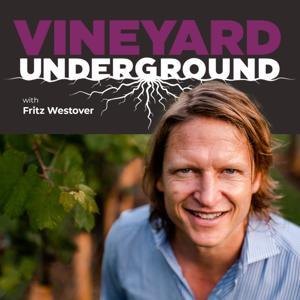
77 Listeners

1,437 Listeners